Carving Station
A carving station is a staffed food station at banquet, buffet, or catered events where a trained chef or carver slices large roasted proteins — such as prime rib, turkey, ham, or beef tenderloin — to order, directly in front of guests.
A carving station is a staffed food station at banquet, buffet, or catered events where a trained chef or dedicated carver slices large roasted proteins — such as prime rib, whole turkey breast, honey-baked ham, or beef tenderloin — to order, directly in front of guests. It is one of the most established formats within the broader action station category, combining live food preparation with high-impact guest presentation.
What Makes Up a Carving Station
A complete carving station includes the carved protein, accompaniments, rolls or bread, sauces, and the equipment needed to display and hold everything safely at temperature. The physical setup typically centers on a skirted buffet table — see table skirting — with an overhead or freestanding heat lamp positioned above the carving board to maintain safe holding temperatures throughout service.
Core equipment includes a thermostatically controlled carving base or heat lamp, a heavy-duty carving knife and fork, a juice-catching drip tray, and hotel pans for sides. Chafers and chafing dishes hold gravies, sauces, and hot side dishes adjacent to the station. A sneeze guard is frequently required above the carving area per local health code. Buffet risers can elevate the protein display for better visual impact and guest flow.
Common Proteins and Current Trends
Traditional carving station proteins include prime rib, roast beef, beef tenderloin, whole turkey breast, honey-baked ham, pork loin, and leg of lamb. These remain the workhorses of hotel banquet and wedding carving station menus across the US.
Through 2025 and into 2026, carving station menus are expanding beyond whole roasts. Brisket, duck, and globally themed preparations — barbacoa, Hawaiian pork roast — are gaining traction as catering teams look to differentiate their banquet offerings and appeal to guests seeking more distinctive event experiences.
Food Safety Requirements
Maintaining safe holding temperatures is the non-negotiable operational priority at any carving station. Per the FDA Food Code, all hot-held cooked meats must be kept at or above 135°F (57°C) throughout service to stay outside the temperature danger zone of 41°F–135°F. Heat lamps and thermostatically controlled carving bases must sustain this threshold for the full duration of service.
Banquet teams should use a probe thermometer to verify holding temperatures at regular intervals and document readings in a temperature log as part of a HACCP food safety plan. Hot-holding carved proteins is classified as a Critical Control Point under HACCP, meaning documented monitoring is required — not optional. All carving station staff should be trained in time-temperature control for safety foods per ServSafe standards.
Before service begins, whole roasts should be staged in a warming cabinet or hot box backstage to hold safely until they are transferred to the station. Chefs must also account for carryover cooking when timing roasts to hit target internal temperatures, and proteins should be properly rested after cooking before display. Staff must also have protocols in place to prevent cross-contamination between proteins and be prepared to communicate allergen information to guests on request.
Portion Control and Food Cost Impact
A staffed carving station gives the operation direct control over portion sizes in a way that self-serve buffets do not. The carver determines how thick each slice is, which reduces over-portioning, minimizes plate waste, and makes per-cover protein cost more predictable. This is one reason carving stations are often preferred over open-access buffet setups for high-volume events.
Accurate food cost planning for a carving station starts with a yield test on the protein — knowing the usable yield on a whole prime rib or bone-in turkey breast after cooking loss and trimming is essential for calculating true cost per cover and pricing the portion correctly on the Banquet Event Order. Any proteins remaining at the close of service should be tracked in a waste log for food cost variance analysis.
Guest Experience and Event Value
Carving stations deliver a live theater element that elevates the perceived value of a banquet or catered event. Guests engage with the station, watch the carver work, and receive a made-to-order experience rather than a pre-plated dish — which supports premium per-person pricing on the BEO. For large events of 300 or more guests, scheduling two carvers is standard industry practice to reduce wait times and maintain service flow.
The format works across hotel banquet rooms, resort holiday buffets, corporate conferences, weddings, and off-premise catered events. Because the setup is high-visibility and interactive, carving stations are also a natural anchor point for themed buffet concepts — pairing the protein with regionally inspired sides, sauces, and breads reinforces a cohesive menu narrative for guests.
Recommended Supplies for Carving Station Setup
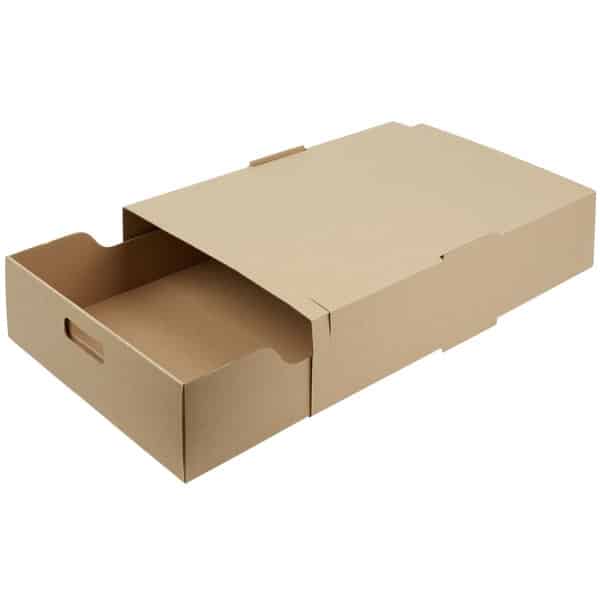
- Catering Supplies — trays, platters, and transport containers for carving station setup and accompaniments
- Serving Utensils — tongs, ladles, and serving forks for accompanying dishes and sauces
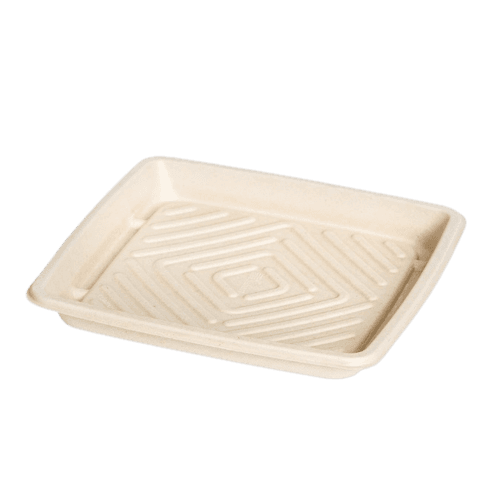
- Fiber Plates — sustainable plate options for carved meat service at banquet and buffet events
- Tabletop and Guest Presentation — doilies, risers, and display accessories for station presentation
Key Properties
Common Uses
Department & Usage: Carving stations are operated by the Banquet or Catering department, under the oversight of the Food & Beverage Director. Execution is handled by banquet chefs or dedicated carvers trained in knife skills, food safety, and time-temperature control for cooked proteins.
The format is used at hotel banquet events, weddings, corporate dinners, holiday galas, resort breakfast buffets, and off-premise catered functions. Event managers specify carving station inclusions on the Banquet Event Order (BEO), including protein selection, accompaniments, and staffing count. Purchasing managers source the proteins, hotel pans, serving utensils, and sustainable serviceware needed to execute the station. Executive chefs and banquet chefs conduct yield tests on whole roasts ahead of large events to set accurate portion counts and per-cover food cost.
Sustainability
Carving stations support hotel sustainability goals in several practical ways. Because a trained carver controls every portion, over-serving is reduced compared to self-serve buffets — less food on the plate means less plate waste at the end of service. Tracking leftover carved proteins in a waste log also gives the F&B team data to fine-tune protein quantities on future BEOs and reduce overproduction.
Limiting the menu to one or two hero proteins per event — rather than three or four — further reduces the risk of end-of-service overproduction. Using compostable or fiber-based serviceware at the station, such as fiber plates and platters, reduces single-use plastic and aligns with hotel sustainability commitments that guests increasingly expect. Sourcing proteins from local or regional farms can reinforce a farm-to-table positioning for the property's catering program and is a compelling differentiator for sustainability-minded event clients.