Coupe Glass
A coupe glass is a stemmed cocktail glass with a shallow, broad bowl designed for serving chilled cocktails without ice, pronounced "koop."
A coupe glass is a stemmed cocktail glass featuring a shallow, broad bowl with slightly vertical sides toward the rim, pronounced “koop” (rhymes with “soup”). Originally designed in England in 1663 for serving champagne, the coupe has evolved into the preferred vessel for serving “up” cocktails—drinks that are shaken or stirred with ice but served without ice. Standard capacity ranges from 5.5 to 8 ounces, with 5.5-6 oz being the professional bartender’s choice for proper portion control and presentation.
Origins and Evolution
George Ravenscroft, an English glassmaker, likely created the first coupe glass in 1663 for champagne service. The glass dominated champagne service for nearly three centuries before falling out of favor in the 1950s-60s when flutes became preferred. The wide surface area causes champagne bubbles to dissipate quickly, making it less ideal for maintaining effervescence.
Despite losing its champagne role, the coupe experienced a renaissance during the craft cocktail movement of the 2000s. Bartenders rediscovered its practical advantages: the broad bowl brings drinks closer to the nose for enhanced aroma, the curved edges prevent spills when toasting, and the lower center of gravity makes it safer than the iconic V-shaped martini glass. The stem design prevents hands from warming chilled cocktails, preserving the drink’s intended temperature.
Professional Usage
Modern bars use coupe glasses for classic cocktails including Daiquiris, Sidecars, Manhattats, Aviation, Margaritas, and Espresso Martinis. After shaking or stirring a cocktail with ice using a Boston shaker or mixing glass, bartenders strain the liquid through a Hawthorne strainer into the coupe. The 5.5-6 oz capacity matches standard cocktail recipes measured with a jigger, preventing over-serving while maintaining elegant proportions.
High-volume bars stock coupes near their speed rail for quick service. The shallow bowl design allows bartenders to garnish drinks easily and creates an appealing visual presentation. When served with cocktail napkins, the coupe evokes Prohibition-era glamour that resonates with customers seeking authentic craft cocktail experiences.
Selecting Coupe Glasses
Choose coupes based on your bar’s volume and cocktail program. The 5.5-6 oz size works for most applications—larger glasses look impressive but can make standard cocktails appear small and increase breakage risk. Look for thin rims that enhance the drinking experience without being so delicate they chip easily during washing.
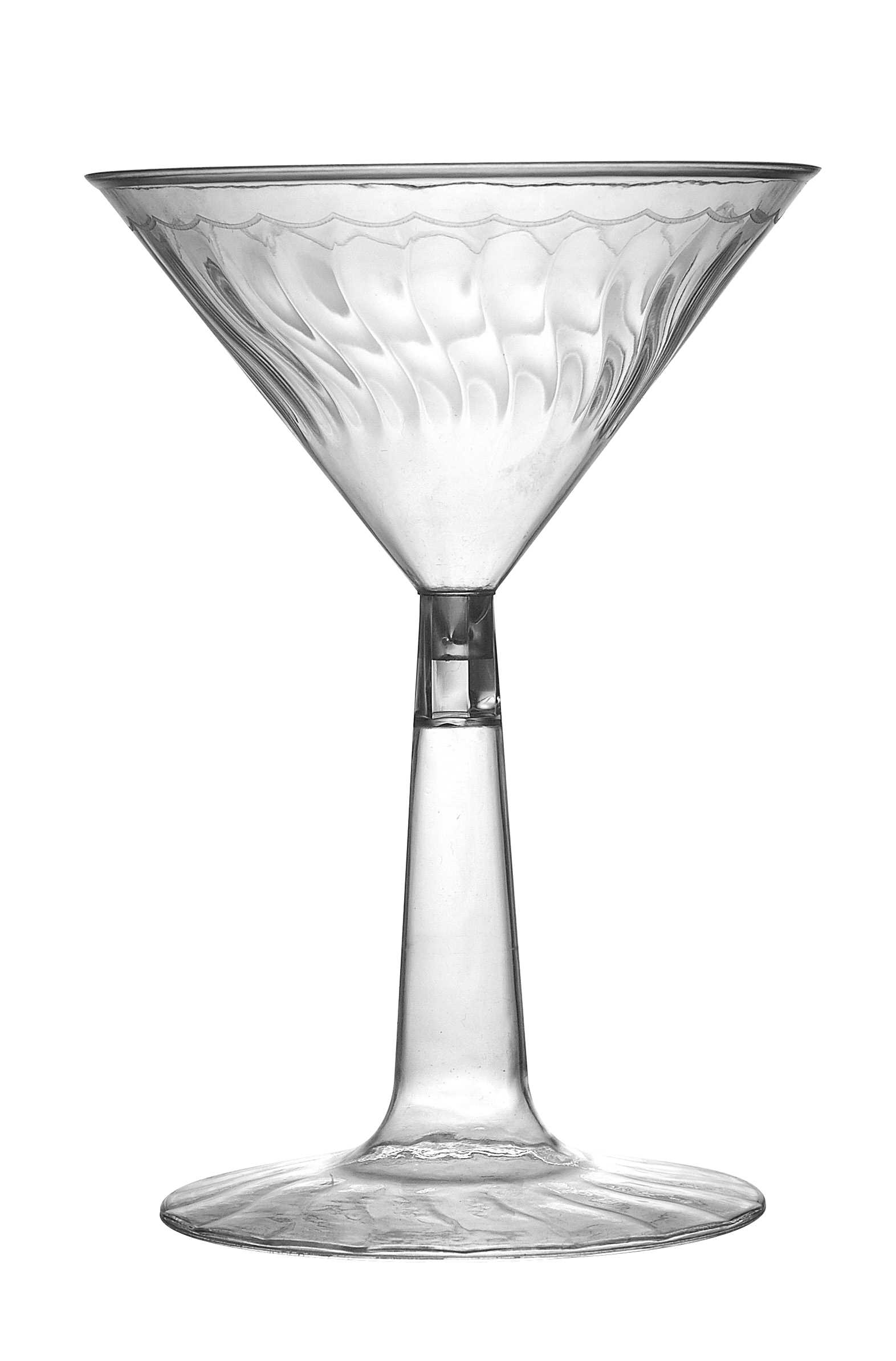
Consider bowl depth when selecting coupes. Shallower bowls emphasize aromatics but increase spill risk, while deeper bowls offer more stability. Stem length affects both aesthetic and practicality—shorter stems stack more efficiently in storage but may feel less elegant. For high-volume operations, disposable alternatives like Fineline 6 oz Clear Martini Glasses provide similar presentation without breakage concerns.
Common Myths
The persistent myth that Marie Antoinette’s breast inspired the coupe’s shape is historically impossible—the glass was created nearly a century before her birth. This legend likely emerged during the mid-20th century as romantic marketing for champagne service. The actual design comes from practical glassmaking traditions and the aesthetic preferences of 17th-century England.
Common Uses
Bartenders use coupe glasses when serving "up" cocktails—drinks that are shaken or stirred with ice but strained before service. After preparing a cocktail in a Boston shaker or mixing glass, they strain it through a cocktail strainer directly into the coupe. The glass appears on bar menus for classics like Daiquiris, Manhattans, Sidecars, and Margaritas. During service, bartenders hold the glass by the stem to prevent warming the chilled cocktail. The shallow bowl allows easy garnishing and brings the drink's aroma closer to the customer's nose for enhanced sensory experience.