Deli Case
A deli case is a refrigerated display unit designed to showcase and store deli meats, cheeses, salads, and prepared foods while maintaining food-safe temperatures between 34°F and 40°F.
A deli case is a refrigerated display unit that showcases and stores deli meats, cheeses, salads, and prepared foods while maintaining safe temperatures between 34°F and 40°F. These cases combine visibility with temperature control, allowing customers to see products while keeping them fresh and food-safe.
Types of Deli Cases
Single-duty cases offer maximum display space with shelving for showcasing products. Double-duty cases add a refrigerated storage compartment below the display area, ideal for storing overstock, takeout containers, and supplies—better for operations needing both presentation and storage space.
Service style matters for your operation. Full-service cases feature rear access only, perfect for staff-served delis where employees slice and serve. Self-service cases allow customer access from the front, suited for convenience stores and grab-and-go operations. Dual-service cases provide both front and rear access for maximum flexibility.
Refrigeration Systems
Forced-air systems use fans to circulate cold air throughout the case, working well for prepackaged items. Gravity coil systems place the refrigeration coil at the top, allowing cool air to naturally drop down—this method better prevents product drying for unwrapped meats and cheeses.
Deli cases maintain higher humidity than bakery cases to prevent deli products from drying out. While both maintain similar temperatures around 40°F, the humidity difference is critical for product quality.
Specifications and Features
Cases range from 36 to 72+ inches in width with 1-6 shelving levels. Glass fronts come in straight or curved designs for different aesthetic and viewing angles. Modern units feature LED lighting for energy efficiency and product visibility, adjustable shelving for flexible merchandising, and rear sliding or hinged doors for staff restocking.
Compressors mount at the front or back, meaning no side clearance is needed for airflow. This makes installation easier in tight spaces compared to equipment requiring side ventilation.
Buying and Maintenance Considerations
New units range from $1,200 to $5,000+, while used or refurbished models cost $500 to $2,500. Look for NSF-listed refrigeration systems for food safety compliance and energy-efficient models to reduce utility costs.
Daily maintenance includes cleaning interior surfaces and glass. Weekly tasks involve removing and scrubbing shelves plus inspecting door gaskets for proper seals. Proper maintenance extends equipment life and maintains food safety compliance for time-temperature control.
Common Applications
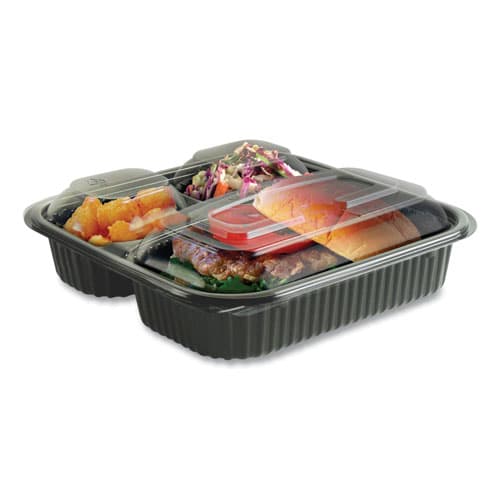
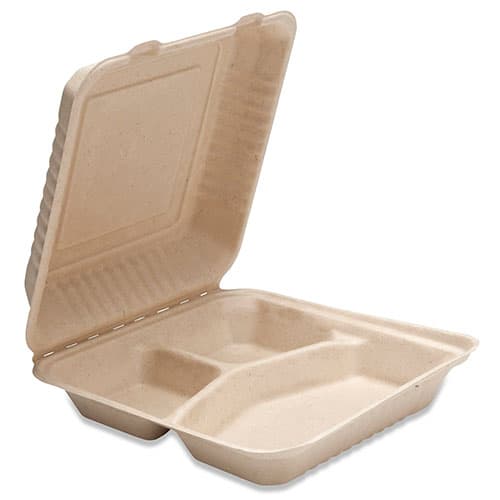
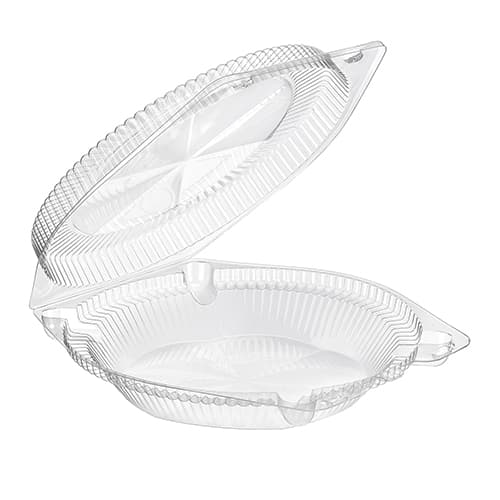
Delis and sandwich shops use full-service cases for custom orders. Convenience stores and cafeterias prefer self-service cases for grab-and-go items packaged in takeout containers and clamshell containers. Grocery stores often deploy both types in different departments.
Practice FIFO (First In, First Out) rotation in your deli case to minimize waste. Position older products at the front and add new inventory behind, ensuring customers select items before expiration dates. This rotation also supports proper cold holding procedures.
Common Uses
Deli cases are essential in delis, sandwich shops, cafeterias, convenience stores, and grocery store deli departments. Staff use full-service cases to display products for made-to-order sandwiches and custom deli platters, accessing items from the rear while customers view selections through the glass. Self-service cases in convenience stores and cafeterias allow customers to grab prepackaged sandwiches, salads, and deli items directly. Double-duty cases serve high-volume operations where staff need both display space and convenient access to backup inventory, bags, and packaging supplies stored in the refrigerated compartment below.