Emergency Action Plan
An Emergency Action Plan (EAP) is a written document required under OSHA 29 CFR 1910.38 that outlines the procedures a hotel must follow in response to emergencies, including fires, natural disasters, medical events, security threats, and cyber incidents.
An Emergency Action Plan (EAP) is a written document required by OSHA that details exactly what a hotel must do when an emergency occurs — from fires and natural disasters to medical events, active shooter situations, and cyber incidents. Under OSHA 29 CFR 1910.38, any hotel with more than ten employees must maintain a written EAP on file, accessible to all staff. Properties with ten or fewer employees may satisfy the requirement with an oral plan, though a written document is best practice regardless of size.
What a Hotel EAP Must Include
A compliant hotel EAP must address six core components: evacuation procedures and designated assembly points, emergency reporting methods, a property floor plan with marked egress routes, staff roles and responsibilities during each scenario, shelter-in-place and lockdown protocols, and emergency contact lists covering local police, fire departments, hospitals, and utility providers.
The plan must also account for guests with disabilities. Under the 2010 ADA Standards for Accessible Design, hotels are required to include accessible evacuation routes, clear emergency communications for guests with sensory impairments, and staff training on assisting guests with mobility, visual, or hearing disabilities. ADA enforcement activity rose 23% in 2025, making this a high-priority compliance item for hotel operators.
Companion documents are required alongside the EAP itself. A separate fire prevention plan (OSHA 29 CFR 1910.157) must document inspection and maintenance of fire extinguishers, smoke detectors, and exit routes. Housekeeping departments must also be covered by a bloodborne pathogen exposure control plan (OSHA 29 CFR 1910.1030) that addresses staff contact with soiled linens, bodily fluids, or contaminated materials. Hotels with kitchen operations should also maintain a Food Safety Plan that coordinates with the EAP on contamination events and equipment failures.
Emergency Scenarios the EAP Must Cover
A complete hotel EAP addresses fires, natural disasters (earthquakes, hurricanes, floods, wildfires), medical emergencies including disease outbreaks, power failures, active shooter and civil unrest scenarios, and increasingly, cyber threats such as ransomware attacks and data breaches. Each scenario should have its own step-by-step response protocol, not a one-size-fits-all procedure.
Food-related emergencies also fall under EAP coverage. Temperature failures or cross-contamination events at a critical control point may trigger emergency procedures outlined in both the hotel’s HACCP plan and the broader EAP. Staff with ServSafe certification bring additional emergency response competency in F&B-specific scenarios.
Command Hierarchy and Cross-Department Roles
EAP command structure in hotel operations typically follows a clear chain: General Manager → Leadership Committee → Front Office Manager → Hotel Assistant Manager → Security. This hierarchy ensures decisions can be made quickly during off-hours when senior leadership may not be on-site.
Every department has a role. Housekeeping staff are often first on scene during medical or chemical emergencies. Kitchen teams manage food safety protocols during power outages or contamination events. Front desk staff serve as the primary communication point for guests. Security leads physical response and coordinates with local authorities. All departments must be trained on their specific responsibilities within the EAP — not just leadership.
Staff Training Requirements
OSHA requires EAP training for every new hire and whenever the plan is updated. Training must go beyond handing out a document — it includes classroom instruction, scenario-based drills, and tabletop exercises for each major emergency type. OSHA recommends multilingual training for staff who do not speak English as a primary language, which is operationally relevant for most hotel housekeeping and kitchen teams.
Regular drills validate whether the plan actually works. Fire evacuation drills, shelter-in-place simulations, and medical emergency scenarios should each be tested on a scheduled basis to identify gaps before a real event occurs. Staff holding glove protocol training are better equipped to respond safely to bodily fluid or hazardous material contact during emergency situations.
PPE and Physical Supplies Supporting EAP Compliance
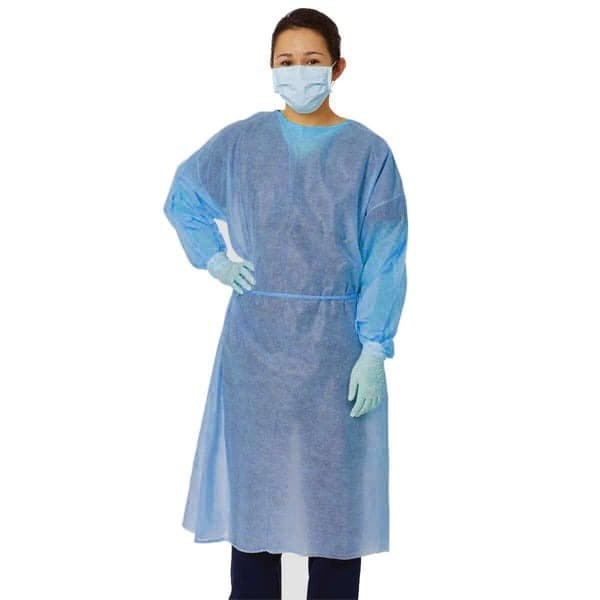
An EAP is only as effective as the supplies that back it up. PPE must be staged and ready for staff responding to medical emergencies or chemical spills. Fluid-resistant gowns, disposable aprons, and gloves are standard requirements for housekeeping and maintenance staff who may encounter bloodborne pathogens or hazardous materials during emergency response. Browse safety and compliance supplies to stock your property’s emergency PPE inventory.
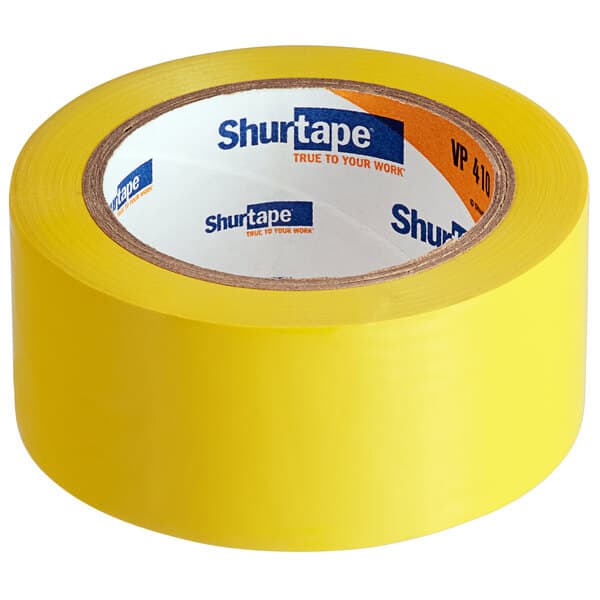
High-visibility floor marking tape is a practical tool for EAP implementation — used to mark evacuation routes, assembly areas, hazard zones, and the location of emergency equipment throughout the property. Clear egress path identification is an OSHA requirement, and tape is one of the most cost-effective ways to maintain it. Additional signage and communication supplies support ongoing wayfinding for both staff and guests.
Keeping the Plan Current
An EAP is not a file-and-forget document. Best practice calls for a formal review at least biannually and immediately after any significant incident. Updates are required whenever the hotel layout changes, key personnel turn over, new regulatory requirements take effect, or an emerging threat — such as a cybersecurity incident type — needs to be added to the plan.
Post-incident procedures are a required EAP component. After any emergency, the hotel must assess damage, verify the well-being of staff and guests, notify relevant authorities, complete maintenance repairs, conduct an all-staff debrief, and revise the EAP based on lessons learned. OSHA requires fatalities to be reported within 8 hours. Failures at this stage carry significant legal and reputational consequences — OSHA willful violations can reach $165,514 per violation as of 2025.
Hotels that follow AHLA Safety & Security Guidelines in addition to OSHA requirements demonstrate a higher standard of care to guests, insurers, and regulators. The AHLA framework, developed in coordination with the Department of Homeland Security, is non-mandatory but widely recognized as industry best practice and can support favorable treatment in insurance underwriting and legal proceedings.
Common Uses
Department & Usage: The EAP is owned by the General Manager and Safety/Risk Management function, with Security leading operational execution. Every hotel department — housekeeping, F&B, front desk, and maintenance — plays an active role and must be trained on department-specific EAP procedures. The plan is referenced during new hire onboarding, emergency drills, post-incident reviews, OSHA inspections, and health authority visits. F&B and kitchen teams coordinate EAP response with their HACCP and Food Safety Plans during food-related emergencies. Housekeeping relies on the EAP's companion bloodborne pathogen exposure control plan when handling contaminated materials. Front desk staff use the EAP as the communication hub for guest notifications during active emergencies.
Sustainability
Hotel EAPs increasingly incorporate environmental emergency protocols, including chemical spill response, hazardous material releases, and water system contamination events — aligning safety compliance with environmental stewardship. Waste streams generated during emergency cleanup must be managed in compliance with local environmental regulations, and EAP updates should reflect those requirements. Energy resilience planning within the EAP — covering backup power sources and generator protocols — supports both guest safety and broader sustainability operations. Water conservation measures during emergencies, such as managing water draws during outages, can be embedded in the EAP as part of a hotel's sustainable operations framework.