Fire Safety Inspection
A fire safety inspection is a systematic, documented evaluation of all fire protection systems and life safety equipment on a hotel property — including sprinkler systems, fire alarms, extinguishers, emergency lighting, exit signs, fire doors, and kitchen suppression systems — conducted at mandated intervals to verify code compliance with NFPA standards and local fire marshal requirements.
A fire safety inspection is a systematic, documented evaluation of all fire protection systems and life safety equipment on a hotel property — covering sprinkler systems, fire alarms, portable extinguishers, emergency lighting, exit signs, fire doors, and commercial kitchen suppression systems. The goal is to verify operational readiness, confirm code compliance, and protect guests and staff before a fire emergency occurs.
Why Fire Safety Inspections Matter for Hotels
Hotels are classified as both assembly and residential occupancies under the National Fire Protection Association (NFPA), which means multiple overlapping codes apply simultaneously. The NFPA estimates that U.S. fire departments respond to more than 3,500 hotel and motel structure fires each year, resulting in injuries, deaths, and $84–$100 million in annual property damage.
Failing an inspection carries serious consequences: correction orders within 30–90 days, fines ranging from $5,000 to $50,000+ per violation, immediate occupancy restrictions for life-safety failures, possible facility closure for multiple violations, and insurance premium increases of 15–35% for documented compliance failures.
Governing Standards
Multiple NFPA codes govern hotel fire safety compliance simultaneously. Key standards include NFPA 101 (Life Safety Code — egress, exit signs, emergency lighting, fire doors), NFPA 13 (Sprinkler Systems), NFPA 25 (Inspection, Testing, and Maintenance of Water-Based Systems), NFPA 72 (Fire Alarm and Signaling Code), NFPA 10 (Portable Fire Extinguishers), NFPA 96 (Commercial Cooking Operations and Kitchen Suppression), NFPA 80 (Fire Doors), and NFPA 14 (Standpipe and Hose Systems for mid- and high-rise properties).
The local fire marshal — formally called the Authority Having Jurisdiction (AHJ) — is the primary enforcement authority. Local requirements may be stricter than NFPA baselines and supersede them where applicable.
Inspection Frequency by System
Fire safety inspections are not a single annual event. Each system has its own mandated inspection cycle:
- Monthly: Visual check of all fire extinguishers (pressure gauge, pin, accessibility, no physical damage); function test of emergency exit doors; verification that exit signs are illuminated; 30-second test of emergency lighting units
- Quarterly: Sprinkler waterflow alarm testing; control valve inspections; supervisory signal testing for fire alarm systems
- Semi-annual: Kitchen hood wet chemical suppression system service and inspection by a certified professional; elevator lobby detector testing
- Annual: Full-system fire alarm certification; fire door inspection for closure, latch engagement, and seal integrity (NFPA 80); 90-minute emergency lighting battery discharge test with per-unit logging; complete fire extinguisher maintenance by a certified technician
- Every 5 years: Internal sprinkler inspection and full system flow test per NFPA 25; hydrostatic testing for certain extinguisher types (5–12 years depending on type)
What Inspectors Evaluate
A full hotel fire safety inspection covers every system and space where life safety equipment is required. Smoke detectors must be present in every guest room, corridor, stairwell top, elevator lobby, and mechanical space per NFPA 72 and NFPA 101 placement requirements. Evacuation routes and floor layouts must be posted in each guest room. Staff must be trained in fire safety protocols, alarm operation, and extinguisher use, with documented drills on record.
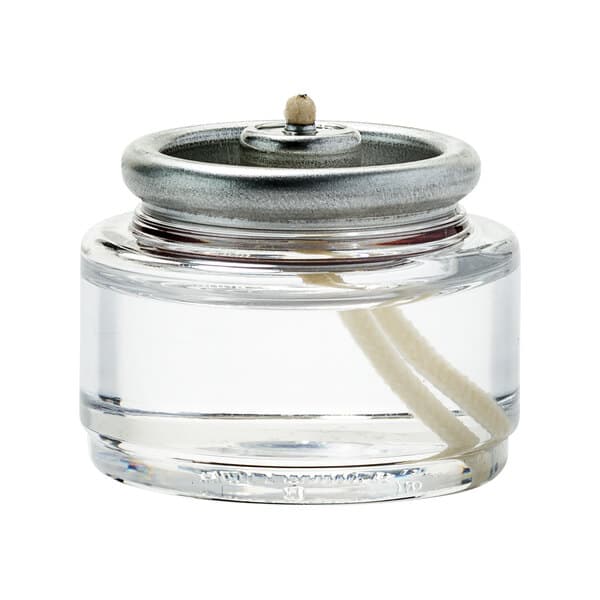
Hotels with commercial kitchens face additional scrutiny. NFPA 96 requires wet chemical suppression systems connected to gas shut-off valves, with semi-annual inspections by certified professionals. Grease accumulation in ductwork above threshold levels constitutes a concurrent fire code violation — a direct connection to routine deep cleaning protocols for kitchen hood systems. Open-flame devices used in banquet or dining settings — including liquid wax fuel cells — must also comply with local fire codes and NFPA combustible material placement standards, and may be reviewed during inspection.
Documentation Requirements
Documentation is a legally critical component of fire safety compliance. Fire marshals issue citations identically for equipment that was never serviced and equipment that was serviced but not documented. Every inspection record must include the inspector’s name, date, unit location, findings, and — for certified service — the technician’s license number on the service tag. Missing monthly records can invalidate an annual service tag.
Complete records must be retained and producible for fire marshal review at any time. This documentation discipline mirrors the approach used for other hotel compliance logs, including pest control logs, temperature logs, and calibration logs. Digital fire safety management platforms can eliminate paper-based logs, improving audit-readiness while reducing administrative overhead.
Who Is Responsible
The Engineering/Facilities Management department owns fire safety compliance. The Director of Engineering or Chief Engineer maintains all inspection records, coordinates with licensed third-party fire protection contractors for certified testing and maintenance, and serves as the primary point of contact during fire marshal inspections. Licensed contractors — not hotel staff — must perform certified system testing and annual maintenance.
Fire safety compliance often runs concurrently with other regulatory events. Hotels frequently prepare for fire safety inspections alongside health inspections as part of a unified regulatory compliance calendar. Kitchen-specific fire safety requirements under NFPA 96 also intersect directly with food safety plans and HACCP protocols governing commercial cooking operations.
Operational Considerations for Hotel Teams
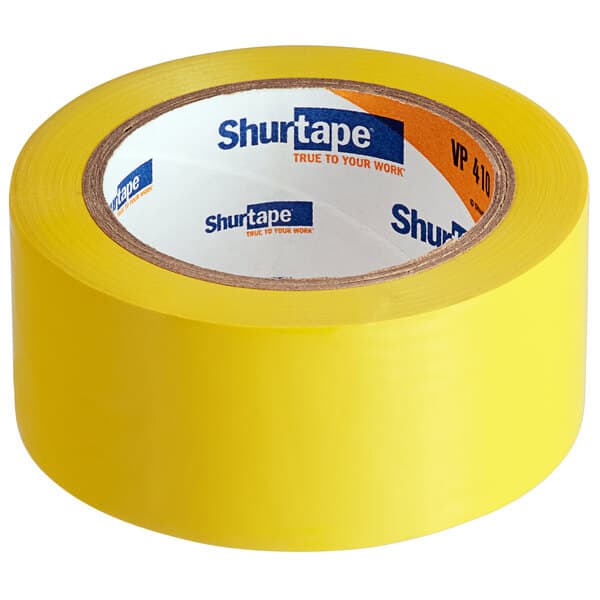
Egress routes must remain unobstructed at all times. Floor waxing operations and housekeeping activities must not block emergency exits, fire equipment access, or posted evacuation maps. Yellow floor marking tape is one practical tool for delineating evacuation paths and hazard zones in compliance with NFPA 101 egress requirements. Tamper-evident labels applied to extinguisher access points and suppression system panels provide visible indication of unauthorized access between inspection cycles.
Renovation and construction projects introduce temporary fire safety risks. Hotels must maintain fire protection continuity during any property upgrades and trigger re-inspections of affected areas after work is complete.
Common Uses
Department & Usage: The Engineering/Facilities Management department — led by the Director of Engineering or Chief Engineer — owns fire safety inspection compliance in hotels. This includes maintaining all inspection documentation, coordinating licensed third-party fire protection contractors for certified system testing, and interfacing directly with the local fire marshal (AHJ) during formal property inspections. Fire safety inspection readiness is a continuous operational responsibility, with monthly, quarterly, semi-annual, annual, and 5-year compliance cycles running simultaneously across different systems. F&B and banquet teams are indirectly involved when open-flame devices or commercial kitchen suppression systems are reviewed. General Managers and ownership groups monitor fire safety compliance as part of insurance and liability management.
Sustainability
LED emergency lighting and exit signs reduce battery load and extend backup battery life, which can improve outcomes during mandatory annual 90-minute discharge tests. Digital fire safety management platforms eliminate paper-based inspection logs, reducing administrative waste while improving compliance accuracy and audit-readiness. Liquid wax fuel cells used in banquet and dining settings must comply with local fire codes governing combustible materials and open-flame containment — their safe use and proper placement are reviewed during fire safety inspections. Renovation projects must maintain fire protection continuity and trigger re-inspections of affected areas after construction is complete.