Hair Restraint
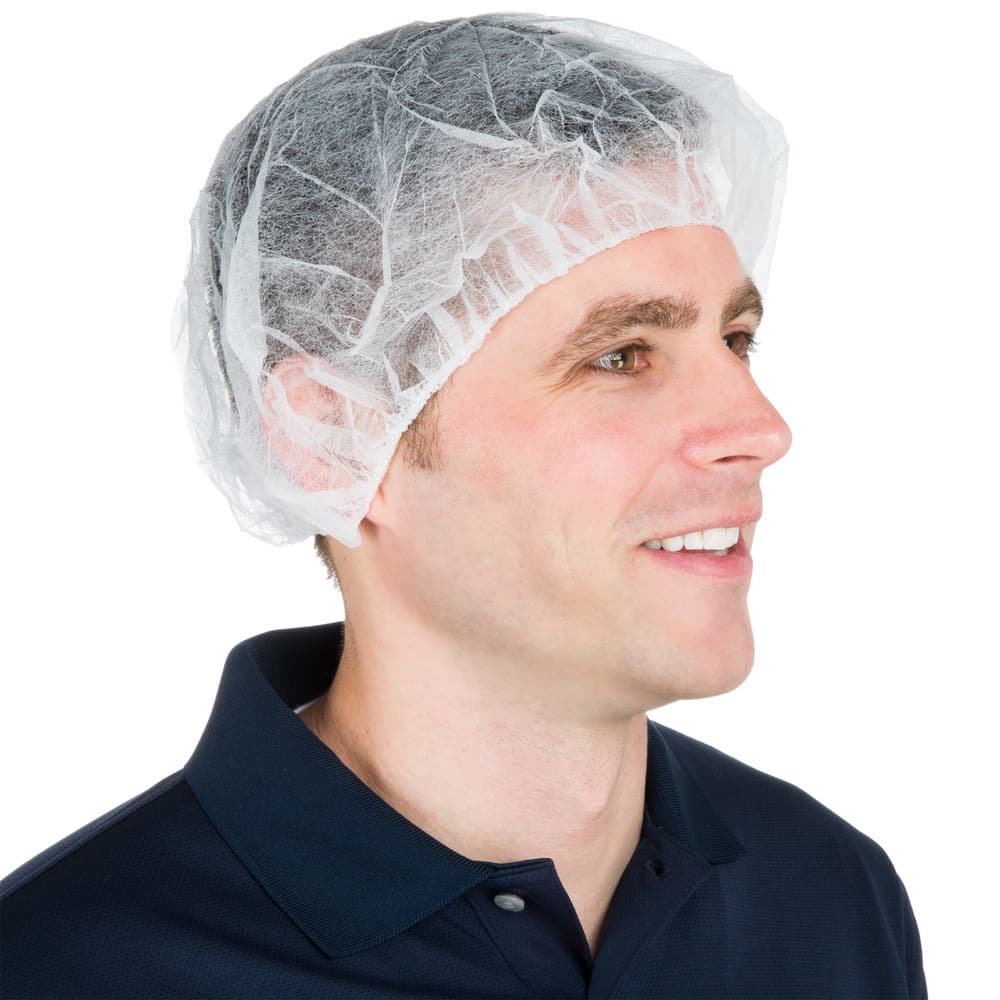
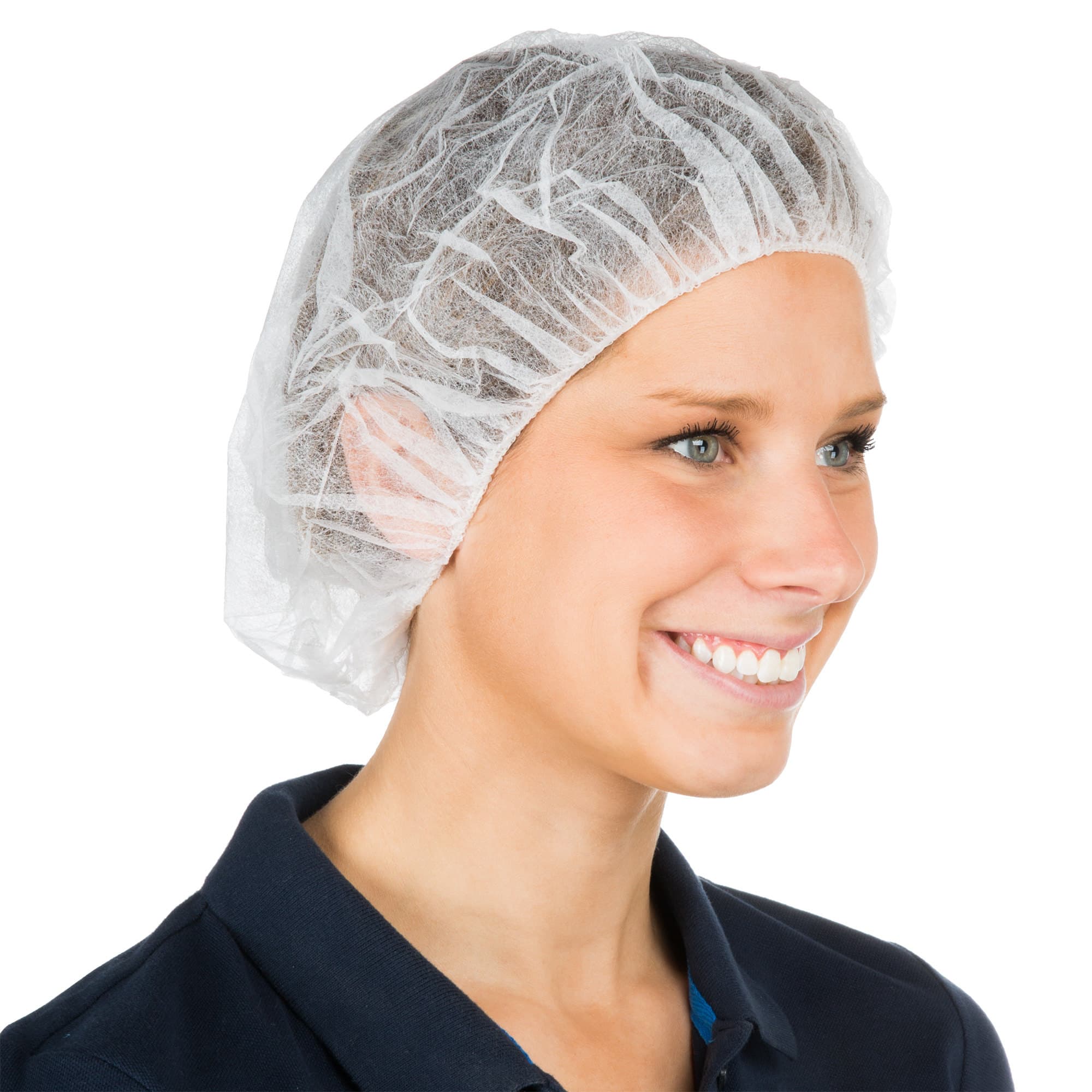
A hair restraint is a device or garment such as a hair net, bouffant cap, chef hat, or beard net worn by food employees to prevent hair from contacting food, food-contact surfaces, equipment, and utensils, as required by FDA Food Code Section 2-402.11.
A hair restraint is any device or garment worn by food employees to prevent hair from contacting food, food-contact surfaces, equipment, utensils, and unwrapped single-service items. Common types include hair nets, bouffant caps, chef hats, baseball caps, bandanas, and beard nets. The FDA Food Code Section 2-402.11 mandates that food employees wear effective hair restraints in food preparation areas.
Why Hair Restraints Matter for Food Safety
Hair restraints serve two critical purposes in commercial kitchens. First, they physically prevent dislodged hair from falling into food or onto clean surfaces. Second, they deter employees from touching their hair during food preparation, reducing the risk of transferring pathogens from hands to food.
Hair is classified as both a physical and biological hazard. Beyond the obvious customer complaint when hair appears in food, hair harbors pathogens like Staphylococcus aureus, which lives on skin and hair and causes foodborne illness. Any time an employee touches their hair, they contaminate their hands with bacteria that can transfer to food, equipment, or other surfaces.
Who Must Wear Hair Restraints
Food employees who prepare, handle, or have direct contact with exposed food must wear hair restraints. This includes cooks, line cooks, prep cooks, chefs, bakers, and dishwashers who handle clean dishes and utensils. The requirement applies to anyone working in areas where food is prepared or where clean equipment is stored.
Servers, counter staff serving only beverages and wrapped foods, and hostesses are typically exempt under FDA guidelines. However, state and local health codes vary—some jurisdictions require all employees to wear hair restraints regardless of their role. Always check your local health department requirements for specific regulations in your area.
Types of Acceptable Hair Restraints
Any device that effectively contains all hair qualifies as a hair restraint. Disposable bouffant caps are the most common choice in commercial kitchens because they’re inexpensive, hygienic, and provide full coverage. Larger sizes like 24-inch bouffant caps accommodate employees with fuller or longer hair.
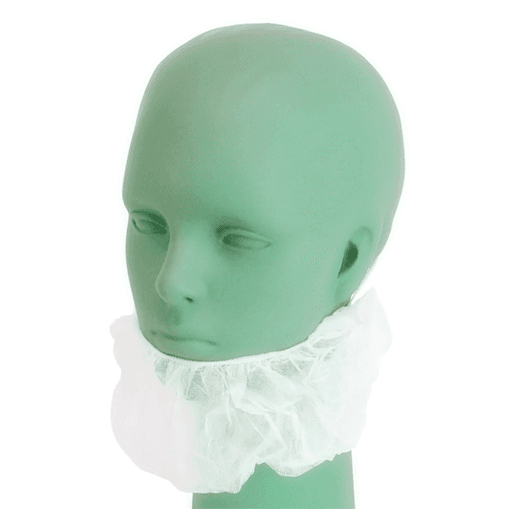
Traditional chef hats and white caps remain popular in professional kitchens, offering a more polished appearance while still containing hair. Baseball caps, bandanas, and headwraps are acceptable if they effectively cover all hair. For employees with facial hair, beard restraints are required in food preparation areas—some jurisdictions mandate coverage when facial hair exceeds half an inch.
Proper Use and Maintenance
Disposable hair restraints should be single-use only and discarded after each shift or if damaged. Never reuse disposable bouffant caps or hair nets, just as you wouldn’t reuse disposable gloves. Reusable restraints like chef hats and fabric bandanas must be laundered regularly as part of the uniform program.
Employees must wash hands at a handwashing station immediately after touching or adjusting their hair restraints. If wearing gloves, change them after any contact with hair or face to prevent cross-contamination. This protocol is as critical as proper glove protocol for maintaining food safety.
Store clean hair restraints in a designated area away from food preparation zones. Never set used restraints on food-contact surfaces or near clean equipment. Establish a clear policy requiring employees to put on hair restraints before entering food preparation areas and before donning gloves.
Compliance and Enforcement
Violations of hair restraint requirements result in health code infractions during inspections. Depending on severity and jurisdiction, consequences range from written warnings to failed inspections, permit suspension, or closure. More importantly, visible hair restraint violations damage customer trust and restaurant reputation.
Make hair restraint compliance part of your daily opening checklist and pre-shift meetings. Provide adequate supplies of disposable options in multiple sizes, and ensure all staff understand both the requirement and the reasoning behind it. When employees understand that hair restraints protect food safety—not just satisfy regulators—compliance improves significantly.
Common Uses
Hair restraints are worn throughout commercial kitchens by cooks, chefs, prep staff, bakers, and dishwashers during all food preparation, cooking, and cleaning activities. Kitchen managers enforce hair restraint policies during pre-shift inspections and health inspectors verify compliance during routine visits. Front-of-house staff like servers and hostesses use the term when transitioning to back-of-house duties that require donning a hair net before entering food prep areas. The term appears in employee handbooks, health inspection reports, food safety training materials, and daily opening checklists.