In-Room Dining Tray
An in-room dining tray is the primary service vessel used by hotel Food & Beverage staff to transport and present food and beverage orders to a guest's room, typically for lighter orders such as breakfast, snacks, or single-course meals.
An in-room dining tray is the primary service vessel used by hotel Food & Beverage staff to transport and present food and beverage orders directly to a guest’s room. It is the standard format for compact or light orders — breakfast, snacks, single-course meals — as opposed to a tray stand-supported rolling trolley used for full multi-course service.
How In-Room Dining Tray Service Works
In-room dining (IRD) operates as a subdivision of the hotel’s Food & Beverage department. Staff assemble and verify tray orders in the kitchen, then transport them via service elevators and staff corridors — never public lobbies or restaurant entrances — directly to the guest room.
The distinction between tray and trolley service is a standard operational differentiator. Trays handle single-guest or compact orders. Rolling tables handle larger, more formal meals that require full tableware, tablecloths, and multi-course presentation.
Standard In-Room Dining Tray Setup
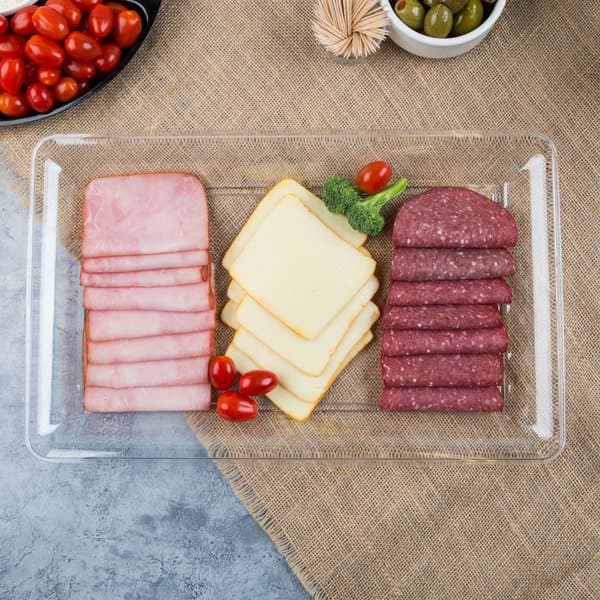
A properly set IRD tray includes a non-slip tray liner or linen mat, appropriately sized plates and bowls free of chips or stains, polished cutlery (forks, knives, spoons, dessert spoon, bread knife), glassware, folded napkins, and condiments — salt, pepper, butter in ramekins, and applicable sauces. The liner prevents items from shifting during corridor and elevator transit and elevates the presentation.
Hotel SOPs require heavier items to be placed at the center of the tray for balance. Every tray must be verified against the guest’s order before leaving the kitchen. An equipment control slip is tucked under the tray cloth to track all serviceware — chinaware, flatware, glassware, linen — and any missing items are reported immediately to the IRD Supervisor.
Delivery and Retrieval Timing
The industry benchmark for IRD delivery is 30 minutes from order placement. For tray retrieval, standard SOP calls for breakfast trays to be picked up 45 minutes after serving time if the guest hasn’t called for clearing. Lunch and dinner trays are retrieved one hour after serving time.
Trays left in guestroom corridors are classified as trip hazards under OSHA general workplace safety standards and signal poor IRD management. Hotels with modern tray-tracking software can automatically alert staff to tray location and status, reducing corridor clutter and improving retrieval compliance.
Tray Cleaning SOP
After retrieval, trays are washed in the dish room, sprayed with hot water to remove food residue, sanitized with an approved sanitizing solution, and stacked upside-down at right angles to air dry. Cork-lined trays require an additional step: rubbing with lemon wedges to neutralize odors before washing.
Food safety regulations under ServSafe and local health department standards govern temperature control for IRD deliveries. Hot food must remain at safe holding temperatures during transit; hotels follow HACCP principles for all in-room food delivery. Hot holding protocols and plate warmers are used during tray assembly to protect temperature integrity from kitchen to guest room door.
Tray Charge on the Room Service Bill
Many hotels add a fixed tray charge — sometimes called a delivery charge — to the room service bill. This fee covers labor, logistics, and handling costs associated with tray delivery and is separate from the food price and any gratuity.
Quality Standards and Audits
Forbes Travel Guide inspections score in-room dining tray setup, serviceware cleanliness, and timely tray removal as formal audit criteria. Major brand QA programs — including W Hotels and Ritz-Carlton — include tray setup standards, condiment presentation, linen and serviceware condition, correct check presentation, and 24/7 IRD availability compliance on internal audit checklists.
Eco-Friendly and Disposable Tray Options
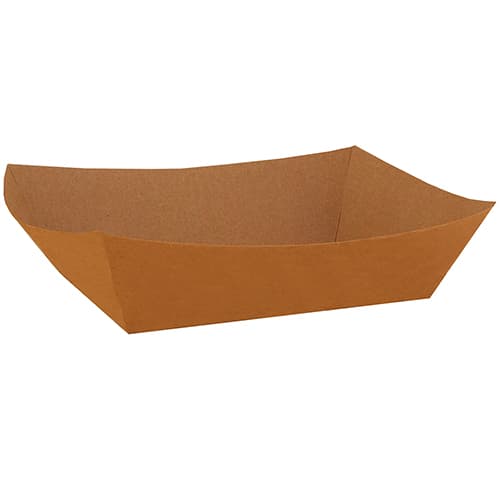
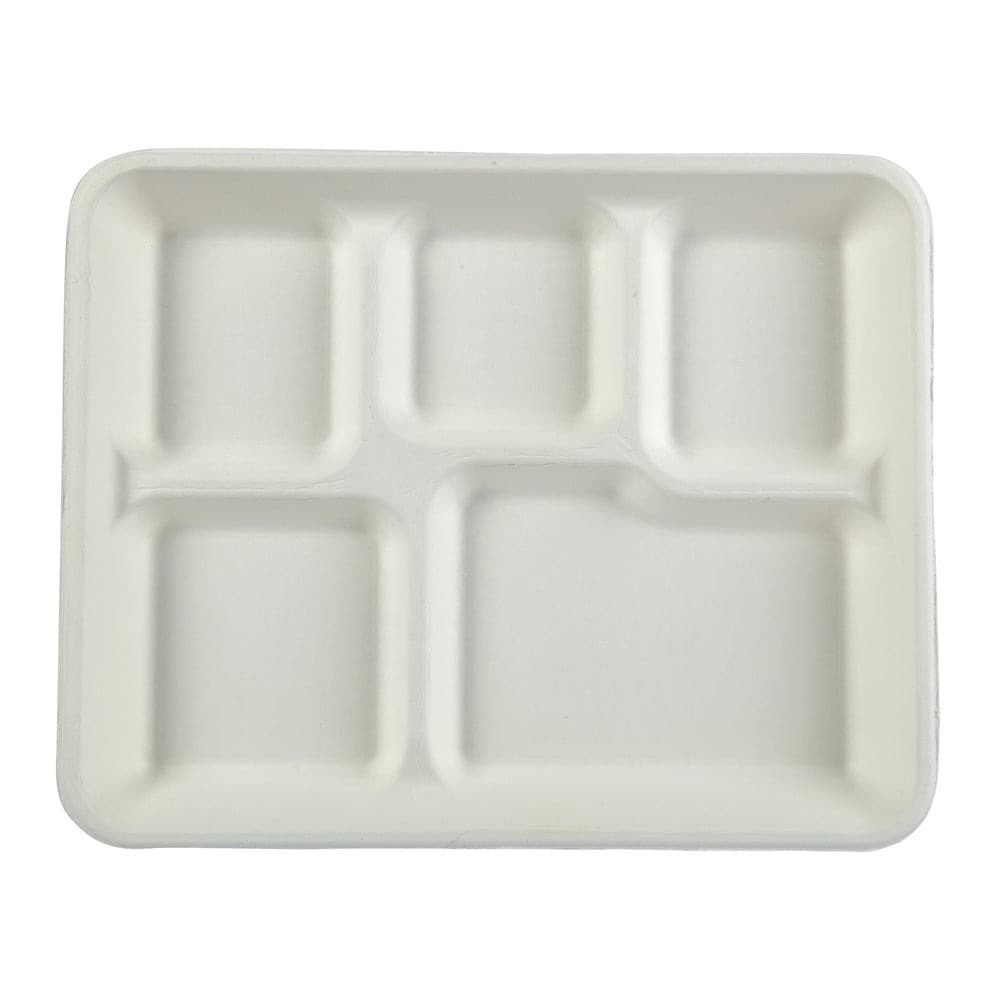
Some hotels are transitioning from reusable china and glassware setups to compostable serviceware for specific IRD contexts — express breakfast, quarantine service, or limited-service properties. Compostable food trays made from bagasse, molded fiber, or PLA-lined kraft paper reduce washing labor and water usage without sacrificing presentation for lighter orders.
Eco-friendly tray liner alternatives — recycled kraft paper, molded fiber mats — replace single-use plastic liners as part of broader sustainable hospitality programs. Hotels can also browse food trays and catering supplies built for both full-service and eco-conscious IRD operations.
Common Uses
Department & Usage: The In-Room Dining (IRD) department — a subdivision of the hotel's Food & Beverage department — manages tray preparation, delivery, and retrieval. The tray is used for every compact IRD order: breakfast, snack service, single-course meals, and express delivery programs. IRD staff report to the Food & Beverage Manager or Director of Food & Beverage. The tray also appears in Forbes Travel Guide and brand QA audits as a scored presentation and cleanliness criterion, making it a visible operational touchpoint that directly affects hotel ratings.
Sustainability
Hotels transitioning to sustainable IRD operations are replacing reusable china setups with compostable tray alternatives for express breakfast and limited-service contexts. Compostable options include trays made from bagasse, molded fiber, and PLA-lined kraft paper, which reduce dishwashing labor and water consumption. Eco-friendly tray liners made from recycled kraft paper replace single-use plastic mats on full-service trays. Tray-tracking technology further supports sustainability goals by minimizing food waste from uncollected, idle orders sitting in corridors.
Related Products