Microfiber Cloth
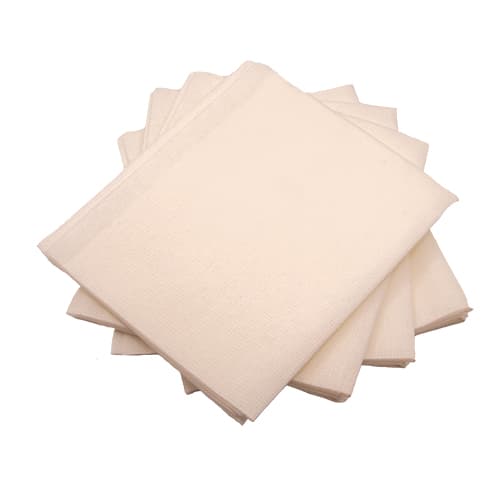
A microfiber cloth is a synthetic cleaning cloth made from ultra-fine polyester and polyamide fibers less than 1 denier in thickness, used in hotel housekeeping to capture dust, bacteria, and contaminants through mechanical action rather than chemical cleaning agents.
A microfiber cloth is a synthetic cleaning cloth made from ultra-fine polyester and polyamide (nylon) fibers measuring less than 1 denier in thickness — roughly 1/100th the diameter of a human hair. In hotel housekeeping, it is the standard tool for surface wiping, glass polishing, bathroom cleaning, and dusting because it captures dust, dirt, allergens, and bacteria without streaking and without requiring harsh chemicals.
How Microfiber Works
The split fiber construction creates microscopic channels that physically lift and trap contaminants through capillary action. An electrostatic charge simultaneously attracts dust, grease, and oils directly to the cloth surface.
Microfiber fabrics provide four times the surface area of a same-size cotton cloth, making each cleaning pass significantly more effective. Because the cleaning action is mechanical rather than chemical, studies published in the American Journal of Infection Control found microfiber mop heads removed 95% of bacteria from surfaces using water alone — compared to only 68% removal when cotton mops were paired with a disinfectant.
Common Uses in Hotel Housekeeping
Housekeeping attendants use microfiber cloths for guest room surface wiping, bathroom cleaning, furniture dusting, mirror and glass polishing, and stainless steel fixture maintenance. A single cloth type handles tasks that previously required multiple specialized products.
In hotel kitchens and F&B areas, microfiber cloths support structured sanitation protocols — including clean-in-place procedures — where surface hygiene is tied directly to food safety compliance.
Color-Coded Microfiber Systems
Color-coded microfiber is a standard best practice in hotel housekeeping operations. Each color designates a specific cleaning zone: red for high-risk restroom fixtures (toilets), yellow for restroom surfaces (sinks, counters), blue for general low-risk areas (desks, mirrors, glass), and green for food preparation areas.
This system prevents cross-contamination between cleaning zones and supports consistent hygiene standards across housekeeping shifts. The logic directly parallels color-coded cutting board systems used in hotel kitchens — both separate high-risk from low-risk zones by color assignment. Color-coding also supports compliance with HACCP and OSHA hygiene guidelines, particularly in properties with food-adjacent cleaning zones.
Performance vs. Cotton Cleaning Cloths
Premium commercial-grade microfiber cloths withstand 300 or more wash cycles without losing effectiveness. Research published in the Journal of Hospital Infection found that microfiber cloths effectively reduce surface levels of MRSA, E. coli, and C. difficile, and that performance actually improved after repeated washing — the opposite of what happens with cotton rags, which shed lint and wear thin over time.
Microfiber also reduces chemical usage by up to 90% compared to cotton-based alternatives, which directly lowers monthly housekeeping supply costs and reduces chemical exposure for staff.
Proper Care and Laundering
Wash microfiber cloths with unscented, fragrance-free detergent at any temperature. Never use fabric softener or dryer sheets — these products accumulate in the fibers and significantly degrade the cloth’s ability to trap dust and dirt over time.
Microfiber’s quick-drying properties also reduce laundry energy consumption compared to heavier cotton terry products, a meaningful operational benefit for high-volume housekeeping departments running daily linen cycles.
Standards and Certifications
The U.S. Environmental Protection Agency endorses microfiber cleaning solutions for their chemical reduction benefits, and microfiber is recognized as a component of LEED-certified green cleaning programs. Color-coded microfiber systems align with OSHA and HACCP cross-contamination prevention guidelines. Some commercial microfiber products carry OEKO-TEX Standard 100 certification, confirming the fabric is free from harmful substances — relevant for hotels with guest safety and environmental commitments. Microfiber cleaning solutions also conform to JCAHO Environment of Care Standards (1.3, 2.3, and 4.0), a benchmark increasingly referenced by hospitality operations pursuing healthcare-grade hygiene protocols.
Related Supplies
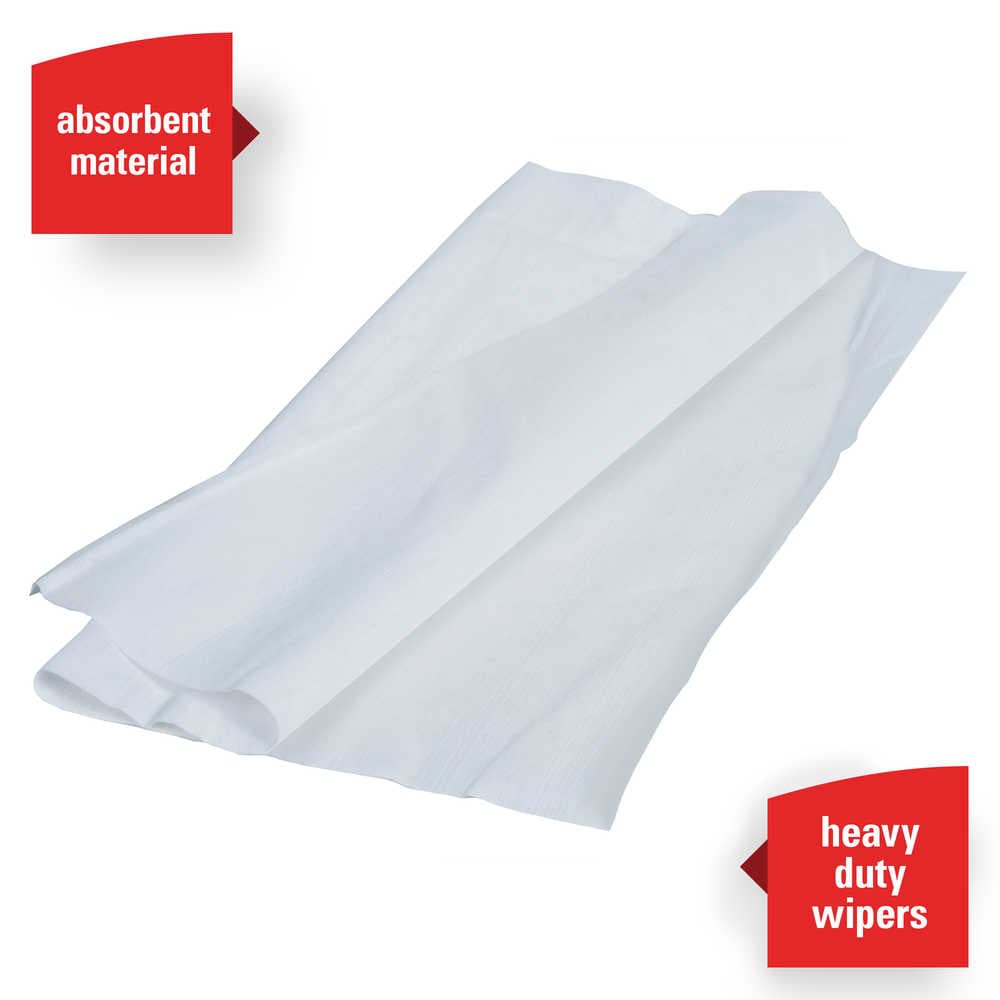
Microfiber cloths are commonly paired with sanitizer buckets during housekeeping rounds to maintain proper disinfectant concentration alongside the cloth’s mechanical cleaning action. For high-demand environments where microfiber is supplemented with disposable wiping options, heavy-duty reusable cloths such as Wypall® X80 Cloths and general-purpose Wypall® X70 Cloths are practical alternatives for housekeeping carts. In hotel F&B and kitchen zones, Wypall® X80 Foodservice Towels serve color-coded food-contact cleaning tasks. Browse the full Housekeeping and Cleaning and Cleaning Agents categories for additional supplies.
Key Properties
Common Uses
Department & Usage: Microfiber cloths are used daily by housekeeping attendants across guest rooms, bathrooms, corridors, and public areas. They handle surface wiping, bathroom disinfection, glass and mirror polishing, furniture dusting, and stainless steel cleaning. In hotel F&B and kitchen environments, color-coded microfiber cloths support food safety zone separation in line with HACCP guidelines. Executive housekeepers specify microfiber as the primary cleaning cloth in standard operating procedures (SOPs) and use color-coded systems to enforce zone-specific hygiene across multi-person housekeeping shifts. Purchasing managers procure microfiber in bulk to reduce per-room cleaning supply costs and lower chemical procurement spend.
Sustainability
Microfiber cloths support hotel sustainability programs in several measurable ways. Their 300+ wash cycle durability dramatically reduces disposable wipe and single-use rag waste compared to cotton alternatives. Chemical usage can be cut by up to 90% for routine surface cleaning, which lowers the volume of hazardous cleaning agents entering the wastewater system. Microfiber is also recognized as a component of LEED-certified green cleaning programs in the United States, and bulk purchasing reduces packaging waste compared to single-use disposable wipe products.
One sustainability trade-off exists: microfiber is a synthetic, petroleum-based product, and machine washing releases microplastic particles into water systems. Hotels pursuing comprehensive sustainability programs should weigh the significant chemical reduction benefits against microplastic release, and may consider high-efficiency washing machines with microplastic filtration systems as a mitigation measure.