Room Attendant Caddy
A room attendant caddy is a portable, hand-carried container used by hotel housekeeping staff to store and transport cleaning supplies and guest amenities inside each guest room during service, typically stored on the top shelf of the room attendant cart between uses.
A room attendant caddy is a compact, hand-carried tote used by hotel housekeeping staff to transport cleaning supplies and guest amenities directly into each guest room during service. Unlike the full room attendant cart, which stays parked in the corridor, the caddy is designed to travel inside the room — eliminating repeated trips to the hallway and keeping the room attendant focused on the task at hand.
How the Caddy Fits Into the Room Service Workflow
The caddy typically rides on the top shelf of the housekeeping cart and is lifted off when the attendant enters a room. Everything needed for a single room turn — sprays, cloths, scrub pads, and a small amenity restock — goes in the caddy. This single-trip setup is a core efficiency principle in hotel housekeeping operations and directly reduces room-turn time per shift.
Loading the caddy before starting a room block is part of the mise en cart standard, which governs how the full cart and caddy are set up at the start of each shift. Supervisors inspect caddy readiness — including chemical labeling and cloth organization — as part of pre-shift protocols at most mid-scale and upscale properties.
Standard Caddy Contents
A properly stocked caddy typically contains multi-surface cleaner, glass and mirror cleaner, bathroom disinfectant, toilet bowl cleaner, furniture polish, scrub pads, disposable gloves, and a supply of bath amenities such as soap, shampoo, and conditioner. All chemical containers — including spray bottles decanted from bulk supplies — must be labeled with the product name and hazard information per OSHA’s Hazard Communication Standard (29 CFR 1910.1200).
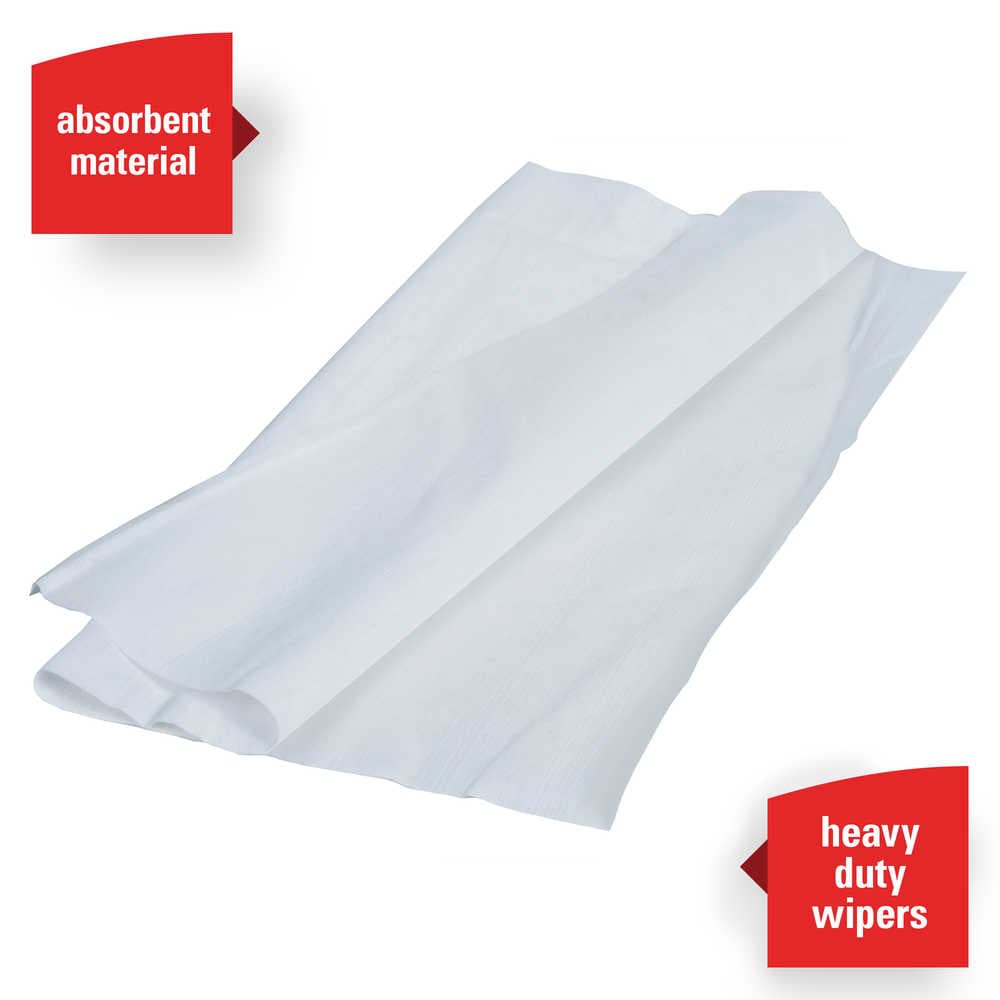
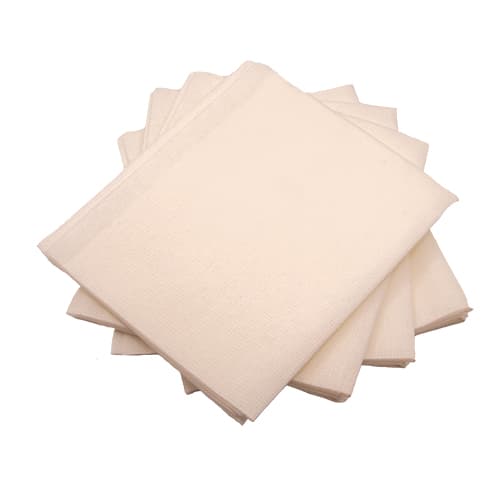
Cloths and wipers are the other critical caddy component. Heavy-duty reusable options like Wypall® X80 Cloths and Wypall® X70 Cloths are widely used in hotel caddies for their absorbency and durability across multiple wash cycles. Disposable wipers such as the Shore Manufacturing 8483 Heavy-Weight Shop Towel are preferred in some properties for single-use bathroom sanitation tasks where eliminating cross-transfer risk is the priority.
Color-Coding and Cross-Contamination Prevention
Caddies support color-coded cleaning systems where specific cloth colors are assigned to designated zones — typically one color for bathrooms and a separate color for bedroom surfaces. This physical separation within the caddy is a primary operational control against cross-contamination between high-risk areas like toilets and sinks and general guest room surfaces.
Used cloths are not returned to the clean supply in the caddy. Soiled materials are deposited into the soil cart at the end of each room or at designated intervals during the shift.
Compliance Requirements
OSHA’s HAZCOMM Standard (29 CFR 1910.1200) requires that every chemical container in the caddy — including secondary spray bottles transferred from bulk dilution stations — bear a proper label identifying the product and its hazards. Unlabeled containers are a citable OSHA violation. Housekeeping supervisors are responsible for enforcing this during pre-shift caddy inspections.
At properties operating under AAA Five Diamond or Forbes Five-Star standards, caddy organization and cleanliness are subject to quality audits. The condition and readiness of the caddy directly affect room cleanliness scores, amenity presentation, and sanitation outcomes — all areas evaluated during formal inspections.
Caddy Use During Deep Cleans and Special Service Cycles
During a deep clean, the caddy loadout expands to include specialty products — descalers, grout cleaners, upholstery treatments — beyond the standard daily service kit. The caddy’s portability makes it adaptable to both routine stayover service and more intensive cleaning assignments without changing the fundamental workflow.
Room entry is always governed by Do Not Disturb signage and door hanger protocols. The caddy is only brought into rooms where entry has been confirmed appropriate — making DND compliance a direct upstream factor in caddy-based room service sequencing.
Sustainability Considerations
Switching from disposable paper towels to reusable microfiber cloths or durable wipers like the Wypall® X80 (475-unit bulk case) reduces per-room disposable waste and supports hotel sustainability programs. Paired with concentrated chemical dilution systems — where attendants decant into labeled caddy bottles from a central station — properties can significantly cut single-use plastic consumption. Green Seal and EPA Safer Choice certification programs increasingly require documentation of caddy contents and cleaning applicators as part of compliance audits.
Key Properties
Common Uses
Department & Usage: The room attendant caddy is used exclusively within the housekeeping department by room attendants (also called room maids or guest room attendants) during daily stayover service, checkout turns, and deep-clean cycles. It is prepared as part of the mise en cart process before each shift begins and is inspected by housekeeping supervisors for OSHA-compliant chemical labeling and proper cloth organization. At AAA Five Diamond and Forbes Five-Star properties, caddy setup and cleanliness are evaluated during quality audits. The caddy is also used during amenity restocking runs, with bath amenities carried alongside cleaning supplies for single-trip efficiency per room.
Sustainability
Reusable microfiber cloths and heavy-duty industrial wipers stored in the caddy replace disposable paper towels, reducing per-room waste across high-volume housekeeping operations. Concentrated chemical dilution systems — where attendants fill labeled caddy spray bottles from a central station — cut single-use plastic bottle consumption compared to pre-filled disposables. Green Seal and EPA Safer Choice certification programs require hotels to document caddy contents and cleaning applicator types as part of compliance verification. Some wellness-focused properties have shifted to fragrance-free or low-VOC products in caddy loadouts to improve indoor air quality for both guests and housekeeping staff.