Soil Cart
A soil cart is a large-capacity wheeled cart used exclusively in hotel housekeeping operations to collect and transport soiled linens, towels, and textiles from guest-floor pantries to the laundry department for processing.
A soil cart is a dedicated wheeled cart used in hotel housekeeping to collect, contain, and transport soiled linens, towels, and textiles from guest floors to the laundry department. Unlike the standard housekeeping cart, which serves as a room attendant’s mobile workstation stocked with clean supplies, the soil cart has one job: bulk linen transport.
How Soil Carts Work in Hotel Operations
Room attendants strip used linens and towels from guest rooms and deposit them into soiled linen bags on their housekeeping cart or directly into a floor-pantry soil cart. House persons and floor supervisors then consolidate full carts and transport them — via service elevator — to the laundry department for processing.
Soil carts are stationed in each floor’s linen room or pantry so attendants can deposit soiled items without cross-floor travel. Supervisors run regular collection rounds to prevent pile-up, which risks further textile contamination, linen damage, and potential slip-and-fall hazards from overflowing bags.
Construction and Sizing
Soil carts are built for heavy, wet loads. Standard features include a large-capacity canvas bag frame or plastic tub (measured in bushels), heavy-duty smooth-rolling casters, and durable fabric or molded plastic construction. Cart capacity is sized to match the volume of rooms serviced per floor per shift and must fit within service elevators and linen-room storage areas.
Material choice matters for total cost of ownership. Plastic tub carts carry an approximate lifespan of 5 years, while aluminum-frame carts last roughly 15 years. Leading hospitality-grade vendors include Forbes Industries, Rubbermaid Commercial Products, and Diversified Plastics Inc. (DPI).
Color-Coded Bag Systems
Color coding is standard practice on soil carts — and audited under brand SOPs, AAA, and Forbes Travel Guide inspections. A common system uses white bags for guest-room linens, colored bags for food-and-beverage items, and specialty bags for heavily stained or biohazard textiles. This segregation prevents cross-contamination and dramatically speeds up sorting in the laundry department.
F&B and spa departments generate their own soiled textiles — restaurant napkins, banquet linens, spa towels — which enter the soil cart system through designated bags, keeping them separate from guest-room inventory throughout the laundry cycle. Items like bath robes, pillow protectors, and duvet inserts are all collected and transported this way.
Ergonomics and Staff Safety
OSHA ergonomic guidelines recommend lightweight, maneuverable equipment with smooth-rolling casters to prevent the back injuries and repetitive-stress conditions common in housekeeping roles. Motorized and battery-powered linen carts — capable of carrying loads up to 700 lbs — are increasingly adopted in larger properties, particularly where carpeted corridors make manual pushing difficult.
Investing in ergonomic or powered soil carts reduces workers’ compensation claims, lost labor hours, and staff turnover — a direct operational cost benefit alongside the safety improvement.
Soil Cart Sanitation
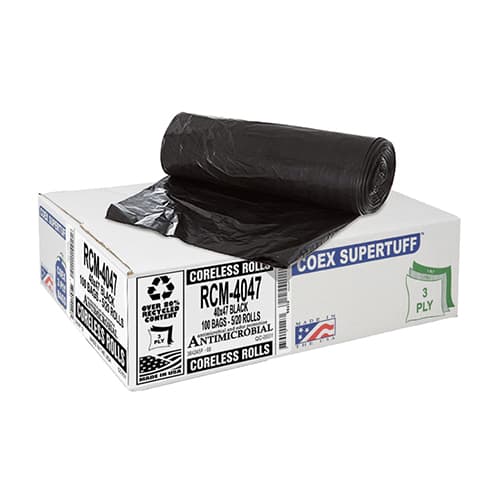
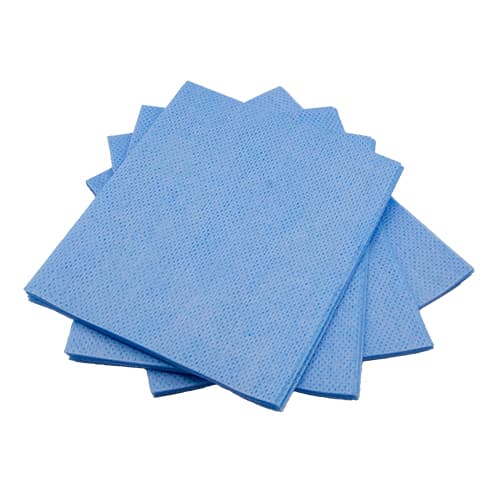
Cart frames, handles, wheels, and surfaces should be wiped down with a disinfectant solution at the end of each shift. Fabric bags and tub liners should be removed and laundered or replaced regularly to control odor and prevent cross-contamination. Heavy-duty wipers and antimicrobial can liners support routine cart hygiene between deep-cleaning cycles. Local health departments require physical separation of soiled and clean linens at all times, and soil cart sanitation is part of that compliance picture.
Soil Carts vs. Laundry Chutes
A laundry chute is a fixed vertical shaft that drops soiled linens directly to a collection area — no cart travel required. Many hotels use both: chutes for high-volume main linen drops and soil carts for supplemental collection, specialty bags, or floors without chute access. Properties without chutes rely entirely on soil carts and service elevators for linen transport.
Impact on Linen Par and Laundry Scheduling
Soil cart collection frequency directly affects linen par management. Slow or irregular rounds leave soiled linen sitting on floors, delaying the laundry cycle and creating par shortfalls — especially during high-occupancy periods or deep-clean operations that generate above-normal linen volumes. Tight soil cart scheduling keeps clean inventory cycling back to housekeeping on time. Do Not Disturb status also affects when attendants can access rooms to collect soiled linens, requiring supervisors to adjust collection rounds accordingly.
Key Properties
Common Uses
Department & Usage: Soil carts are operated primarily by housekeeping house persons and floor supervisors, with room attendants depositing soiled items at the point of collection. Carts are stationed in floor linen rooms and pantries throughout the property — including guest room floors, F&B back-of-house, spa/wellness areas, and banquet facilities. Supervisors run regular collection rounds to transport full carts via service elevator to the laundry department, ensuring soiled linens do not accumulate on floors. Soil cart scheduling is coordinated with laundry department throughput and linen par requirements, especially during high-occupancy periods and deep-clean operations.
Sustainability
Aluminum-frame soil carts last approximately three times longer than plastic alternatives, reducing replacement frequency and associated equipment waste. Motorized carts reduce worker injury rates, lowering workers' compensation costs and staff turnover — an indirect but measurable sustainability benefit for hotel operations.
Proper soil cart management — frequent rounds, no pile-up — reduces linen damage from sitting on wet or compressed loads, extending the lifecycle of hotel textiles and decreasing linen replacement spend. Hotels that sort soiled loads by fabric type and soil level at the cart stage improve laundry efficiency, reducing water consumption, energy use, and chemical input per wash cycle.
Related Products