Mise en Cart
Mise en place is a French culinary phrase meaning 'putting into place' — the professional practice of fully organizing all ingredients, tools, equipment, and service stations before cooking or guest service begins, used across both kitchen and front-of-house hospitality operations.
Editorial note: The submitted term “Mise en Cart” does not appear in any recognized hospitality industry glossary, trade publication, or association reference (AHLA, AHLEI, HSMAI, Cornell SHA). It is not an established catering or hospitality term. This entry has been written for Mise en Place — the well-established French culinary and hospitality standard that “Mise en Cart” almost certainly references as a phonetic misspelling or transcription error. We recommend redirecting /glossary/mise-en-cart to this canonical entry.
What Is Mise en Place?
Mise en place (pronounced meez ahn plas) is a French culinary phrase meaning “putting into place” — the professional practice of fully organizing ingredients, tools, equipment, and service stations before cooking or service begins. In hotel Food & Beverage operations, it functions simultaneously as a physical checklist, an operational process, and a professional standard of readiness.
The concept applies to both back-of-house (BOH) kitchen prep and front-of-house (FOH) service setups. No service shift or catering event should begin without completed mise en place across all stations.
Mise en Place in Kitchen Operations
In the kitchen, mise en place means every ingredient is measured, prepped, and positioned before the first order fires. Sauces are reduced, proteins are portioned, garnishes are cut, and every tool a cook needs is within arm’s reach at their station.
Large-scale catering events require BOH mise en place that accounts for hundreds of covers. This is where batch cooking, portioning, and prep sheets become essential — each one documents exactly what needs to be prepared, in what quantity, and to what standard before service begins.
Mise en Place in Front-of-House and Catering Service
FOH mise en place covers everything guests see and interact with before they’re served. This includes setting tables, stocking server stations, preparing rollups, filling condiment holders, staging serviceware, and confirming all equipment is operational. These tasks overlap directly with side work and opening duties.
In banquet and catering contexts, FOH mise en place scales significantly. For a 300-person wedding reception, mise en place includes staging pre-set plates and glassware, fueling and positioning chafing dishes, confirming linen placement, and briefing service staff — all before the first guest walks in the door.
Mise en Place vs. Mise en Scène
These terms are related but distinct. Mise en place refers to the preparation of ingredients, tools, and service stations. Mise en scène refers specifically to the physical cleaning and environmental setup of the service area — tables, chairs, floors, windows, side stations, and food trolleys — before guests are received.
Both must be completed before service begins, but they involve different tasks and sometimes different team members. Mise en scène is the environmental canvas; mise en place is everything staged on top of it.
How Mise en Place Applies to Banquet and Catering Events
In catering operations, mise en place planning starts with the drop count — the confirmed number of covers determines how much needs to be prepped, portioned, and staged. Par levels set the floor for how much product must be ready at each station without over-preparation.
A line check is performed before service to verify that mise en place has been completed correctly. If a station isn’t ready, it gets resolved before the event starts — not during it.
Catering Supplies Used in Mise en Place Setup
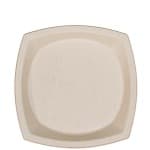
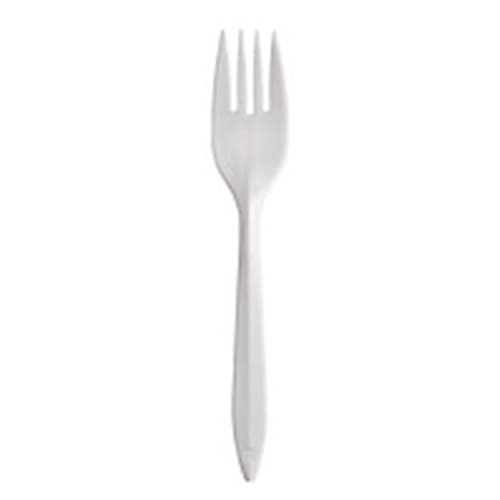
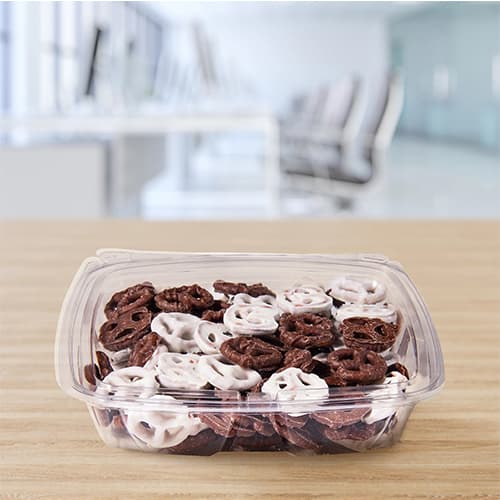
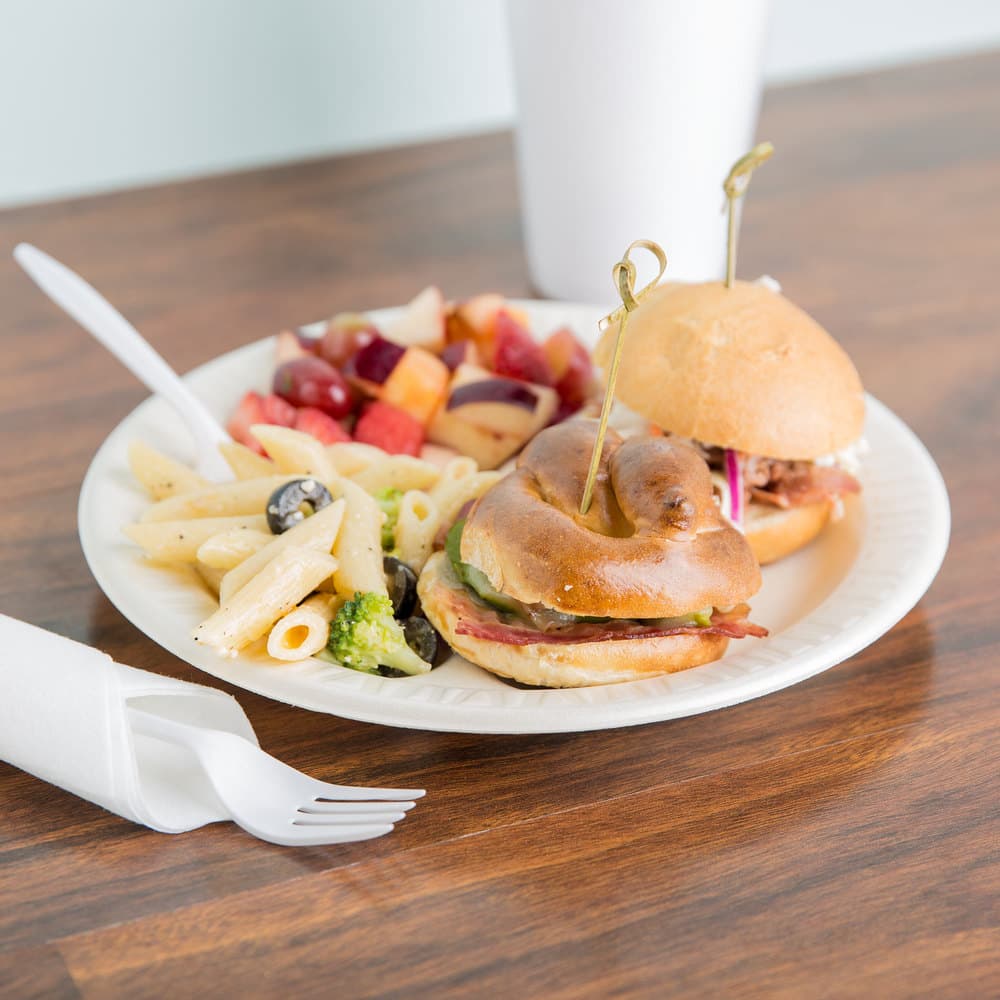
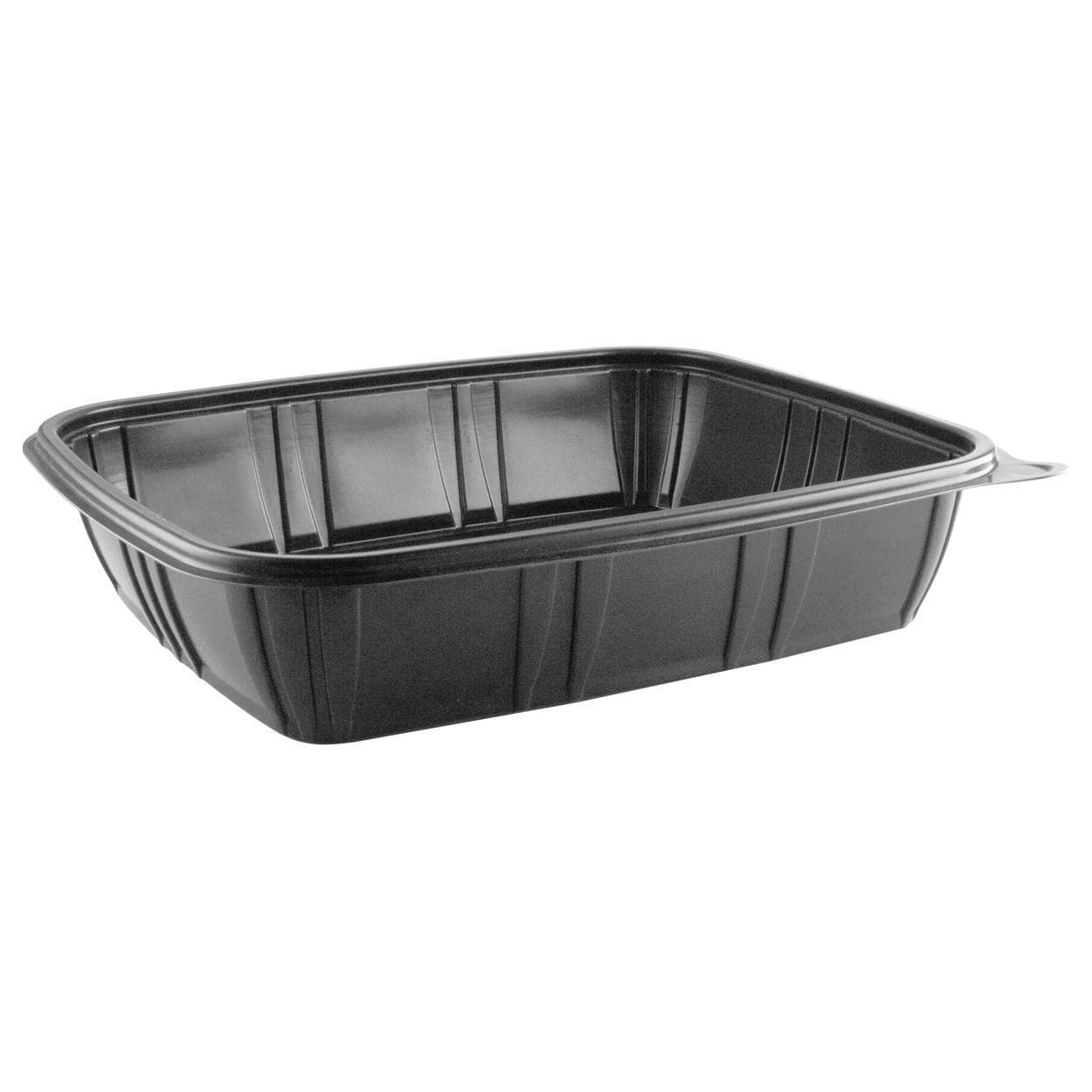
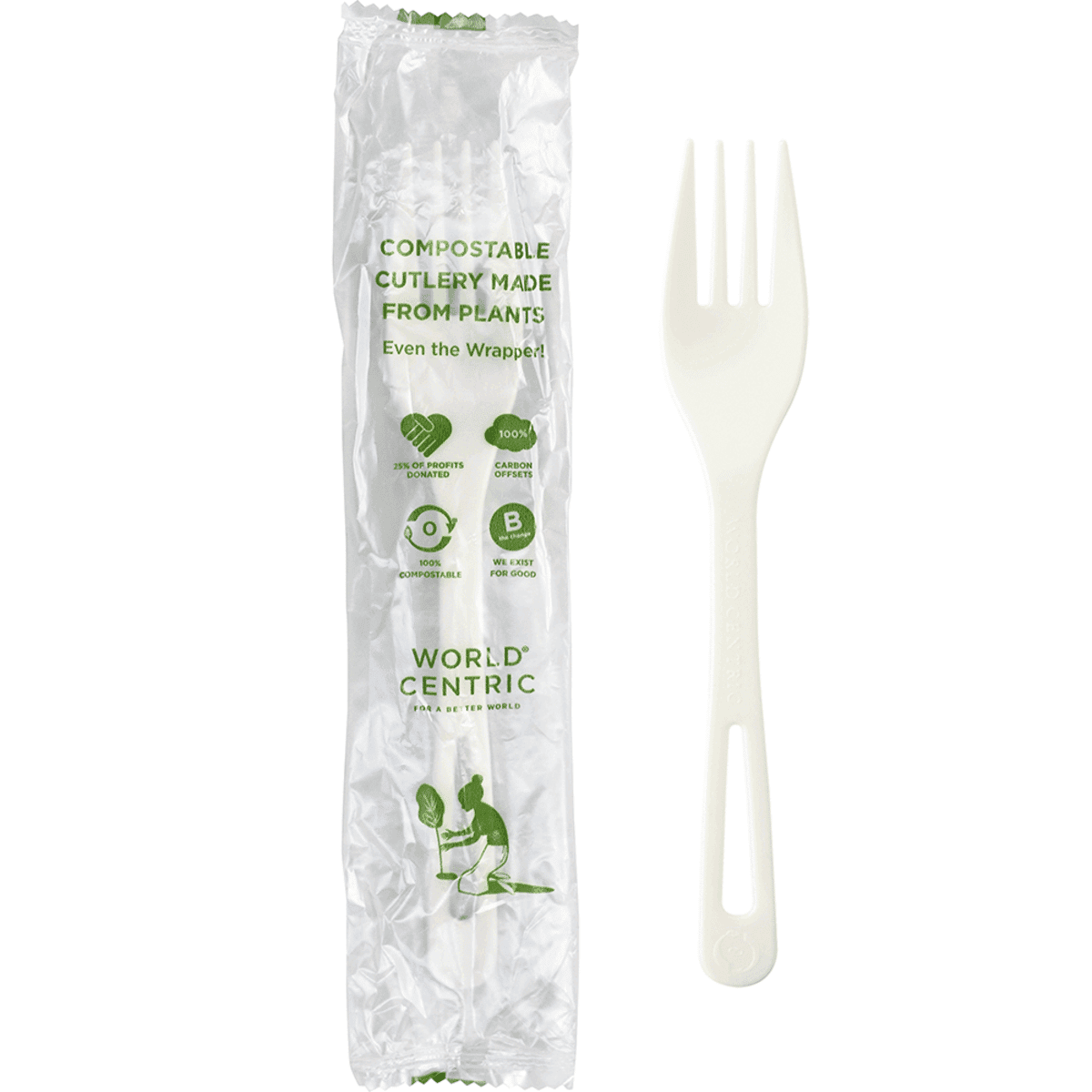
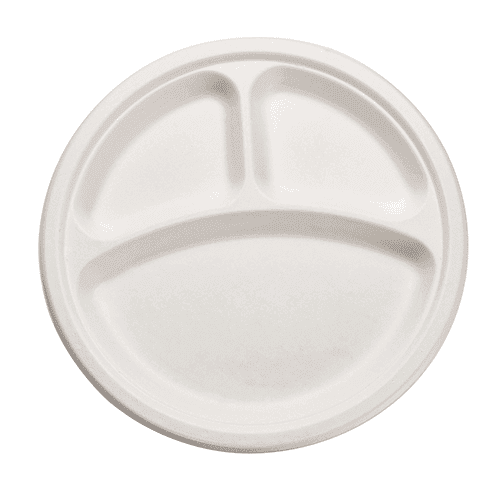
Pre-staging the right serviceware is a direct mise en place task. For sustainability-focused banquet events, fiber plates such as compostable sugarcane options are staged in pre-counted stacks at each service point. Cutlery is pre-rolled or pre-positioned in station drawers. For off-premise catering, tamper-evident containers allow kitchen teams to pre-portion and seal items well before transport.
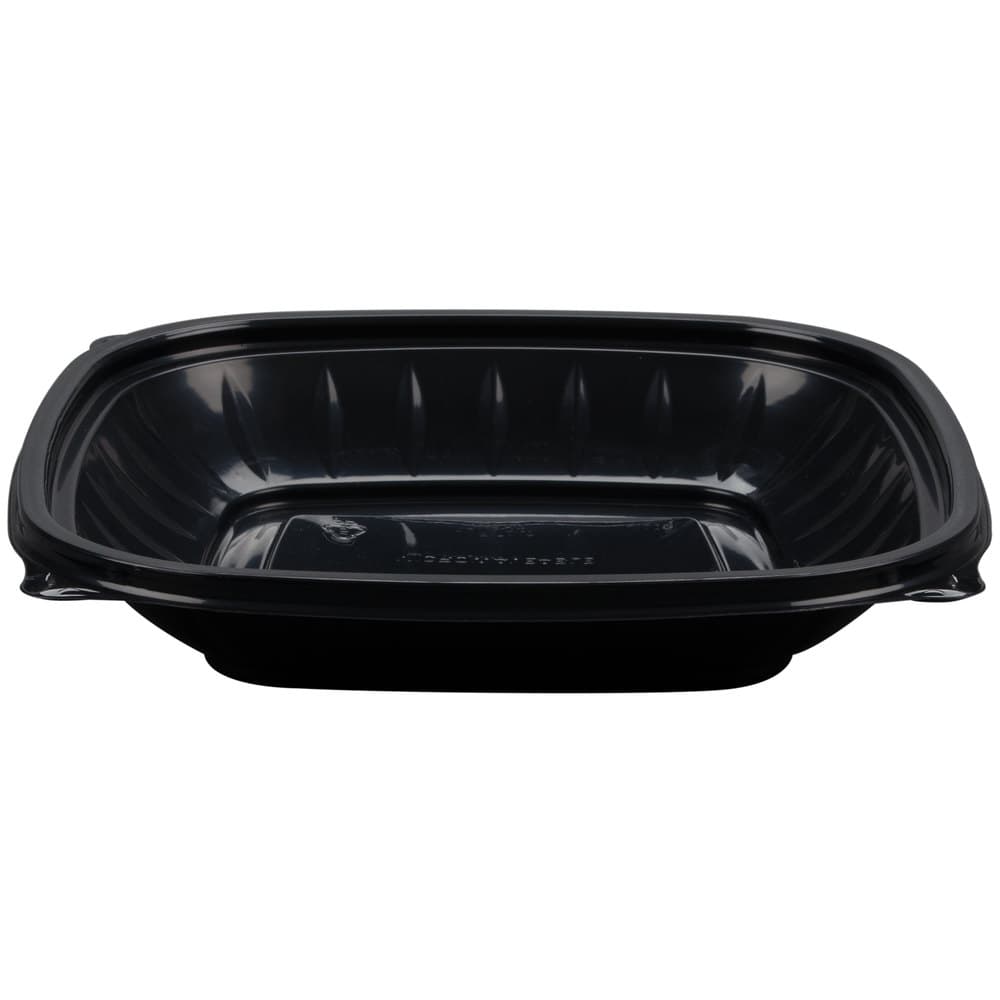
Buffet and action station setups rely on pre-staged catering supplies including trays, platters, pans, and serving bowls — all positioned and ready before guests approach the line. Having the right quantities staged in advance is the difference between smooth service and mid-event scrambling.
Mise en Place and Food Safety
Organized mise en place workstations reduce cross-contamination risk and support food temperature control compliance. Designated zones for raw and ready-to-eat items, clean utensil placement, and pre-labeled prep containers all align with ServSafe food safety protocols. The discipline of mise en place and the discipline of food safety reinforce each other — a disorganized station is both a service liability and a safety risk.
Common Uses
Department & Usage: Mise en place is used across the Food & Beverage department, including hotel kitchens, banquet operations, catering teams, and front-of-house service. In the kitchen, it governs how cooks organize and prep their stations before each shift. In FOH and catering, it covers table setting, station stocking, rollup preparation, and serviceware staging. In large-scale banquet and catering events, mise en place planning begins with the confirmed cover count and is verified by a line check before service opens. Pre-shift briefings and opening duty checklists are the primary operational tools for managing and documenting mise en place completion.
Sustainability
Effective mise en place in catering directly reduces food waste — by determining accurate prep quantities in advance, teams avoid over-preparation and the food loss that comes with it. Pre-planned mise en place also supports sustainable serviceware deployment: staff stage the correct quantity of compostable plates, cutlery, and containers without over-ordering. For off-premise catering, thoughtful mise en place staging prioritizes reusable servingware and limits single-use disposable deployment to where it's operationally necessary. Learn more about sustainable catering materials in Sustainable Packaging Technologies: Driving Environmental Responsibility and Operational Efficiency.
Related Products