
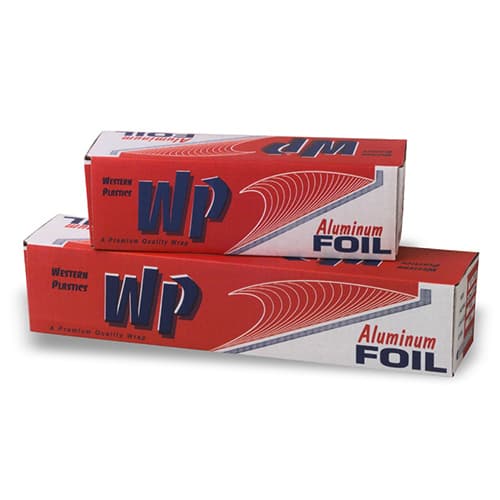
Western Plastics Premium 12" X 1000' Standard Aluminum Foil Roll, 1 Ct.
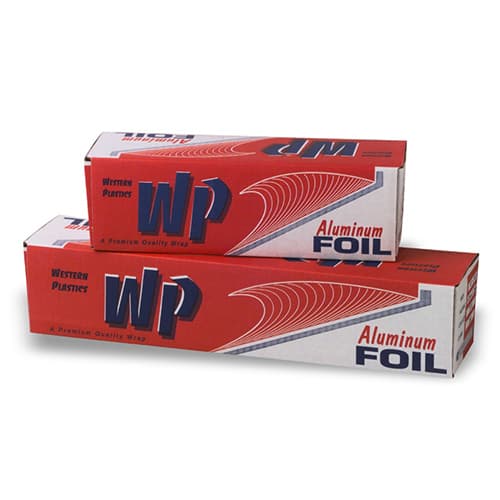
Western Plastics Premium 12" X 500' Heavy Duty Aluminum Foil Roll, 1 Ct.
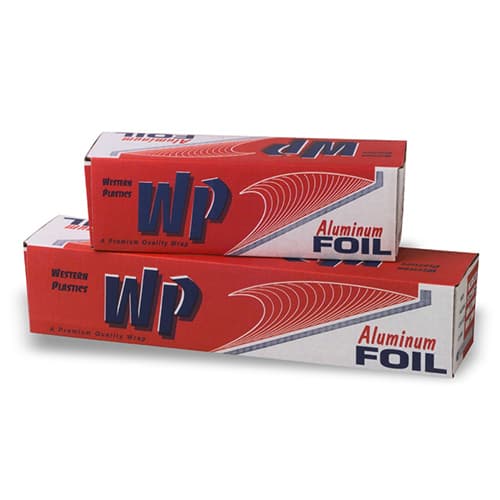
Western Plastics Premium 18" X 1000' Heavy Duty Aluminum Foil Roll, 1 Ct.
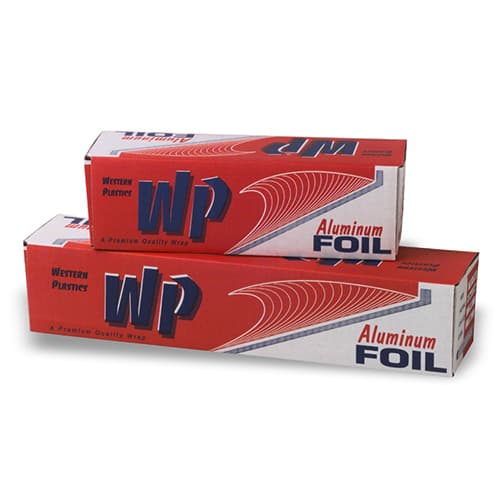
Western Plastics Premium 18" X 1000' Standard Aluminum Foil Roll, 1 Ct.
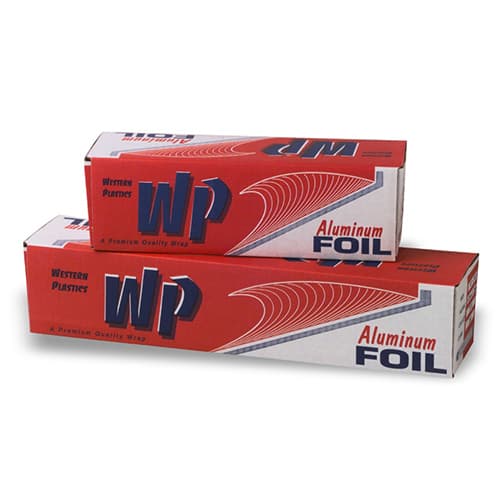
Western Plastics Premium 18" X 500' Extra Heavy Duty Aluminum Foil Roll, 1 Ct.
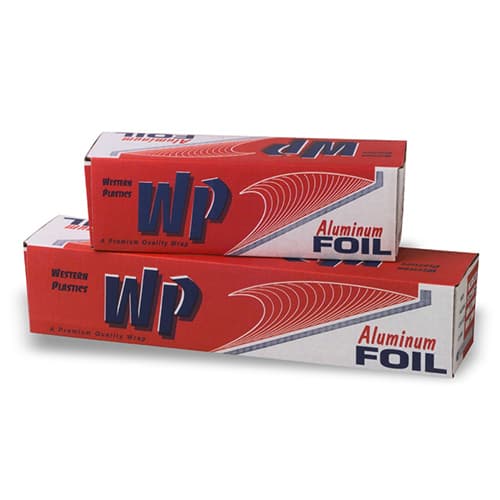
Western Plastics Premium 18" X 500' Heavy Duty Aluminum Foil Roll, 1 Ct.
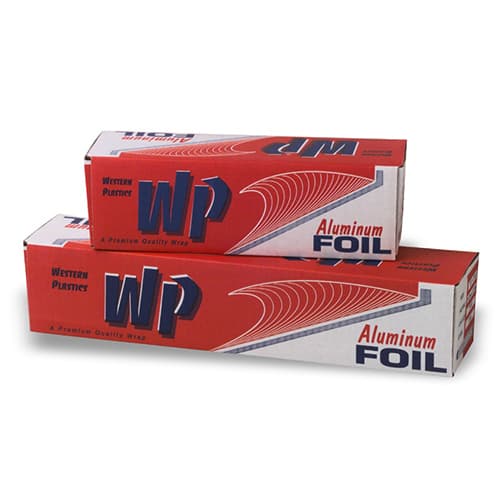
Western Plastics Premium 18" X 500' Standard Aluminum Foil Roll, 1 Ct.
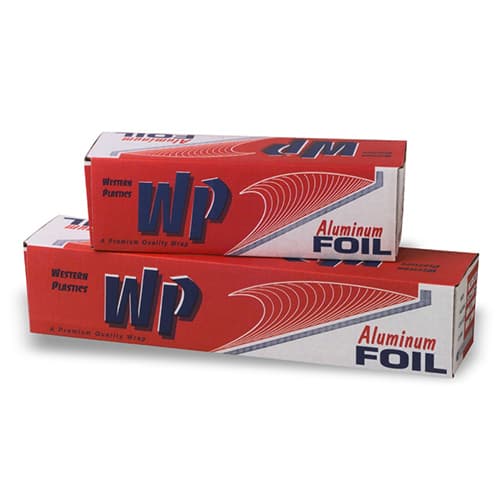
Western Plastics Premium 24" X 500' Extra Heavy Duty Aluminum Foil Roll, 1 Ct.
About Aluminum
Aluminum is the workhorse material for foodservice operations that need reliable heat transfer, freezer-to-oven versatility, and full recyclability. Restaurants, caterers, hotels, food trucks, and commissary kitchens rely on aluminum foil rolls, take-out pans, and steam table containers for cooking, holding, transporting, and storing hot and cold foods. Its conductivity and durability make it essential for high-volume operations.
What it handles
Aluminum is oven safe and freezer safe, making it suitable for cooking, reheating, and long-term cold storage. It conducts heat efficiently, withstands high temperatures without warping, and forms an effective moisture and grease barrier. It is not microwave safe due to metal's interaction with microwave energy.
How it compares
Compared to plastic containers, aluminum offers superior heat resistance and oven compatibility but cannot be microwaved. Unlike paperboard, aluminum provides a complete moisture and grease barrier and reusable structure. The tradeoff is that aluminum is heavier and not compostable, though it is fully recyclable where facilities exist.
Choosing Aluminum
Match the gauge and format to your kitchen workflow.
- Gauge for the task: Standard weight foil works for wrapping and short-term coverage, while heavy and extra heavy duty gauges are necessary for structural pans, high-heat roasting, and transport that requires rigidity.
- Roll vs. pre-cut: Foil rolls offer flexibility for custom wrapping and portion sizes, while pop-up sheets and pre-formed pans speed up high-volume service and reduce waste from over-cutting.
- Pan depth and capacity: Shallow oblong pans suit entrees and sides for catering, while deeper round pans work for soups, stews, and bulk portioning.
- Lid compatibility: Check whether your take-out pans require board or foil lids for stacking, transport, and customer presentation.
- Recycling logistics: Aluminum is recyclable, but foodservice operations should confirm local facilities accept foil and pans, and establish protocols for rinsing or separating contaminated items.
Frequently asked questions
- Is Aluminum microwave safe?
- No, aluminum is not microwave safe. Metal reflects microwave energy and can cause sparking or damage to the microwave.
- Is Aluminum compostable?
- No, aluminum is not compostable. It is a metal and does not break down in composting systems, but it is fully recyclable.
- Can aluminum go in the oven?
- Yes, aluminum is oven safe and withstands high temperatures, making it ideal for roasting, baking, and reheating. It conducts heat efficiently and will not melt or warp under typical cooking conditions.
- What is aluminum foil made from?
- Aluminum foil and pans are made from thin sheets of aluminum metal, which is rolled or stamped into various thicknesses and shapes. The material is derived from bauxite ore and processed into pure aluminum.
- Can aluminum packaging be frozen?
- Yes, aluminum is freezer safe and performs well in long-term cold storage. It protects food from freezer burn and maintains structural integrity at sub-zero temperatures.
- Is aluminum packaging recyclable?
- Yes, aluminum is recyclable and can be reprocessed indefinitely without loss of quality. Foodservice operations should rinse pans and foil to remove food residue before recycling, and confirm that local facilities accept aluminum packaging.