
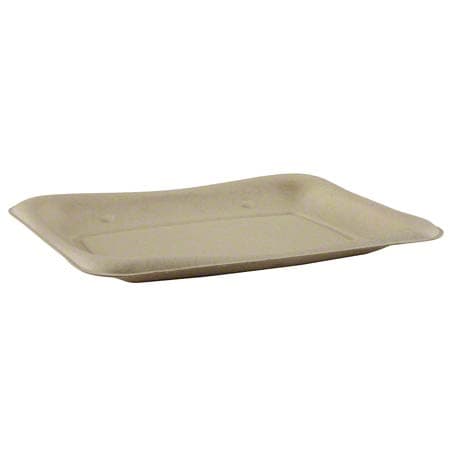
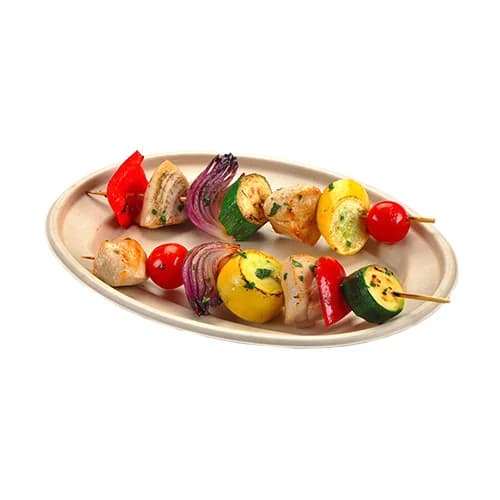
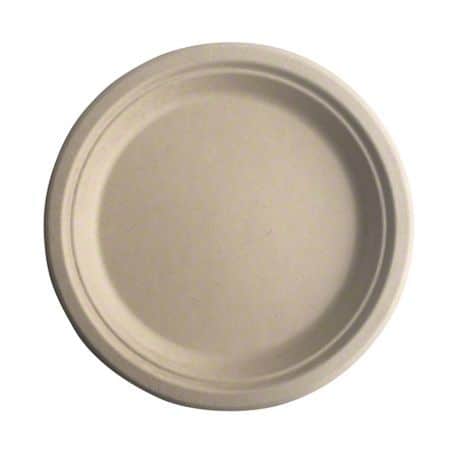
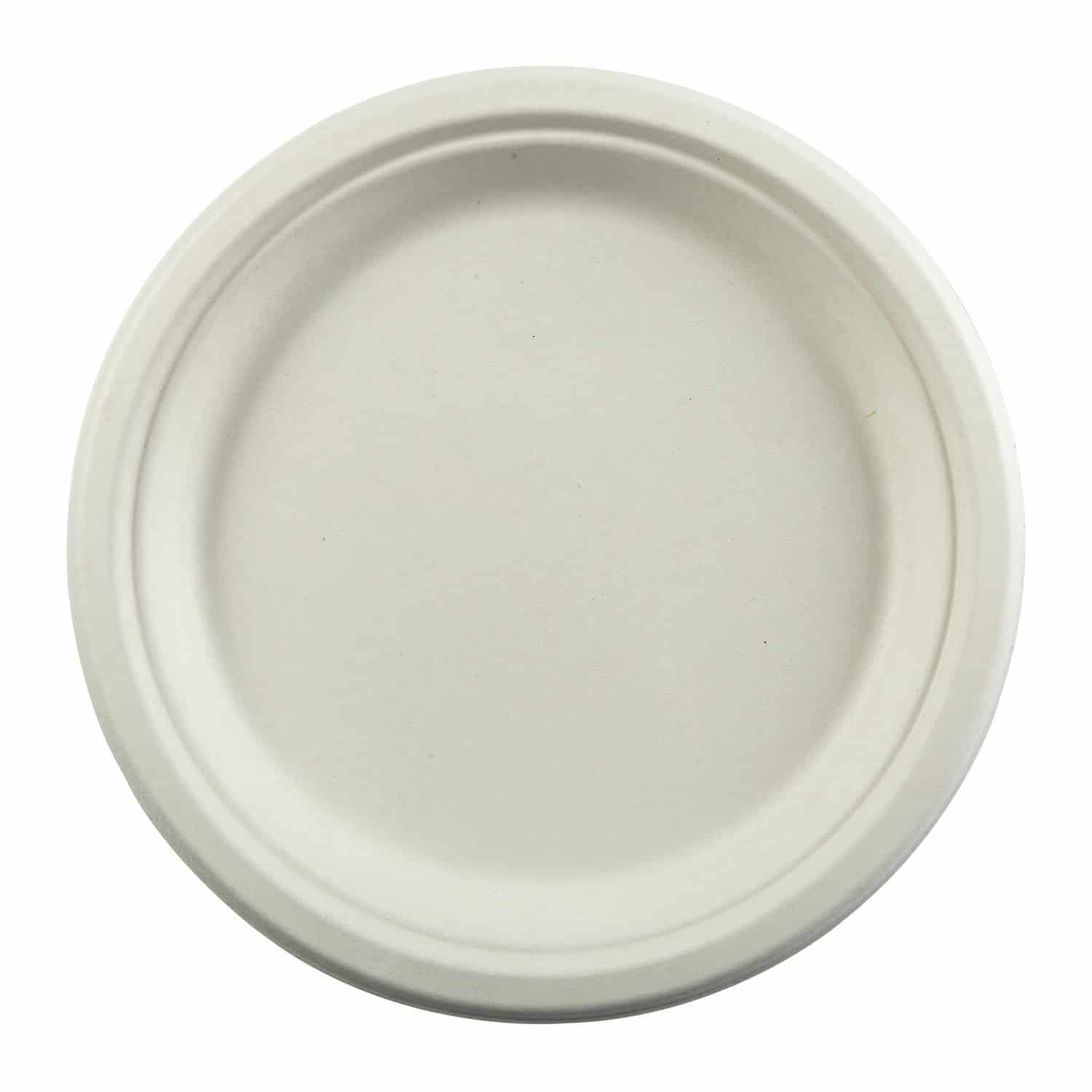
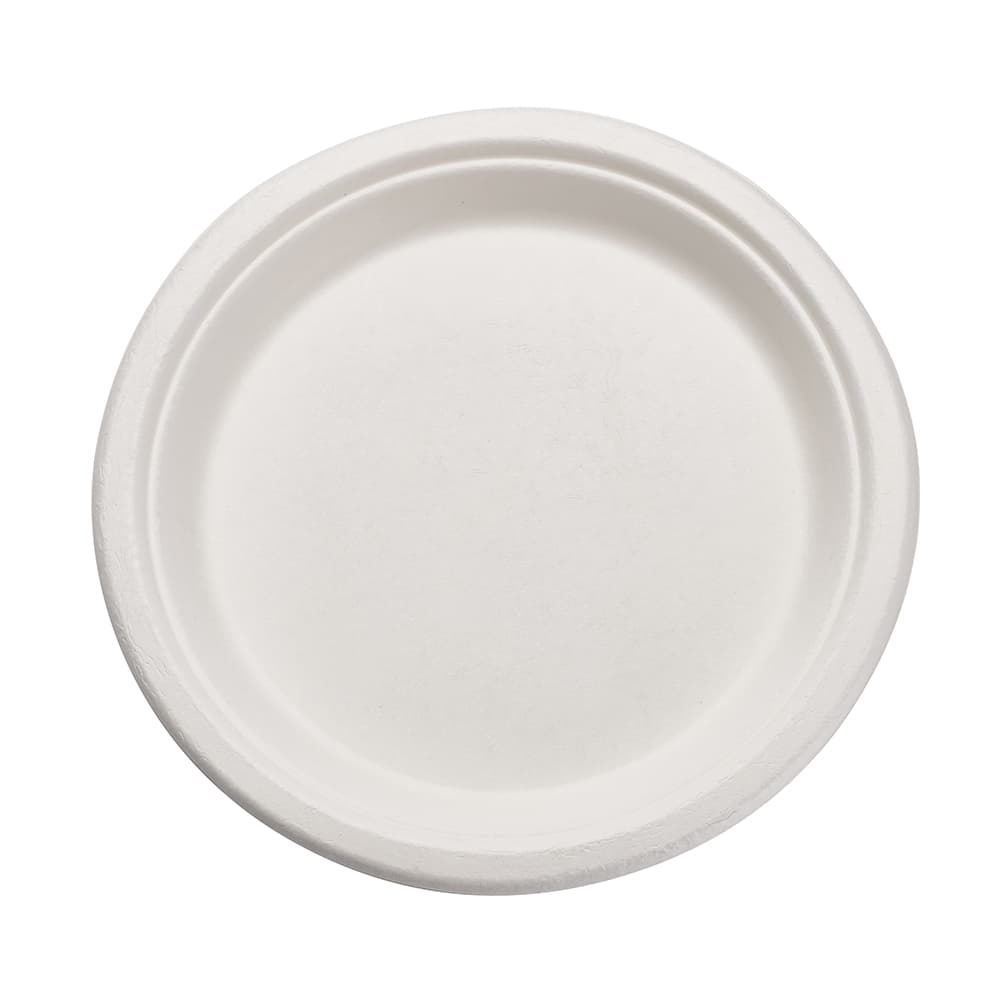
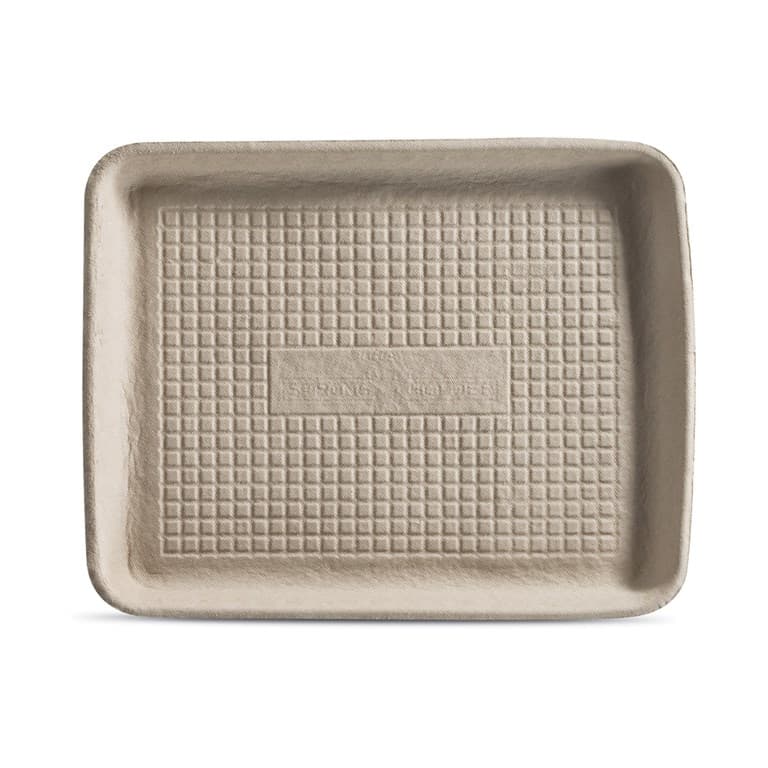
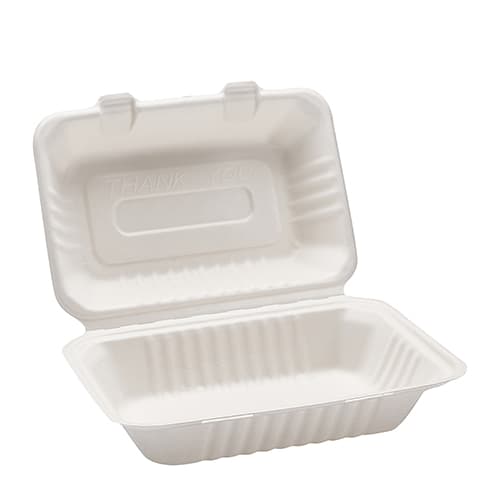
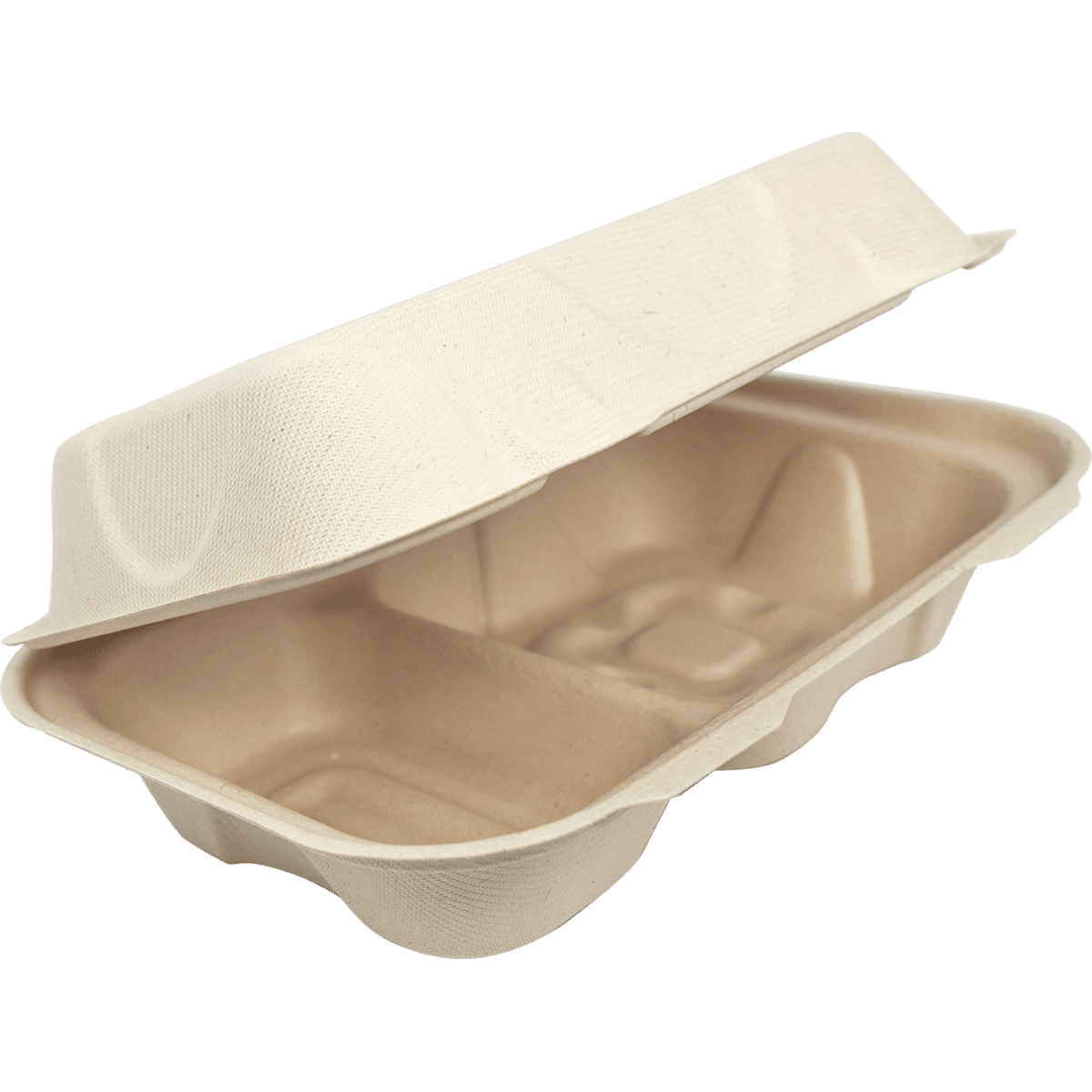
9" x 6" x 3" Fiber Clamshell, 2-Compartment
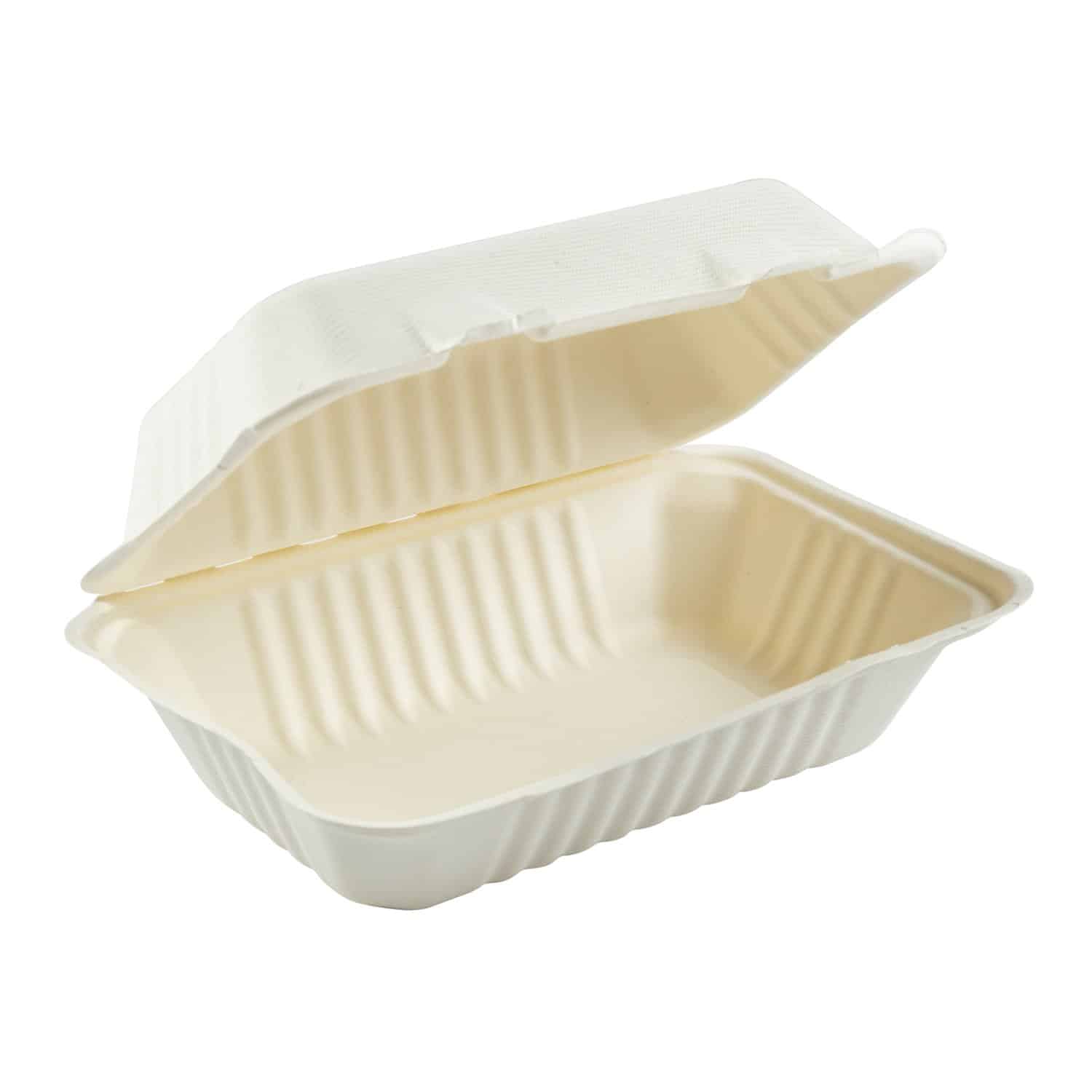
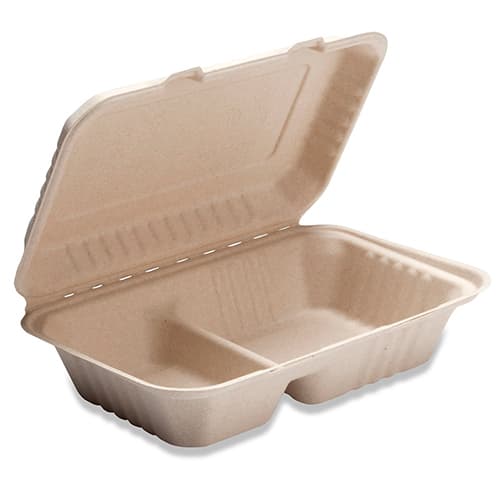
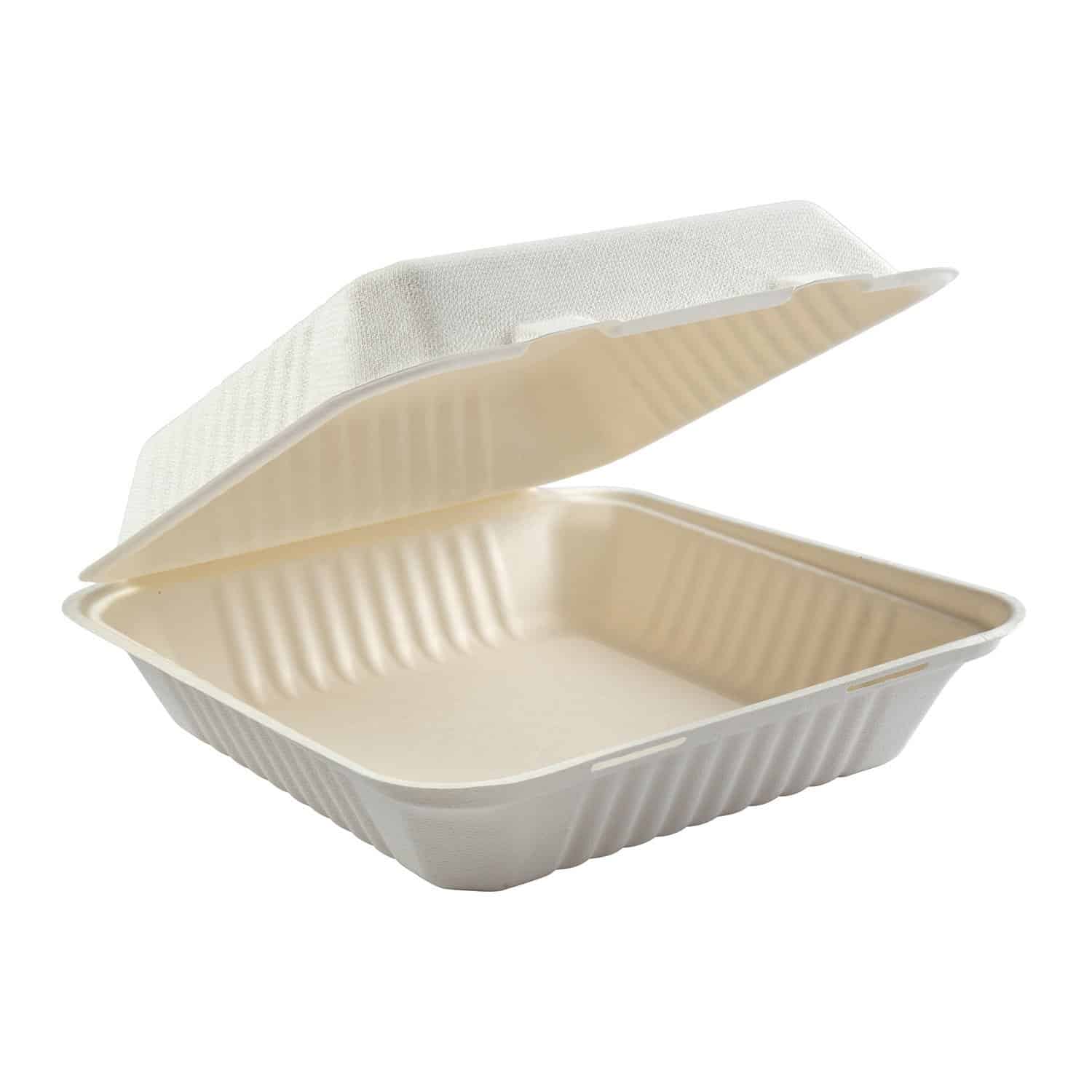
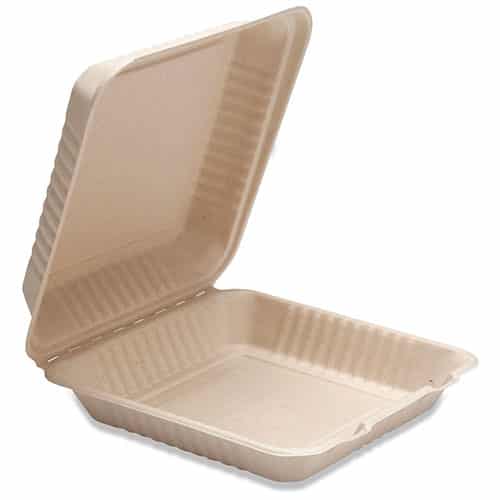
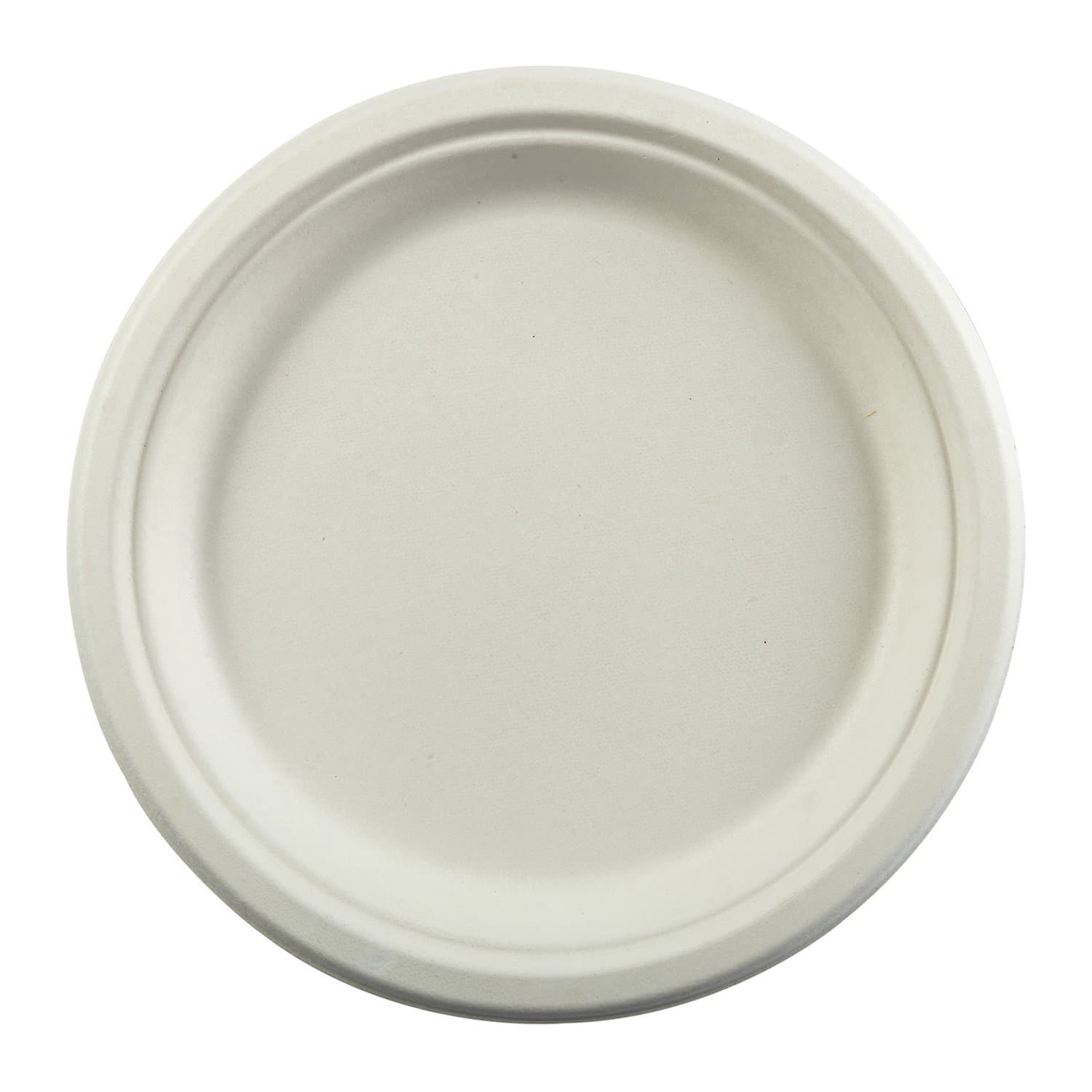
9" x 9" x 3" Fiber Clamshell, 1-Compartment
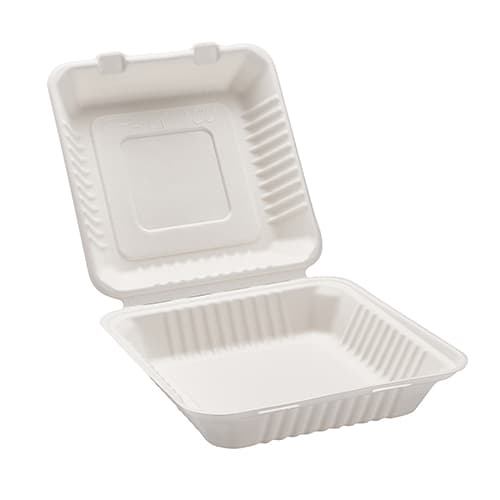
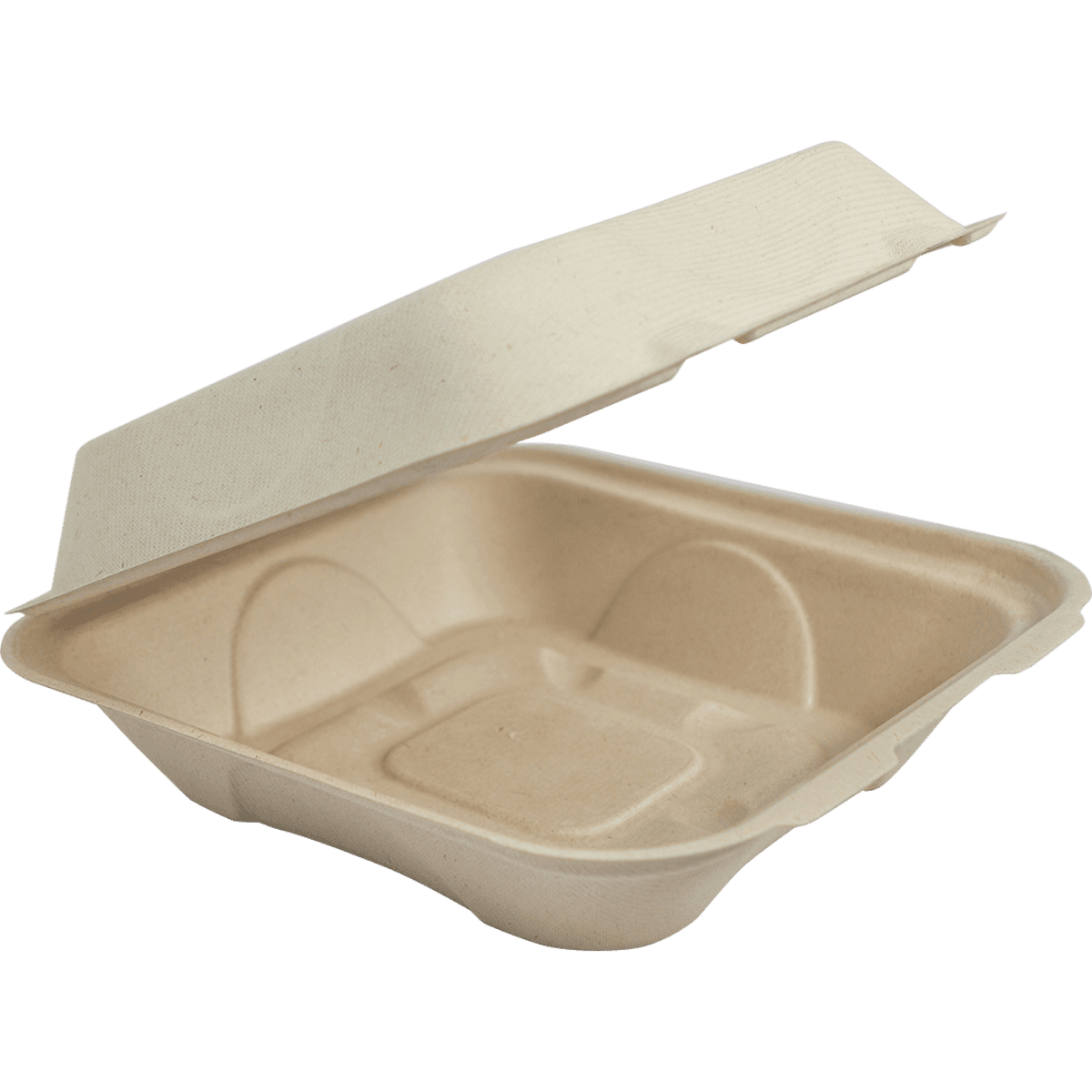
9" x 9" x 3" Fiber Clamshell, 1-Compartment
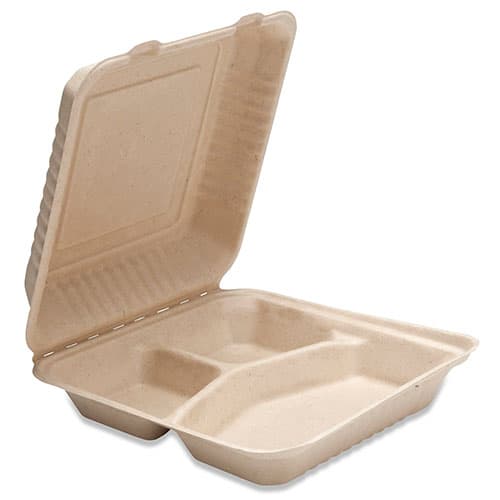
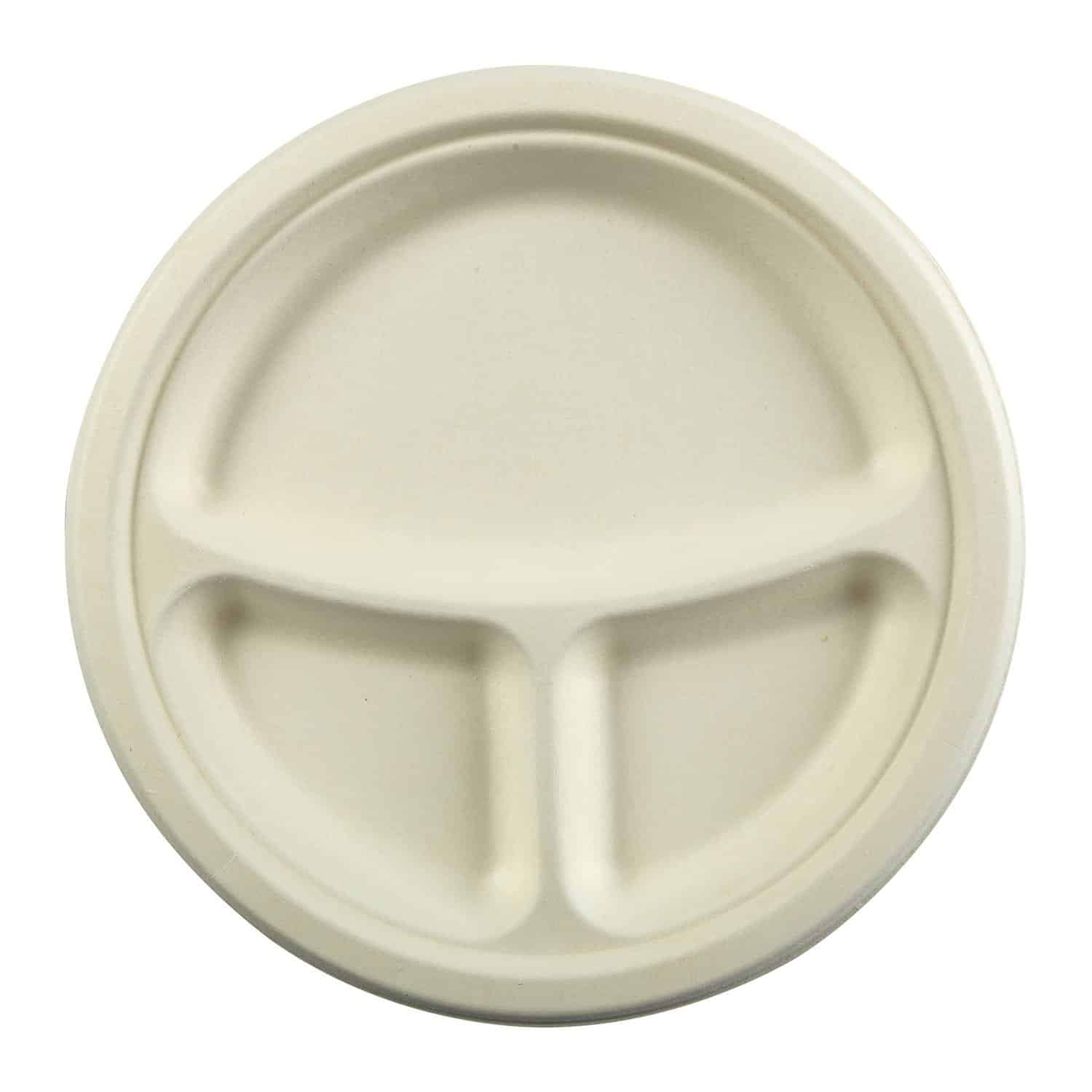
9" x 9" x 3" Fiber Clamshell, 3-Compartment
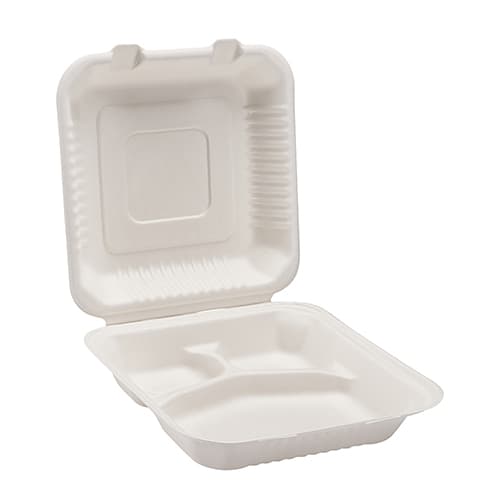
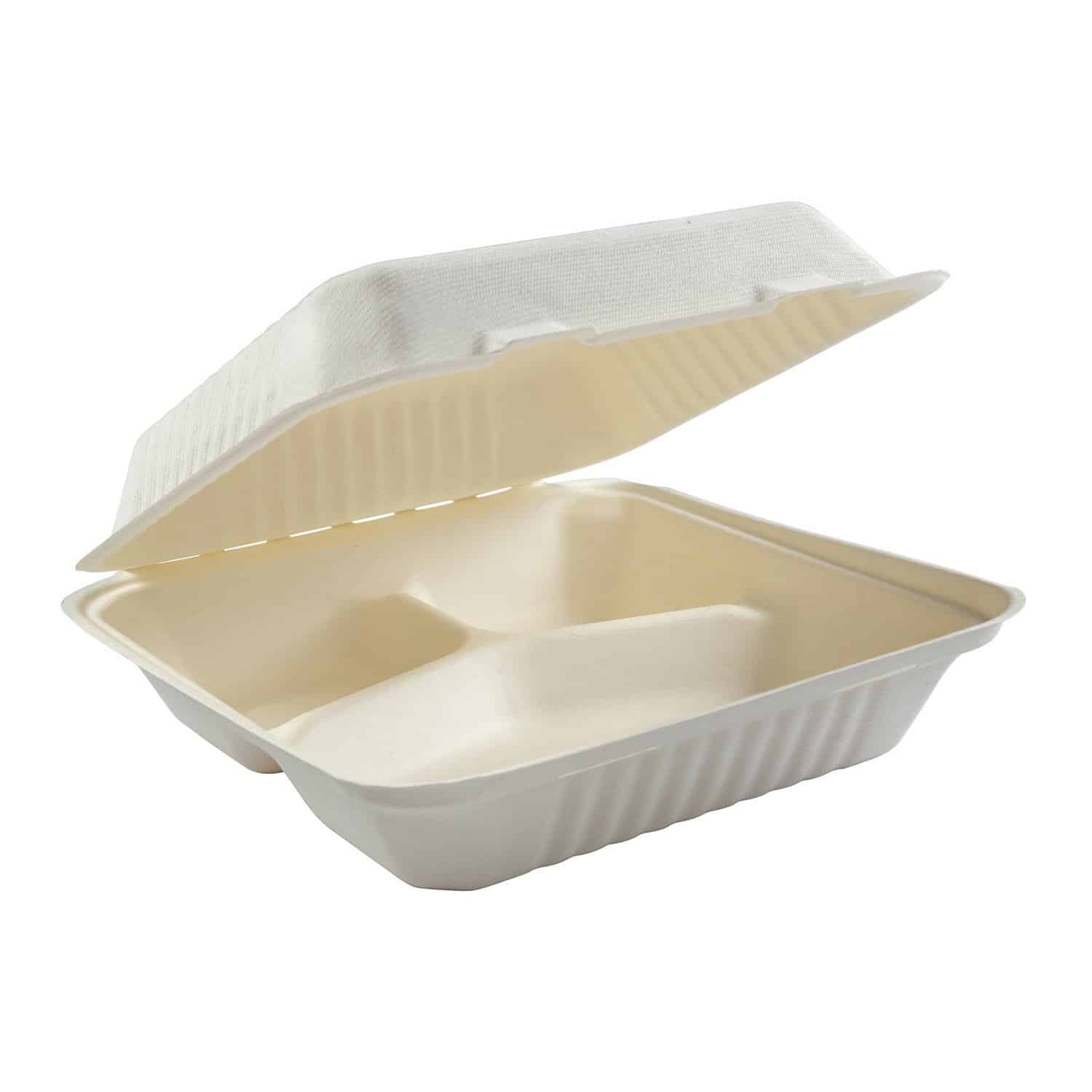
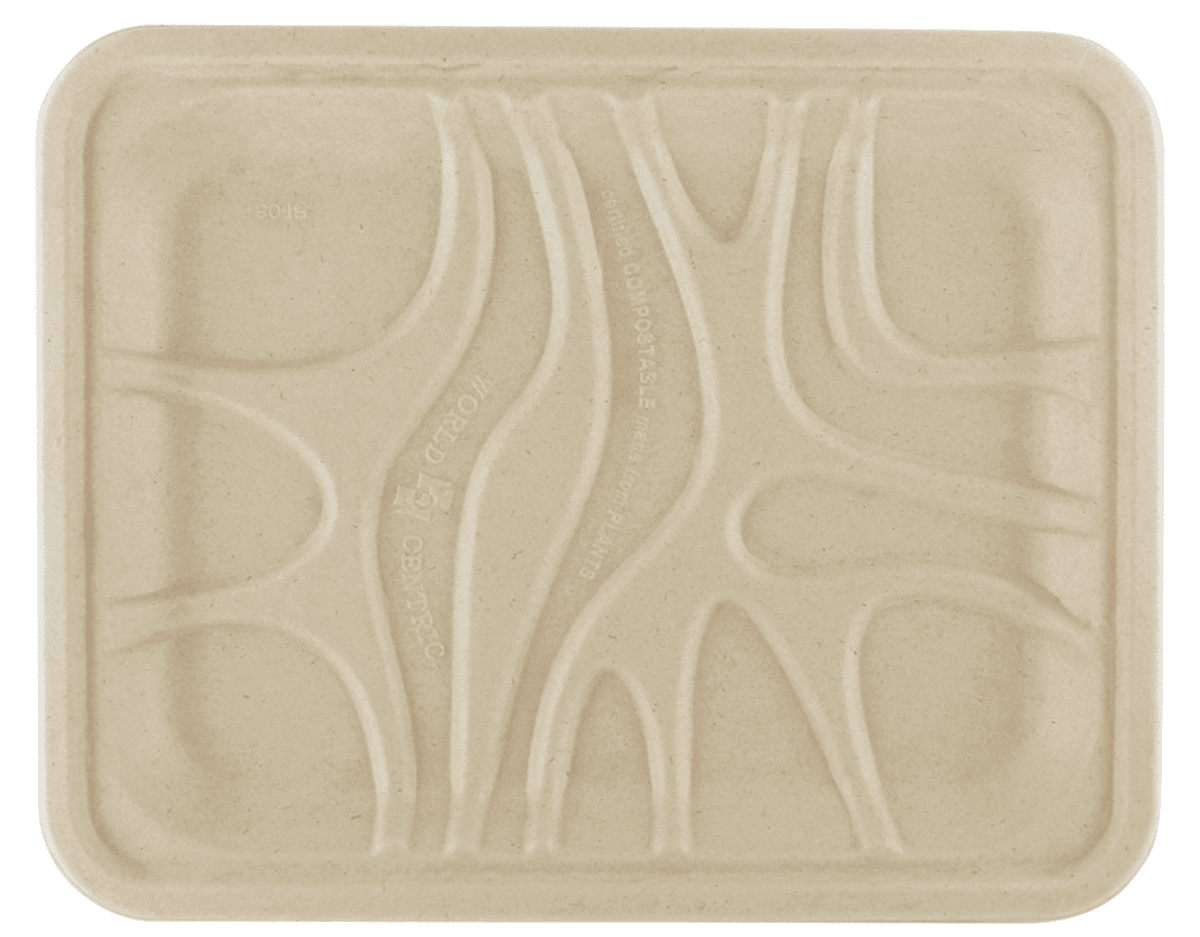
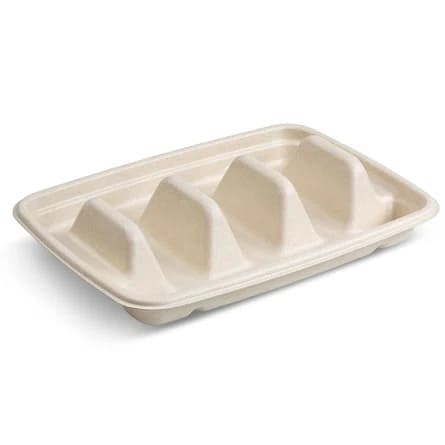
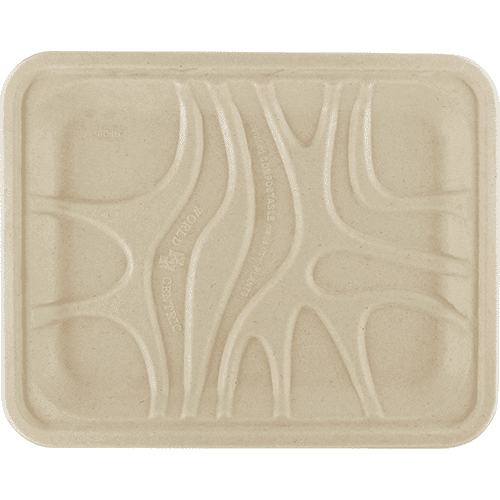
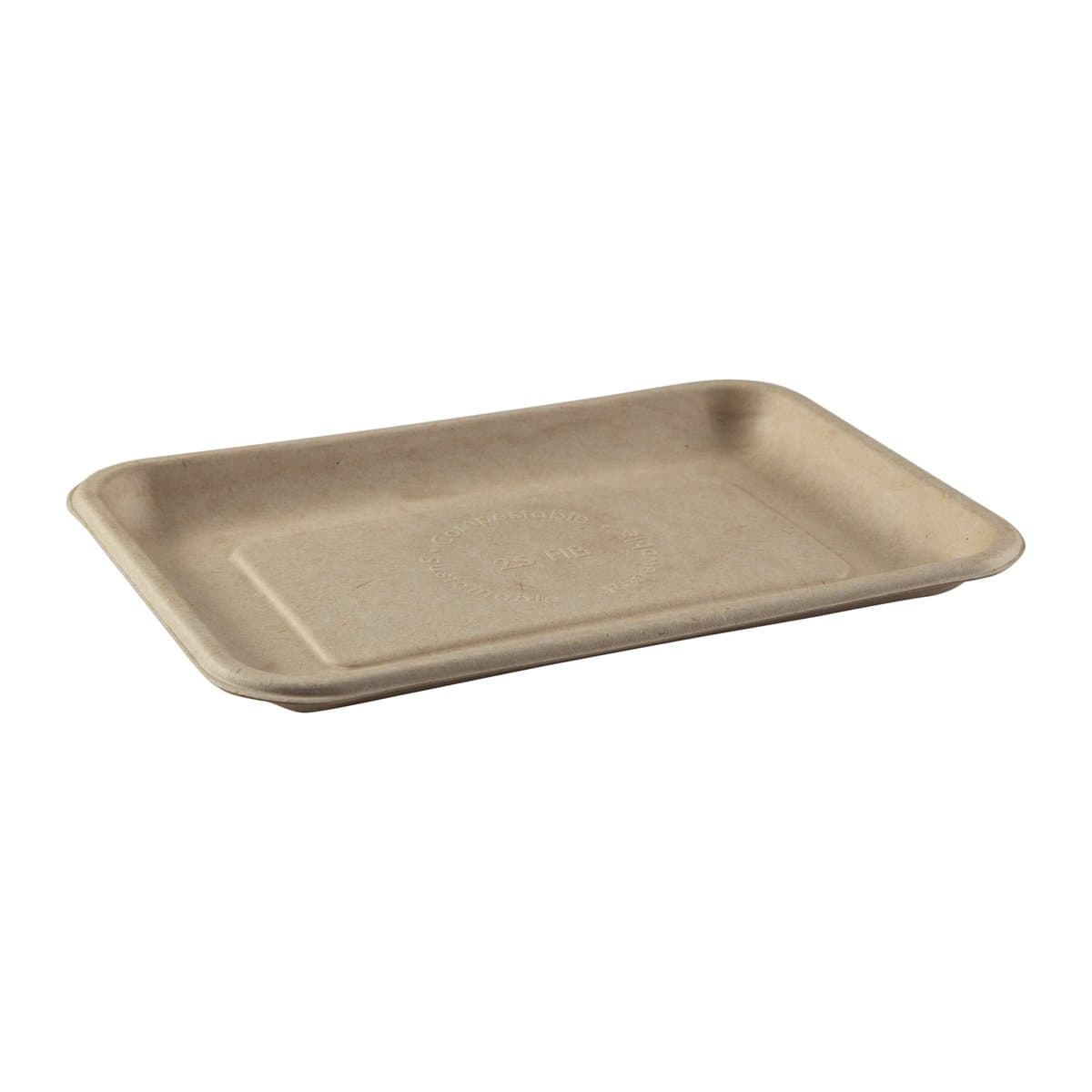
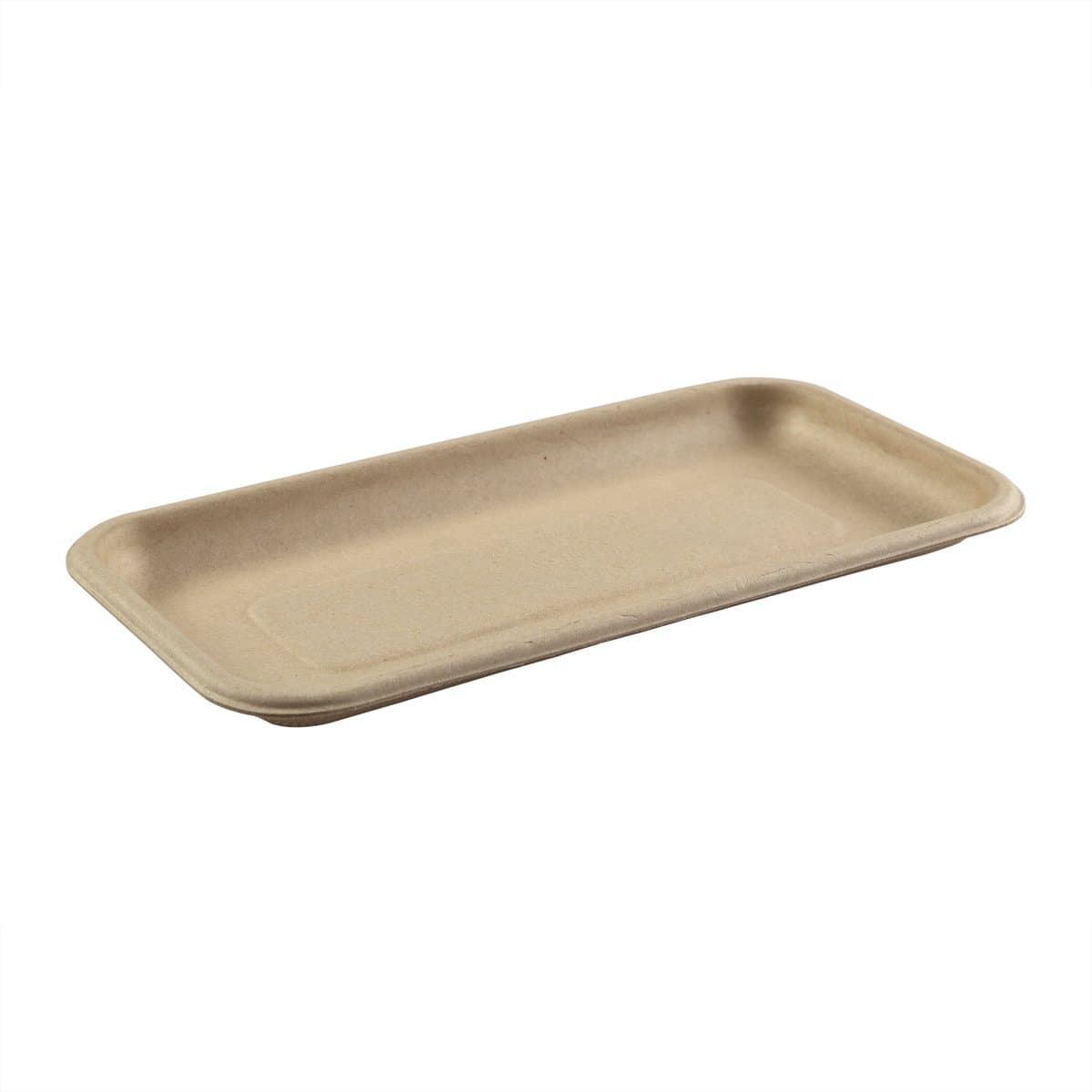
About Bagasse Fiber
Bagasse fiber packaging serves hot and cold foods across restaurants, catering operations, food trucks, and takeout-focused establishments. This plant-based material handles everything from greasy entrées to cold salads, making it a versatile choice for operators seeking compostable serviceware without sacrificing performance.
What it handles
Bagasse fiber is microwave safe and freezer safe, with oven use limited to reheating rather than cooking. It manages moderate grease and moisture well, though prolonged exposure to liquids can soften the material. The rigid molded structure holds up under typical plating and transport conditions for hot and cold menu items.
How it compares
Compared to plastic clamshells and bowls, bagasse fiber offers compostability and a natural aesthetic but with less moisture resistance over extended hold times. It costs more per unit than conventional plastic but qualifies for compostable waste streams where available. For operators prioritizing sustainability credentials and natural presentation, bagasse fiber delivers functional performance with end-of-life advantages that plastic cannot match.
Choosing Bagasse Fiber
Match the container style and size to your menu application and hold time requirements.
- Match to hold time: Use bagasse fiber for items served within 30-45 minutes, as prolonged contact with wet or greasy foods can compromise rigidity.
- Size for the menu: Choose bowls for saucy dishes and trays or clamshells for drier items like sandwiches, grilled proteins, and sides.
- Check local composting: Confirm your waste hauler accepts compostable serviceware before switching, as bagasse fiber requires commercial composting facilities to break down properly.
- Reheat, don't cook: Use oven settings only for warming pre-cooked food, not for baking or cooking raw ingredients, to stay within the material's safe temperature range.
- Consider visual appeal: Bagasse fiber's natural tan color and textured finish appeal to customers seeking eco-conscious dining experiences and work well for rustic or farm-to-table presentations.
Frequently asked questions
- Is Bagasse Fiber microwave safe?
- Yes, bagasse fiber is microwave safe and suitable for reheating food. It withstands microwave temperatures without melting or releasing harmful substances.
- Is Bagasse Fiber compostable?
- Yes, bagasse fiber is compostable in commercial composting facilities. It breaks down into organic matter when processed under the right conditions, making it a sustainable alternative to plastic packaging.
- Can you put Bagasse Fiber in the oven?
- Bagasse fiber is oven safe for reheating only, not for cooking. Use it to warm pre-cooked food at moderate temperatures, but avoid using it for baking or cooking raw ingredients.
- What is Bagasse Fiber made from?
- Bagasse fiber is made from sugarcane pulp, the fibrous material left after juice extraction. This agricultural byproduct is molded into rigid packaging that performs comparably to plastic or paper alternatives.
- Is Bagasse Fiber recyclable?
- Yes, bagasse fiber is recyclable, though composting is the preferred end-of-life pathway. Check with your local recycling facility, as acceptance varies by region and contamination level.
- How does Bagasse Fiber handle grease and liquids?
- Bagasse fiber manages moderate grease and moisture effectively for typical service durations. Extended exposure to liquids or heavy sauces can soften the material, so it works best for items served and consumed within 30-45 minutes.