
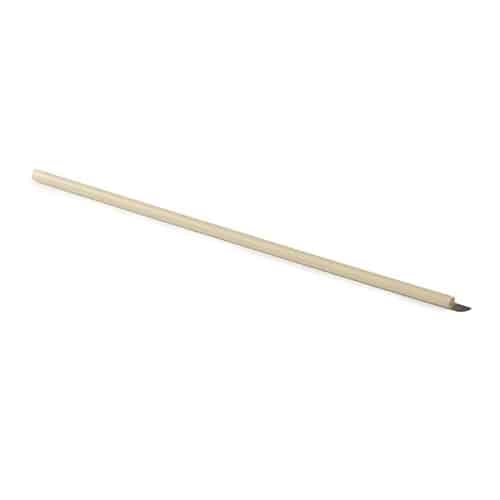
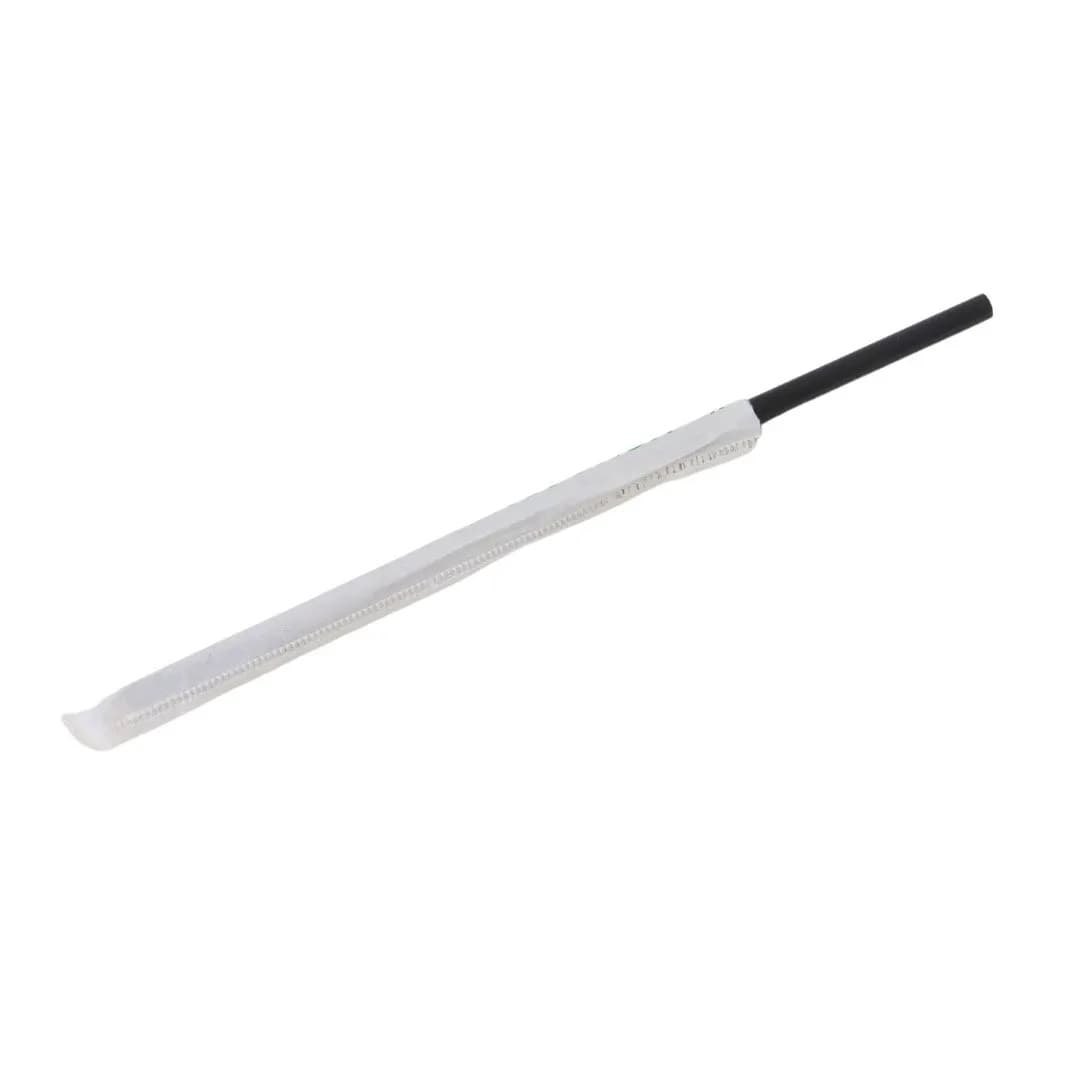
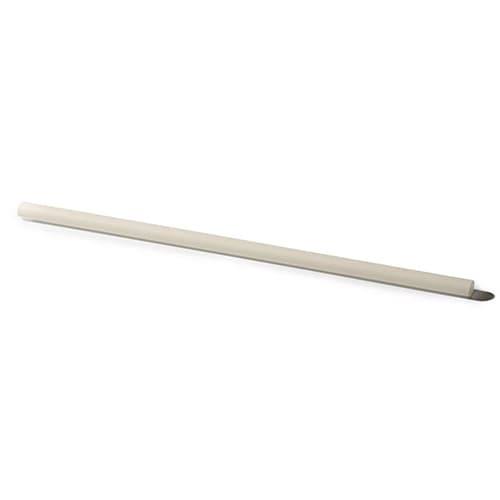
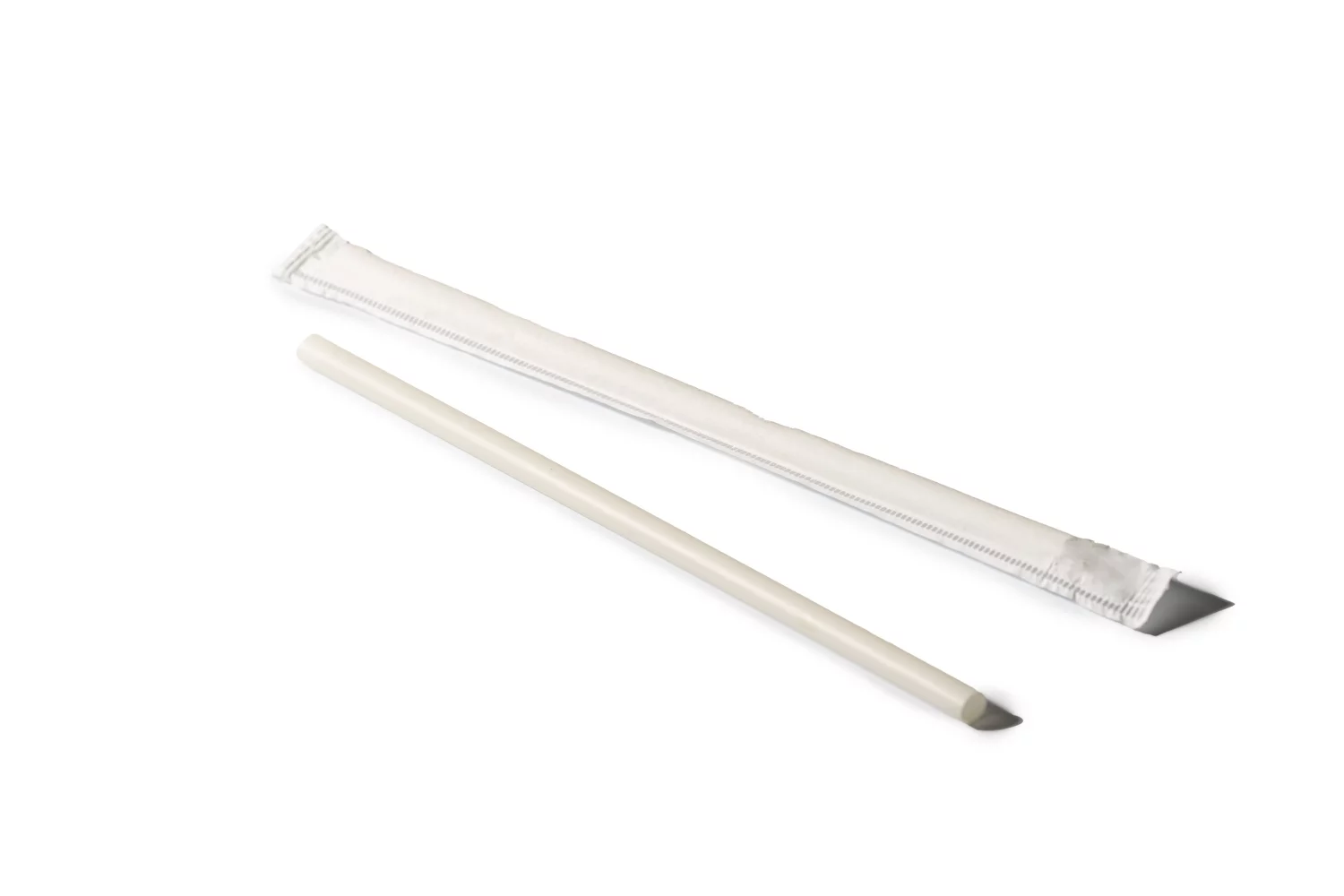
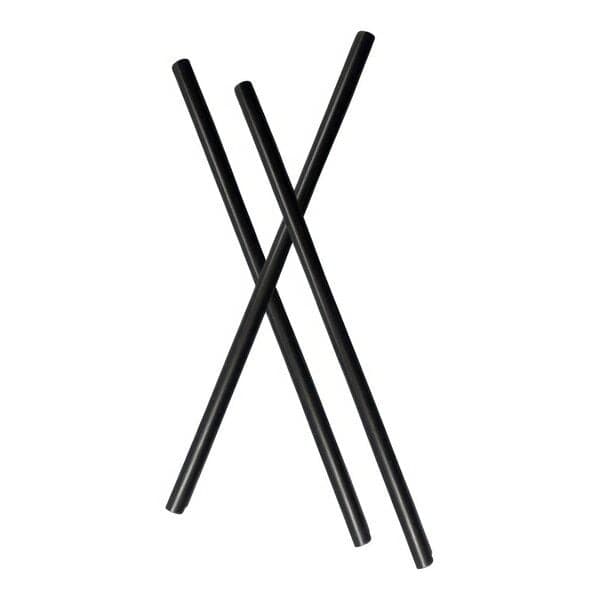
About Bioplastic - PHA
Bioplastic - PHA is a marine-biodegradable alternative to petroleum-based plastics, commonly used for straws, stirrers, and cold-to-warm serving accessories in foodservice. Restaurants, coffee shops, caterers, and bars choose PHA when they need disposables that perform like conventional plastic but break down in commercial composting facilities.
What it handles
PHA bioplastic is microwave safe and freezer safe, making it suitable for cold beverages, frozen desserts, and reheating applications up to moderate temperatures. It is not oven safe and should not be exposed to high heat above 140°F for extended periods. The material resists moisture and light oils effectively, maintaining structural integrity throughout typical drink service.
How it compares
Compared to polypropylene (PP) straws and stirrers, PHA offers full compostability and recyclability while delivering similar rigidity and clarity. The tradeoff is cost: PHA bioplastic typically runs 30-50% higher than conventional plastic alternatives. For operations prioritizing waste diversion and sustainability messaging, PHA bridges the gap between performance and environmental responsibility better than paper or PLA options.
Choosing Bioplastic - PHA
Consider these factors when selecting PHA products for your operation.
- Match straw length to glassware: Use 5.75" cocktail straws for lowball glasses and martinis, 7.75" straws for highballs, pints, and standard tumblers.
- Wrapped vs. unwrapped: Choose wrapped straws for front-of-house self-service stations and unwrapped for behind-the-bar efficiency and reduced packaging waste.
- Color for brand consistency: Black PHA straws suit craft cocktails and upscale presentations, while white works for high-volume casual service and lighter-colored beverages.
- Temperature limits: Reserve PHA for cold drinks, smoothies, and microwave reheating only—switch to CPLA or wood for hot coffee and tea service above 140°F.
- Composting infrastructure: Confirm your waste hauler accepts compostable plastics before committing to PHA, as it requires commercial composting facilities to break down properly.
Frequently asked questions
- Is Bioplastic - PHA microwave safe?
- Yes, PHA bioplastic is microwave safe for reheating food and beverages at typical microwave power levels. It will not melt or leach under standard reheating conditions.
- Is Bioplastic - PHA compostable?
- Yes, PHA is fully compostable in commercial composting facilities where it breaks down into natural biomass, water, and CO2. It will not compost effectively in home compost bins or landfills without the heat and microbial activity of industrial systems.
- Can PHA bioplastic go in the oven?
- No, PHA is not oven safe and will soften or deform at sustained temperatures above 140°F. For oven or heat lamp applications, choose materials rated for high-temperature use.
- What is PHA bioplastic made from?
- PHA (polyhydroxyalkanoates) is produced by microbial fermentation of plant-based sugars or oils, creating a biopolymer that is fully biodegradable. For detailed information on production and chemistry, see the PHA biopolymer guide linked on this page.
- Can PHA products be recycled?
- Yes, PHA bioplastic is technically recyclable, though it should be kept separate from petroleum-based plastic recycling streams. Composting remains the preferred end-of-life path for maximum environmental benefit.
- Does PHA hold up in frozen drinks?
- Yes, PHA is freezer safe and maintains its structure in frozen cocktails, slushies, and blended beverages without cracking or becoming brittle. It performs comparably to conventional plastic straws in sub-zero temperatures.