

About Latex
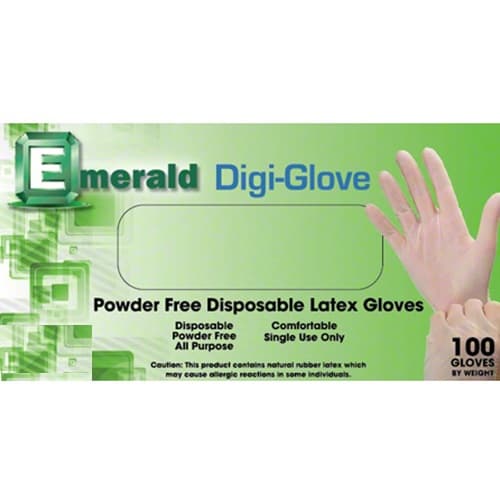
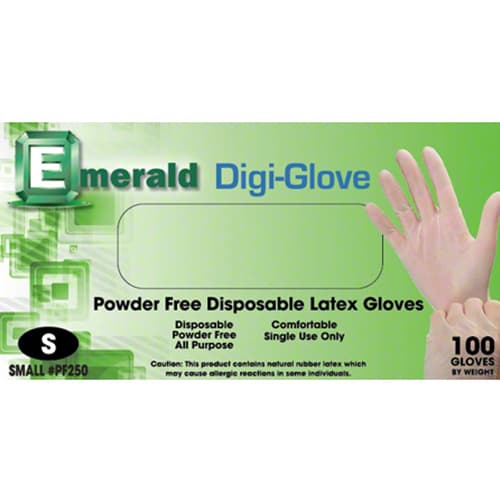
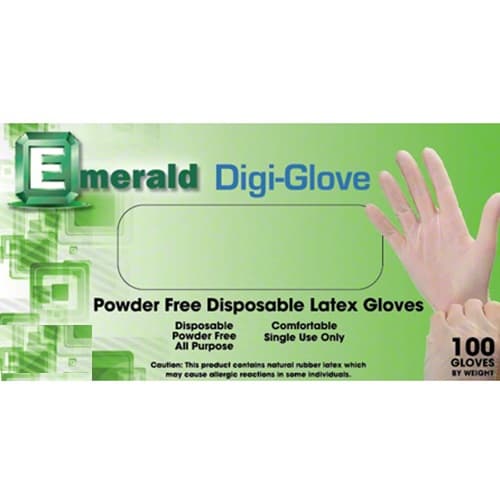
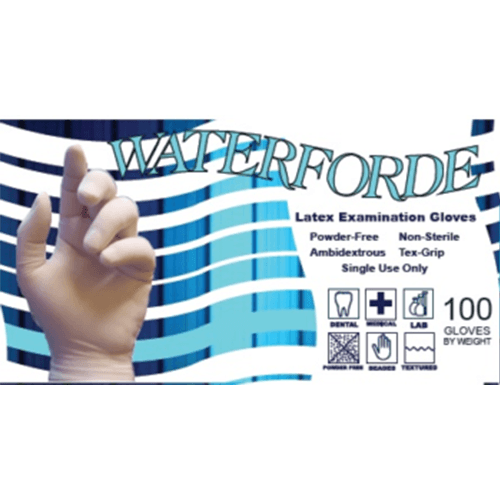
Latex is a natural rubber material widely used for disposable gloves in commercial kitchens, hospitals, catering operations, and food preparation facilities. Restaurants, bars, hotels, and institutional foodservice operations rely on latex gloves for their elasticity, tactile sensitivity, and barrier protection during food handling and sanitation tasks. Its flexible fit and durability make it a go-to choice for high-volume foodservice environments where hand protection is essential.
What it handles
Latex gloves perform well in freezer environments and provide reliable barrier protection against moisture and light contaminants during cold food prep and storage tasks. They are not suitable for microwave or oven use, as the material degrades under heat exposure. The material offers excellent elasticity and puncture resistance for general food handling, cleaning, and sanitation work in ambient to cold temperature ranges.
How it compares
Compared to nitrile gloves, latex offers superior elasticity and tactile sensitivity at a typically lower cost point, making it ideal for tasks requiring dexterity and touch sensitivity. However, latex cannot be used by individuals with latex allergies, which limits its application in some foodservice settings where nitrile becomes the necessary alternative. Vinyl gloves are cheaper but lack the durability and fit that latex provides for demanding kitchen tasks.
Choosing Latex
Consider these factors when selecting latex products for your foodservice operation.
- Allergy awareness: Confirm that your staff and potential customers do not have latex allergies before committing to latex gloves as your primary hand protection.
- Powder-free preferred: Powder-free latex gloves reduce the risk of food contamination and are better suited for direct food contact applications.
- Size accuracy: Properly fitted gloves reduce hand fatigue and improve dexterity during extended food prep shifts, so stock multiple sizes for your team.
- Storage conditions: Store latex gloves in cool, dry locations away from direct sunlight and heat sources to maintain their elasticity and shelf life.
- Task matching: Reserve latex for cold food prep, dishwashing, and general cleaning tasks, and use heat-resistant materials for any hot food handling.
Frequently asked questions
- Is Latex microwave safe?
- No, latex is not microwave safe. The material will degrade, melt, and potentially release harmful substances when exposed to microwave heat, so never use latex gloves or products in microwave applications.
- Is Latex compostable?
- No, latex gloves and foodservice products are not compostable. While natural rubber latex is derived from tree sap, the processed gloves contain additives and undergo manufacturing treatments that prevent them from breaking down in commercial composting facilities.
- Can Latex gloves be used in ovens or with hot food?
- No, latex is not oven safe and should not be used for handling hot food directly from ovens, grills, or fryers. The material will melt and degrade at high temperatures, creating safety hazards and potential contamination risks.
- What is Latex made from?
- Latex is made from natural rubber harvested from the sap of rubber trees, primarily Hevea brasiliensis. The raw latex is processed with stabilizers, accelerators, and other compounds to create the durable, elastic material used in disposable gloves.
- Can Latex products be recycled?
- No, latex gloves and foodservice products are not recyclable through standard municipal recycling programs. Used latex gloves are considered contaminated waste in foodservice settings and should be disposed of in regular trash.
- Are Latex gloves safe for freezer use?
- Yes, latex gloves are freezer safe and maintain their flexibility and barrier protection in cold storage environments. They are well-suited for tasks involving frozen food handling, walk-in freezer work, and cold food preparation.