
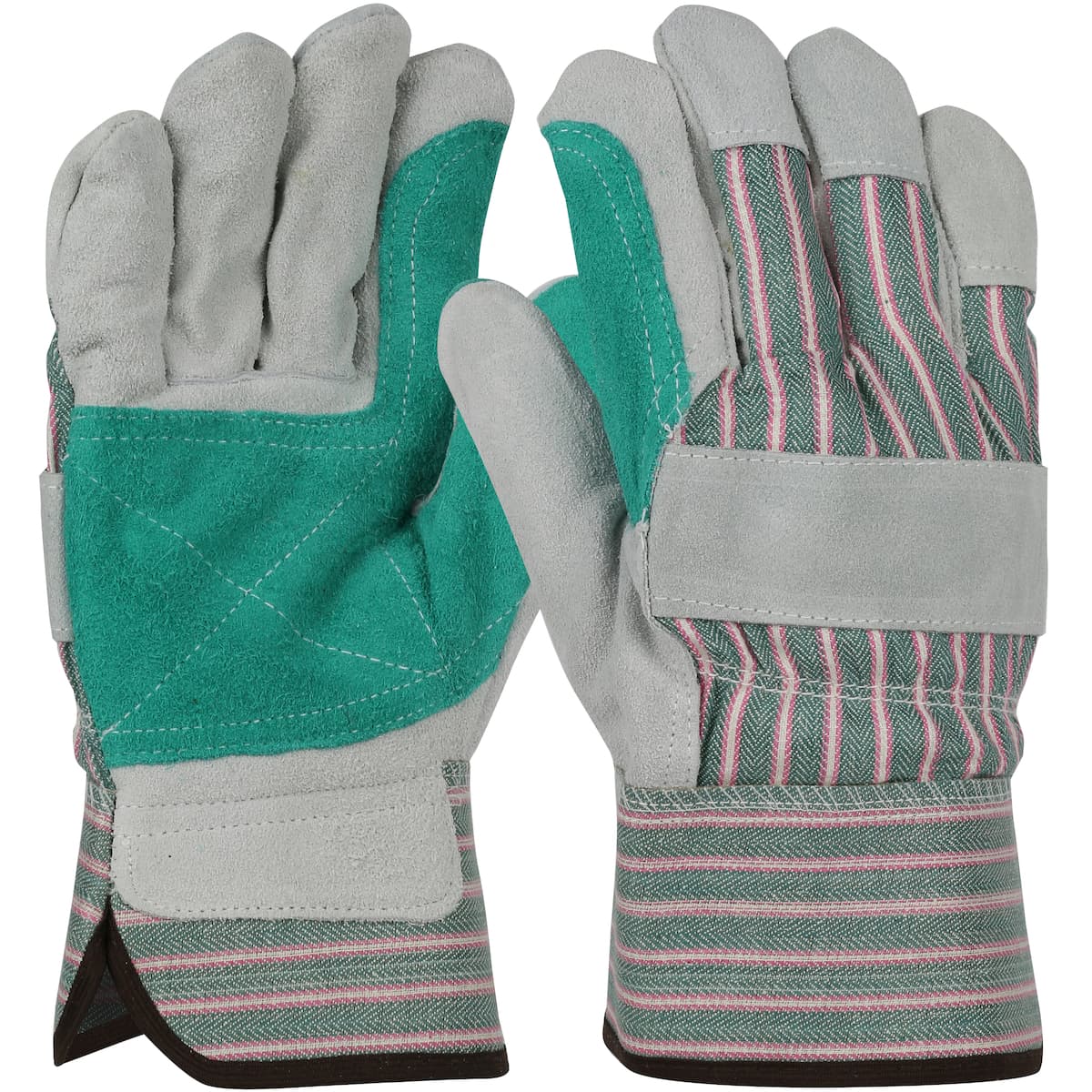
About Leather
Leather is used in foodservice primarily for protective gloves and heat-resistant handling equipment in commercial kitchens. Restaurants, BBQ joints, catering operations, and institutional kitchens rely on leather products for staff safety when handling hot cookware, grills, and smokers. The material's natural durability and heat resistance make it a standard choice for back-of-house operations.
What it handles
Leather performs well in freezer environments and provides excellent protection against dry heat during short-contact tasks like moving hot pans or grill work. It does not perform well with moisture or grease, which can degrade the material and reduce its protective qualities. Never use leather products in microwaves or conventional ovens, as the material is not designed for direct heating.
How it compares
Compared to synthetic heat-resistant fabrics like aramid fiber or silicone, leather offers superior durability and a traditional feel that many kitchen professionals prefer. The tradeoff is that leather requires more maintenance, cannot be laundered as easily, and performs poorly when wet, while synthetics often provide better moisture resistance and easier cleaning. Leather typically costs more upfront but can outlast cheaper alternatives when properly maintained.
Choosing Leather
Consider these factors when selecting leather products for your operation.
- Thickness matters: Thicker leather provides better heat protection but reduces dexterity, so match the weight to your specific task requirements.
- Keep it dry: Avoid using leather products in wet environments or for handling moist foods, as water and oils break down the material quickly.
- Inspect regularly: Check leather items for cracks, thin spots, or stiffening before each shift, as compromised leather loses its protective properties.
- Storage conditions: Store leather products in a cool, dry location away from direct heat sources to maximize their lifespan.
- Break-in period: New leather gloves and equipment will be stiff initially and require use to soften and conform to the task at hand.
Frequently asked questions
- Is Leather microwave safe?
- No, leather is not microwave safe. Never place leather products in a microwave, as the material can catch fire, release harmful fumes, and damage both the item and the appliance.
- Is Leather compostable?
- No, leather products are not compostable in commercial or industrial composting systems. While leather is an animal product, the tanning and treatment processes used in manufacturing prevent it from breaking down properly.
- Can Leather go in the oven?
- No, leather is not oven safe. While leather can withstand brief contact with hot surfaces, prolonged exposure to oven temperatures will cause it to dry out, crack, or ignite.
- What is leather made from?
- Leather is made from animal hides, typically from cattle, that have been processed and tanned to create a durable, flexible material. The tanning process treats the raw hide with chemicals or natural compounds to preserve it and enhance its strength and heat resistance.
- Is Leather recyclable?
- No, leather is not recyclable through standard recycling programs. The chemical treatments and processing involved in leather production prevent it from being recycled with other materials.
- Can Leather be used in freezers?
- Yes, leather is freezer safe and maintains its flexibility and protective properties in cold environments. This makes leather gloves and equipment suitable for handling frozen products or working in walk-in freezers.