
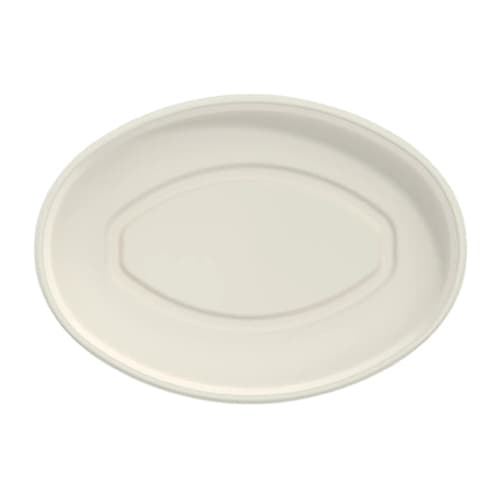
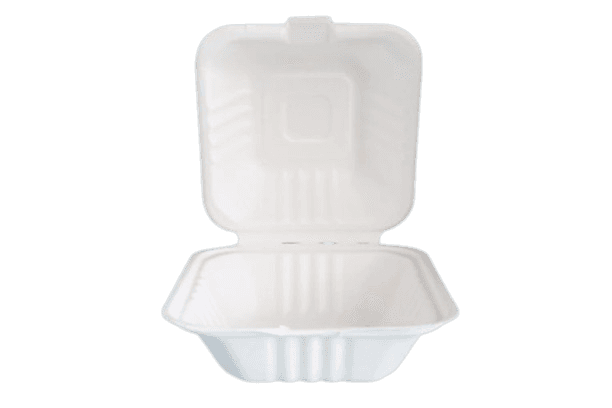
About Molded Fiber
Molded fiber packaging serves foodservice operations that need dependable, eco-conscious containers for hot and cold menu items. Restaurants, caterers, food trucks, and coffee shops use it for takeout bowls, clamshells, and plates when customers expect sustainable packaging without sacrificing performance.
What it handles
Molded fiber withstands freezer storage, microwave reheating, and oven warming (for reheating only, not cooking), making it suitable for both cold prep and hot service. The material resists moderate moisture and grease while maintaining structural integrity during transport. It performs reliably across refrigeration, reheating, and short-term hot-holding applications.
How it compares
Compared to plastic clamshells, molded fiber offers compostability and a natural aesthetic but typically costs more per unit. Plastic provides a tighter seal and clearer product visibility, while molded fiber appeals to customers prioritizing environmental impact. The tradeoff centers on sustainability credentials versus budget and moisture resistance for liquid-heavy items.
Choosing Molded Fiber
Consider these factors when selecting molded fiber packaging for your operation.
- Match depth to menu: Select compartment depth based on portion size and sauce volume to prevent lid contact with food during transport.
- Test with your items: Run samples with your greasiest and most liquid-prone dishes to confirm the fiber weight handles your specific menu without softening.
- Communicate disposal: Train staff and inform customers that molded fiber goes in compost bins, not recycling, when commercial composting is available.
- Stack storage: Store molded fiber containers in a dry location, as humidity can affect rigidity before use.
- Reheat guidelines: Advise customers that oven reheating is safe for warming food but not for cooking from raw, and keep temperatures moderate.
Frequently asked questions
- Is Molded Fiber microwave safe?
- Yes, molded fiber is microwave safe for reheating food. Use standard reheating times and avoid extended high-power cooking.
- Is Molded Fiber compostable?
- Yes, molded fiber is compostable in commercial composting facilities. It breaks down into organic matter when processed under proper composting conditions.
- Can molded fiber go in the oven?
- Molded fiber is oven safe for reheating only, not for cooking. Use it to warm pre-cooked food at moderate temperatures, not for baking or roasting raw ingredients.
- What is molded fiber made from?
- Molded fiber is manufactured from natural plant fibers, typically including recycled paper, cardboard, and agricultural byproducts like sugarcane or bamboo. The pulp is formed into shape under heat and pressure, then dried into rigid containers.
- Is molded fiber recyclable?
- Yes, molded fiber is recyclable where paper recycling programs accept food-contact paper products. Composting is often preferred when available since the material naturally biodegrades.
- Can molded fiber be frozen?
- Yes, molded fiber is freezer safe and maintains its structure at freezing temperatures. It works well for prepped menu items that require cold storage before reheating.