
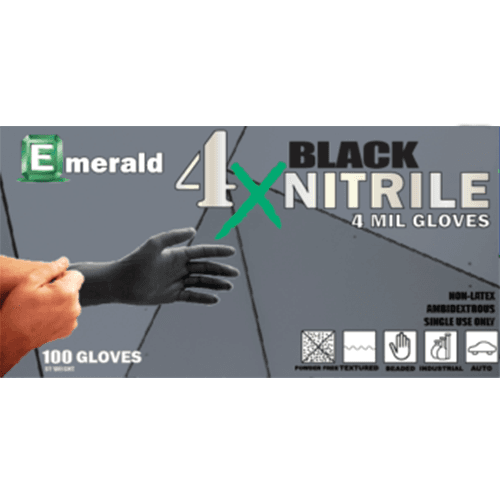
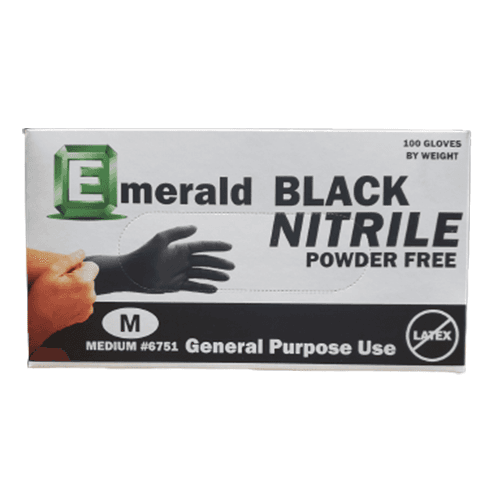
Emerald 4X Black General-Purpose Powder-Free Medium Nitrile Glove
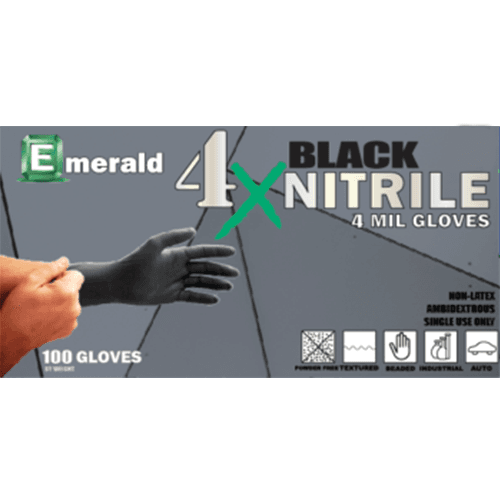
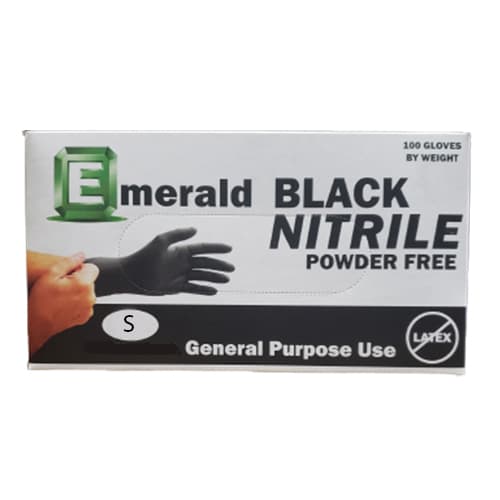
Emerald 4X Black General-Purpose Powder-Free Small Nitrile Glove
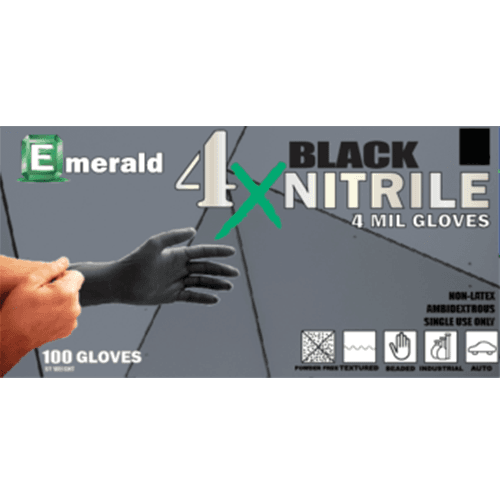
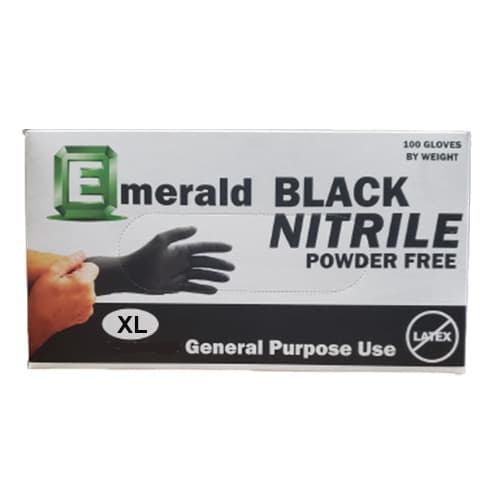
Emerald 4X Black General-Purpose Powder-Free X-Large Nitrile Glove
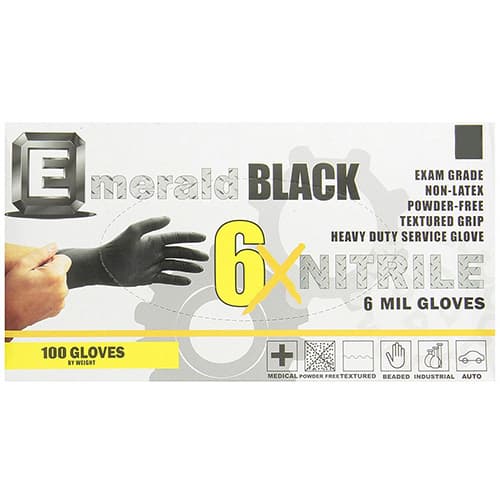
Emerald 6X Large Black Latex Free Powder Free Nitrile Exam Gloves – 6 Mil
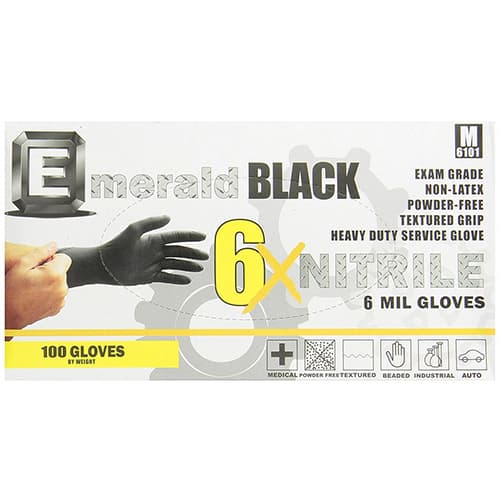
Emerald 6X Medium Black Latex Free Powder Free Nitrile Exam Gloves – 6 Mil
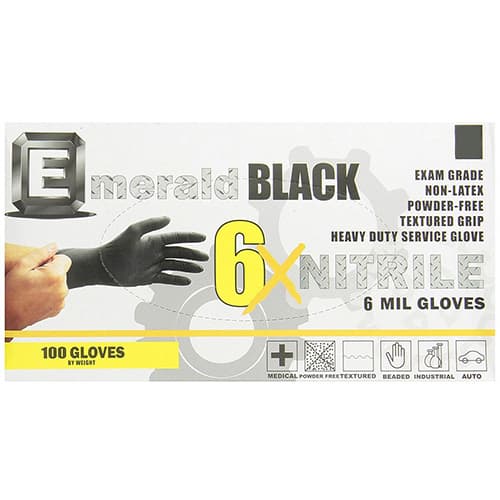
Emerald 6X X-Large Black Latex Free Powder Free Nitrile Exam Gloves – 6 Mil
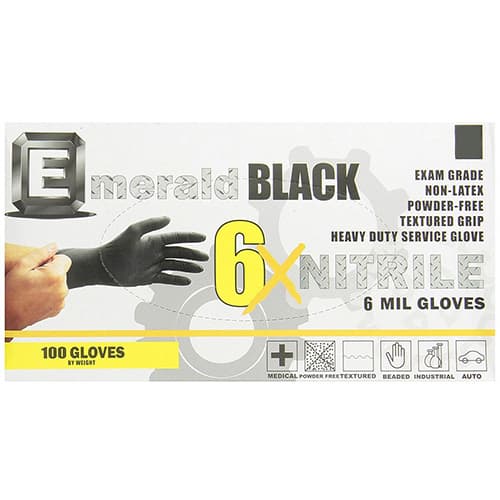
Emerald 6X XX-Large Black Latex Free Powder Free Nitrile Exam Gloves – 6 Mil
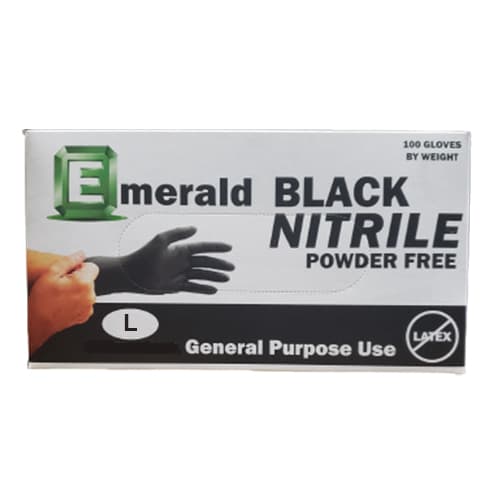
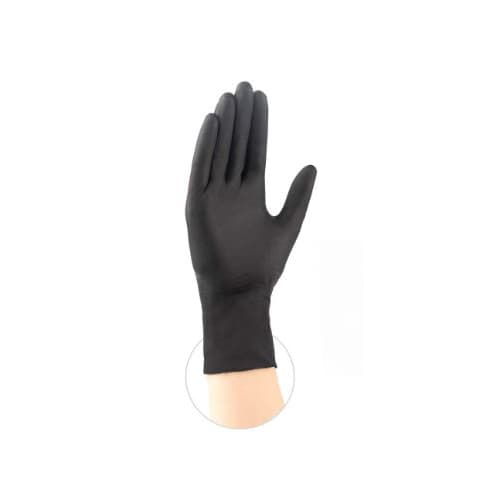
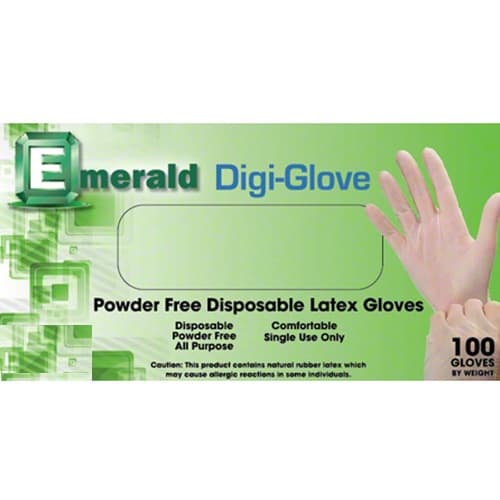
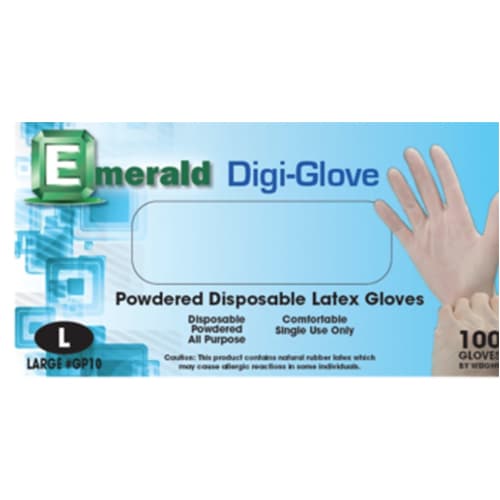
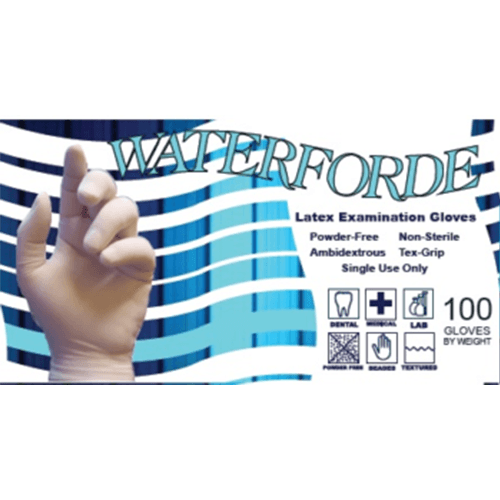
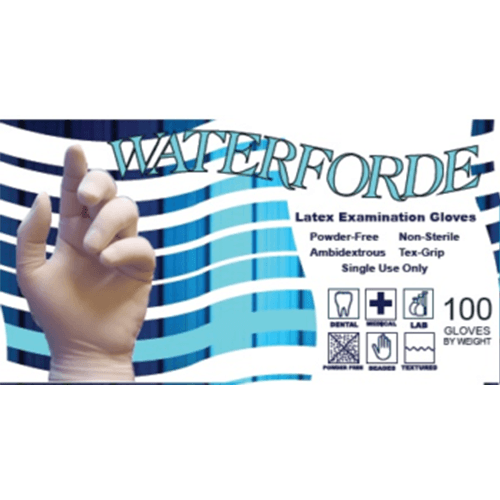
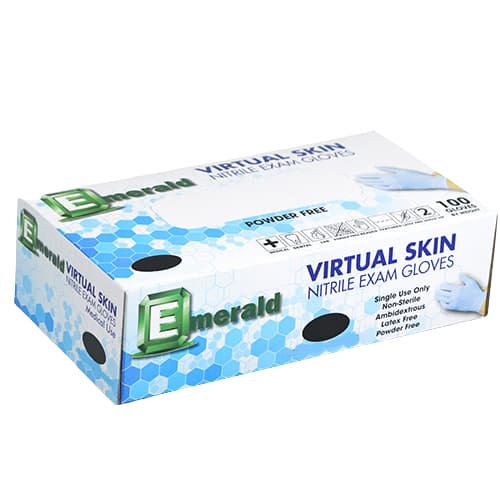
Virtual Skin Large Powder-Free Latex Free Nitrile Exam Gloves – 4 Mil
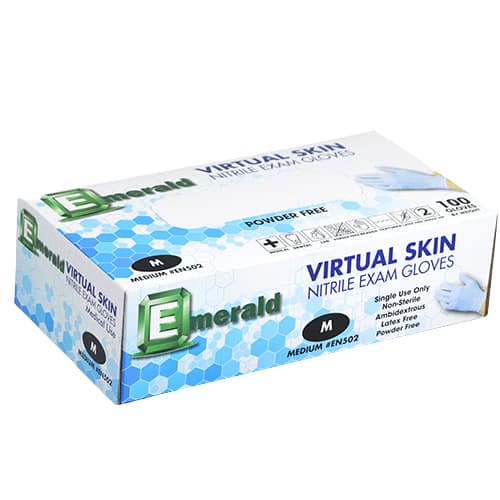
Virtual Skin Medium Powder-Free Latex Free Nitrile Exam Gloves – 4 Mil
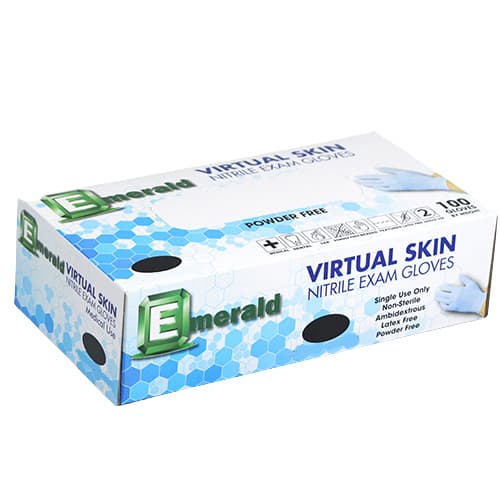
Virtual Skin Small Powder-Free Latex Free Nitrile Exam Gloves – 4 Mil
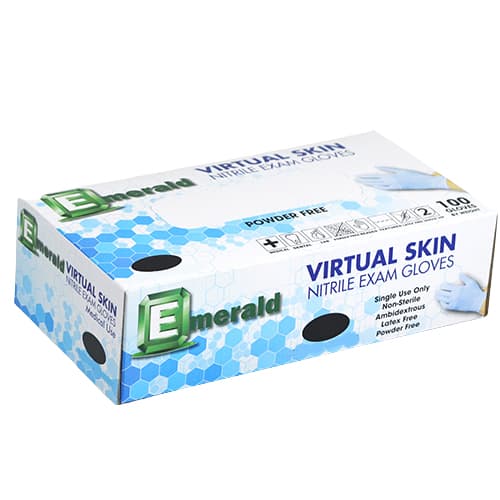
Virtual Skin X-Large Powder-Free Latex Free Nitrile Exam Gloves – 4 Mil
About Nitrile
Nitrile is a synthetic rubber material widely used for disposable gloves in commercial kitchens, catering operations, coffee shops, and food trucks. Its exceptional resistance to punctures, chemicals, and oils makes it the preferred choice for foodservice professionals handling raw proteins, cleaning chemicals, and greasy foods while maintaining strict hygiene standards.
What it handles
Nitrile gloves are freezer safe and perform reliably in cold storage environments, maintaining flexibility even at low temperatures. They are not microwave safe or oven safe, making them strictly for room temperature and cold food handling tasks. The material resists moisture, grease, and most kitchen chemicals while providing strong puncture resistance during food prep and dishwashing.
How it compares
Nitrile offers superior puncture resistance and chemical protection compared to vinyl gloves, making it more durable for extended food handling tasks. Compared to latex, nitrile eliminates allergy concerns and provides better resistance to oils and fats, though latex offers slightly better tactile sensitivity. The tradeoff is that nitrile costs more than vinyl but less than many specialty food-safe glove materials, balancing performance with practical budgets.
Choosing Nitrile
Consider these factors when selecting nitrile gloves for your operation.
- Thickness matters: Choose 3-4 mil thickness for general food prep and 6-8 mil for heavy-duty tasks like handling raw meat or washing dishes with harsh chemicals.
- Powder-free for food contact: Select powder-free nitrile gloves to prevent powder contamination in food and to comply with many health department requirements.
- Size accuracy reduces waste: Properly fitted gloves reduce tearing and improve dexterity, so stock multiple sizes and train staff to choose their correct fit.
- Color coding for safety: Use different colored nitrile gloves (black, blue, purple) to designate specific tasks like raw protein handling versus ready-to-eat food prep.
- Storage conditions: Store nitrile gloves in a cool, dry location away from direct sunlight and heat sources to maintain their integrity and flexibility.
Frequently asked questions
- Is Nitrile microwave safe?
- No, nitrile is not microwave safe. Nitrile gloves should never be worn when handling hot containers from microwaves or used to cover food during microwave heating, as the material can melt or degrade when exposed to high heat.
- Is Nitrile compostable?
- No, nitrile is not compostable. Nitrile is a synthetic rubber material that does not break down in composting systems and must be disposed of with regular waste.
- What is nitrile made from?
- Nitrile is made from synthetic rubber polymers, specifically acrylonitrile and butadiene. This synthetic composition makes it latex-free and safe for individuals with latex allergies while providing excellent chemical and puncture resistance.
- Can nitrile gloves be used in ovens or with hot cooking equipment?
- No, nitrile is not oven safe and should not be used with hot cooking equipment. Nitrile gloves will melt or degrade when exposed to oven temperatures or direct contact with hot surfaces like griddles, fryers, or stovetops.
- Is nitrile recyclable?
- No, nitrile is not recyclable through standard municipal recycling programs. Used nitrile gloves are contaminated with food residue and must be disposed of as regular waste.
- Why choose nitrile over latex gloves?
- Nitrile eliminates the risk of latex allergies for both staff and customers with sensitivities, making it safer for foodservice environments. Additionally, nitrile provides superior resistance to oils, fats, and many cleaning chemicals compared to latex, though it may feel slightly less flexible initially.