
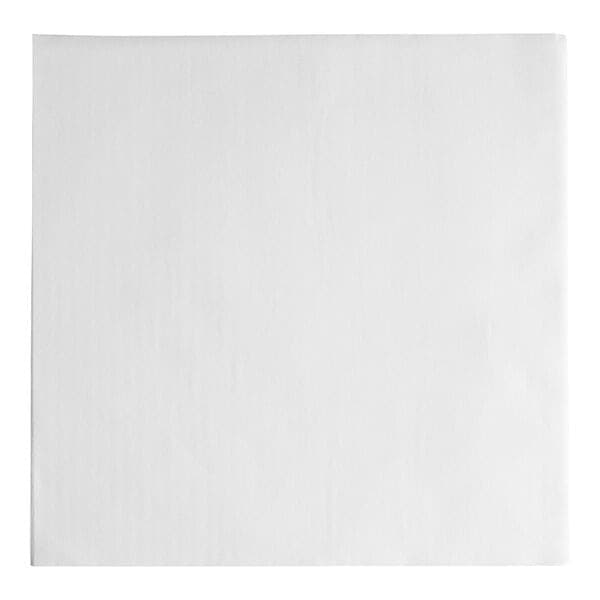
Nature's Linen 15" x 16" White Flat Pack Airlaid Dinner Napkins
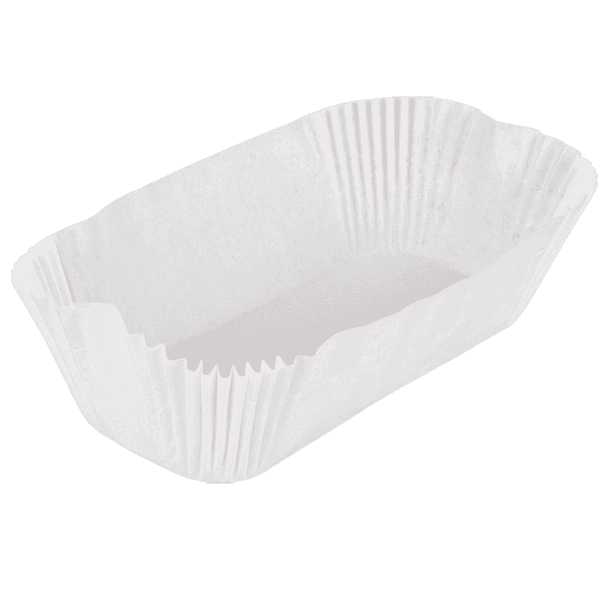
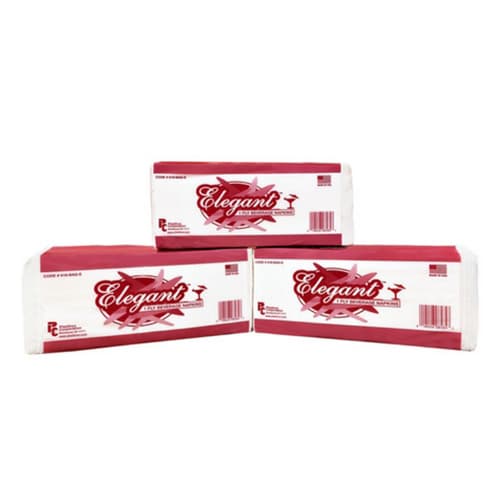
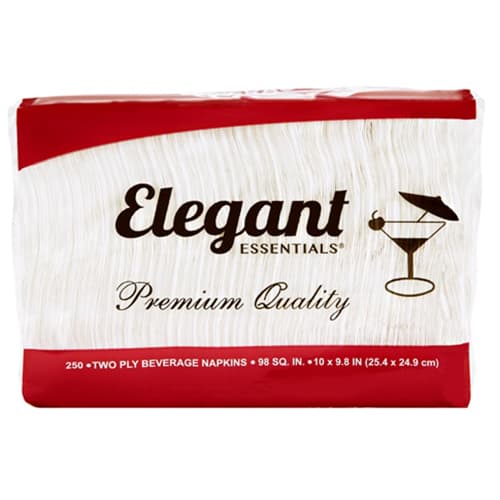
Plastirun 2-Ply Elegant White Premium Beverage / Cocktail Napkin
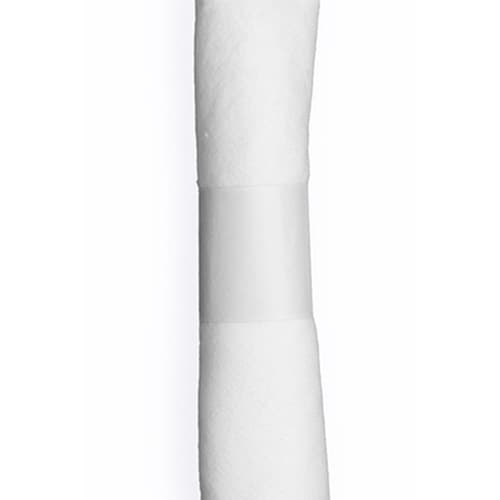
Soleil Lace Oblong Loaf Liners 7 5/16" x 3 5/16" x 2 1/2"
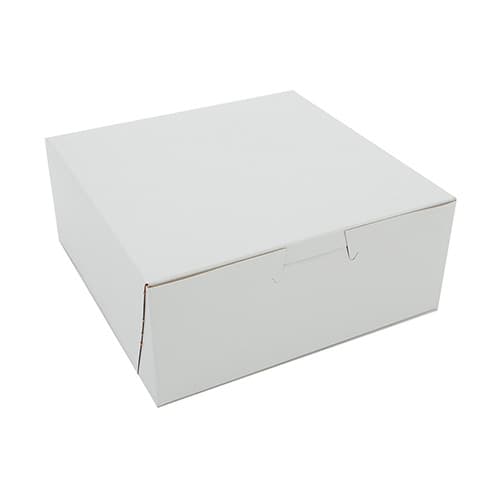
Southern Champion 6" x 6" x 2.5" White Non-Window Bakery Box
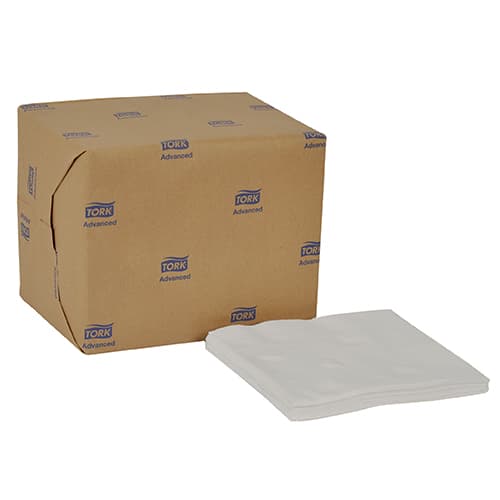
About Paper Pulp
Paper pulp is a molded fiber material widely used for disposable plates, bowls, takeout containers, cup carriers, and napkins in foodservice operations. Restaurants, coffee shops, food trucks, caterers, and quick-service establishments rely on paper pulp products for their combination of sustainability and functionality in everyday serving and packaging needs.
What it handles
Paper pulp performs well with both hot and cold foods, maintaining structural integrity in the microwave and freezer while absorbing moderate moisture without immediate breakdown. It is not oven safe and will char or burn under direct oven heat. The material handles dry and semi-moist foods effectively, though it may soften over extended contact with liquids or grease.
How it compares
Compared to plastic foam, paper pulp offers compostable and recyclable disposal options but provides less insulation and may not hold up as long with very wet or oily foods. The tradeoff is environmental impact: paper pulp breaks down naturally while foam persists in landfills. For operations prioritizing sustainability and adequate performance with most menu items, paper pulp delivers a responsible alternative.
Choosing Paper Pulp
Consider these factors when selecting paper pulp products for your operation.
- Match density to use: Heavier molded pulp works better for hot or saucy items, while lighter pulp suffices for dry baked goods and napkin applications.
- Test with your menu: Run samples with your actual food items, especially those with high moisture or oil content, to confirm the material holds up through typical service times.
- Check local disposal rules: Verify that your waste hauler accepts compostable foodservice items, as paper pulp requires commercial composting facilities to break down properly.
- Consider presentation: Paper pulp has a natural, textured appearance that fits casual and eco-conscious branding but may not suit fine dining presentations.
- Storage conditions matter: Store paper pulp products in a dry location, as the material can absorb ambient humidity and lose rigidity before use.
Frequently asked questions
- Is Paper Pulp microwave safe?
- Yes, paper pulp is microwave safe and can be used to reheat food without issue. The material will not melt or release harmful substances when exposed to microwave energy.
- Is Paper Pulp compostable?
- Yes, paper pulp is compostable and will break down in commercial composting facilities. The material returns to organic matter under proper composting conditions.
- Can Paper Pulp go in the oven?
- No, paper pulp is not oven safe and should not be exposed to direct oven heat. The material will char, burn, or catch fire at oven temperatures.
- What is Paper Pulp made from?
- Paper pulp is made from recycled paper fibers or virgin wood pulp that are mixed with water, molded into shape, and then dried. The resulting material is a rigid, biodegradable fiber product suitable for single-use foodservice applications.
- Is Paper Pulp recyclable?
- Yes, paper pulp is recyclable, though food contamination may limit acceptance in some recycling streams. Clean, unused paper pulp products can typically be recycled with paper and cardboard.
- Can Paper Pulp be used in the freezer?
- Yes, paper pulp is freezer safe and maintains its structure at freezing temperatures. It works well for storing frozen prepared foods or desserts in commercial freezer units.