
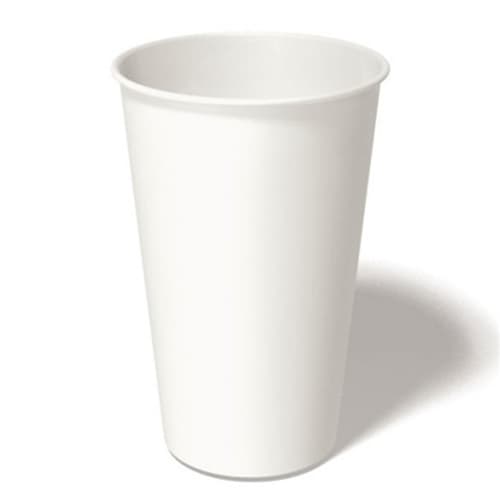
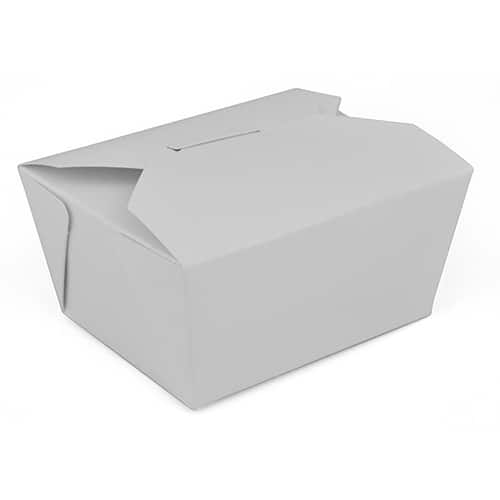
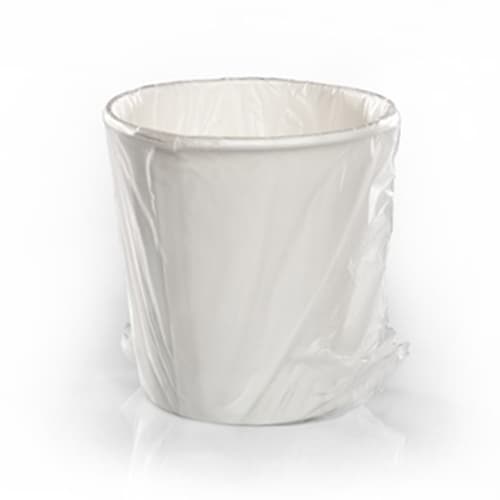
10 oz. Carte Blanc® Individually Wrapped Paper Hot Cup
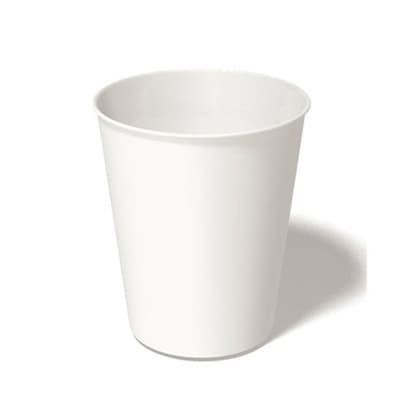
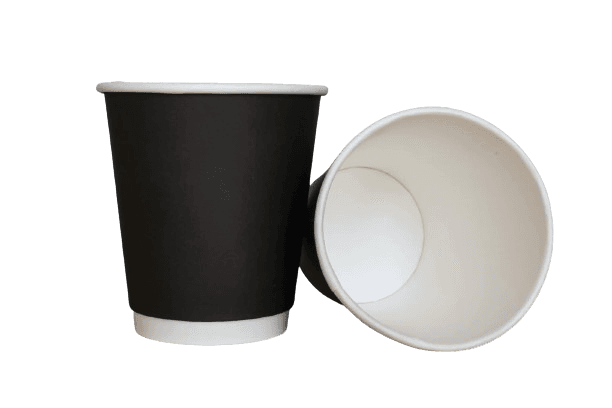
10 oz PE Lined Double Wall Paper Hot Cup, Black
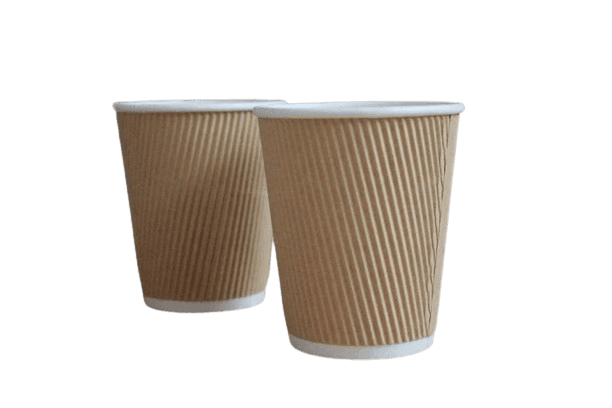
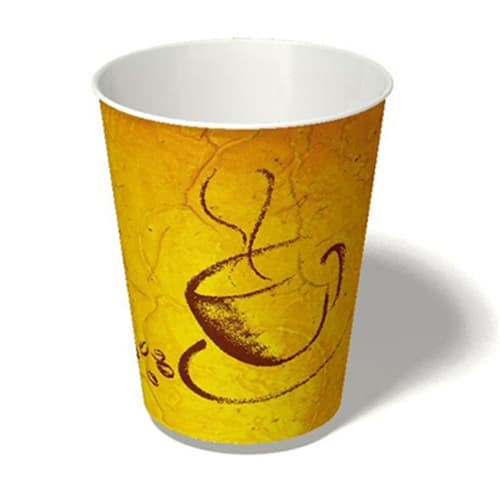
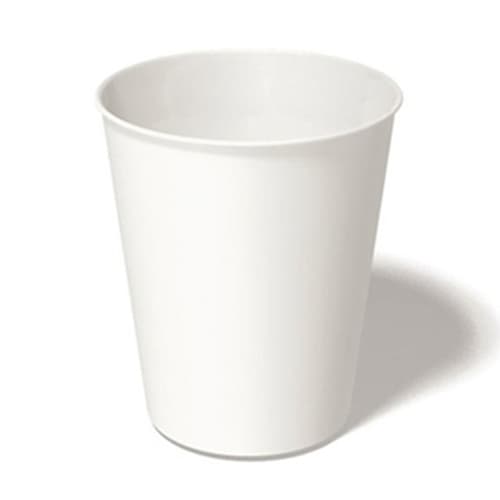
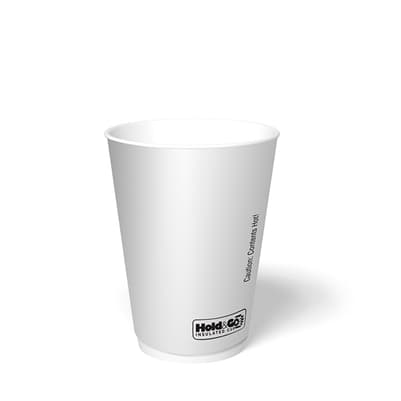
12 oz. Carte Blanc® Hold & Go® Insulated Paper Hot Cup
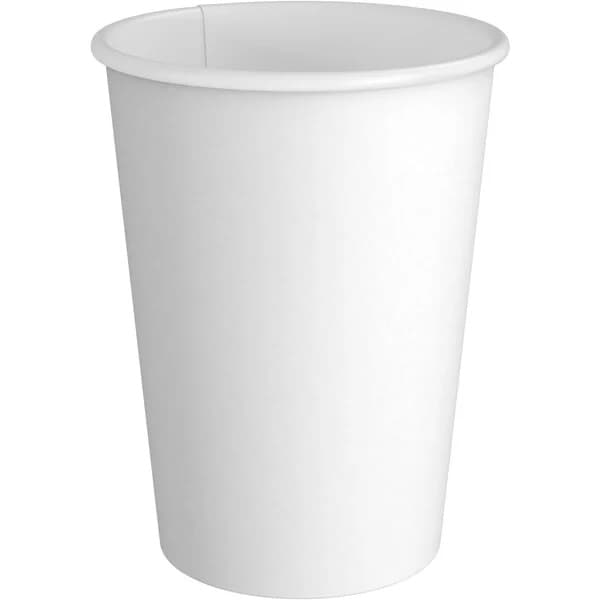
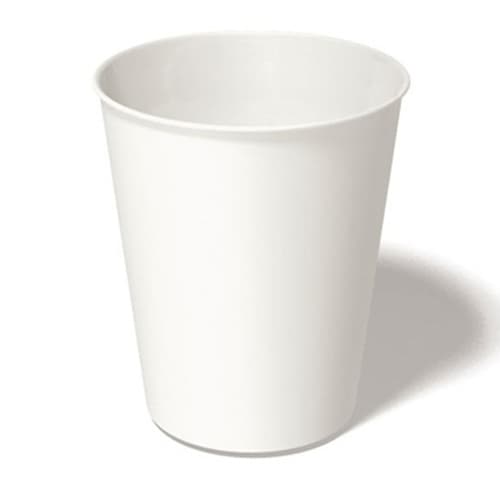
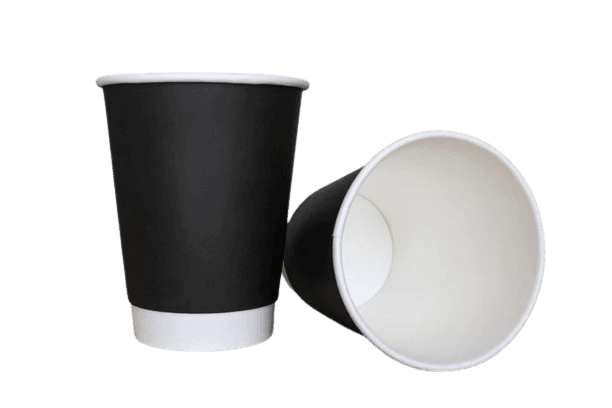
12 oz PE Lined Double Wall Paper Hot Cup, Black
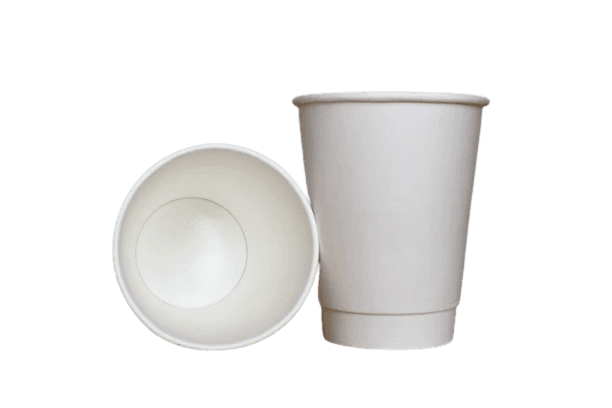
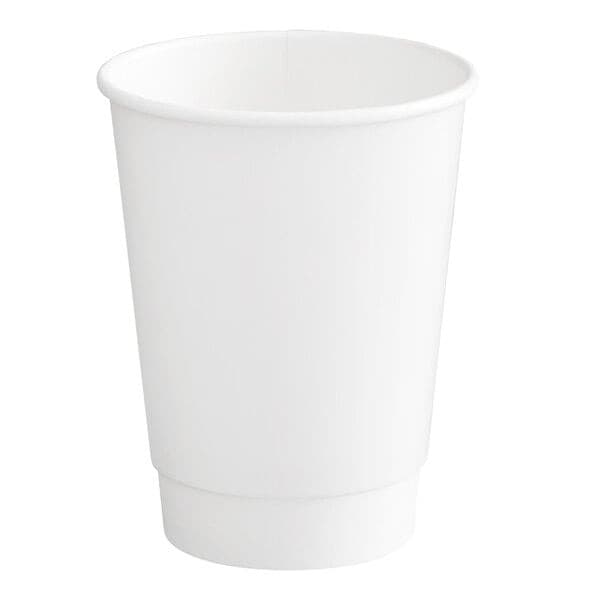
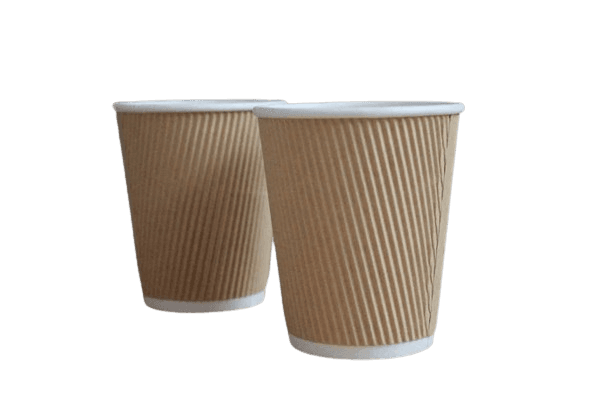
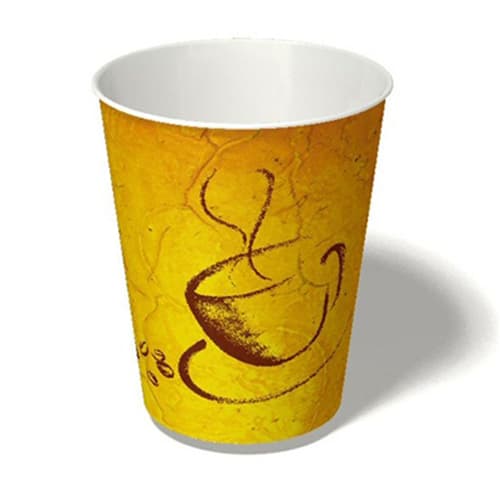
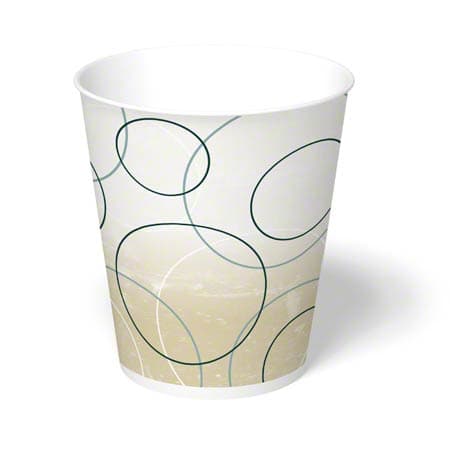
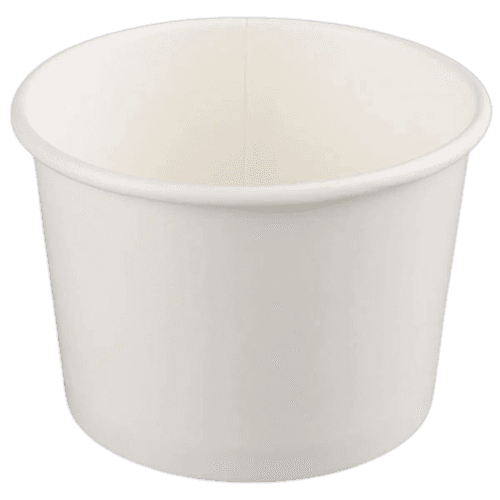
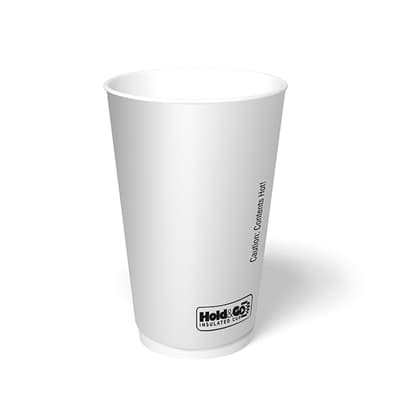
16 oz. Carte Blanc® Hold & Go® Insulated Paper Hot Cup
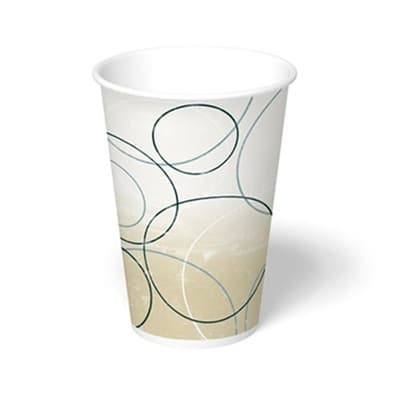
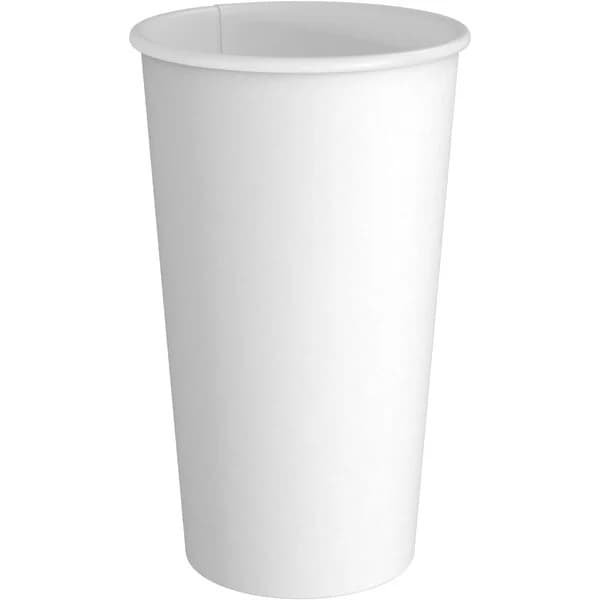
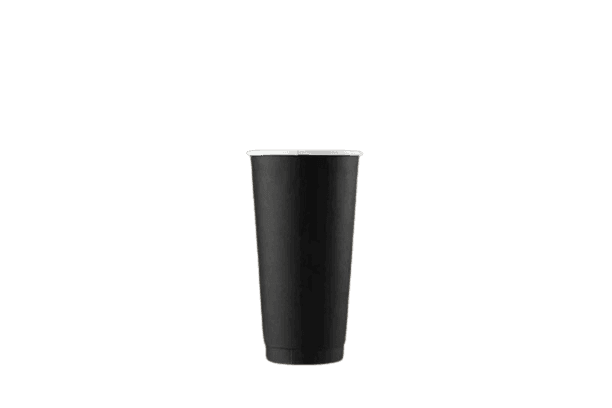
16 oz PE Lined Double Wall Paper Hot Cup, Black
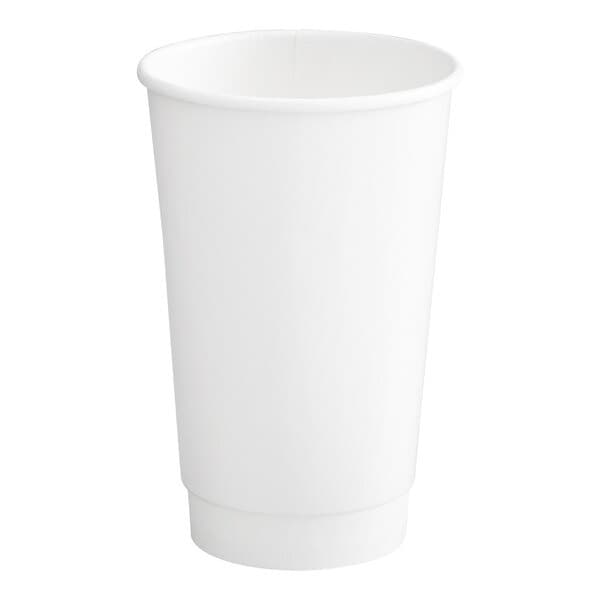
About PE-Lined Paperboard
PE-lined paperboard is a moisture-resistant packaging material widely used for hot and cold food takeout in restaurants, food trucks, cafes, and catering operations. The polyethylene coating creates a leak-proof barrier that prevents grease and liquids from penetrating the paperboard, making it ideal for soups, sauces, wet entrees, and side dishes. Its microwave-safe properties and reliable structure have made it a workhorse material for high-volume foodservice operations.
What it handles
PE-lined paperboard is microwave safe and freezer safe, handling both reheating and cold storage applications reliably. The PE coating provides excellent grease and moisture resistance, preventing leaks and maintaining structural integrity throughout service. It is not oven safe and should not be exposed to direct heat sources or high-temperature cooking.
How it compares
Compared to molded fiber or uncoated paperboard, PE-lined paperboard offers superior leak resistance and moisture barrier performance at a lower cost. The tradeoff is recyclability: while PE-lined paperboard is recyclable, it requires facilities that can process poly-coated paper, which are less common than those accepting uncoated paper. For operations prioritizing compostability, molded fiber or PLA-lined alternatives may be preferable, though PE-lined options typically offer better grease holdout and are more widely available.
Choosing PE-Lined Paperboard
Consider these factors when selecting PE-lined paperboard containers for your operation.
- Match size to portions: Select container dimensions based on typical portion sizes to minimize empty space, reduce costs, and improve presentation.
- Consider color for branding: Kraft, white, and black options offer different visual presentations—kraft conveys a natural look, while black can elevate perceived quality for premium items.
- Test with your menu items: Verify that the PE lining holds up with your specific sauces and gravies during typical holding times, especially for high-fat content foods.
- Check local recycling acceptance: Confirm that your local recycling facilities accept poly-coated paper before promoting recyclability to customers.
- Stock multiple sizes: Maintaining inventory of several container sizes allows staff to match packaging to order volume and reduces waste from oversized containers.
Frequently asked questions
- Is PE-Lined Paperboard microwave safe?
- Yes, PE-lined paperboard is microwave safe and can be used for reheating food. The polyethylene lining remains stable under microwave heating conditions, making these containers suitable for customer reheating.
- Is PE-Lined Paperboard compostable?
- No, PE-lined paperboard is not compostable. The polyethylene coating prevents the material from breaking down in commercial composting facilities.
- Can PE-Lined Paperboard go in the oven?
- No, PE-lined paperboard is not oven safe. The polyethylene coating can melt or degrade at oven temperatures, making these containers unsuitable for conventional or convection oven use.
- What is PE-Lined Paperboard made from?
- PE-lined paperboard consists of a paperboard substrate coated with polyethylene (PE), a plastic polymer that creates a moisture and grease barrier. The paperboard provides structure while the PE layer prevents liquids from soaking through.
- Can PE-Lined Paperboard be recycled?
- Yes, PE-lined paperboard is recyclable, though it requires recycling facilities equipped to handle poly-coated paper products. Availability of appropriate recycling programs varies by region, so check with local waste management services.
- Is PE-Lined Paperboard safe for freezer storage?
- Yes, PE-lined paperboard is freezer safe and performs well in cold storage applications. The PE coating remains flexible and maintains its moisture barrier properties at freezer temperatures.