
About Plant Starch
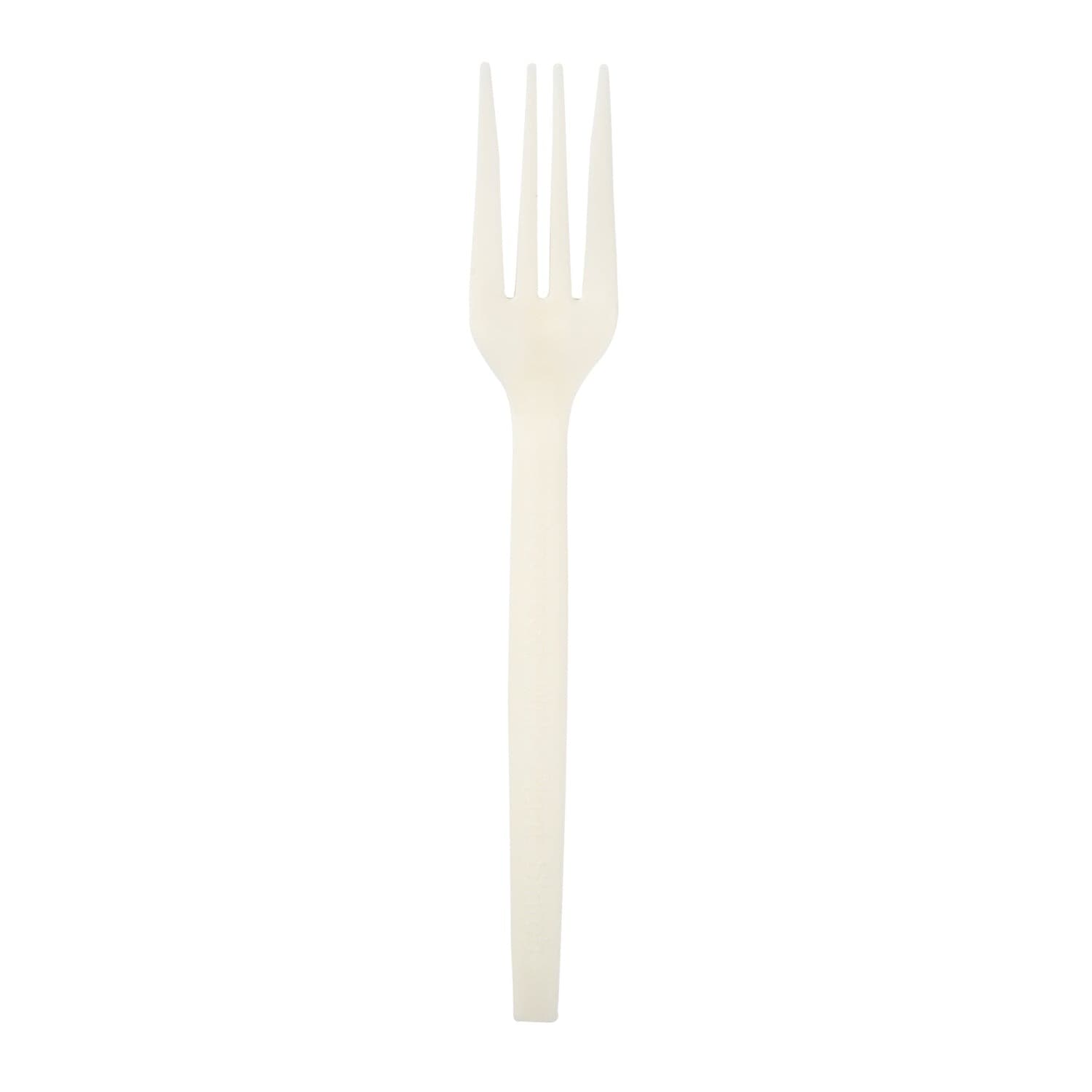
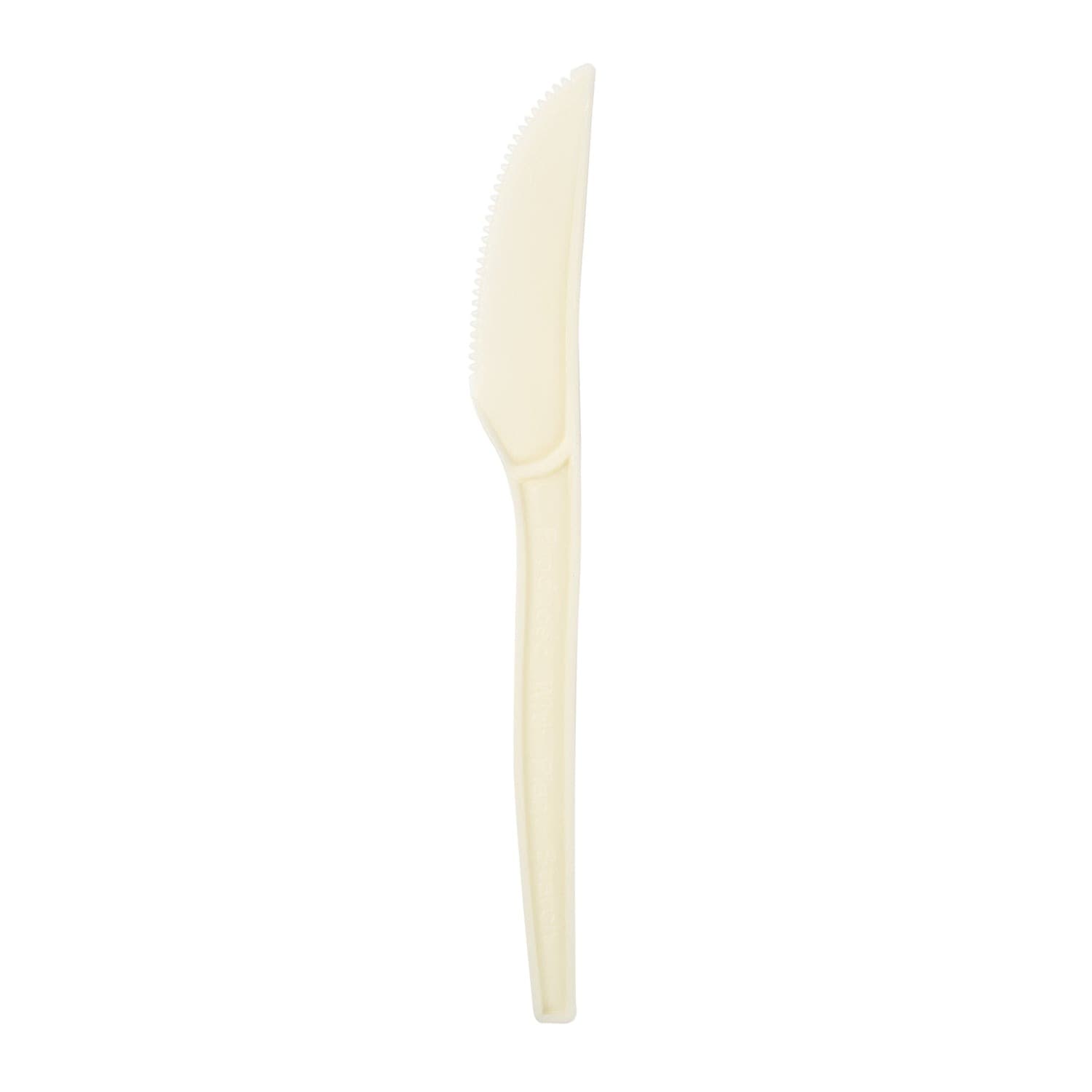
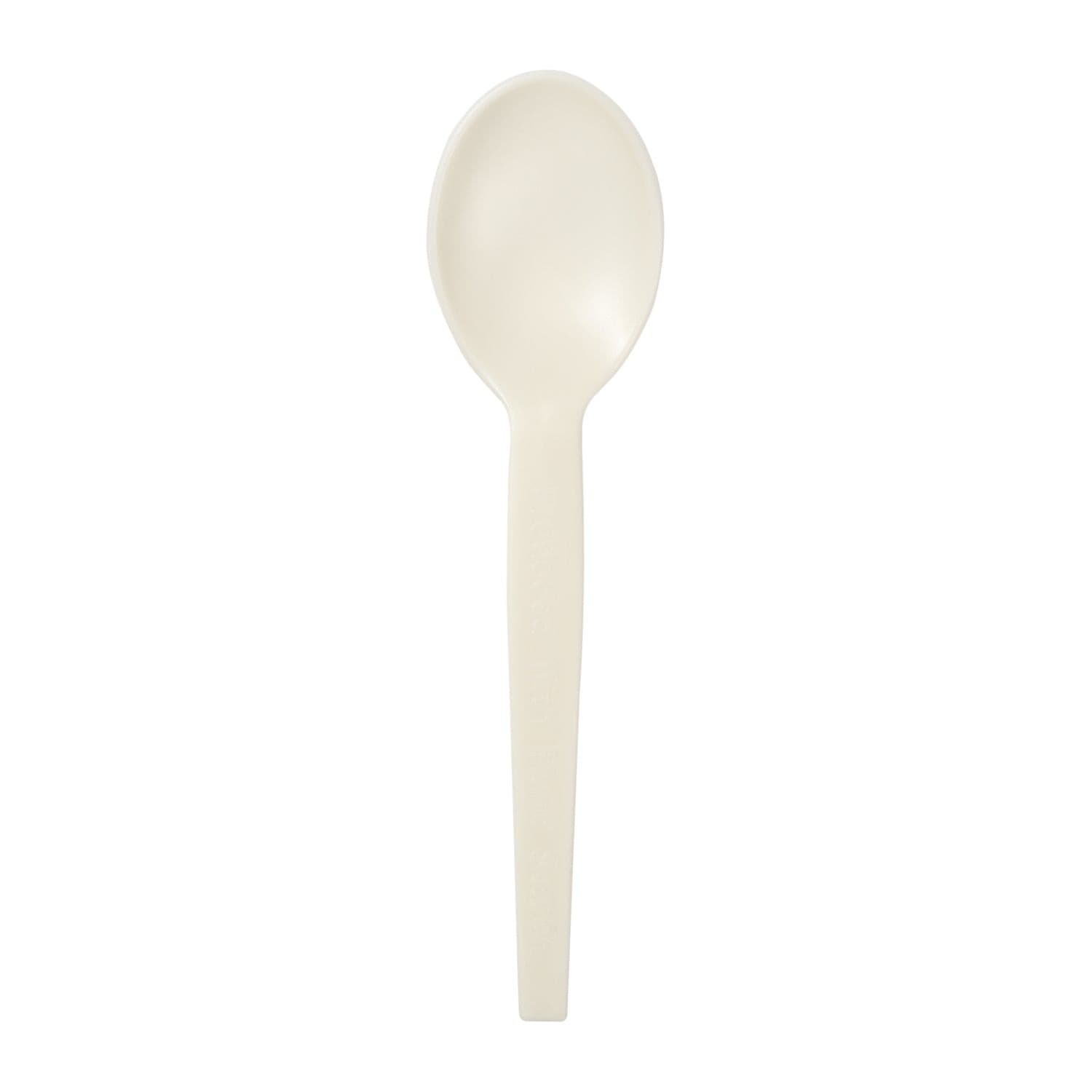
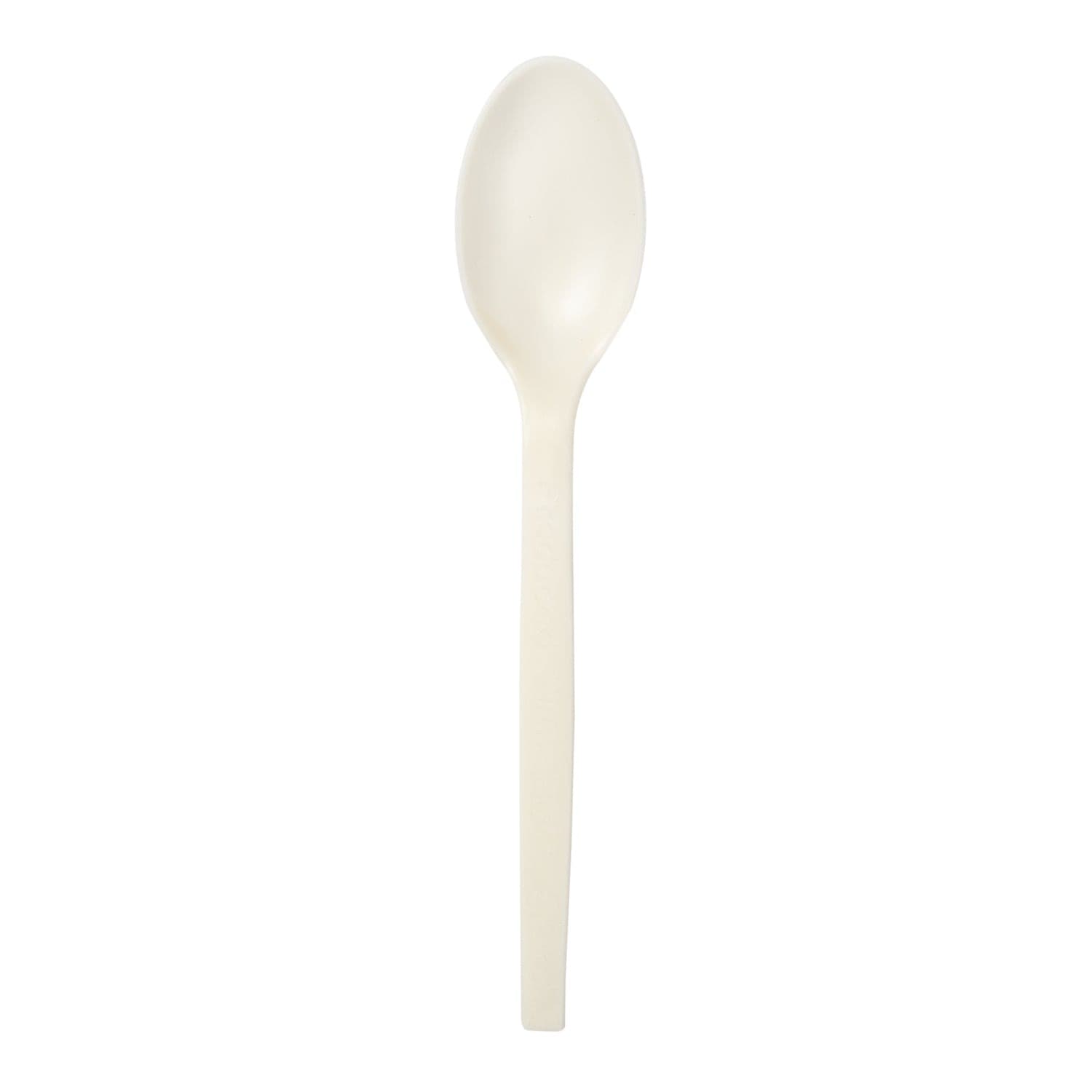
Plant starch foodservice packaging serves cold and reheated foods in restaurants, cafés, institutional kitchens, and catering operations. These products—cutlery, cups, and containers—offer a bio-based alternative to petroleum plastics for operators looking to reduce fossil fuel dependence while maintaining functional performance.
What it handles
Plant starch packaging performs well with hot and cold foods, holds up in the microwave and freezer, and resists moisture from most menu items. It lacks the heat tolerance for conventional or convection ovens and performs best with low-to-moderate grease content. Structural rigidity varies by product form, with utensils offering firm performance and thin-walled containers requiring careful handling when fully loaded.
How it compares
Against traditional plastic cutlery and containers, plant starch offers renewable sourcing and a similar weight-to-strength profile for most cold and reheated applications. The tradeoff is reduced heat tolerance—no oven use—and the material does not break down in standard composting or recycling streams, limiting end-of-life options. Operators prioritizing bio-based content over disposal infrastructure typically choose plant starch; those with access to commercial composting may prefer verified compostable alternatives.
Choosing Plant Starch
Match product form and gauge to your menu's temperature and structural demands.
- Cold and reheated only: Reserve plant starch for cold service, microwave reheating, and freezer storage; switch to paperboard or aluminum for oven-finish dishes.
- Gauge for load: Select medium- or heavy-weight utensils for dense proteins and starches, and confirm sidewall thickness on containers holding saucy or liquid-heavy items.
- Grease performance: Test containers with your highest-fat menu items before committing to volume orders, as grease resistance varies by manufacturer and product line.
- End-of-life expectations: Communicate disposal limitations to staff and customers, since plant starch products do not compost or recycle in most municipal systems.
- Sample across brands: Physical feel and rigidity differ between suppliers even at the same stated weight, so evaluate samples under real service conditions.
Frequently asked questions
- Is Plant Starch microwave safe?
- Yes, plant starch packaging is microwave safe and handles reheating without warping or releasing odors. It is not suitable for conventional or convection ovens.
- Is Plant Starch compostable?
- No, the plant starch products in this catalog are not compostable and will not break down in home or commercial composting systems. They should be disposed of as solid waste.
- Can plant starch packaging go in the oven?
- No, plant starch is not oven safe and will deform or melt at conventional baking temperatures. Use it only for cold service, microwave reheating, and freezer storage.
- What is plant starch packaging made from?
- Plant starch packaging is derived from renewable plant sources such as corn, potato, or tapioca starch, processed into a polymer suitable for molding and extrusion. For detailed material background, see the plant starch material guide.
- Is plant starch packaging recyclable?
- No, plant starch is not recyclable in standard municipal recycling programs and should not be placed in plastic or paper recycling bins. Dispose of it with general waste.
- Does plant starch hold up in the freezer?
- Yes, plant starch packaging is freezer safe and maintains structural integrity at sub-zero temperatures, making it suitable for frozen meal prep and cold storage.