
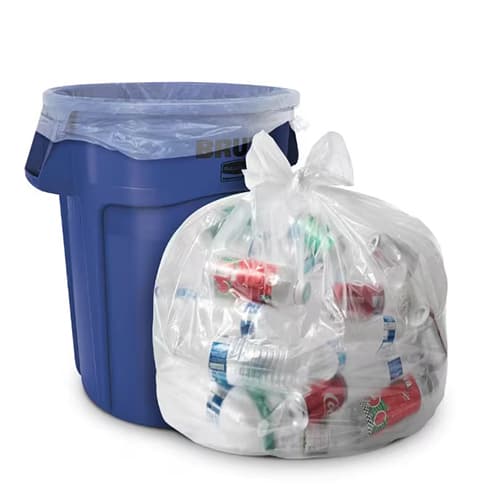
Aluf 56 Gal. Clear Garbage Bags - 43 in. x 46 in. (Pack of 100) 2 mil - for Recycling, Storage
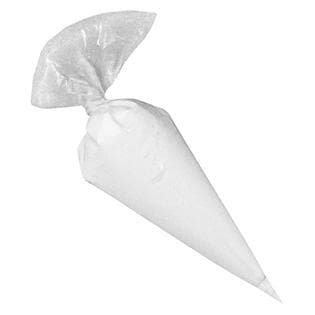
DayMark Safety Systems-IT115437 21" PipingPal Disposable Pastry Bag With Dispenser (100 Bags)
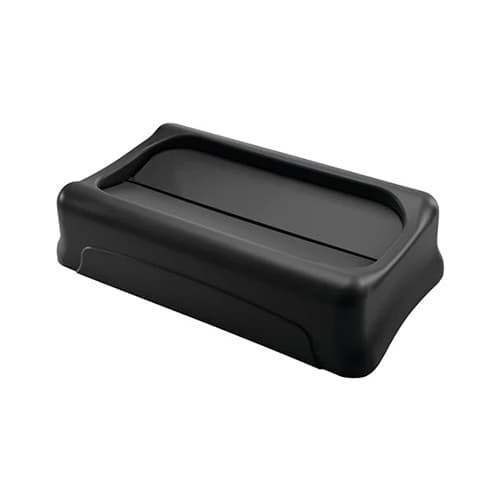
Rubbermaid FG267360BLA Slim Jim Black Drop Shot Trash Can Lid
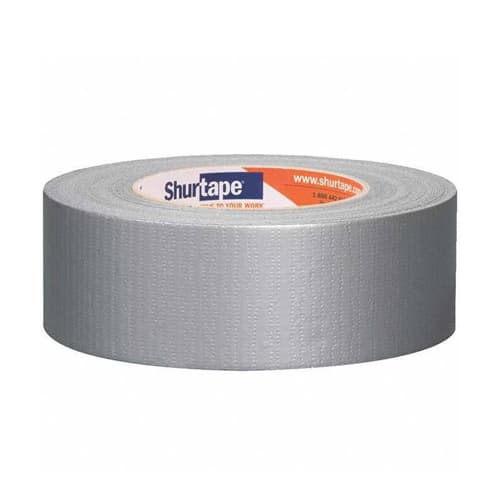
Shurtape Silver Duct Tape 2" x 60 Yards (48 mm x 55 m) - PC8 General Purpose High Tack
About Plastic
Plastic is a versatile, cost-effective material used throughout foodservice operations for storage containers, disposable serviceware, trash management, and food preparation tools. Restaurants, caterers, coffee shops, food trucks, and hotels rely on plastic packaging for its lightweight durability, moisture resistance, and ability to maintain food safety across cold storage and reheating applications.
What it handles
Plastic foodservice packaging is freezer safe and microwave safe, making it suitable for cold storage and reheating prepared foods. It provides excellent moisture barriers and resists grease, though it is not oven safe and should not be exposed to high heat above typical microwave temperatures. The material maintains structural integrity across refrigerated and room-temperature environments while offering reliable protection during transport and storage.
How it compares
Compared to aluminum, plastic offers superior visibility for food identification and microwave compatibility, though aluminum provides better heat conduction for oven applications. Plastic is generally lighter and less expensive than comparable rigid alternatives, but lacks the premium presentation qualities and higher heat tolerance of materials like paperboard or aluminum for certain hot-holding situations. The tradeoff is functionality and economy versus the ability to withstand direct oven heat.
Choosing Plastic
Consider these factors when selecting plastic packaging for your operation.
- Match thickness to use: Heavier gauge plastic containers withstand repeated handling and stacking better, while thinner disposables work for single-service applications where cost per unit matters most.
- Check clarity needs: Clear plastic allows staff and customers to identify contents without opening containers, reducing waste and improving inventory management in prep and display areas.
- Verify lid compatibility: Confirm that lids and bases are designed to work together with secure seals, especially for delivery and takeout where leaks create service failures.
- Consider recycling streams: Plastic is recyclable, so coordinate with your local waste hauler to ensure the specific resin types you purchase align with accepted recycling programs in your area.
- Test microwave performance: Not all plastic items heat evenly or remain stable at the same temperatures, so test containers with your typical menu items before committing to high-volume orders.
Frequently asked questions
- Is Plastic microwave safe?
- Yes, plastic foodservice packaging is microwave safe. This makes it suitable for reheating prepared foods, though heating times and temperatures should follow manufacturer guidelines to prevent warping or compromising container integrity.
- Is Plastic compostable?
- No, plastic is not compostable. It should be disposed of through standard waste streams or recycling programs where accepted.
- Can plastic packaging go in the oven?
- No, plastic is not oven safe and will melt or deform when exposed to oven temperatures. Use alternative materials like aluminum or oven-safe paperboard for baking or high-heat applications.
- What is foodservice plastic made from?
- Foodservice plastic is typically made from petroleum-based resins such as polypropylene, polyethylene, or polystyrene, which are molded or formed into containers, lids, bags, and utensils. These materials are chosen for their durability, moisture resistance, and food-safe properties.
- Is plastic foodservice packaging recyclable?
- Yes, plastic is recyclable, though acceptance varies by municipality and resin type. Check with your local recycling facility to confirm which plastic items they process, and rinse containers to remove food residue before recycling.
- Can plastic containers be used for freezer storage?
- Yes, plastic is freezer safe and maintains its structure and seal integrity in frozen conditions. This makes it ideal for batch prep, long-term storage of ingredients, and freezing pre-portioned menu items.