

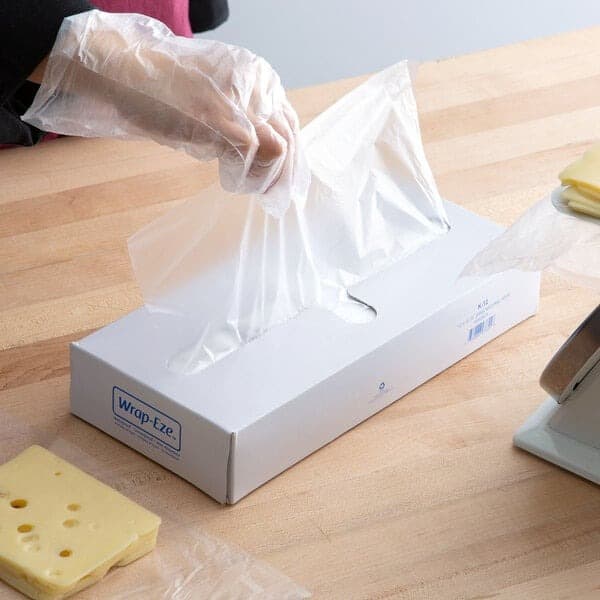
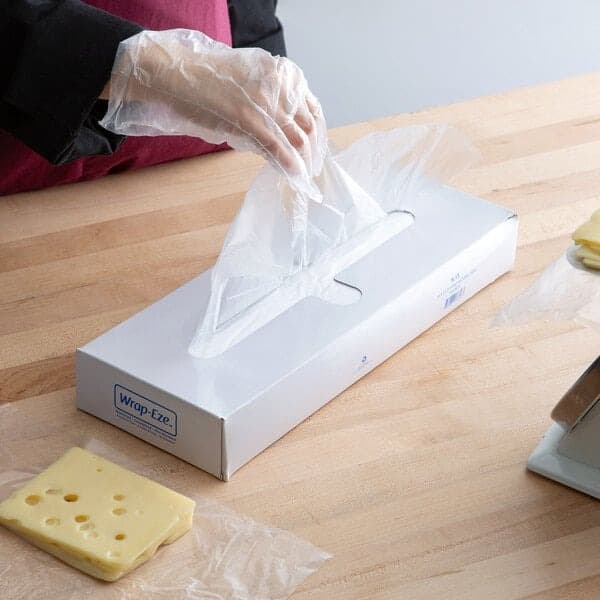
6.5" x 7" + 1.75"LP + 1.75"FB 0.5 mil Portion Control Saddle Pack Printed All Days (7 colors)
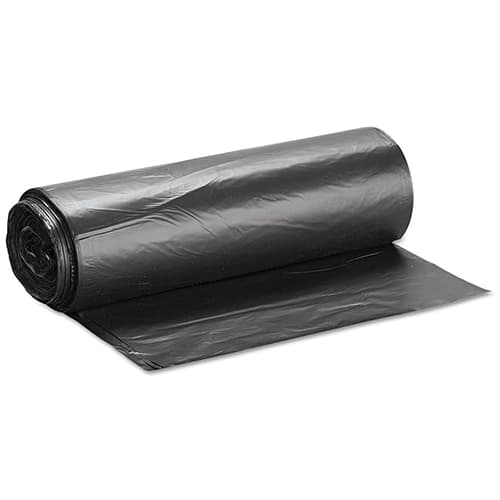
Inteplast S386017K High-Density Can Liner, 38 x 60, 60gal, 17mic, Black, 25/Roll, 8 Rolls/Carton
About Plastic - HDPE
High-Density Polyethylene (HDPE) is a versatile plastic material widely used across foodservice operations for packaging, storage, and transport applications. Restaurants, catering companies, food trucks, and institutional kitchens rely on HDPE for items like takeout bags, food wraps, portion control packaging, and waste management liners that require durability and moisture resistance.
What it handles
HDPE performs well in freezer environments and provides excellent moisture barrier properties, making it suitable for cold storage and protecting food from external liquids. This material is not microwave or oven safe and should be used strictly for cold or room-temperature applications. Its rigid yet flexible structure resists tearing and punctures, particularly valuable for heavy-duty bags and liners handling bulk ingredients or waste.
How it compares
Compared to Low-Density Polyethylene (LDPE), HDPE offers greater stiffness and puncture resistance at similar thickness levels, making it preferable for heavy-duty applications like trash liners and structured bags. The tradeoff is that HDPE is less flexible and has a more crinkly texture, which makes LDPE a better choice when film needs to cling or stretch around irregular shapes. Both materials are recyclable, but HDPE's higher density generally provides better performance per unit of material used.
Choosing Plastic - HDPE
Consider these factors when selecting HDPE packaging for your operation.
- Match gauge to load: Select thicker gauges (higher micron ratings) for heavy or sharp-edged items, while lighter gauges work well for dry goods and general wrapping to reduce material costs.
- Plan for recycling: HDPE is recyclable in most municipal programs under resin code #2, so separate clean HDPE items from waste streams when possible to support sustainability goals.
- Temperature limits matter: Keep HDPE products away from heat sources, microwaves, and ovens since this material is only suitable for freezer and ambient temperature use.
- Consider dispensing format: Pop-up sheet dispensers and pre-cut portions improve staff efficiency during high-volume service compared to roll formats that require tearing or cutting.
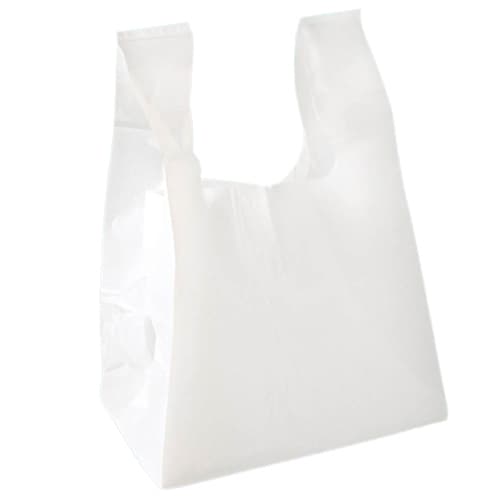
- Bag style for purpose: T-shirt style bags with handles work best for customer carryout, while flat or gusseted bags are more efficient for bulk ingredient storage and portion control packs.
Frequently asked questions
- Is Plastic - HDPE microwave safe?
- No, HDPE is not microwave safe and should not be used for heating food. The material can deform or melt when exposed to microwave temperatures, potentially contaminating food or damaging the microwave.
- Is Plastic - HDPE compostable?
- No, HDPE is not compostable and will not break down in commercial or home composting environments. However, HDPE is recyclable through standard plastic recycling programs.
- Can HDPE be used in ovens or with hot food?
- No, HDPE is not oven safe and should not be exposed to high heat. This material is designed for cold and room-temperature applications only, as heat can cause warping, melting, or release of unwanted compounds.
- What is HDPE plastic made from?
- HDPE (High-Density Polyethylene) is a petroleum-based plastic made from ethylene monomers polymerized into long, tightly-packed molecular chains. This dense molecular structure gives HDPE its characteristic strength, rigidity, and moisture resistance compared to other polyethylene types.
- Is Plastic - HDPE freezer safe?
- Yes, HDPE is freezer safe and performs well in cold storage environments. The material maintains its flexibility and barrier properties at freezing temperatures, making it ideal for frozen food storage and cold chain applications.
- Can HDPE packaging be recycled?
- Yes, HDPE is recyclable and accepted by most municipal recycling programs as resin identification code #2. Clean, food-grade HDPE items should be rinsed and placed in recycling bins to maximize recovery and reuse of the material.