
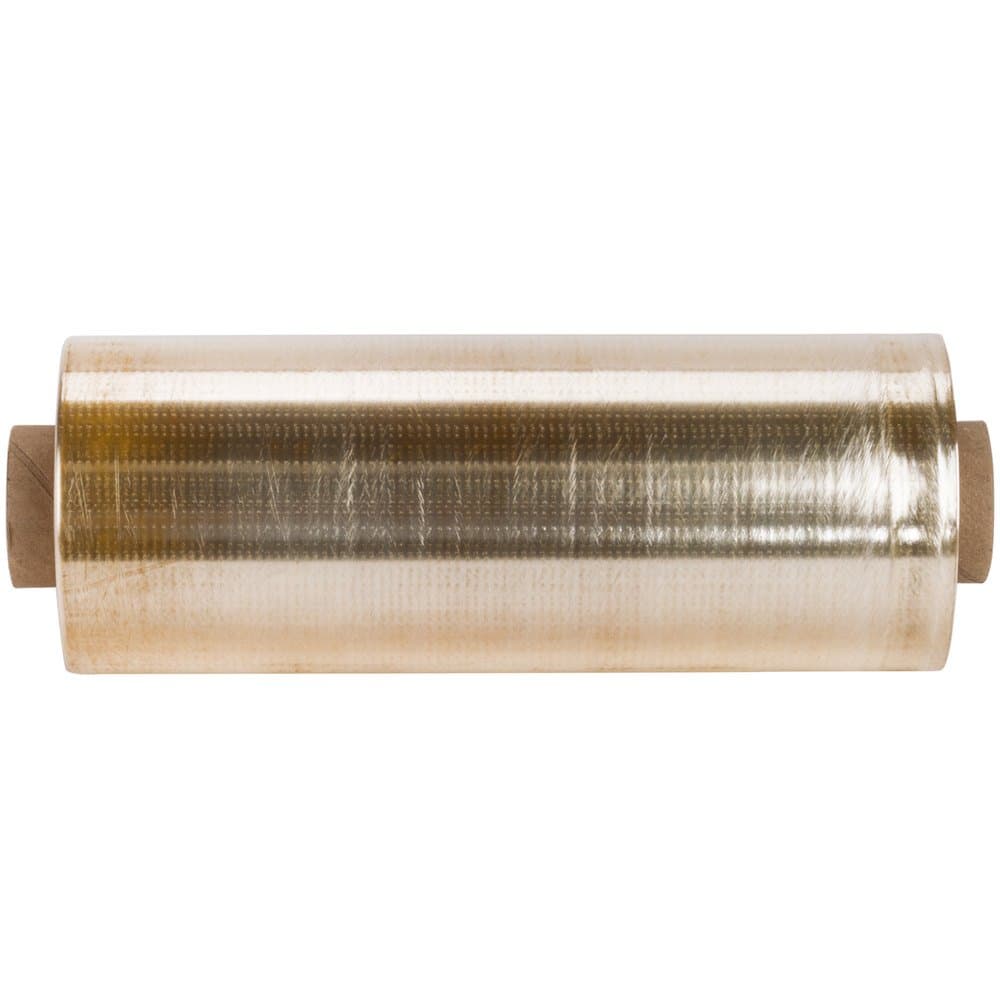
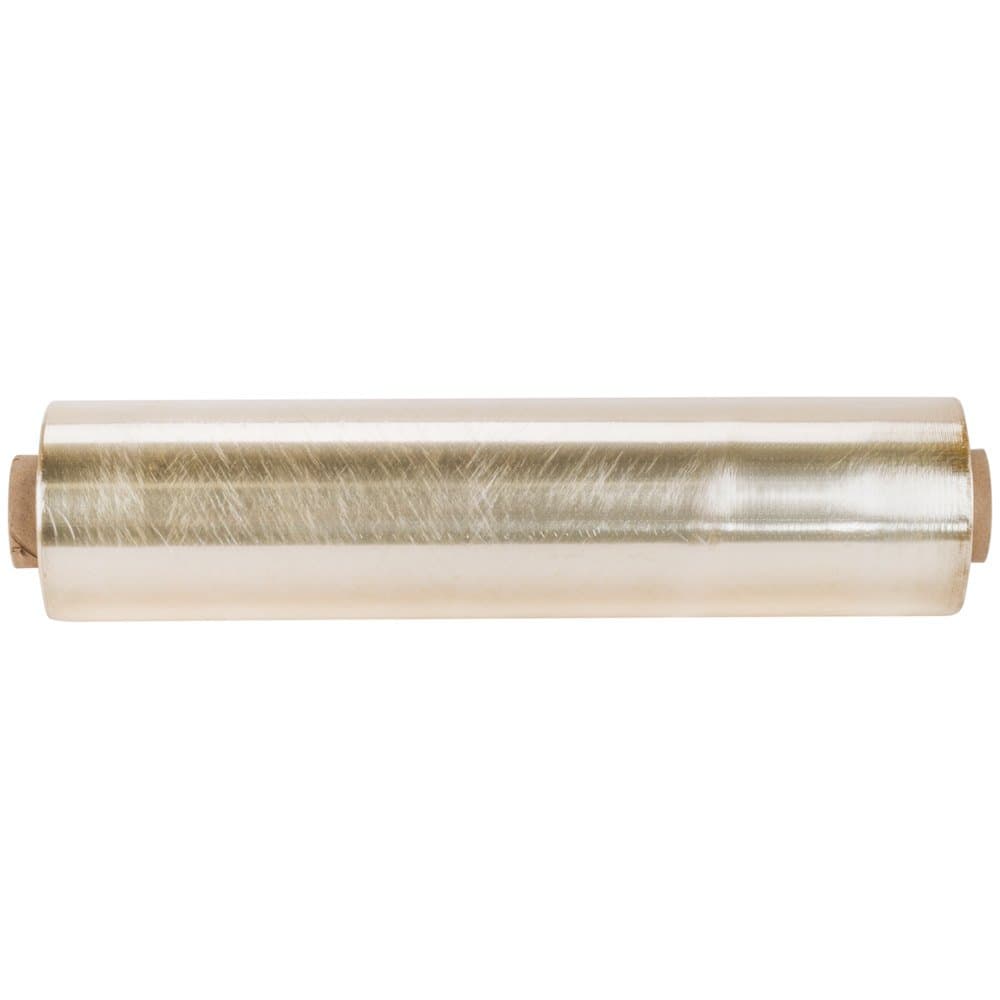
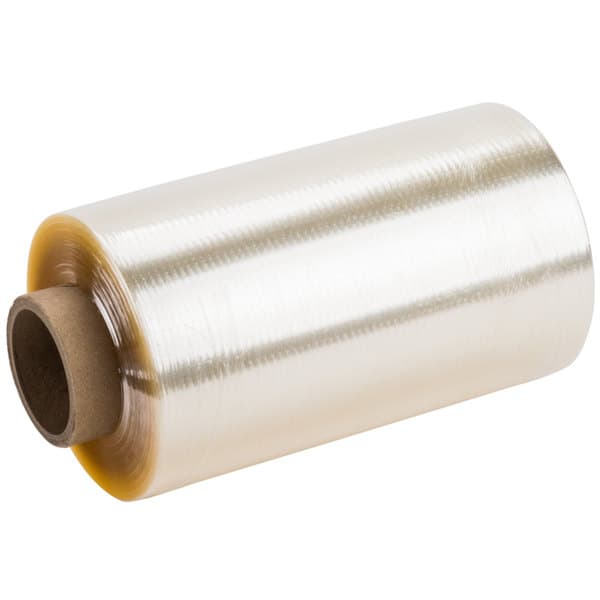
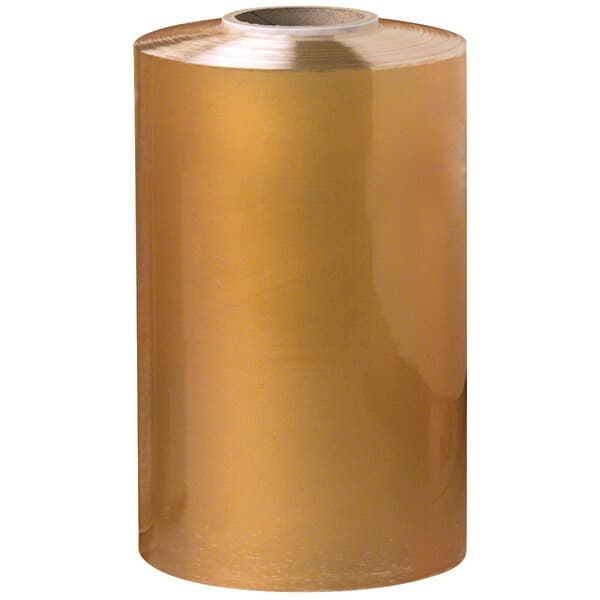
Western Plastics MW15 15" x 5000' 60 Gauge Meat Wrapping Film

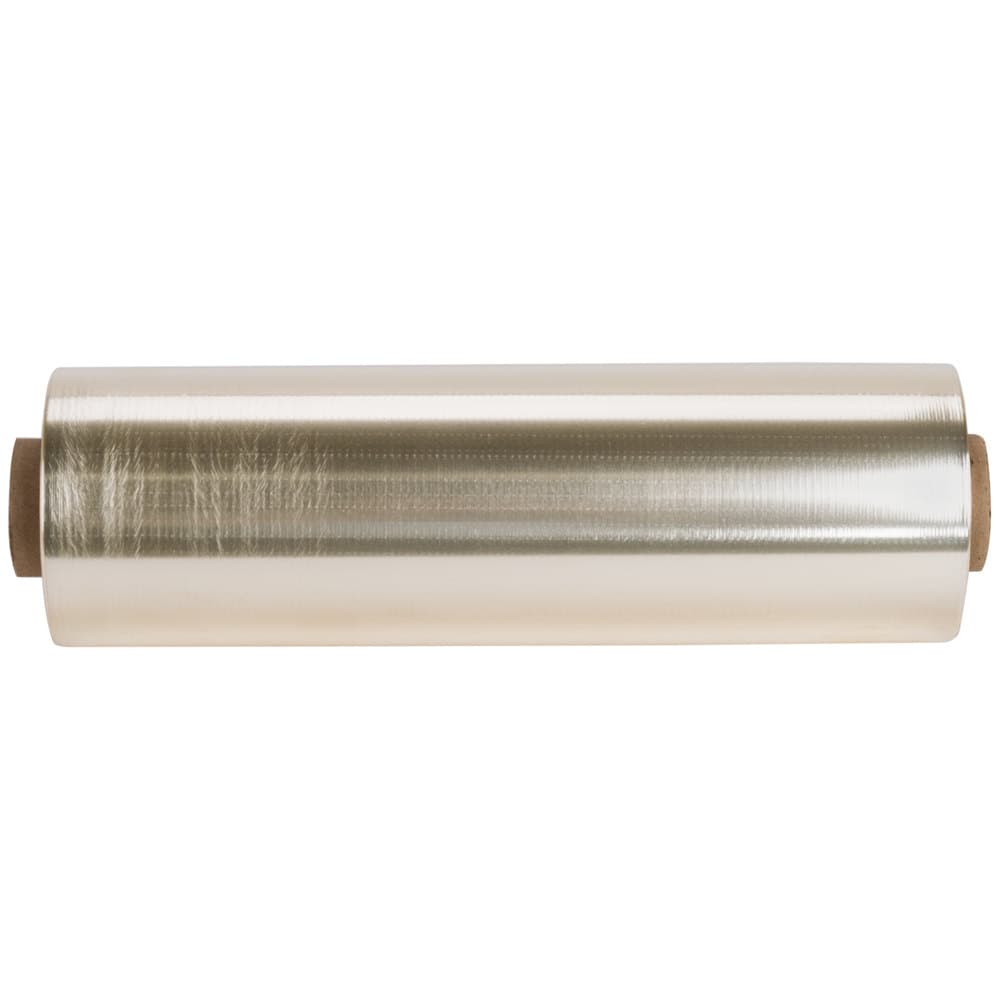
Western Plastics MW18 18" x 5000' 60 Gauge Meat Wrapping Film
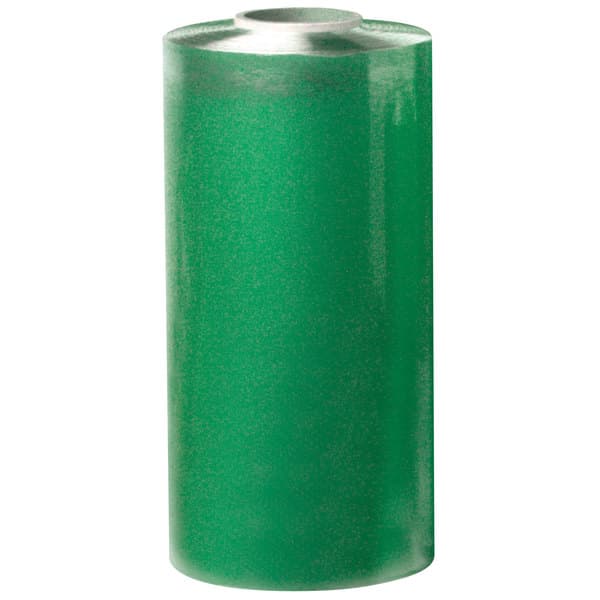
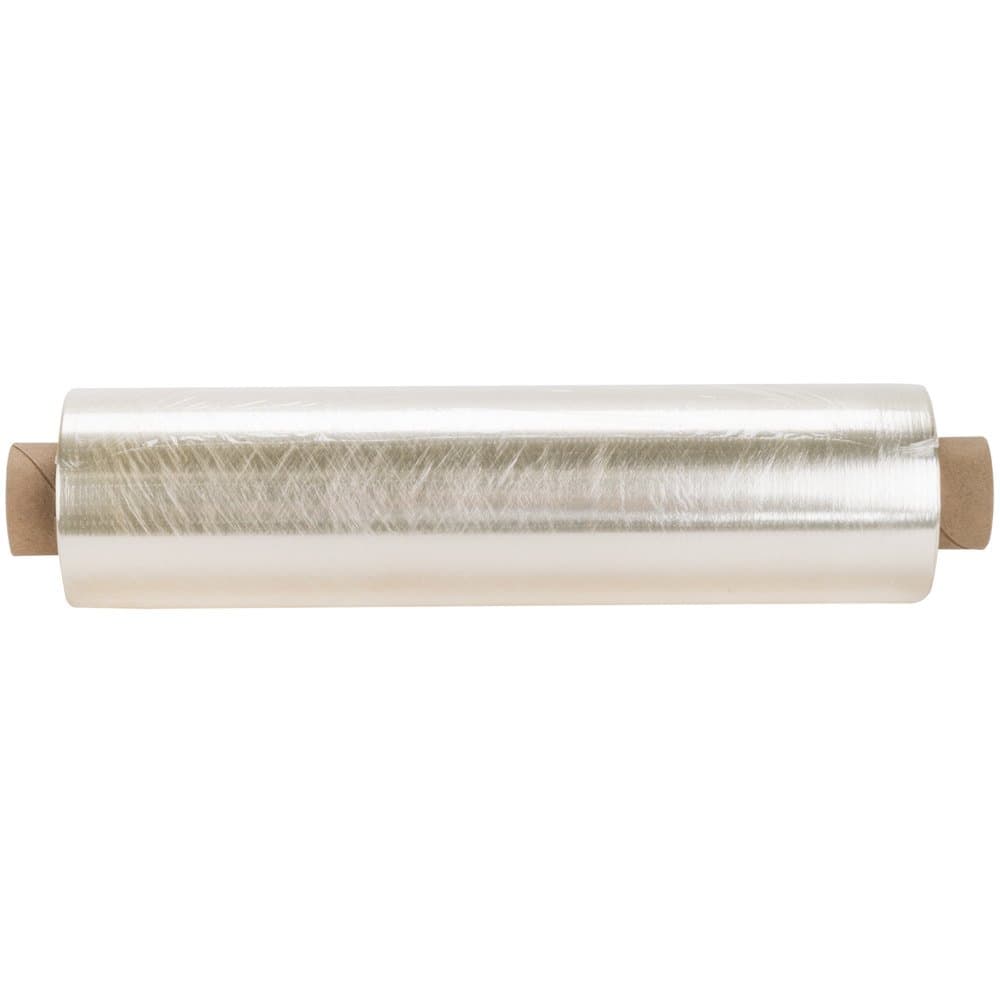
Western Plastics PW17 17" x 5000' 58 Gauge Produce Wrapping Film
About Plastic - Polyethylene
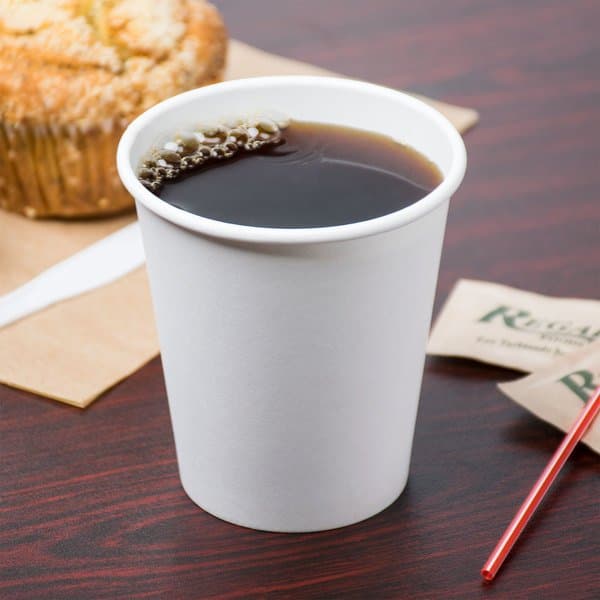
Polyethylene plastic is a versatile packaging material used throughout foodservice for wrapping fresh meats and produce, storing cold ingredients, and dispensing liquids. Restaurants, butcher shops, grocery delis, caterers, and institutional kitchens rely on polyethylene films, bags, and containers for everyday food handling and storage tasks.
What it handles
Polyethylene performs well in freezer storage and protects food from moisture and contaminants during refrigerated holding. It is not suitable for microwave reheating or oven use, as it will melt under heat. The material provides a flexible, clingy barrier that conforms to irregular shapes and maintains seal integrity in cold environments.
How it compares
Compared to polypropylene, polyethylene offers better cling and flexibility at a lower cost, making it ideal for wrapping applications. However, polypropylene handles higher temperatures and works in microwave and steam table settings where polyethylene cannot. For cold storage and wrapping tasks, polyethylene delivers reliable protection at an economical price point.
Choosing Plastic - Polyethylene
Consider these factors when selecting polyethylene products for your operation.
- Match gauge to application: Heavier gauge films provide more puncture resistance for bone-in meats, while lighter gauges work well for produce and baked goods.
- Perforated vs. continuous roll: Pre-cut perforated rolls speed up high-volume wrapping stations, while continuous rolls let you customize sheet size for varied products.
- Check food contact approval: Verify that polyethylene films and containers are intended for direct food contact, especially for raw protein and ready-to-eat items.
- Plan for recycling: Polyethylene is recyclable, so coordinate with your waste hauler to establish a clean film collection program if feasible.
- Store rolls properly: Keep polyethylene film rolls in a cool, dry area away from direct heat sources to prevent premature unwinding and maintain cling properties.
Frequently asked questions
- Is Plastic - Polyethylene microwave safe?
- No, polyethylene is not microwave safe. The material will soften, warp, or melt when exposed to microwave heat, making it unsuitable for reheating applications.
- Is Plastic - Polyethylene compostable?
- No, polyethylene is not compostable. It will not break down in commercial or backyard composting environments.
- What is polyethylene plastic made from?
- Polyethylene is a petroleum-based polymer made from ethylene monomers. It is one of the most common plastics used in packaging due to its flexibility, moisture resistance, and cost-effectiveness.
- Can polyethylene be used in the oven?
- No, polyethylene is not oven safe. It melts at relatively low temperatures and should never be placed in conventional or convection ovens.
- Is polyethylene safe for freezer storage?
- Yes, polyethylene is freezer safe and performs well in sub-zero temperatures. It remains flexible and maintains its barrier properties during frozen storage, making it ideal for wrapping proteins, vegetables, and prepared foods for freezing.
- Can polyethylene packaging be recycled?
- Yes, polyethylene is recyclable, though acceptance varies by local program. Clean, dry polyethylene films can often be returned to grocery store drop-off bins, while rigid polyethylene containers may be accepted in curbside recycling depending on your hauler.