
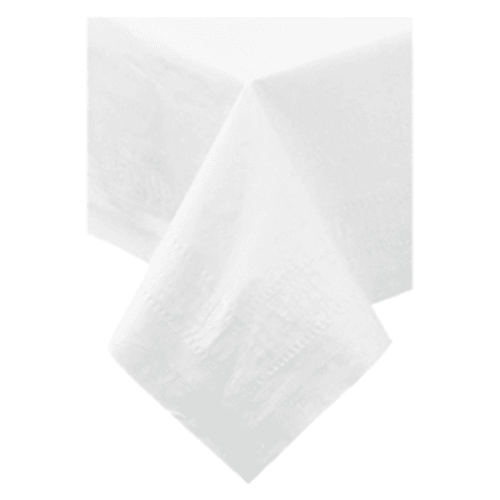
Hoffmaster 210046 54" x 54" White Cellutex Tissue / Poly Paper Table Cover
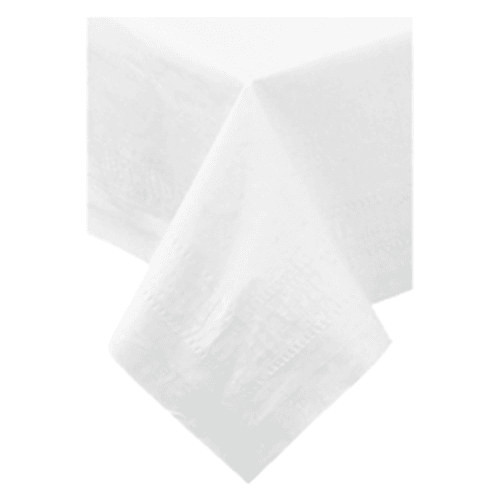
Hoffmaster 210086 82" x 82" White Cellutex Tissue / Poly Paper Table Cover
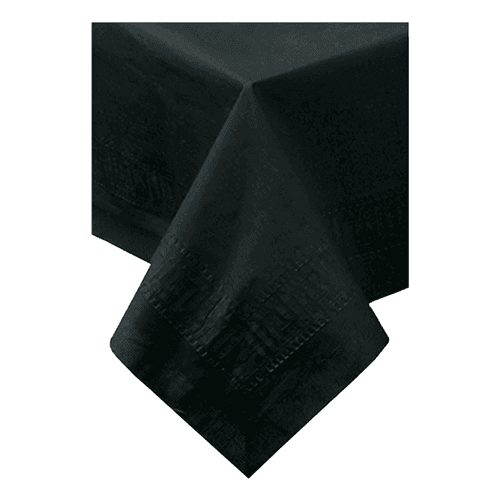
Hoffmaster 220613 54" x 108" Black Cellutex Tissue / Poly Paper Table Cover

Hoffmaster 220622 54" x 108" Navy Blue Cellutex Tissue / Poly Paper Table Cover

Hoffmaster 220624 54" x 108" Burgundy Cellutex Tissue / Poly Paper Table Cover

Hoffmaster 220637 54" x 108" Hunter Green Cellutex Tissue / Poly Paper Table Cover

Hoffmaster 220640 54" x 108" Sun Yellow Cellutex Tissue / Poly Paper Table Cover
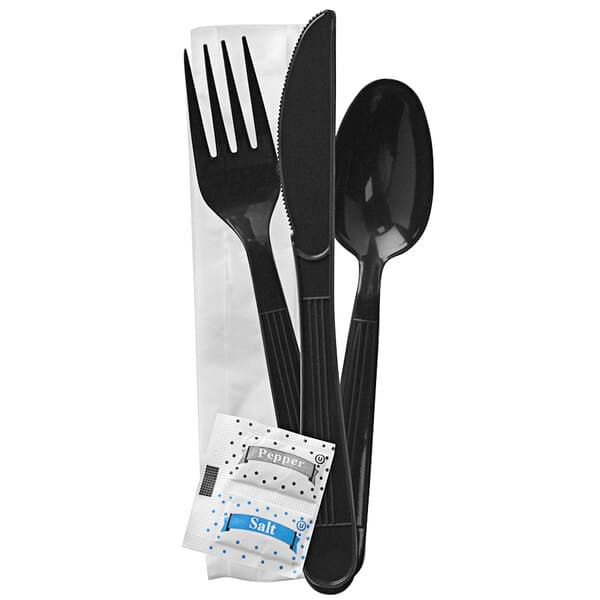
Individually Wrapped Plastic Cutlery Kit - Fork, Knife, Spoon, Napkin, Salt, Pepper
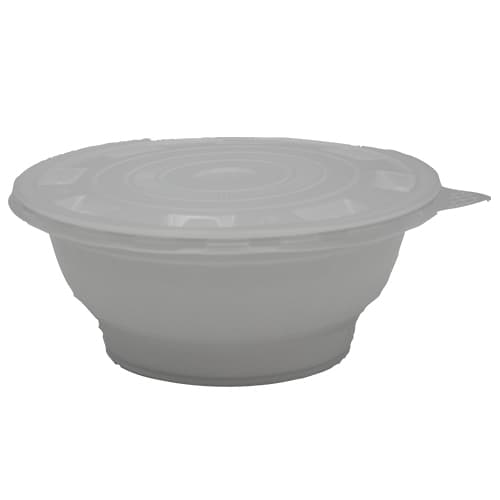
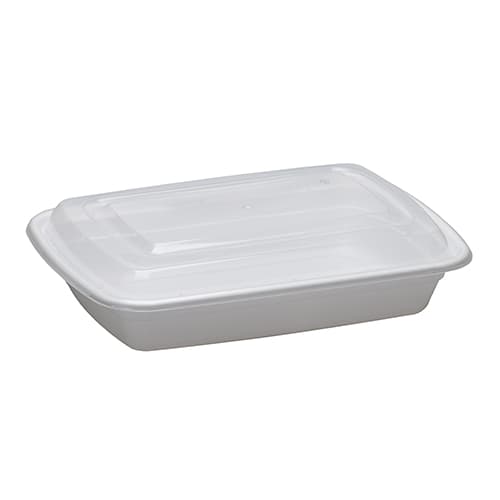
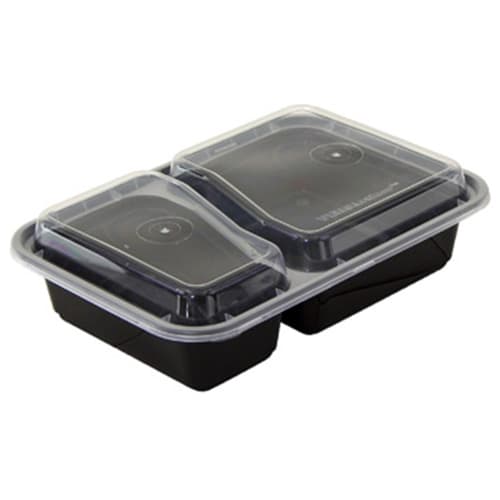
Microwavable 30 oz. Black 8 3/4" x 6" x 2 3/4" 2-Compartment Rectangular Heavy Weight Container
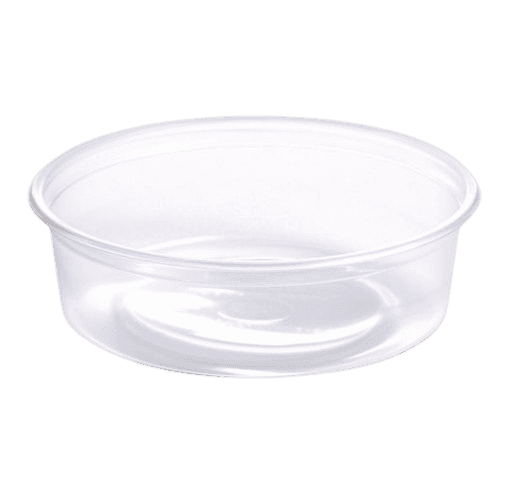
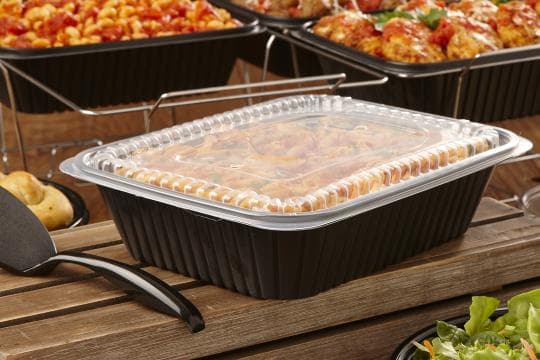
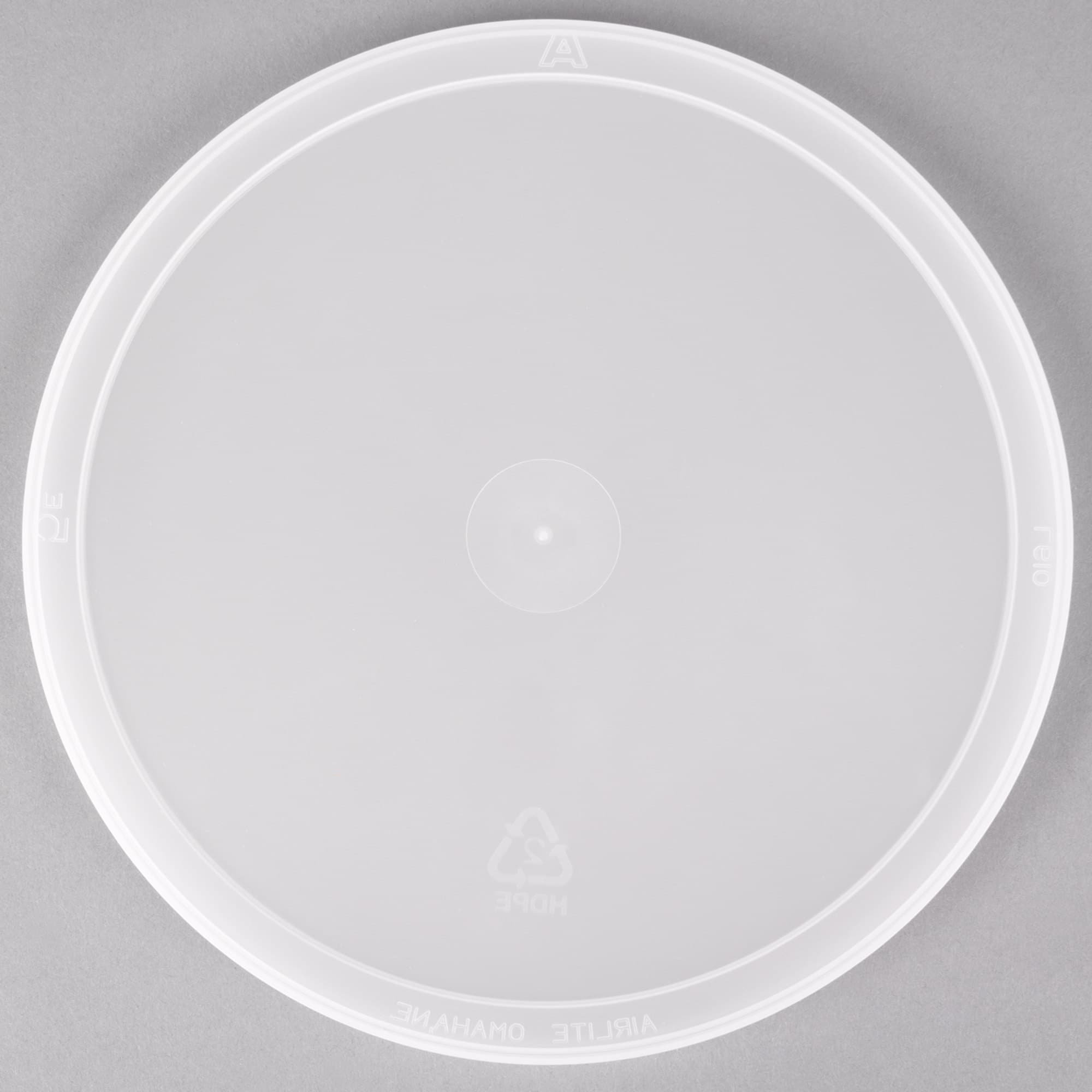
Round PP Lid - fits 64 oz Round Polypropylene Deli Container
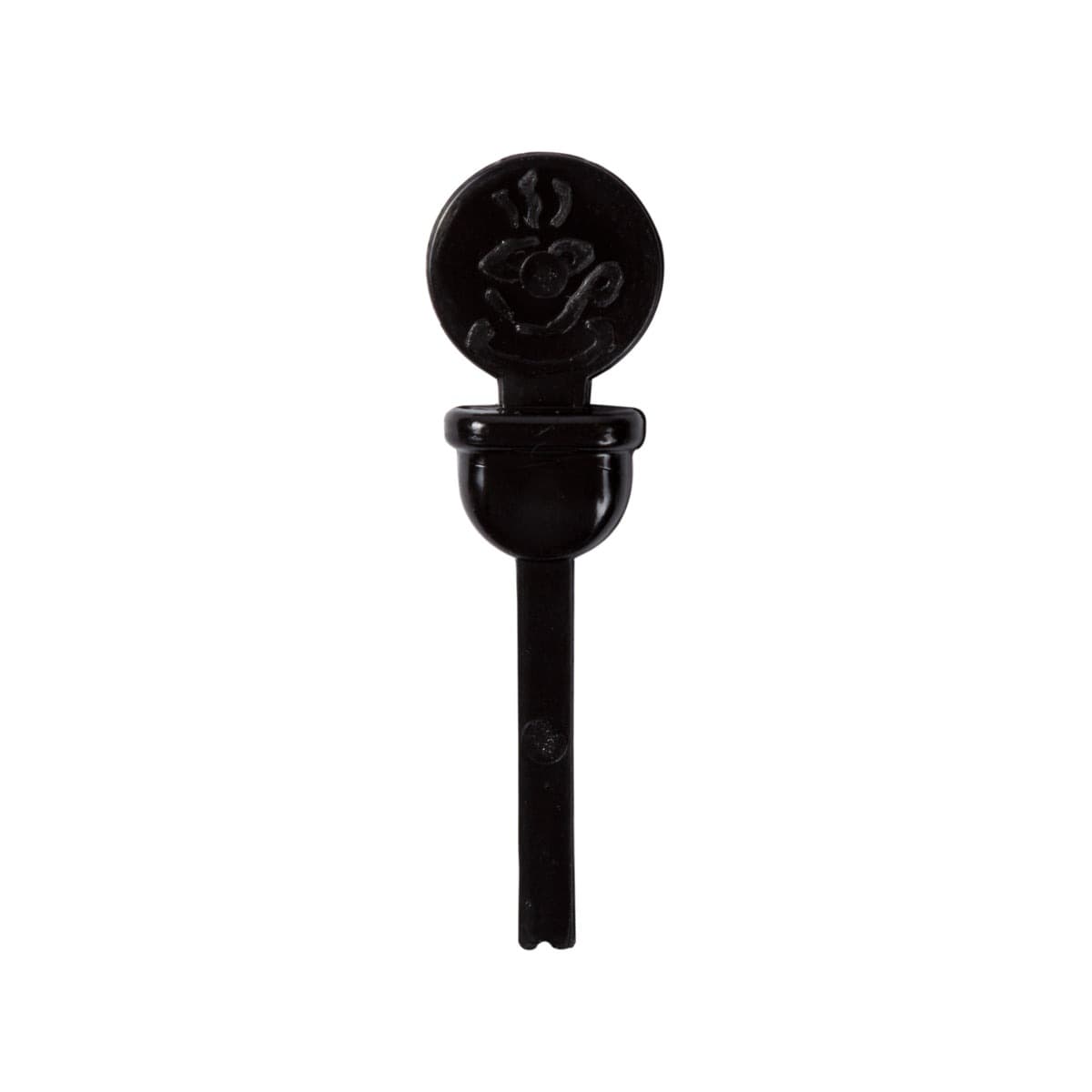
Royal Paper STIRSTIX-BK Stix To Go 2" Black Beverage Plug
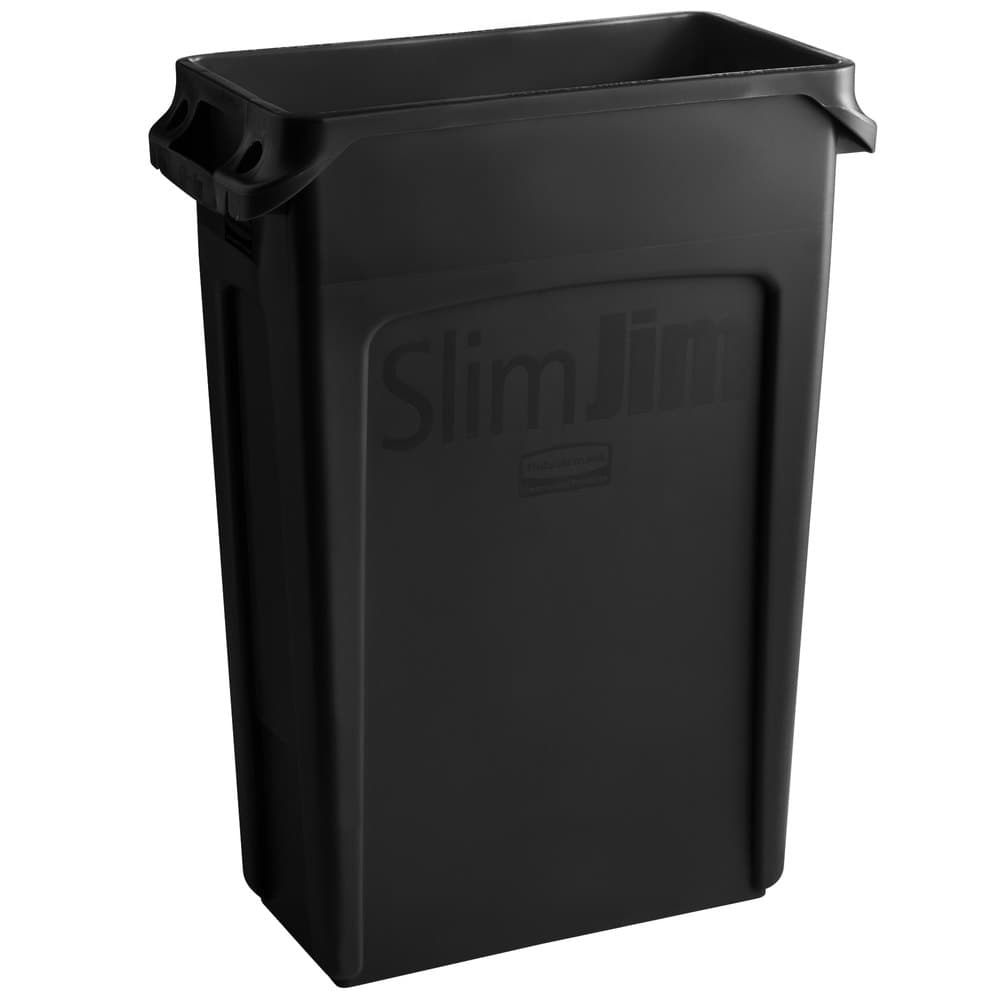
Rubbermaid FG354060BLA 92 Qt. / 23 Gallon Slim Jim Black Trash Can
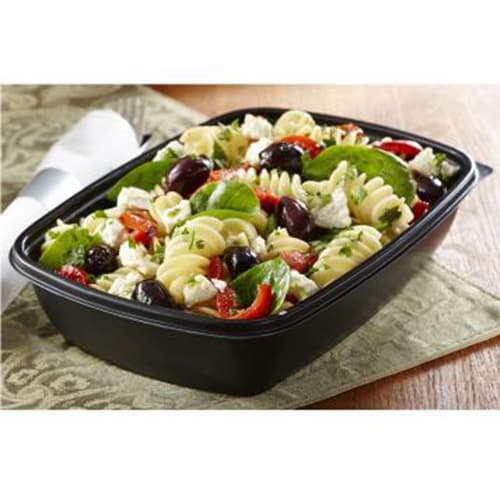
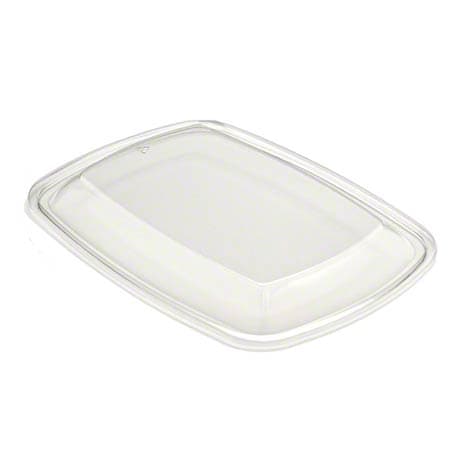
Sabert Clear Dome Lid for 20, 30 oz. Small Rectangle Containers
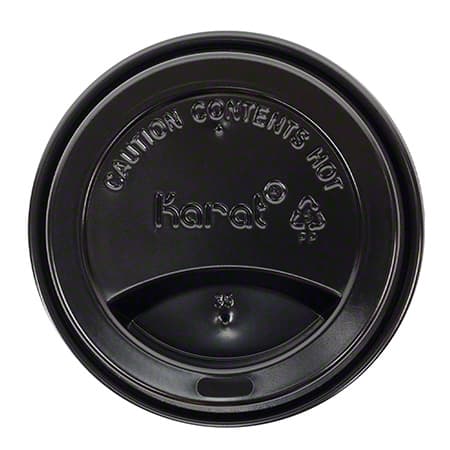
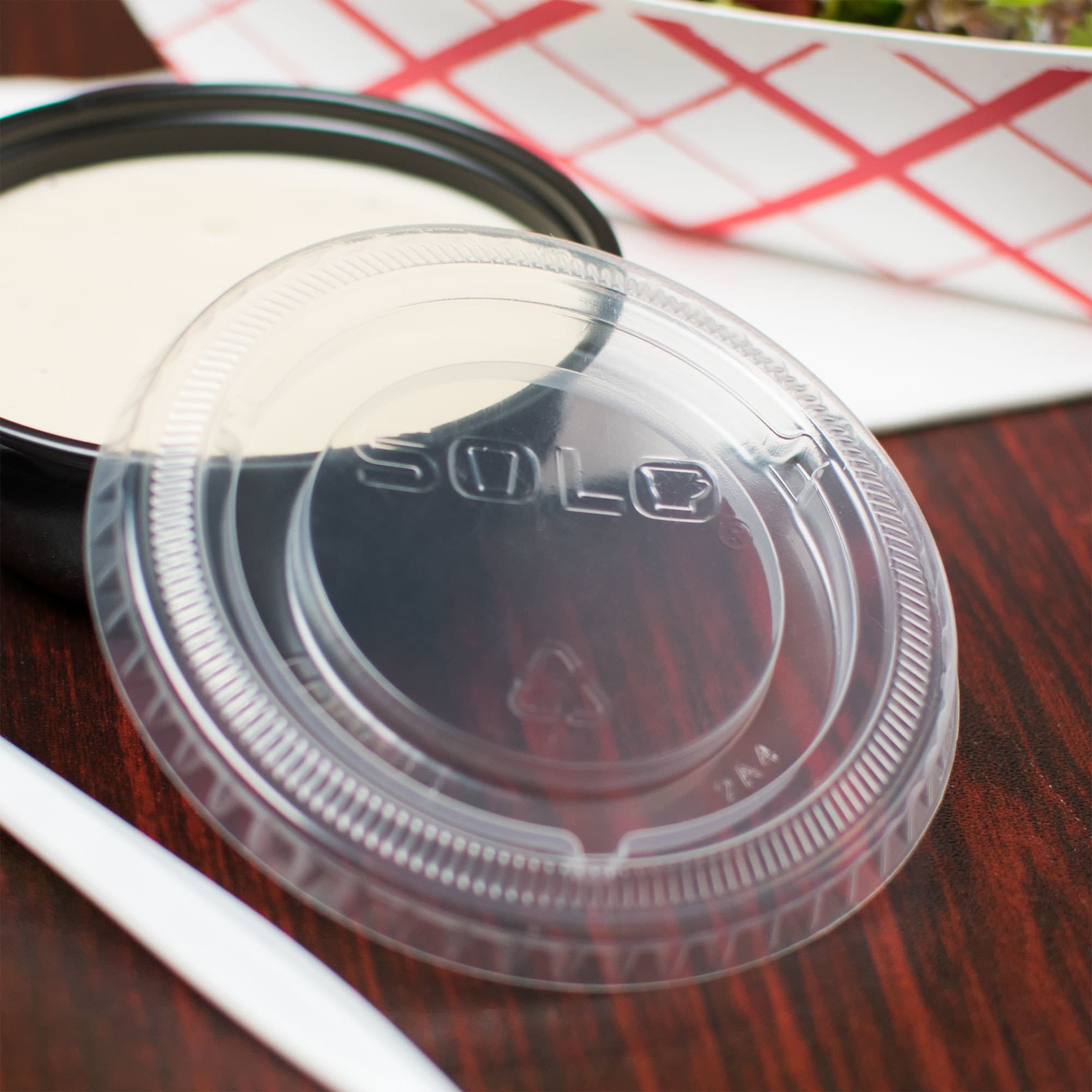
Solo SLDSS23 Wide Sauce / Portion Cup Snaptight Lid for 2.5 oz. & 3.5 oz. Cups
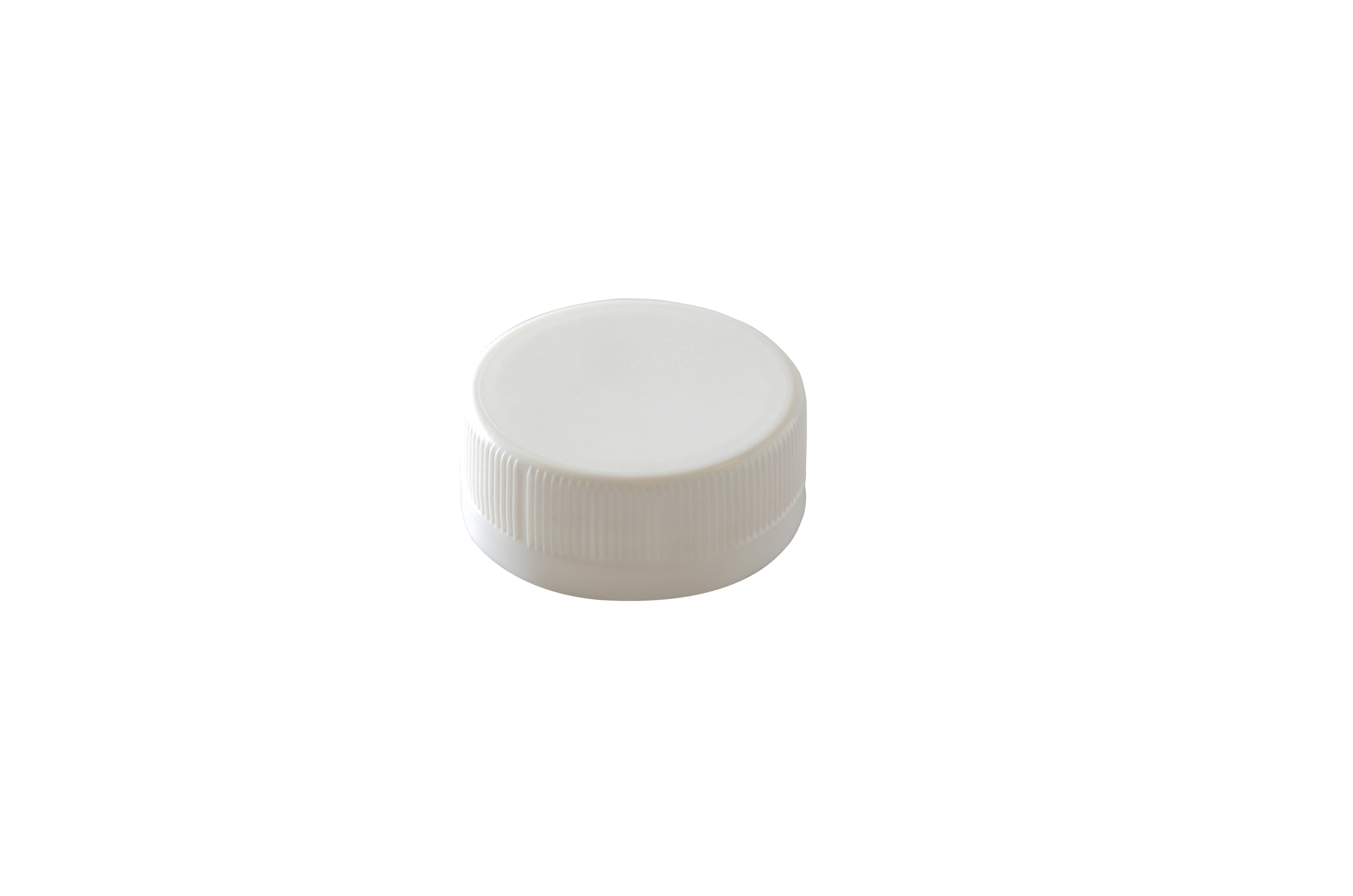
White PP Tamper-Evident Cap - fits 12-16 oz PET Juice Bottles
About Plastic - Polypropylene
Polypropylene is a workhorse plastic used throughout foodservice for deli containers, reusable cloths, cleaning supplies, and cold or reheated food storage. Restaurants, caterers, delis, and institutional kitchens rely on it for everyday packaging, prep containers, and wiping tasks that demand durability and repeated use.
What it handles
Polypropylene tolerates microwave reheating and freezer storage, making it suitable for cold prep, refrigerated storage, and reheating prepared foods. It resists moisture and grease effectively, holds its shape under moderate stress, and maintains integrity across repeated temperature swings. It is not oven-safe and will warp or melt under direct high heat.
How it compares
Compared to polystyrene foam, polypropylene is more durable, reusable, and handles temperature changes better, but it costs more per unit and is heavier. Unlike PET, polypropylene withstands microwave heat without deforming, though it lacks the crystal clarity PET offers for showcasing fresh food. Polypropylene is recyclable in many municipal programs, whereas foam often is not.
Choosing Plastic - Polypropylene
Match the container type and features to your operation's reheating, storage, and reuse needs.
- For reheating: Choose polypropylene deli containers or lids when customers or staff will microwave food directly in the package.
- For durability: Select polypropylene wiping cloths or reusable items when you need something that withstands repeated laundering or heavy handling.
- For cold and frozen: Use polypropylene for batch prep storage that moves between freezer, fridge, and microwave without cracking.
- For visibility: Pair clear polypropylene lids with opaque bases when you want some product visibility without the cost of fully clear PET.
- For recycling: Confirm that polypropylene is accepted in your local recycling stream, as acceptance varies by municipality.
Frequently asked questions
- Is Plastic - Polypropylene microwave safe?
- Yes, polypropylene is microwave safe. It withstands the heat generated during typical microwave reheating without warping or leaching, making it a standard choice for microwaveable deli containers and meal prep packaging.
- Is Plastic - Polypropylene compostable?
- No, polypropylene is not compostable. It is a conventional plastic that does not break down in commercial or home composting systems.
- Can Plastic - Polypropylene go in the oven?
- No, polypropylene is not oven safe. It will warp, melt, or release fumes at oven temperatures, so it should only be used for microwave reheating, refrigeration, or freezer storage.
- Is Plastic - Polypropylene recyclable?
- Yes, polypropylene is recyclable. Many municipal recycling programs accept polypropylene containers marked with resin code 5, though acceptance varies by location.
- What is Plastic - Polypropylene made from?
- Polypropylene is made from petroleum-based propylene monomer through polymerization. It is a thermoplastic polymer widely used in foodservice for its balance of durability, chemical resistance, and cost.
- Can Plastic - Polypropylene be used in the freezer?
- Yes, polypropylene is freezer safe. It remains flexible and crack-resistant at freezer temperatures, making it suitable for frozen food storage and batch prep that requires freezing.