
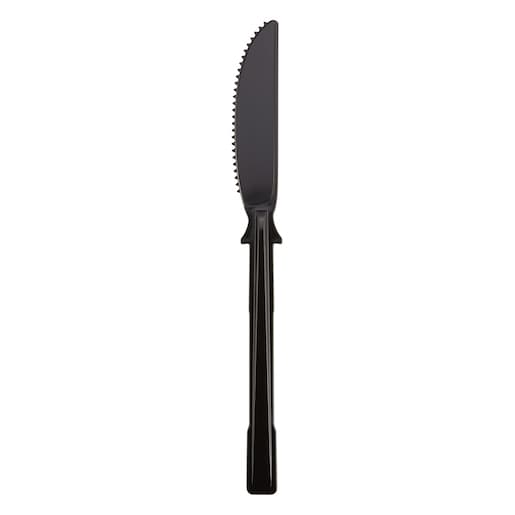
GP Pro Dixie Ultra® Smartstock® Black Series-T Polystyrene Plastic Knife Refill
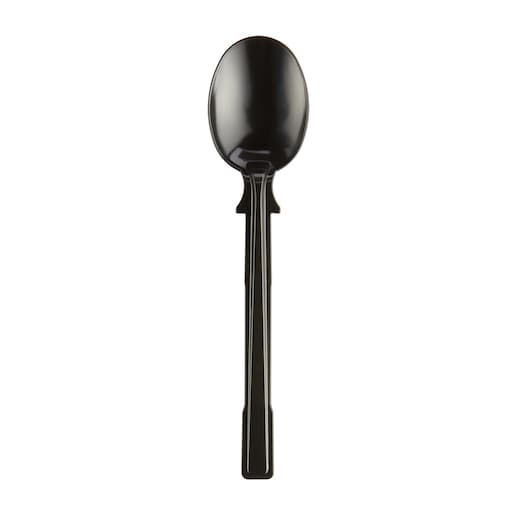
GP Pro Dixie Ultra® Smartstock® Black Series-T Polystyrene Plastic Soupspoon Refill
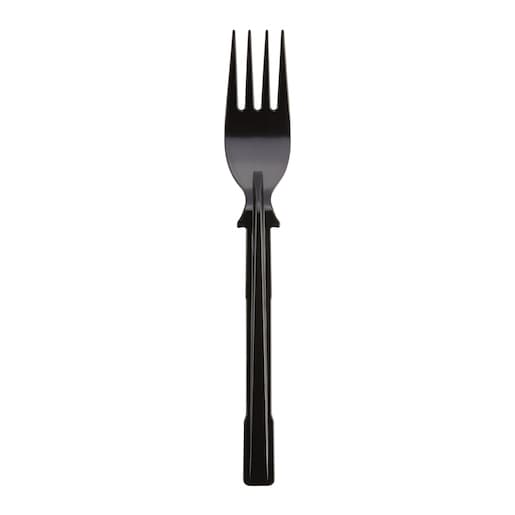
GP Pro Dixie Ultra® Smatstock® Black Series-T Polystyrene Plastic Fork Refill
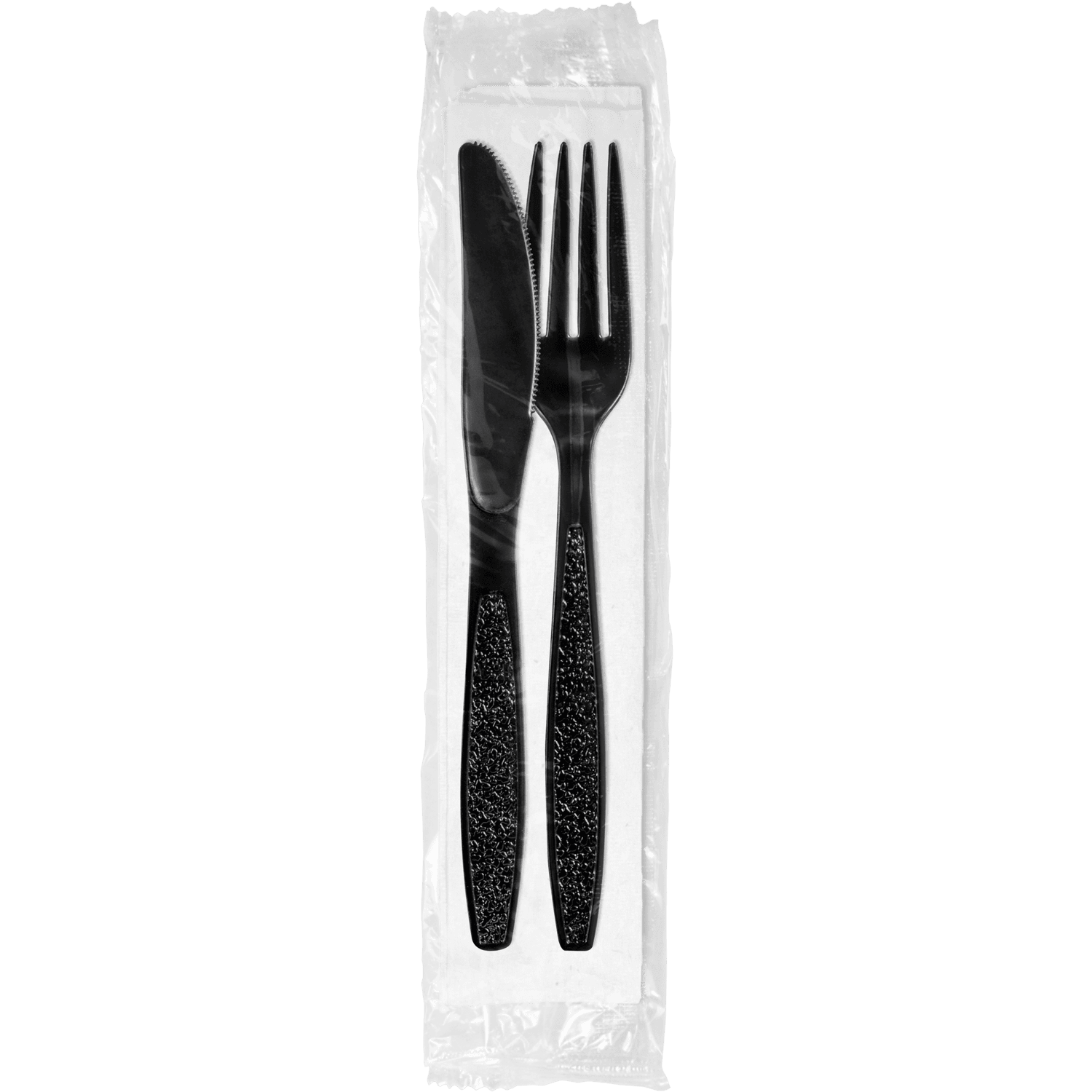
Heavy Weight Polystyrene Cutlery Kit, Black - Fork, Knife, Napkin
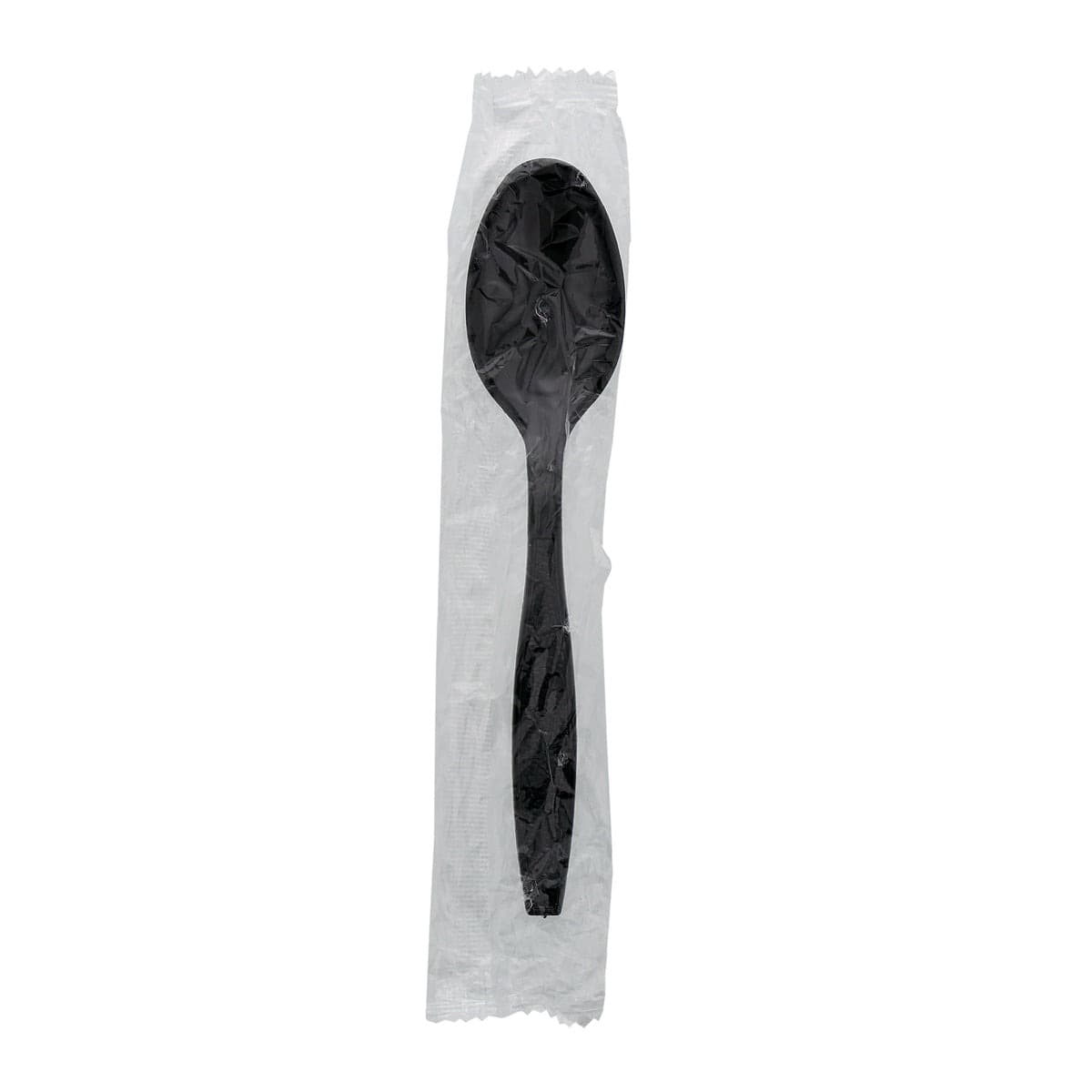
Individually Wrapped Black Heavy Weight Plastic Teaspoon
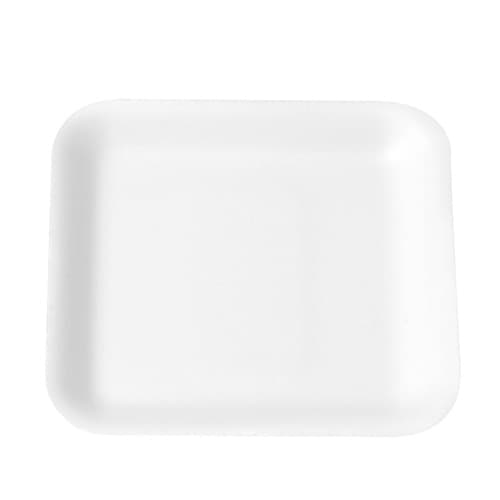
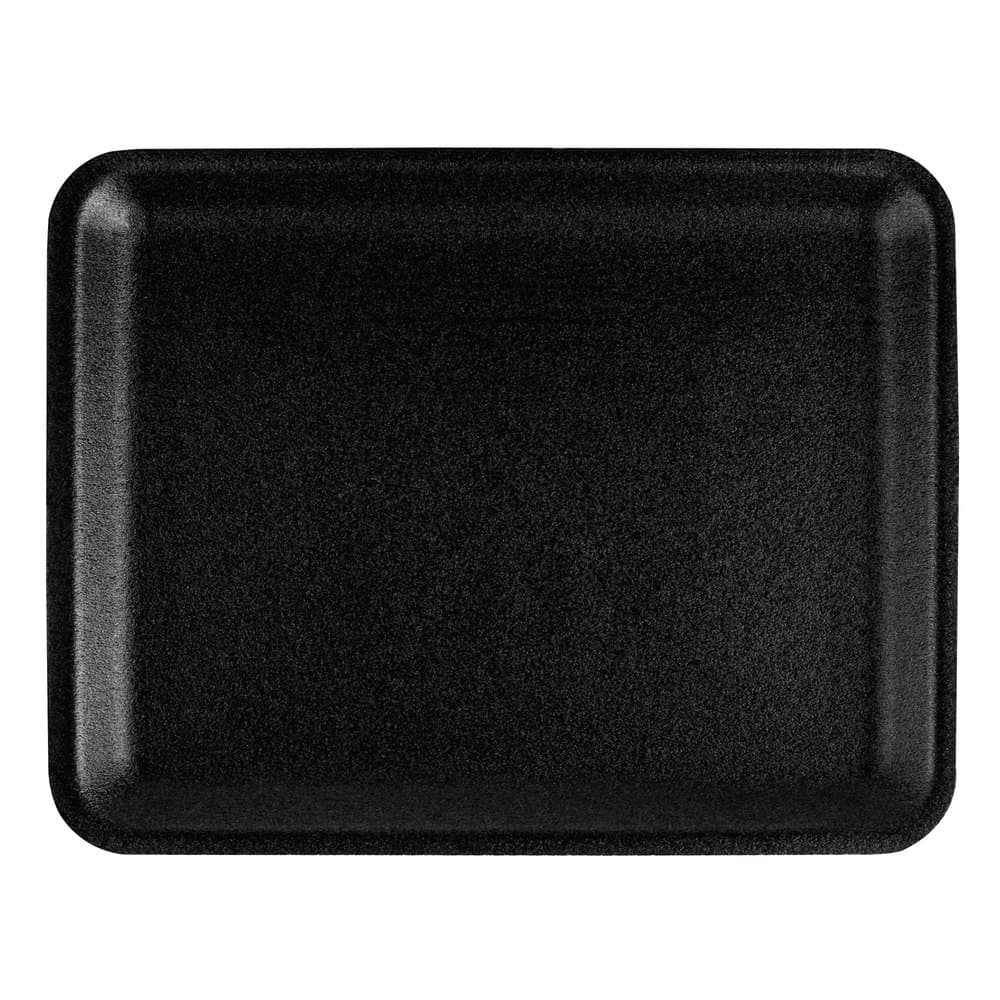
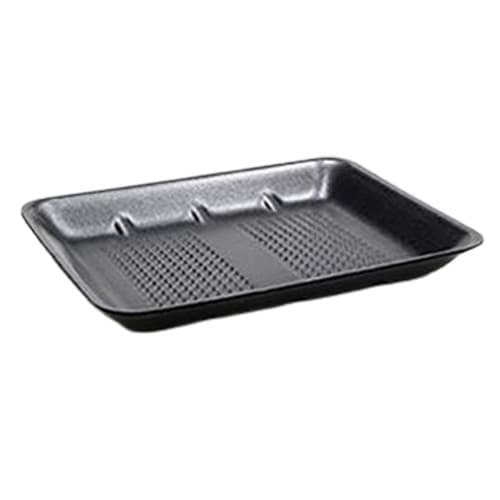
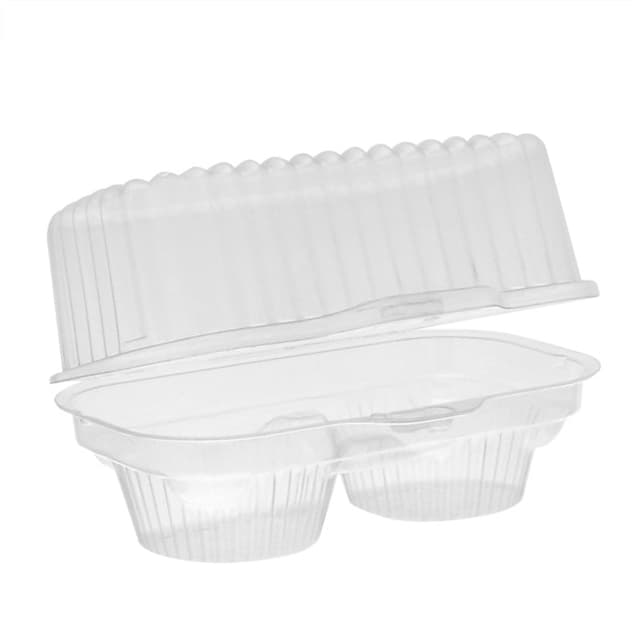
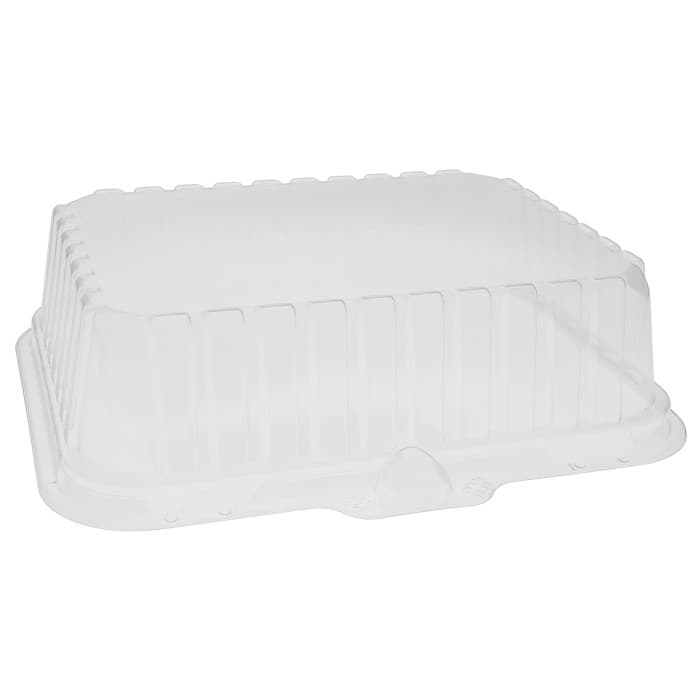
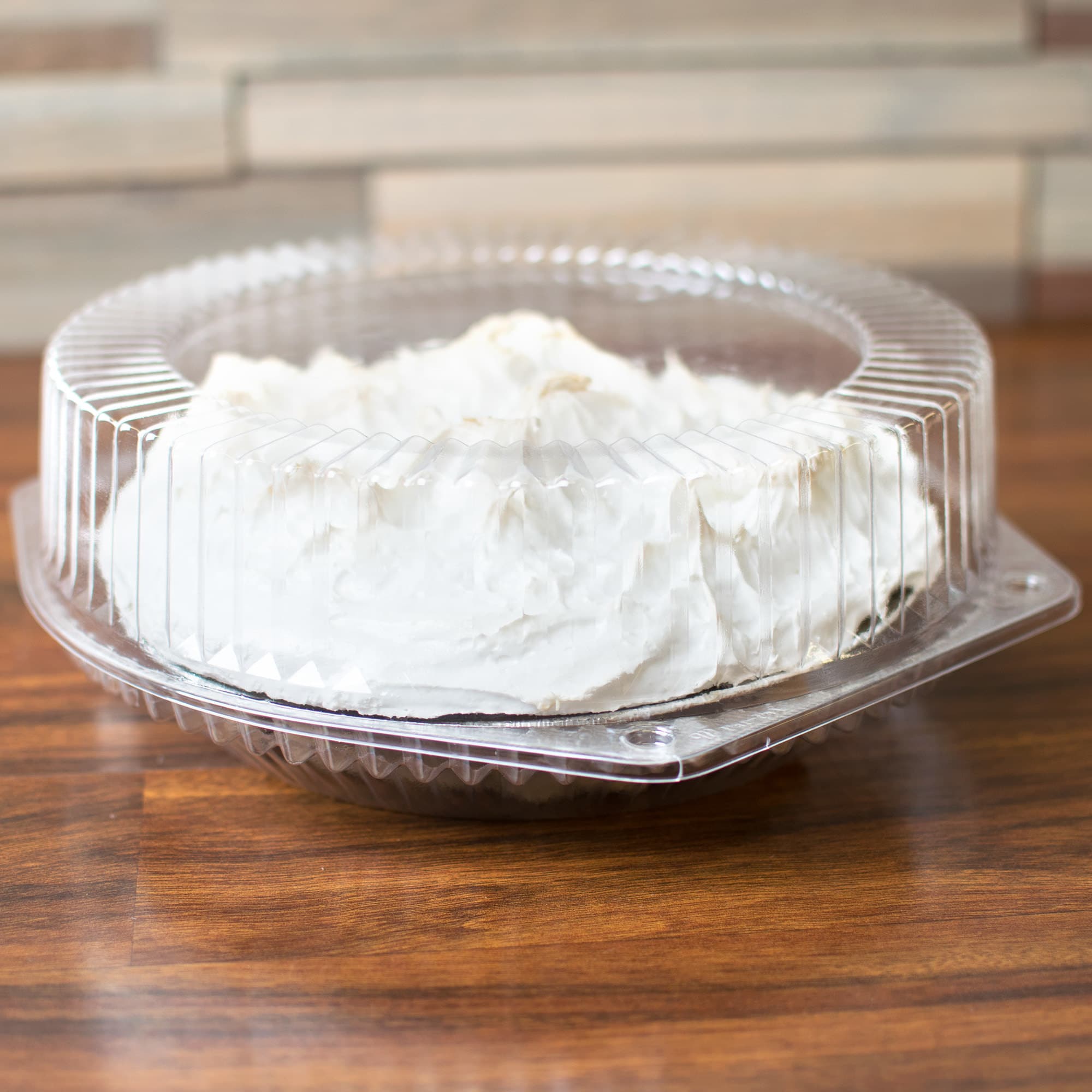
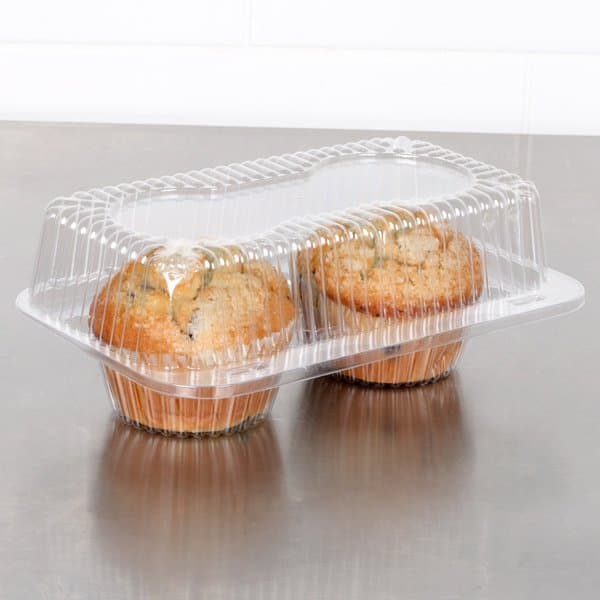
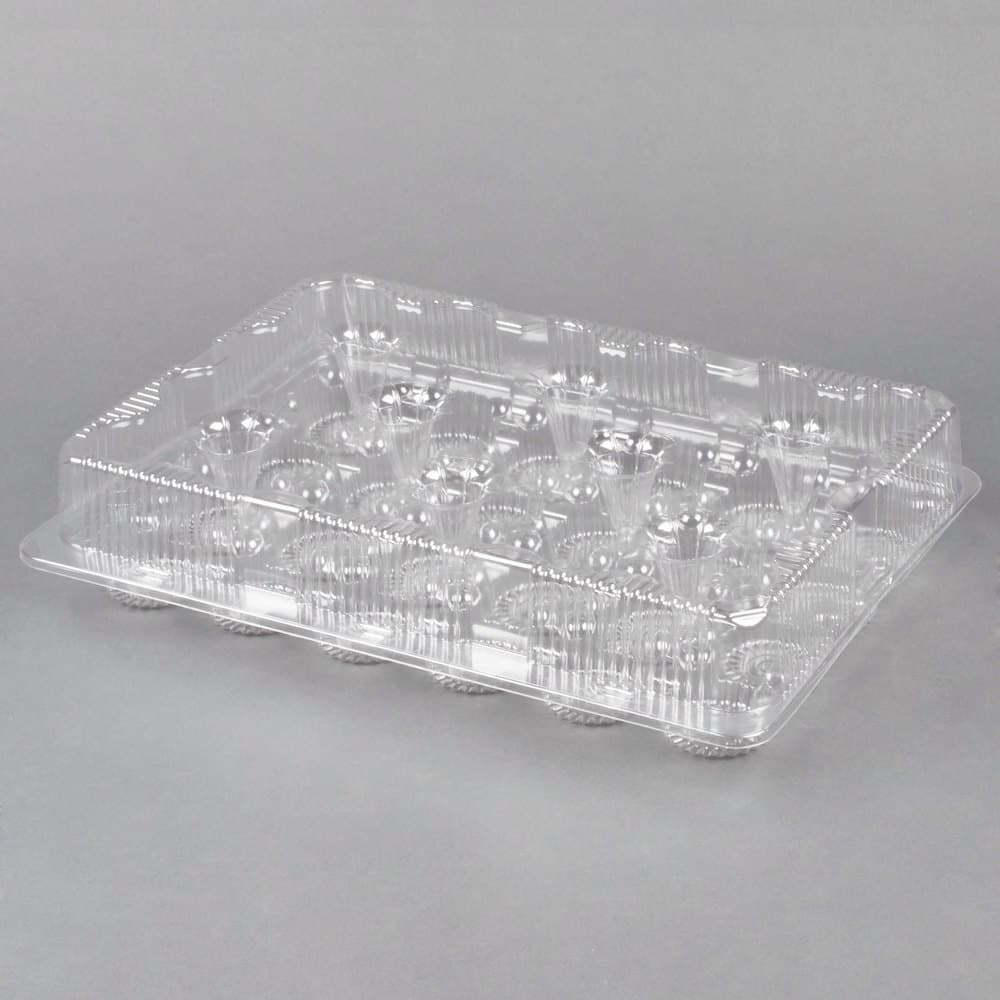
Polar Pak 24 Compartment Clear Hinged Cupcake / Muffin Takeout Container
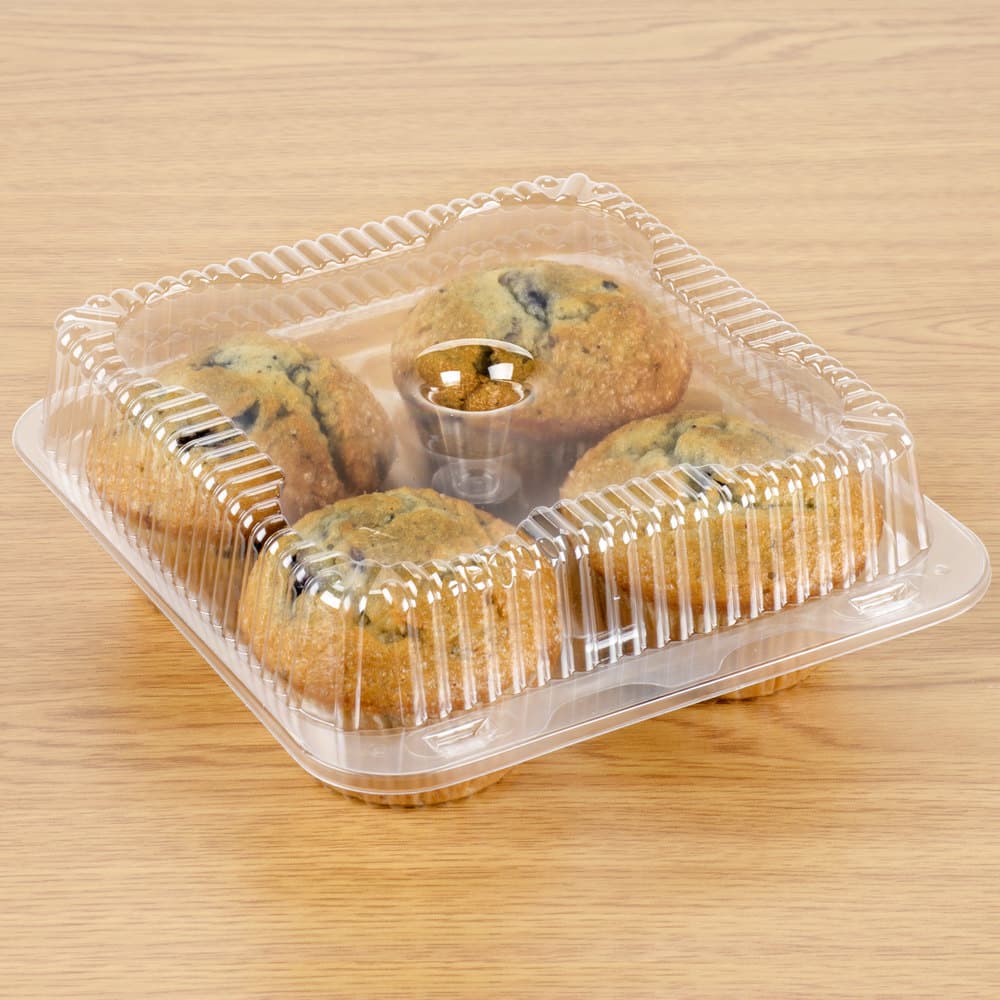
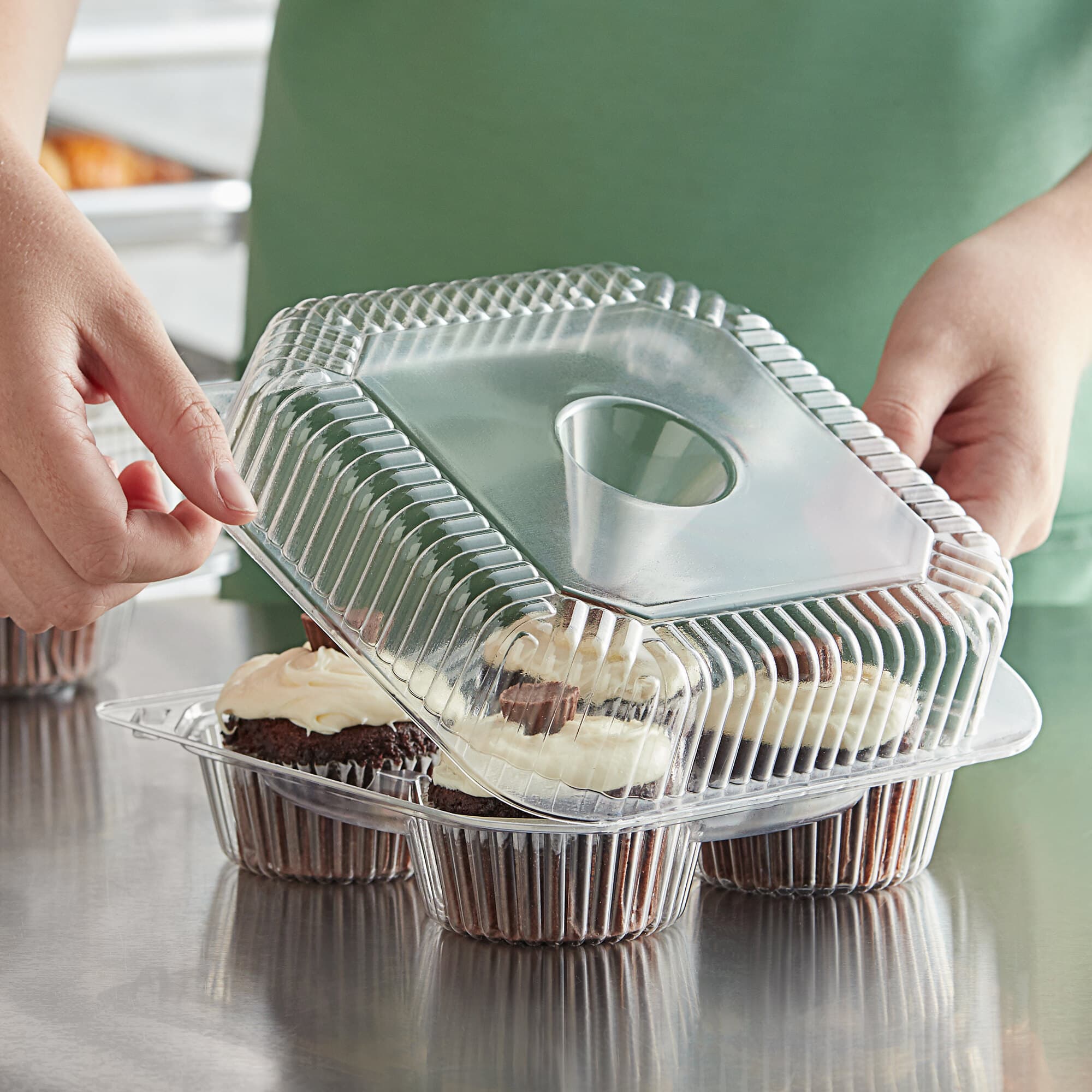
Polar Pak 4 Compartment Clear OPS Hinged Cupcake / Muffin Container
About Plastic - Polystyrene
Polystyrene plastic is a workhorse material for high-volume foodservice operations including restaurants, cafeterias, catering companies, and food trucks. It delivers lightweight, rigid containers, cups, and cutlery that handle both cold and hot foods without adding weight or cost to service.
What it handles
Polystyrene performs well with both hot and cold foods, is microwave safe and freezer safe, and provides reliable insulation for temperature retention. It resists moisture and light oils effectively, making it suitable for beverages, soups, salads, and cold desserts. It is not oven safe and should not be exposed to direct high heat or open flames.
How it compares
Against PET or PP plastic alternatives, polystyrene offers better insulation and lower cost, but less clarity and structural strength under pressure. Compared to paper or molded fiber, polystyrene provides superior moisture resistance and doesn't require additional lining, though it lacks the compostable or recyclable disposal options that many operations now prioritize. The tradeoff is cost and function versus environmental impact.
Choosing Plastic - Polystyrene
Focus on product type, volume, and end-use temperature when selecting polystyrene items.
- Match wall thickness to use: Heavier gauge polystyrene like the Classicware coffee cups holds hot liquids longer, while thinner tumblers work well for cold beverages and keep costs down.
- Consider foam vs. solid: Expanded polystyrene foam provides better insulation for hot drinks and soups, while solid polystyrene delivers more rigidity for utensils and tasting service.
- Check local regulations: Many jurisdictions have banned or restricted polystyrene foodservice items, so verify compliance before committing to large inventory.
- Plan for disposal: Polystyrene is neither compostable nor recyclable in most facilities, so factor waste hauling and landfill costs into your total cost of ownership.
- Use for single-service only: Polystyrene utensils and containers are designed for one-time use and degrade quickly with reuse or washing.
Frequently asked questions
- Is Plastic - Polystyrene microwave safe?
- Yes, polystyrene is microwave safe for reheating food and beverages. Avoid prolonged high-power heating, which can cause warping or melting at extreme temperatures.
- Is Plastic - Polystyrene compostable?
- No, polystyrene is not compostable. It does not break down in composting facilities and must be disposed of as solid waste.
- Can Plastic - Polystyrene go in the oven?
- No, polystyrene is not oven safe. It will melt or deform when exposed to oven temperatures, and should only be used for microwave reheating or cold and room-temperature service.
- Is Plastic - Polystyrene recyclable?
- No, polystyrene is not recyclable through most municipal or commercial recycling programs. It ends up in landfill after use.
- What is Plastic - Polystyrene made from?
- Polystyrene is a petroleum-based plastic made from styrene monomers. It can be manufactured as solid rigid plastic or expanded into foam for insulation properties.
- Is Plastic - Polystyrene freezer safe?
- Yes, polystyrene is freezer safe and maintains its structure at low temperatures. It works well for frozen desserts, ice cream service, and cold storage applications.