
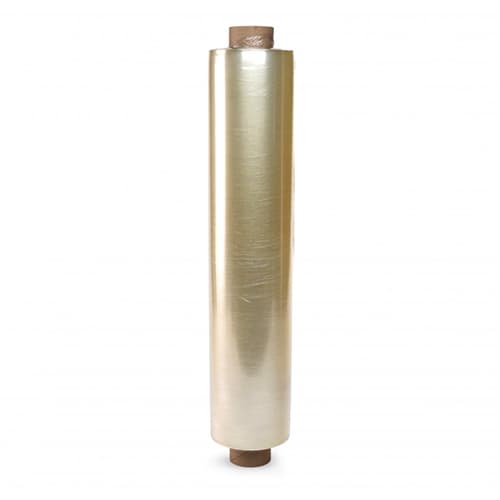
18" x 2000' Food Film Refill Roll for WP-180D WrapMaster Dispenser 18" Width
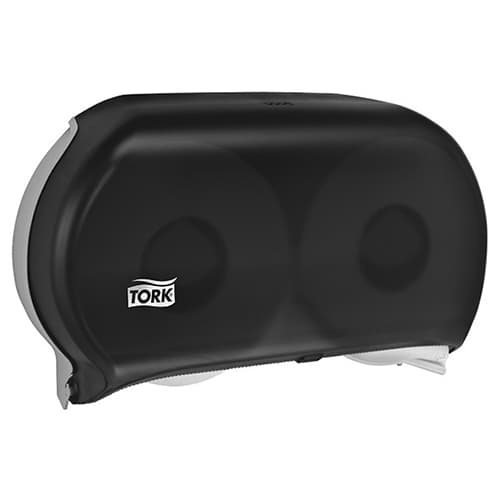
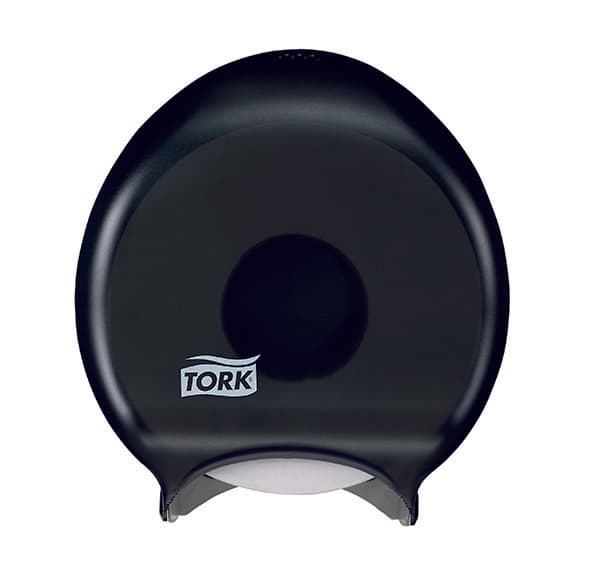
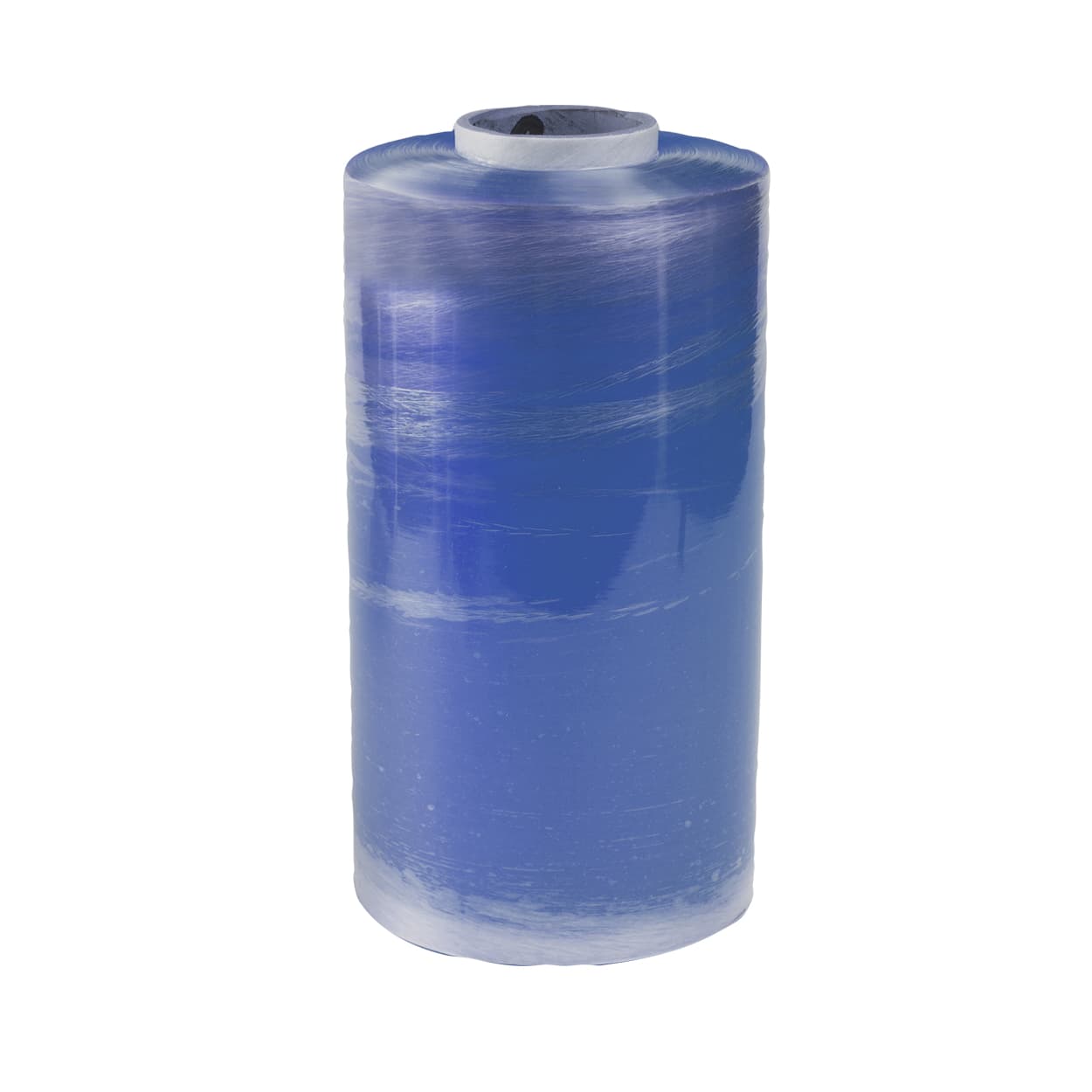
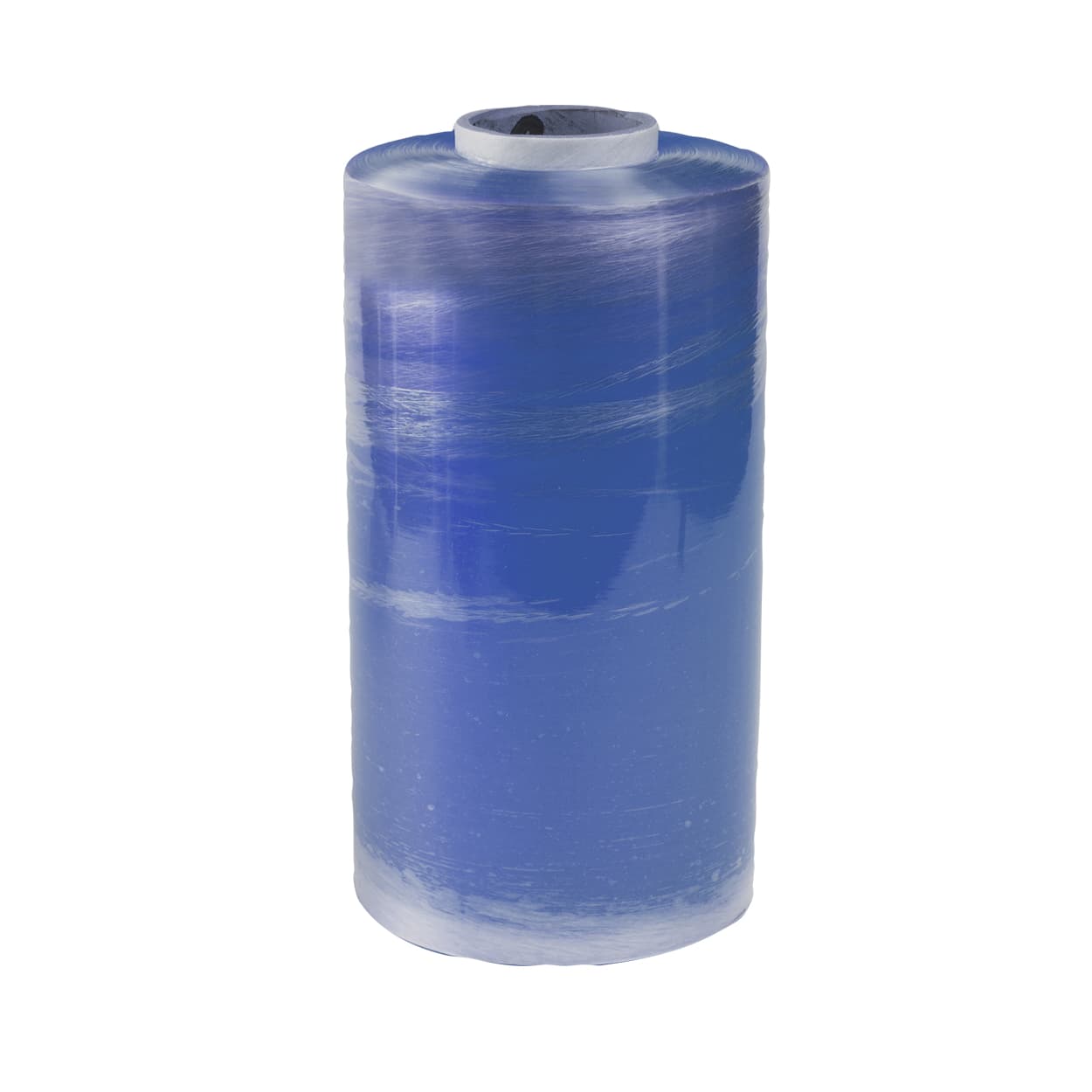
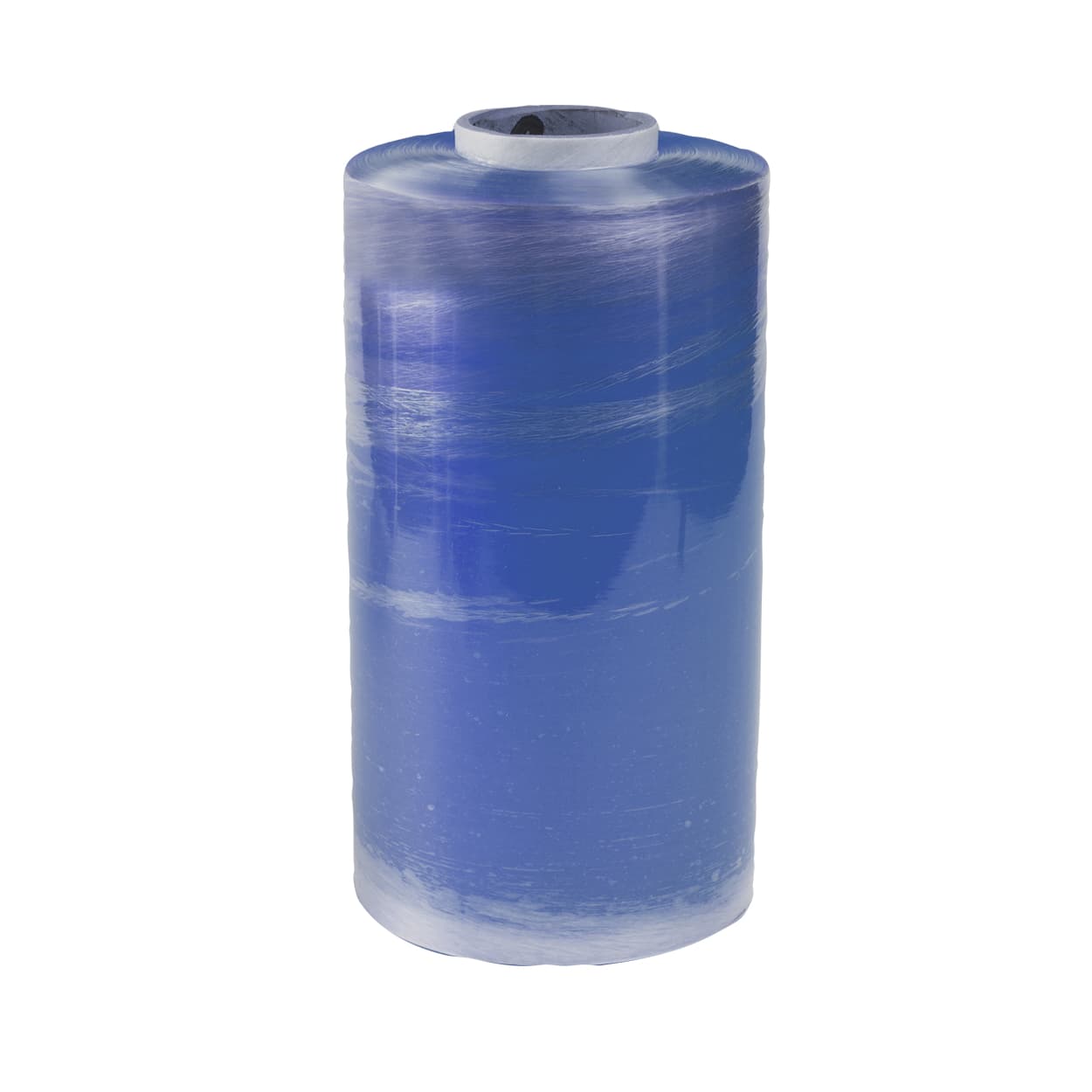
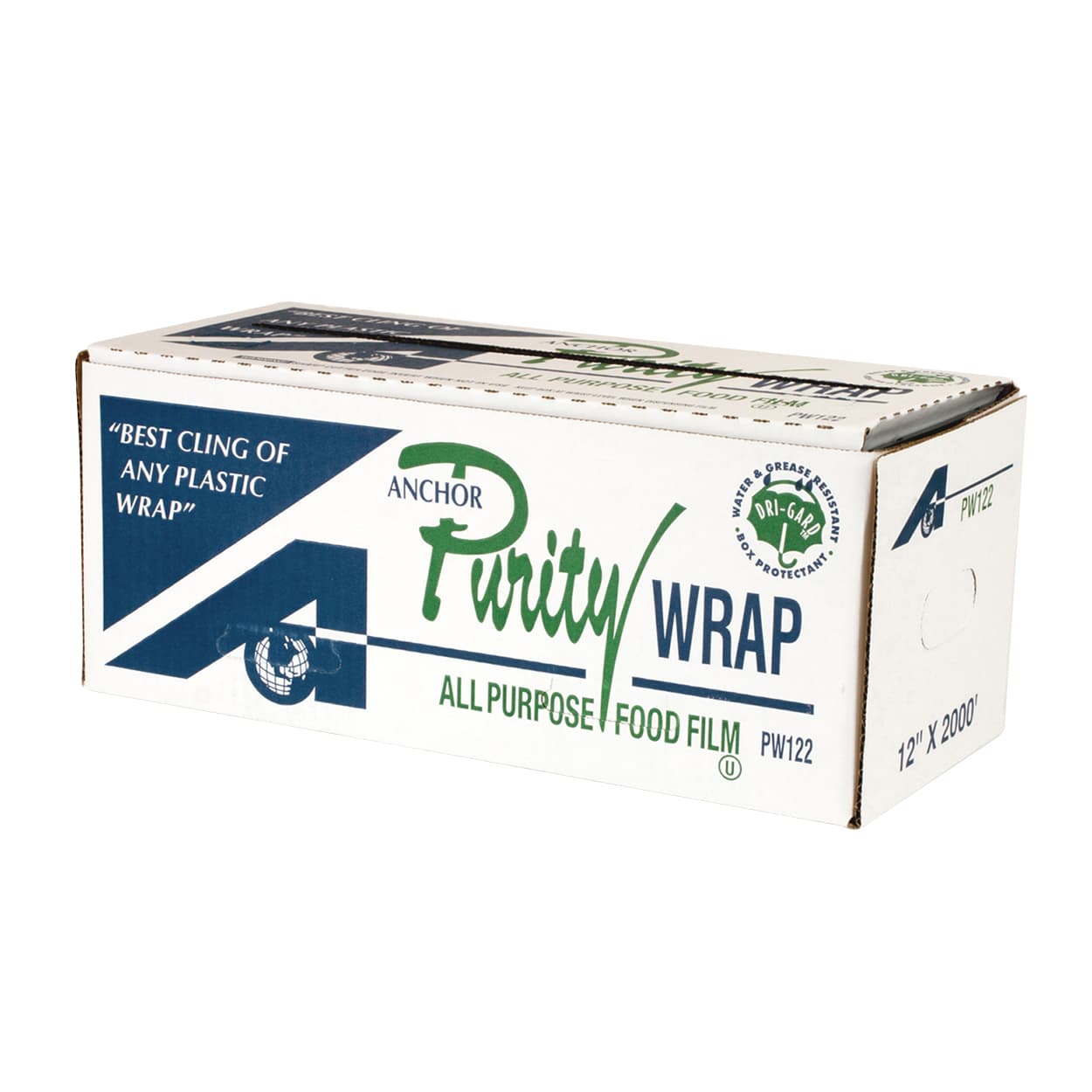
Anchor Purity Wrap® PW122 12″ x 2,000′ Roll Cling Film Cutter Box
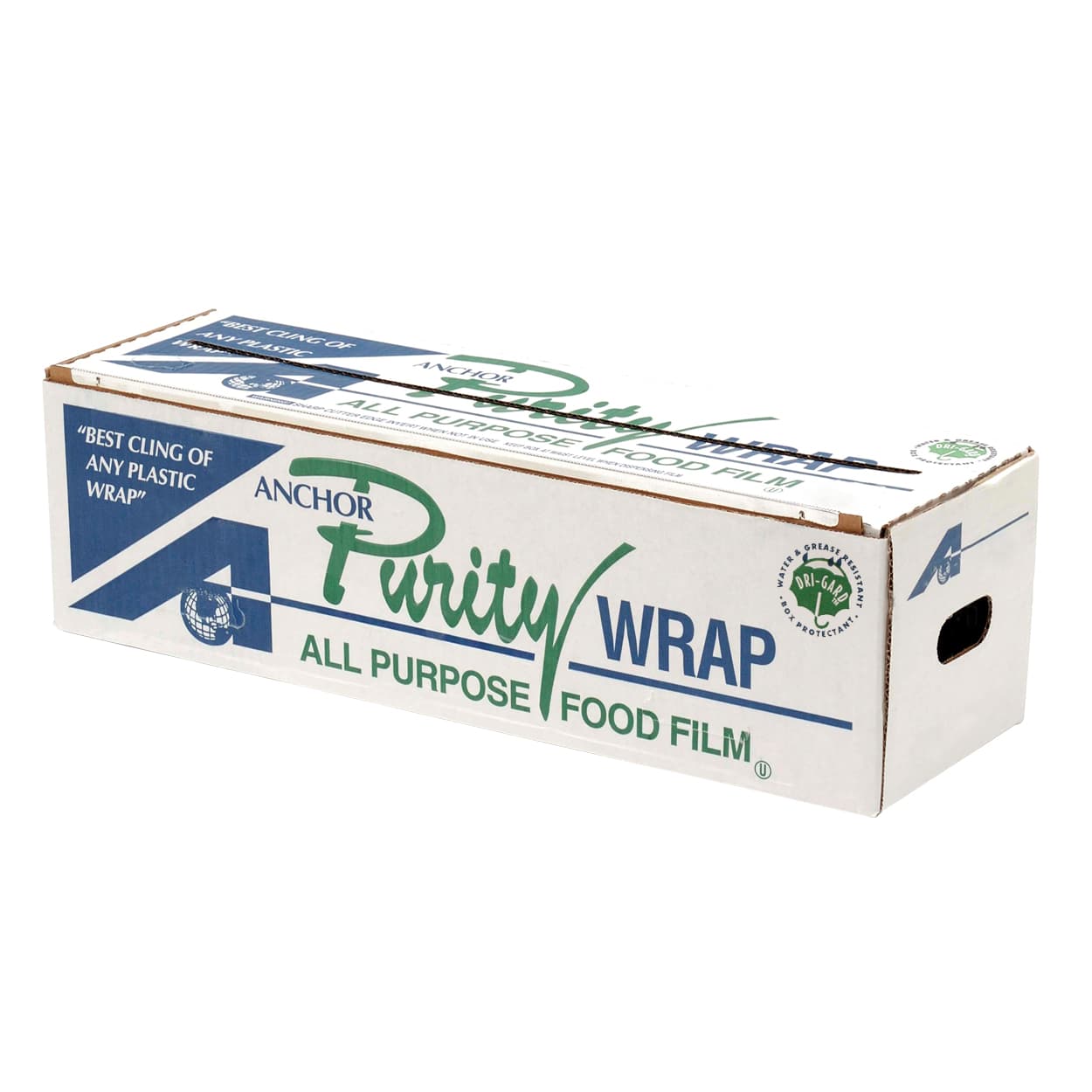
Anchor Purity Wrap® PW182 18″ x 2,000′ Roll Cling Film Cutter Box
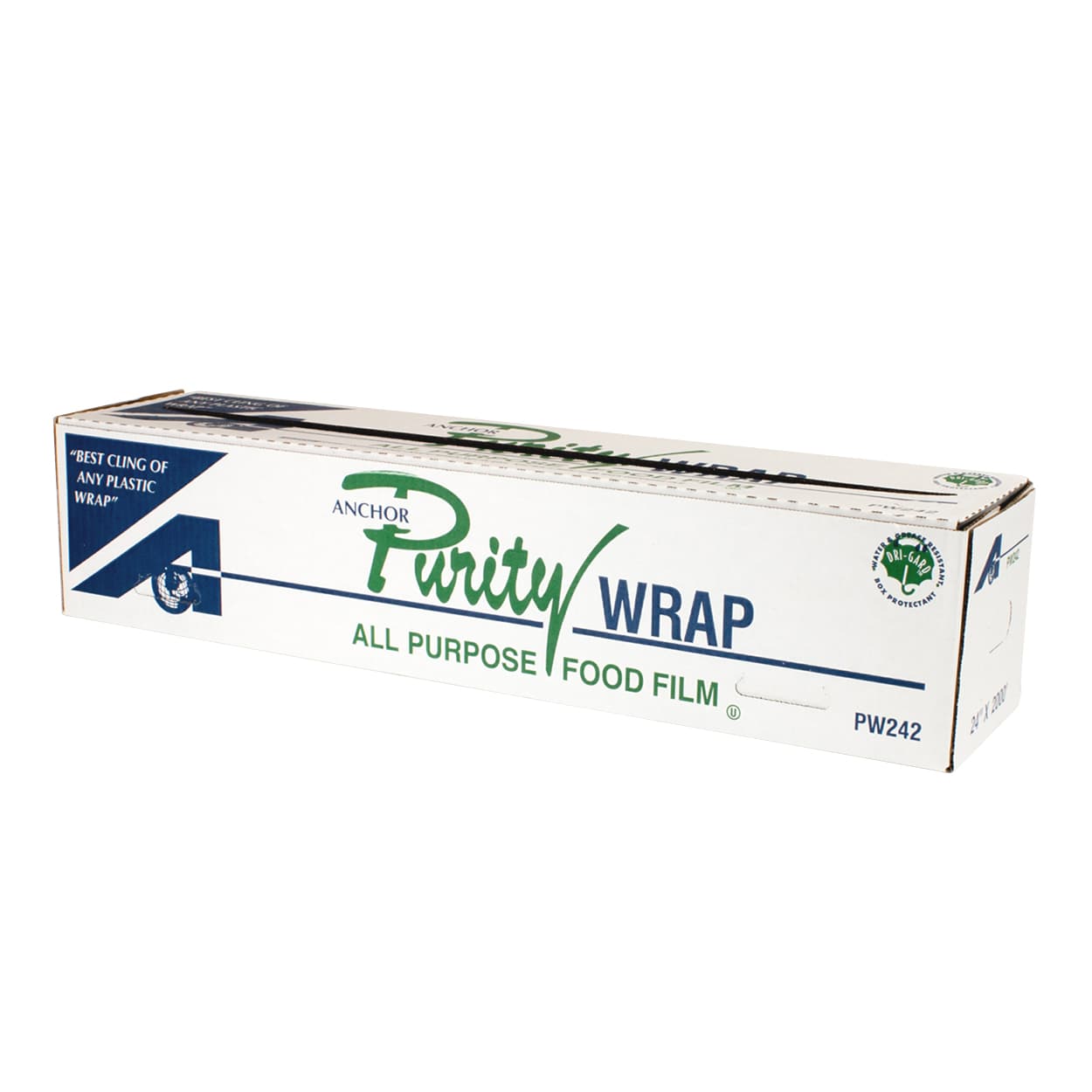
Anchor Purity Wrap® PW242 24″ x 2,000′ Roll Cling Film Cutter Box
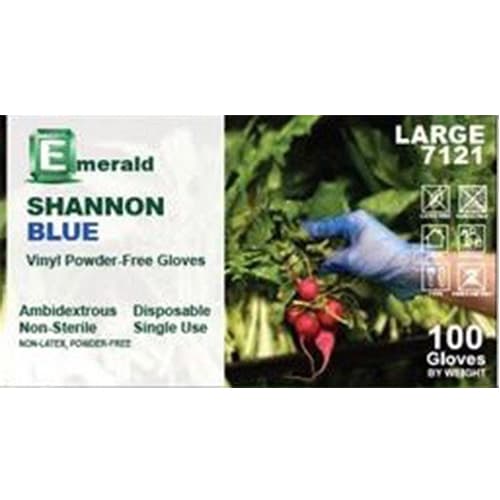
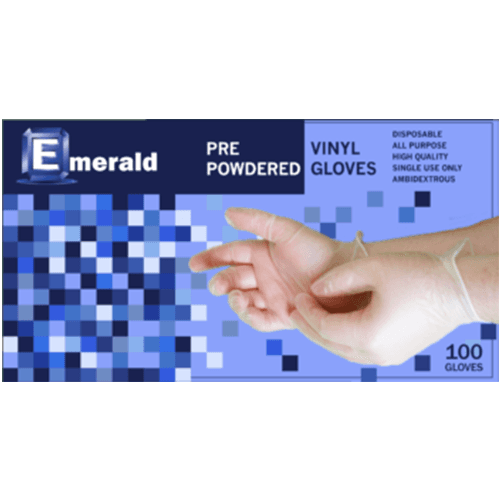
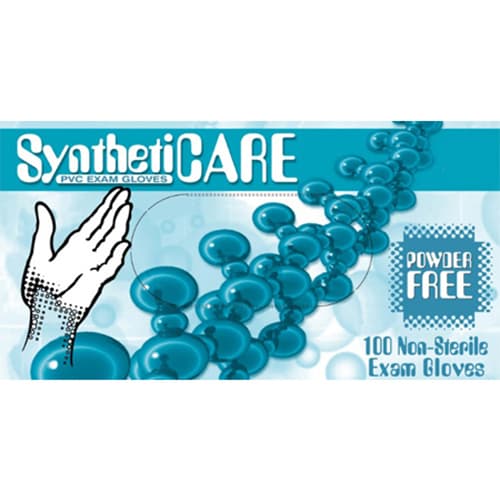
Emerald Large Syntheticare Vinyl Latex Free Powder Free Exam Glove
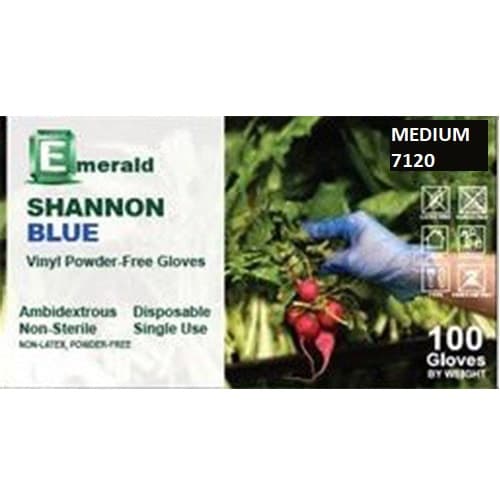
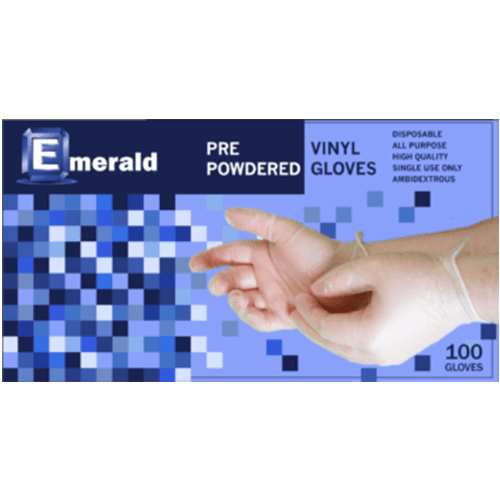
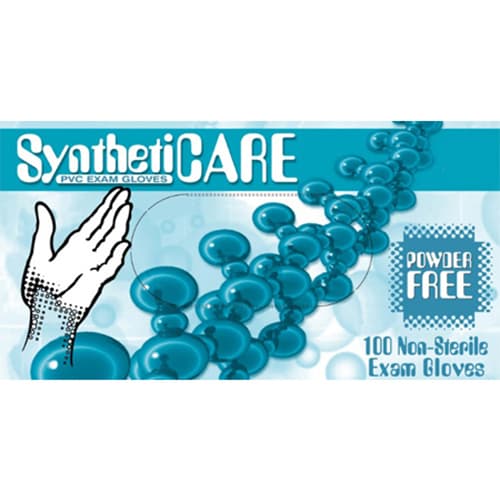
Emerald Medium Syntheticare Vinyl Latex Free Powder Free Exam Glove
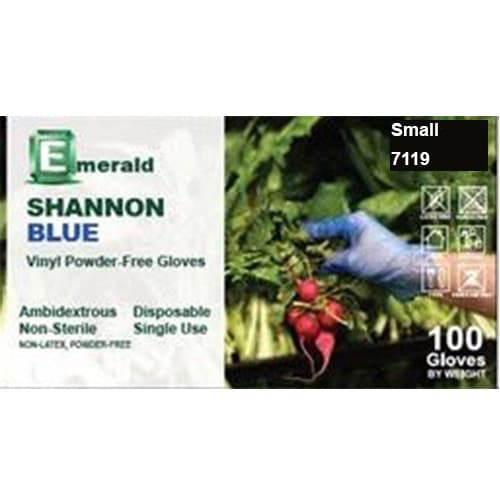
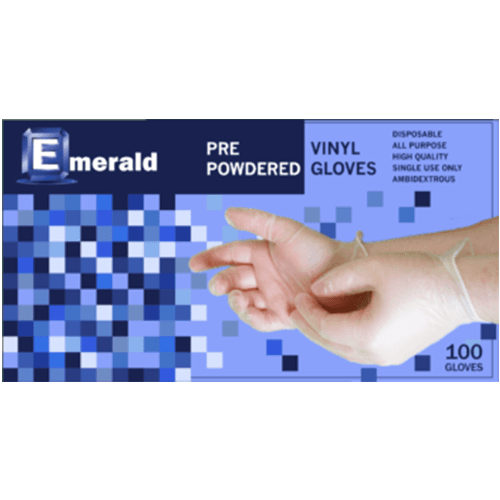
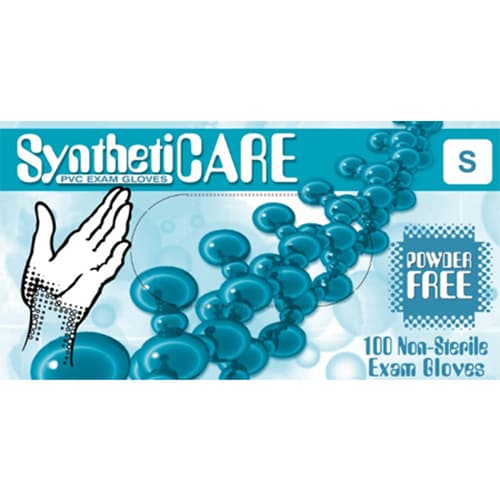
Emerald Small Syntheticare Vinyl Latex Free Powder Free Exam Glove
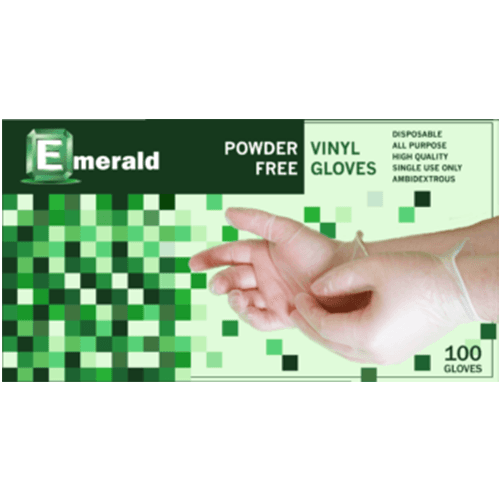
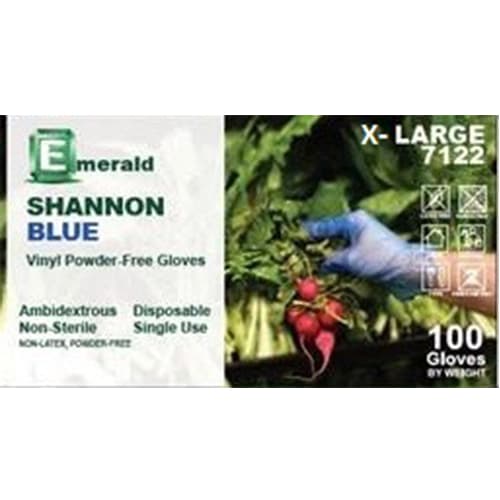
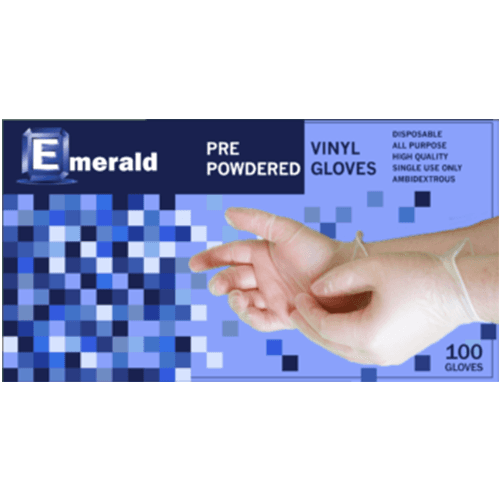
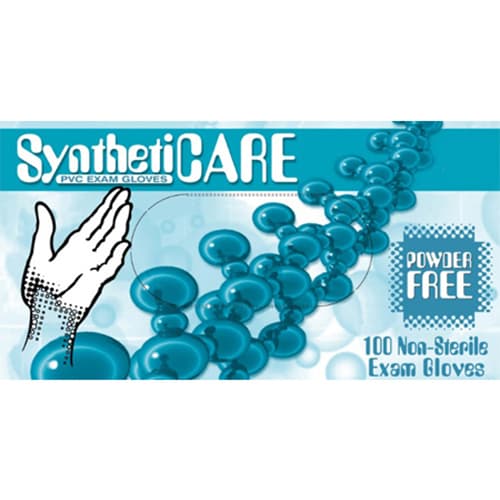
Emerald X-Large Syntheticare Vinyl Latex Free Powder Free Exam Glove
About Plastic - Vinyl
Plastic vinyl is widely used in foodservice for disposable gloves and durable dispensers that see daily wear in high-volume kitchens, dining rooms, and catering operations. Restaurants, bars, hotels, and institutional kitchens choose vinyl products for their balance of barrier protection and cost-effectiveness in food handling and service applications.
What it handles
Vinyl performs well in freezer environments and provides adequate moisture resistance for cold food handling and short-term contact applications. It is not suitable for microwave or oven use, and offers moderate puncture resistance appropriate for light to medium-duty tasks. The material maintains its structural integrity in refrigerated storage but softens under heat.
How it compares
Vinyl gloves cost less than nitrile while still offering latex-free protection, though they provide less elasticity and tactile sensitivity during precision tasks. For dispensers and structural items, vinyl delivers greater rigidity than polypropylene at a lower cost than polycarbonate, making it a practical middle option for permanent front-of-house fixtures. The tradeoff is environmental: vinyl cannot be composted or recycled through standard foodservice waste streams.
Choosing Plastic - Vinyl
Focus on application type and usage volume when selecting vinyl products.
- Glove thickness: Choose 4-mil vinyl gloves for general food prep and service; upgrade to heavier gauge only if handling sharp or abrasive items frequently.
- Powder vs. powder-free: Select powder-free vinyl gloves for direct food contact to avoid residue transfer; powdered versions work for non-food cleaning tasks.
- Dispenser placement: Position vinyl dispensers in guest-facing areas where durability and appearance matter more than lightweight portability.
- Cold storage applications: Use vinyl products confidently in walk-in coolers and freezers where the material's cold tolerance is an advantage.
- Size consistency: Stock multiple glove sizes from the same product line to ensure uniform fit and performance across your team.
Frequently asked questions
- Is Plastic - Vinyl microwave safe?
- No, plastic vinyl is not microwave safe. The material can soften, warp, or release undesirable compounds when exposed to microwave heat, making it unsuitable for reheating applications.
- Is Plastic - Vinyl compostable?
- No, plastic vinyl is not compostable. It does not break down in commercial or home composting systems and must be disposed of as regular solid waste.
- Can Plastic - Vinyl go in the oven?
- No, plastic vinyl is not oven safe. It will degrade and melt at oven temperatures, making it appropriate only for cold and room-temperature applications.
- What is Plastic - Vinyl made from?
- Plastic vinyl is made from polyvinyl chloride (PVC), a synthetic polymer derived from petroleum. The material is formulated to be latex-free, making it suitable for users with latex sensitivities.
- Can Plastic - Vinyl be recycled?
- No, plastic vinyl products are not recyclable through standard foodservice or municipal recycling programs. They should be placed in regular waste bins after use.
- Is Plastic - Vinyl safe for freezer storage?
- Yes, plastic vinyl is freezer safe and maintains its integrity at low temperatures. This makes it suitable for gloves worn during freezer work and for dispensers placed in refrigerated environments.