
About Wax
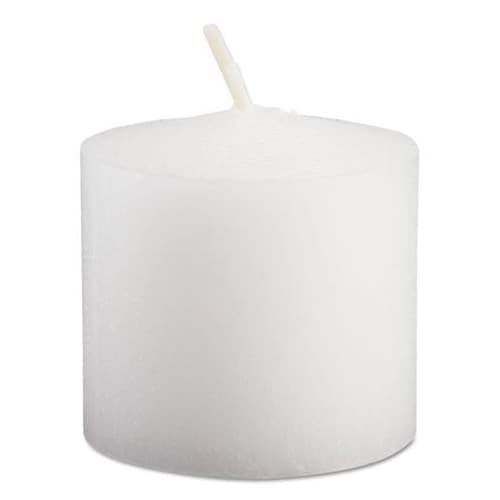
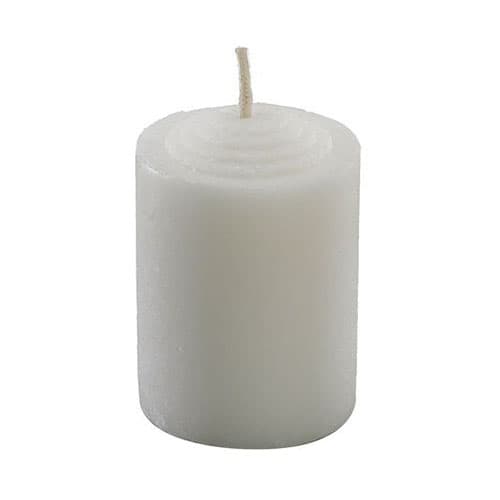
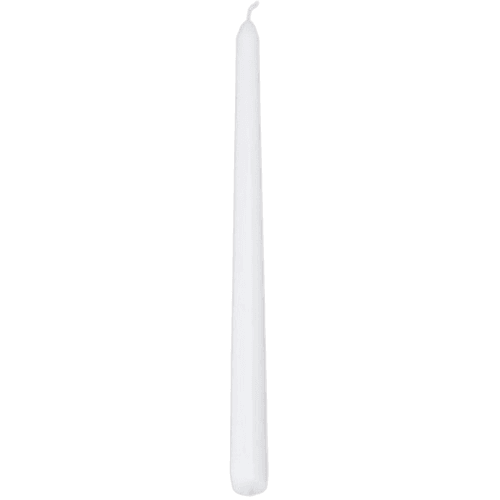
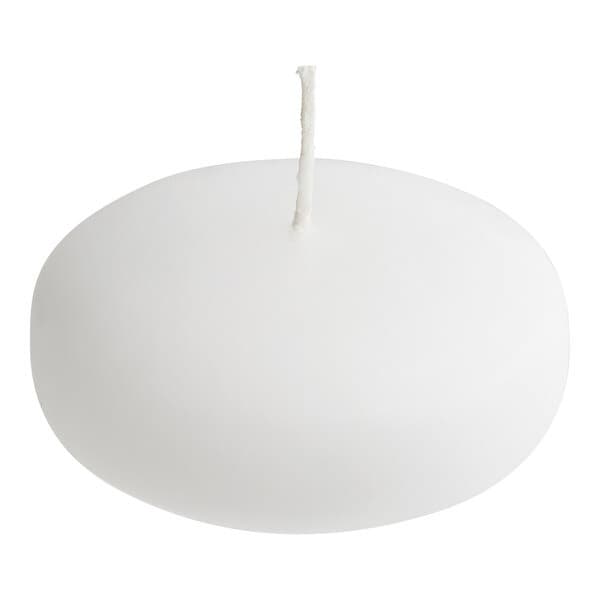
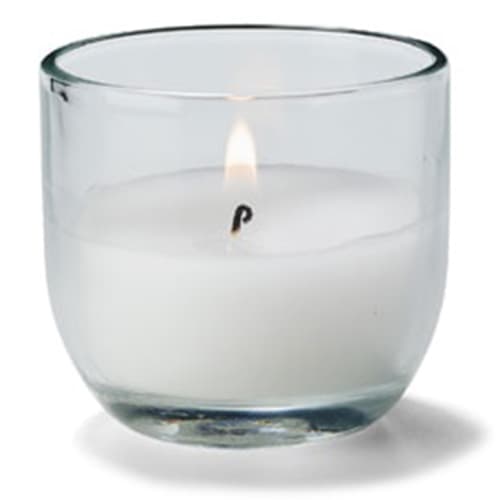
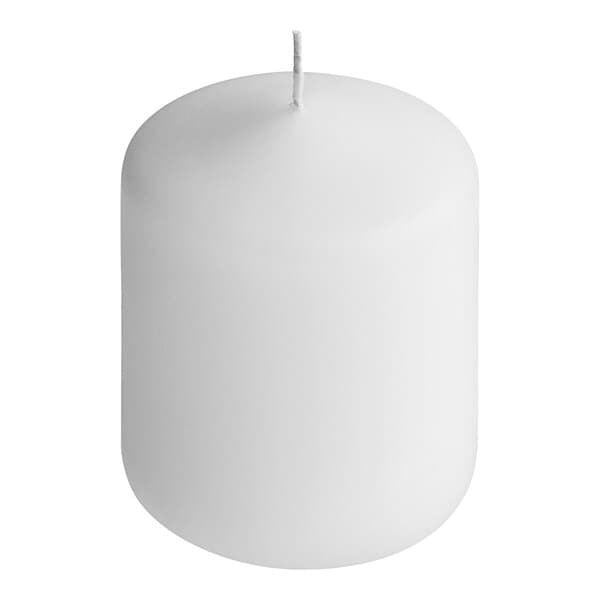
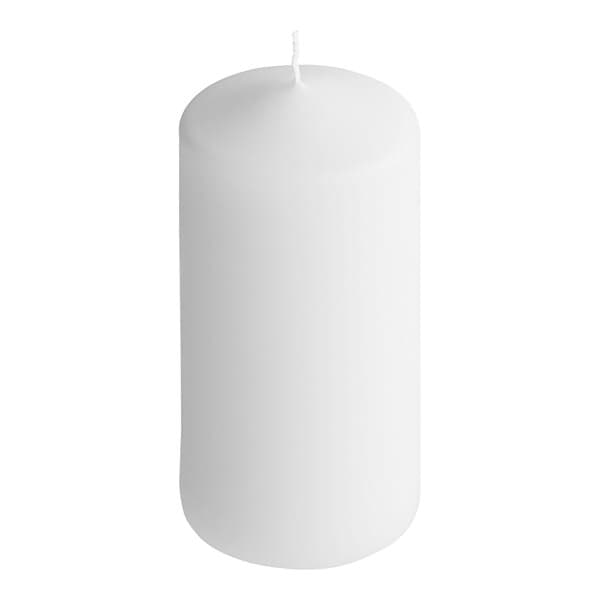
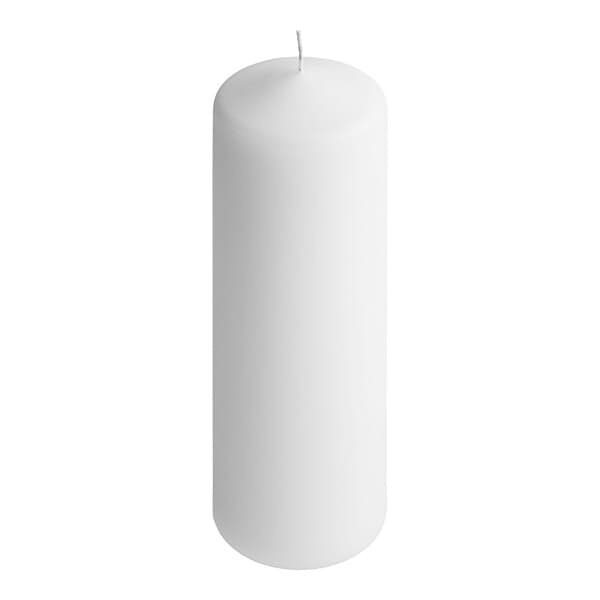
Wax is primarily used in foodservice for ambient lighting solutions like votives, pillar candles, and taper candles that enhance dining atmosphere in restaurants, event venues, and catering operations. Hotels, banquet facilities, and upscale dining establishments rely on wax candles to create warm, inviting environments for guests. These products serve a functional role in table presentation and event ambiance rather than direct food contact applications.
What it handles
Wax products are designed for ambient temperature use and are not suitable for microwave, oven, or freezer applications. The material naturally melts when exposed to flame, which is its intended function for candles and lighting products. Wax maintains its structural integrity at room temperature but softens or deforms when exposed to heat sources beyond its melting point.
How it compares
Compared to battery-operated LED alternatives, wax candles provide authentic flame ambiance and traditional aesthetic appeal that many fine dining establishments prefer. The tradeoff is that wax requires active flame management and replacement after burn time, while LED options offer reusability and eliminate fire safety concerns. Wax delivers the classic flickering light quality that remains difficult to replicate with electric alternatives.
Choosing Wax
Consider these factors when selecting wax candles for your operation.
- Burn time matching: Match candle burn time to your typical service duration—10-hour votives work for extended events while 5-hour options suit standard dinner service.
- Size and proportion: Select pillar height and diameter based on table size and holder dimensions to ensure stable placement and appropriate visual scale.
- Color coordination: White wax candles maintain a neutral, versatile appearance that complements any table setting or event theme.
- Container vs. open flame: Glass-enclosed wax candles offer added safety and wind resistance for outdoor events or high-traffic areas.
- Storage conditions: Store wax candles in cool, dry locations away from direct heat or sunlight to prevent warping and maintain structural integrity until use.
Frequently asked questions
- Is Wax microwave safe?
- No, wax is not microwave safe. Wax will melt when exposed to microwave heat and should never be placed in microwave ovens.
- Is Wax compostable?
- Yes, wax is compostable. The material breaks down naturally in composting environments after use.
- Can wax candles be used in ovens or near high heat?
- No, wax is not oven safe and should not be exposed to high heat sources beyond the controlled flame it is designed to support. Wax melts at relatively low temperatures and can create safety hazards if placed near cooking equipment or heat-generating appliances.
- What is wax made from?
- Wax used in foodservice candles is typically derived from petroleum-based paraffin or plant-based sources. The material is refined and molded into candle forms designed for ambient lighting applications in dining and hospitality settings.
- Can wax products be recycled?
- No, wax is not recyclable through standard recycling programs. Once candles have been burned, the remaining wax should be composted or disposed of according to local waste management guidelines.
- How should spent wax candles be disposed of?
- Since wax is compostable, spent candles can be added to commercial composting systems after removing any metal or non-compostable components like wicks with metal cores or glass containers. Alternatively, follow local disposal guidelines for organic waste.