
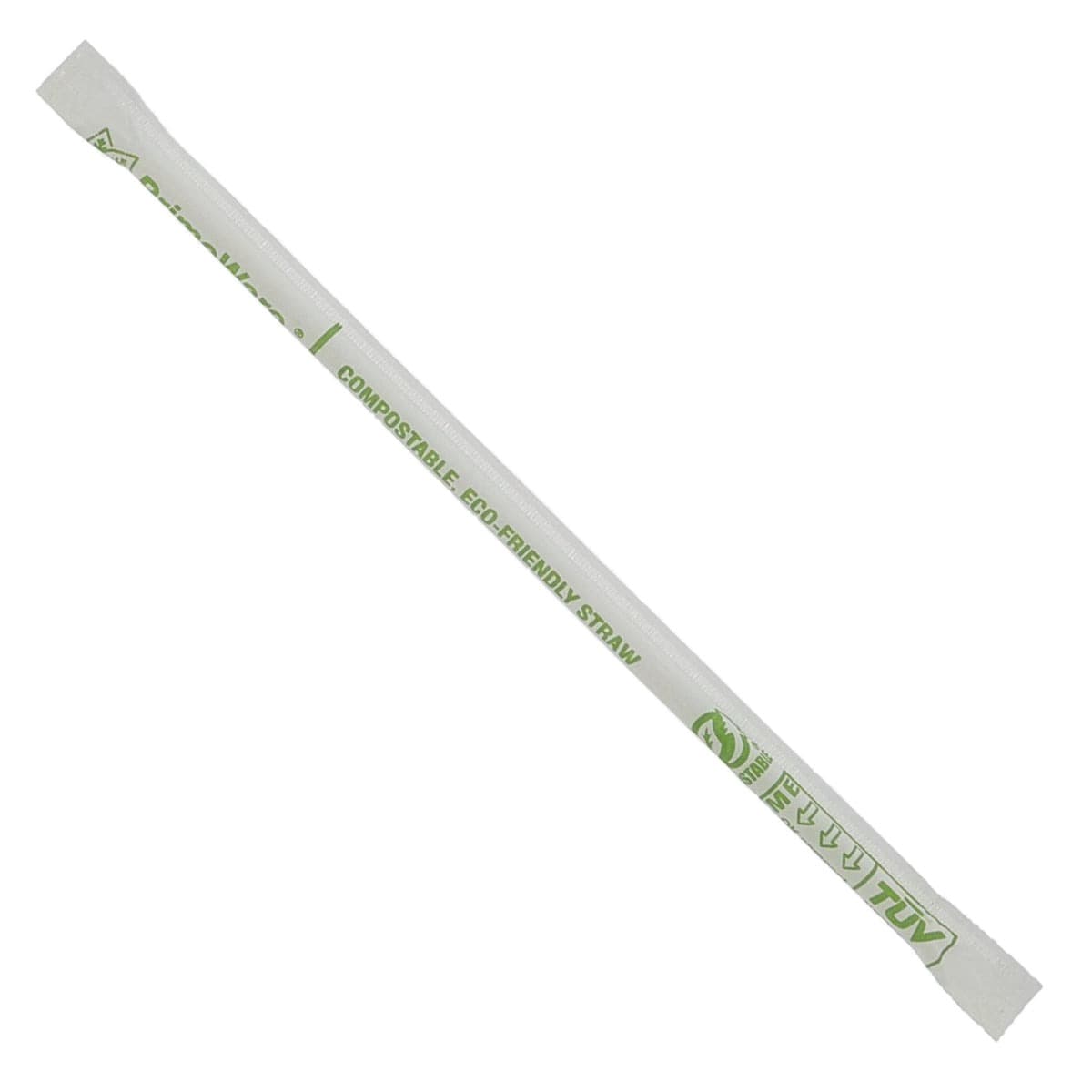
AmerCare 7.75", Jumbo Clear Paper Wrapped Compostable Cellulosic Straw, 24/
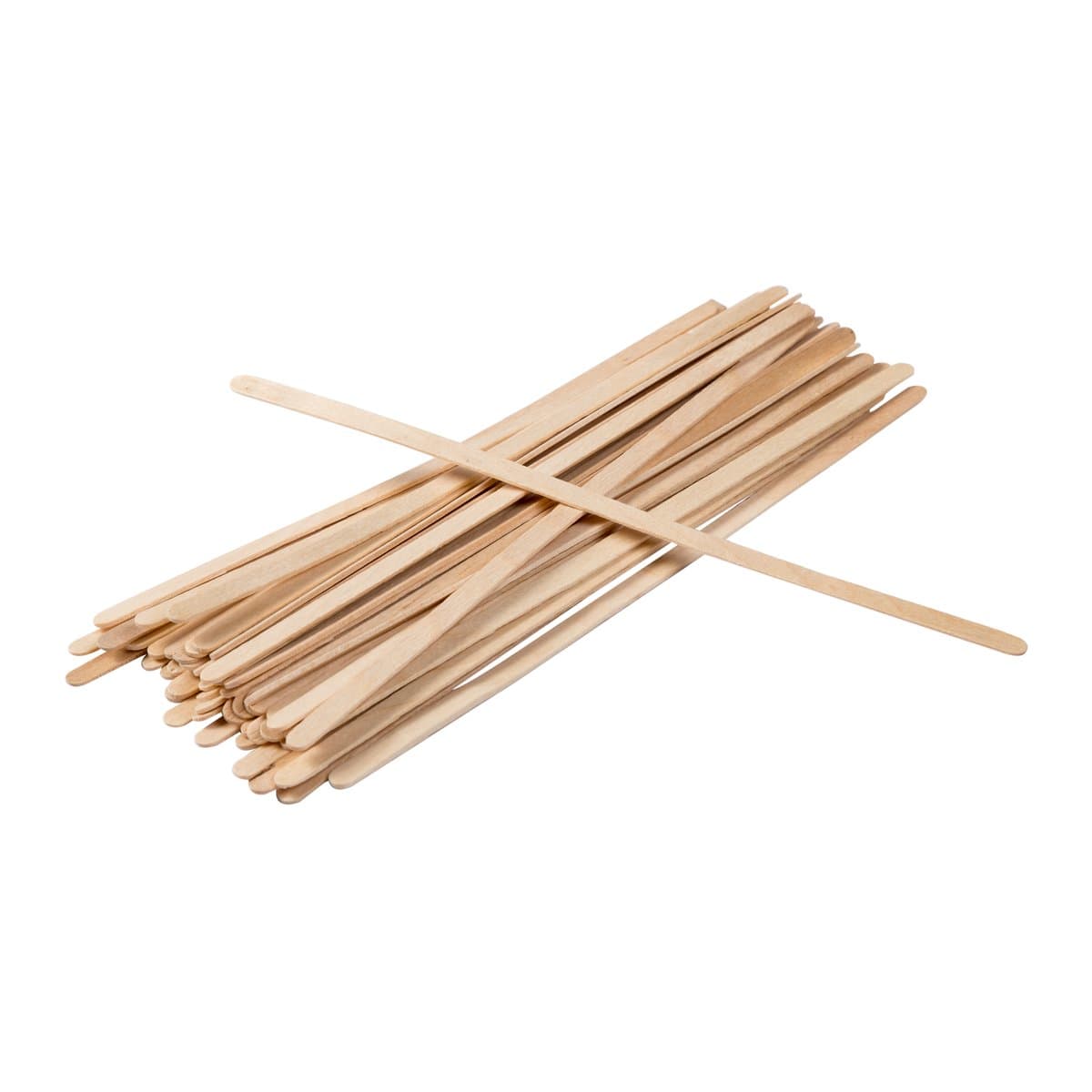
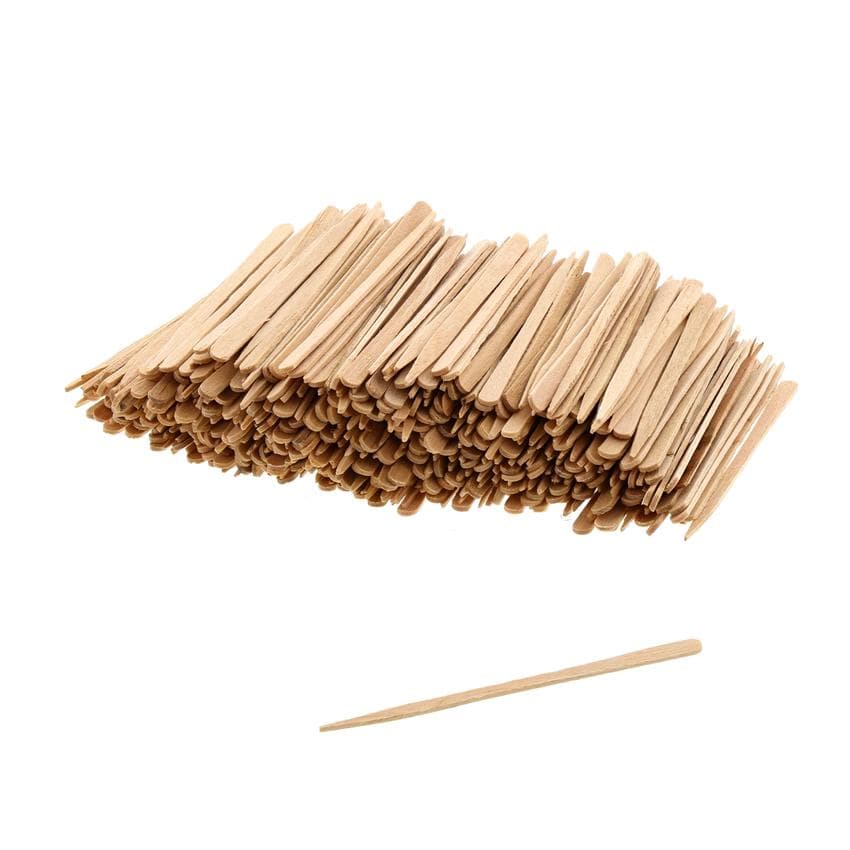
AmerCare Royal R823 3 1/2" Eco-Friendly Wood Flat Food Pick
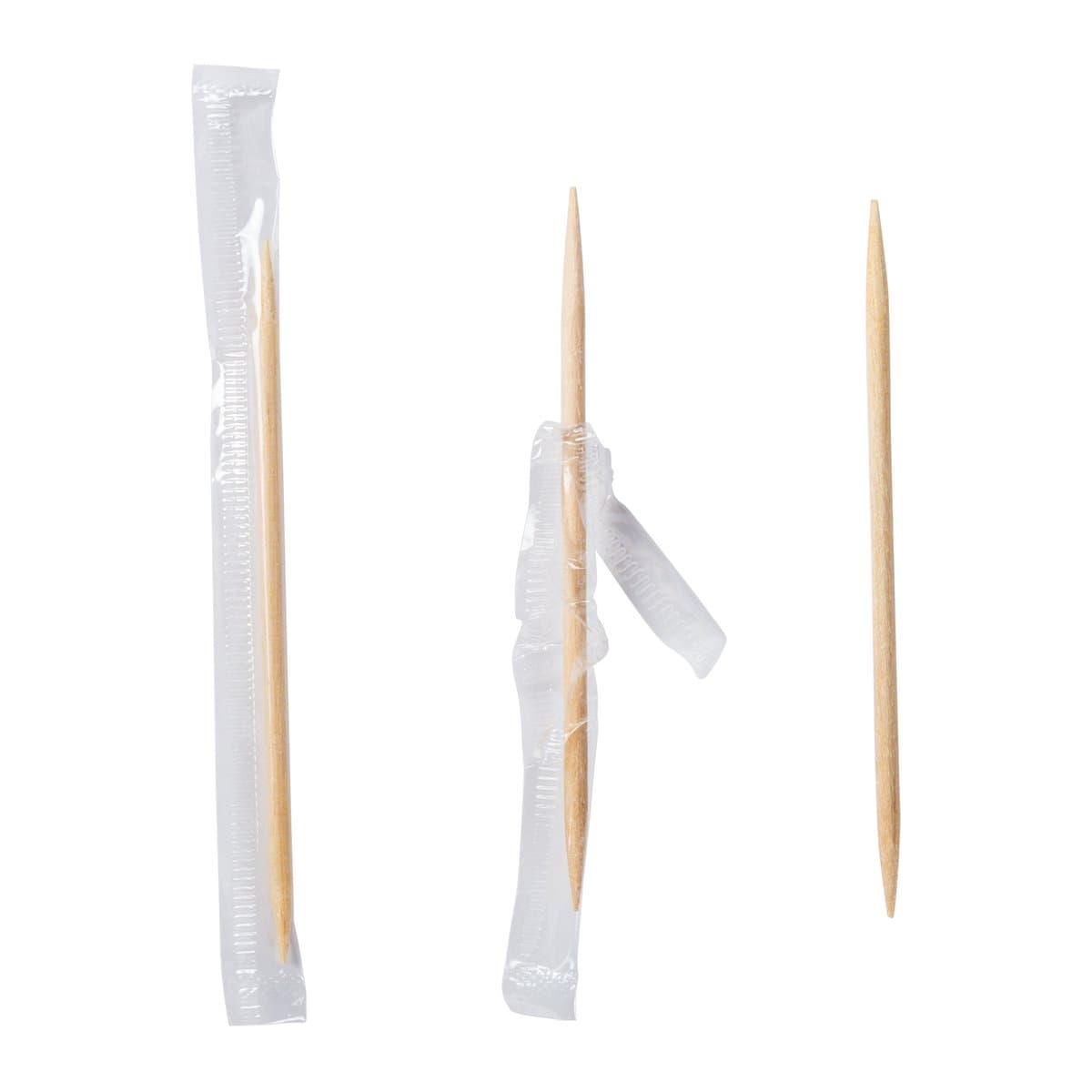
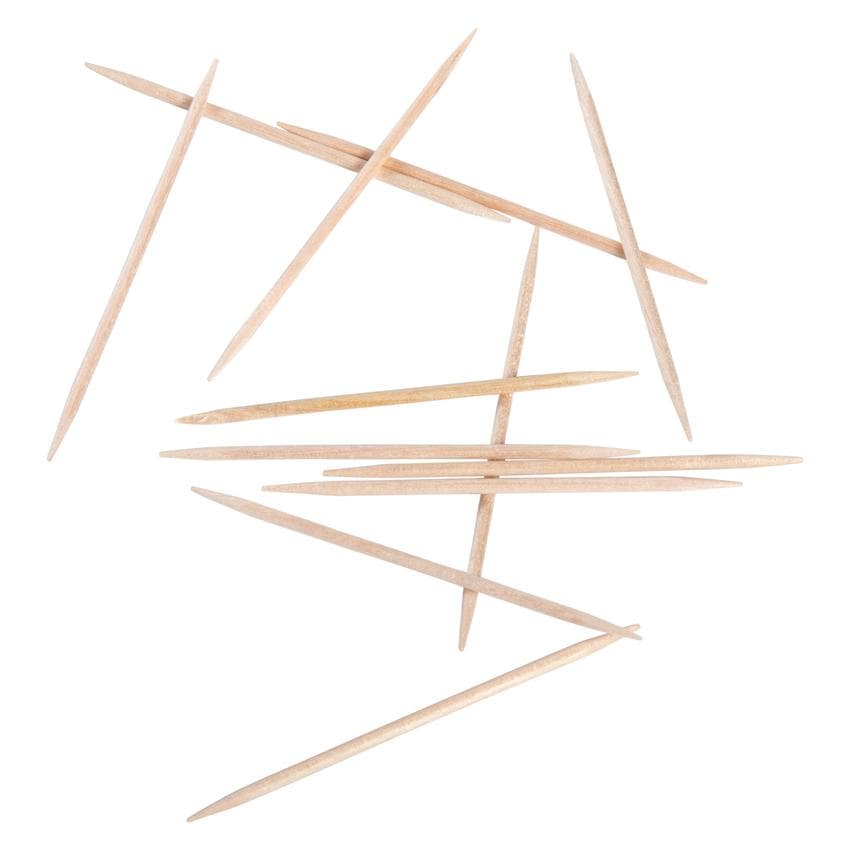
AmerCare Royal RM115 Mint Individually Wrapped Round Wooden Toothpicks
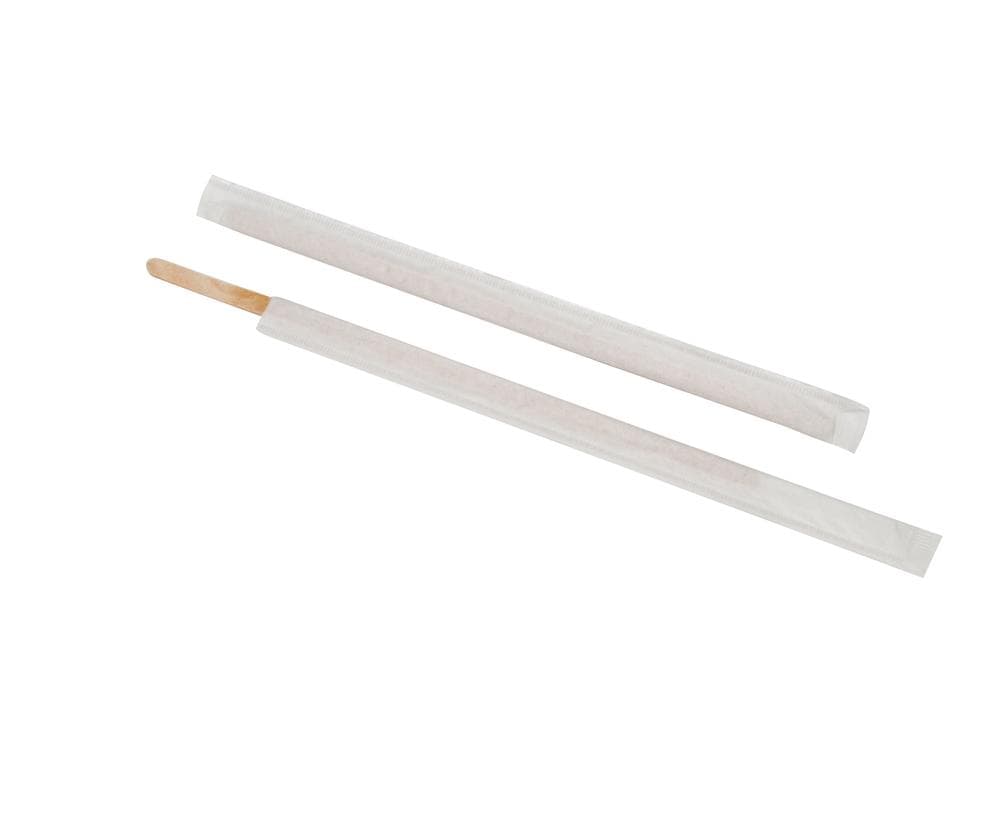
Rofson 7 1/2" Eco-Friendly Wood Individually Wrapped Coffee Stirrer
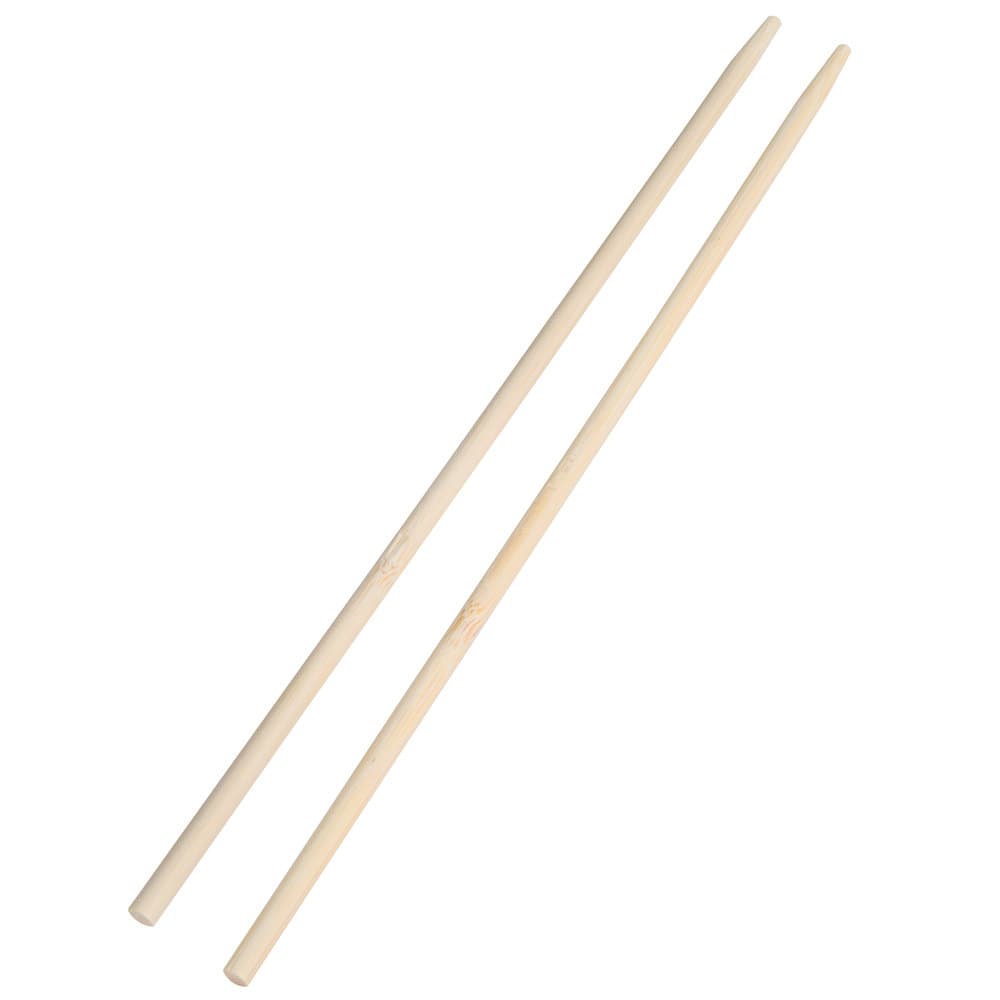
About Wood
Wood is a natural material used throughout foodservice for utensils, stirrers, toothpicks, serving boards, and specialty tools that combine functionality with a rustic, elevated presentation. Restaurants, coffee shops, caterers, and bars choose wood products for their biodegradable properties, natural aesthetic, and ability to handle both hot and cold applications without leaching chemicals.
What it handles
Wood performs well with hot beverages, cold foods, and freezer storage, making it suitable for stirrers, picks, and serving implements across a wide temperature range. It is compostable and recyclable after use, though it should not be used in conventional or microwave ovens where prolonged high heat can cause charring or fire risk. Wood naturally absorbs some moisture and oils, which limits reusability but supports its role as a single-use or limited-use item.
How it compares
Compared to plastic utensils and stirrers, wood offers superior environmental credentials with full compostability and a premium, natural look that enhances brand perception. The tradeoff is that wood costs more per unit, can splinter if poorly manufactured, and lacks the moisture barrier and rigidity of plastic for certain high-grease or liquid-heavy applications. For operations prioritizing sustainability and presentation over cost, wood delivers a clear advantage.
Choosing Wood
Focus on product type, item length, and end-of-life handling to match wood products to your service model.
- Match length to application: Use 7" to 7.5" stirrers for standard coffee and tea service, while shorter picks and toothpicks work best for appetizers and garnishes.
- Check for wrapping: Individually wrapped wooden utensils and stirrers improve hygiene for grab-and-go or self-service stations where handling is a concern.
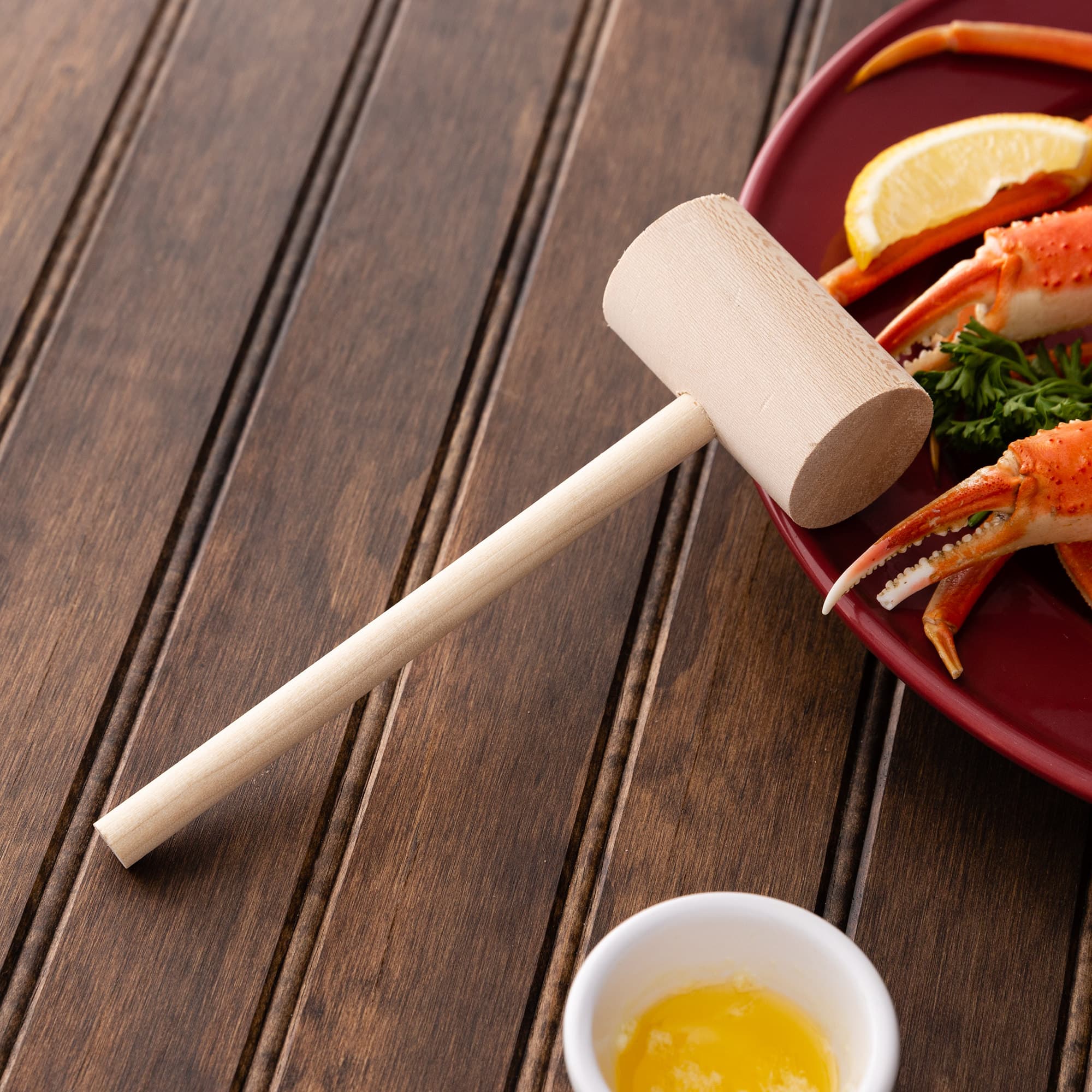
- Consider structural needs: Thicker wood items like mallets and serving boards handle more force and weight than thin stirrers or picks, so select based on the task.
- Plan for disposal: Wood products break down in commercial composting systems, so confirm your waste hauler accepts food-soiled compostables before committing to large volumes.
- Avoid prolonged liquid contact: Wood absorbs moisture over time, so use it for service and consumption rather than long-term food storage or soaking applications.
Frequently asked questions
- Is Wood microwave safe?
- Yes, wood is microwave safe for brief reheating of foods and beverages. Extended microwave use is not recommended, as wood can dry out, crack, or become a fire hazard under prolonged high heat.
- Is Wood compostable?
- Yes, wood is fully compostable in commercial composting facilities where it breaks down into organic matter. Untreated wood products return to soil without leaving synthetic residues.
- Can Wood go in the oven?
- No, wood is not oven safe and should not be exposed to direct oven heat. High temperatures cause wood to char, smoke, or ignite, making it unsuitable for baking or roasting applications.
- What is Wood packaging made from?
- Wood foodservice products are made from harvested timber, typically birch, bamboo, or other fast-growing hardwoods, that is milled, shaped, and finished into utensils, stirrers, and serving items. The material is minimally processed to retain its natural structure and biodegradability.
- Is Wood recyclable?
- Yes, clean wood products can often be recycled through municipal programs that accept untreated wood or paper products. Food-soiled wood is better suited for composting, as contamination limits recycling options.
- Is Wood freezer safe?
- Yes, wood is freezer safe and can be used with frozen foods or stored at freezing temperatures without structural damage. Wood does not become brittle or crack in cold conditions like some plastics.