Side Stand
A side stand is a stationary front-of-house station positioned within the dining room where service staff store supplies like flatware, napkins, glassware, and condiments, and temporarily stage dishes during service.
A side stand is a piece of front-of-house furniture or built-in station positioned within the dining room to give service staff immediate access to the supplies and staging space they need to run their section. Also called a side station, service console, dummy waiter, or sideboard, the side stand functions as both a supply depot and a temporary landing point for dishes moving between the kitchen and the table — or for cleared items heading back out of the dining room.
What a Side Stand Is Used For
The side stand reduces server steps. Instead of walking back to the kitchen every time a table needs fresh flatware, a napkin, or a condiment, servers and bussers pull from the side stand stocked in their section. This translates directly into faster service, fewer interruptions, and better table turns.
Side stands also function as temporary staging surfaces. Food runners may set a loaded tray on the side stand before plating delivery to a table, and bussers use it as a waypoint when pre-bussing between courses. In formal service environments, it’s the operational backbone of the entire section.
What Gets Stocked at a Side Stand
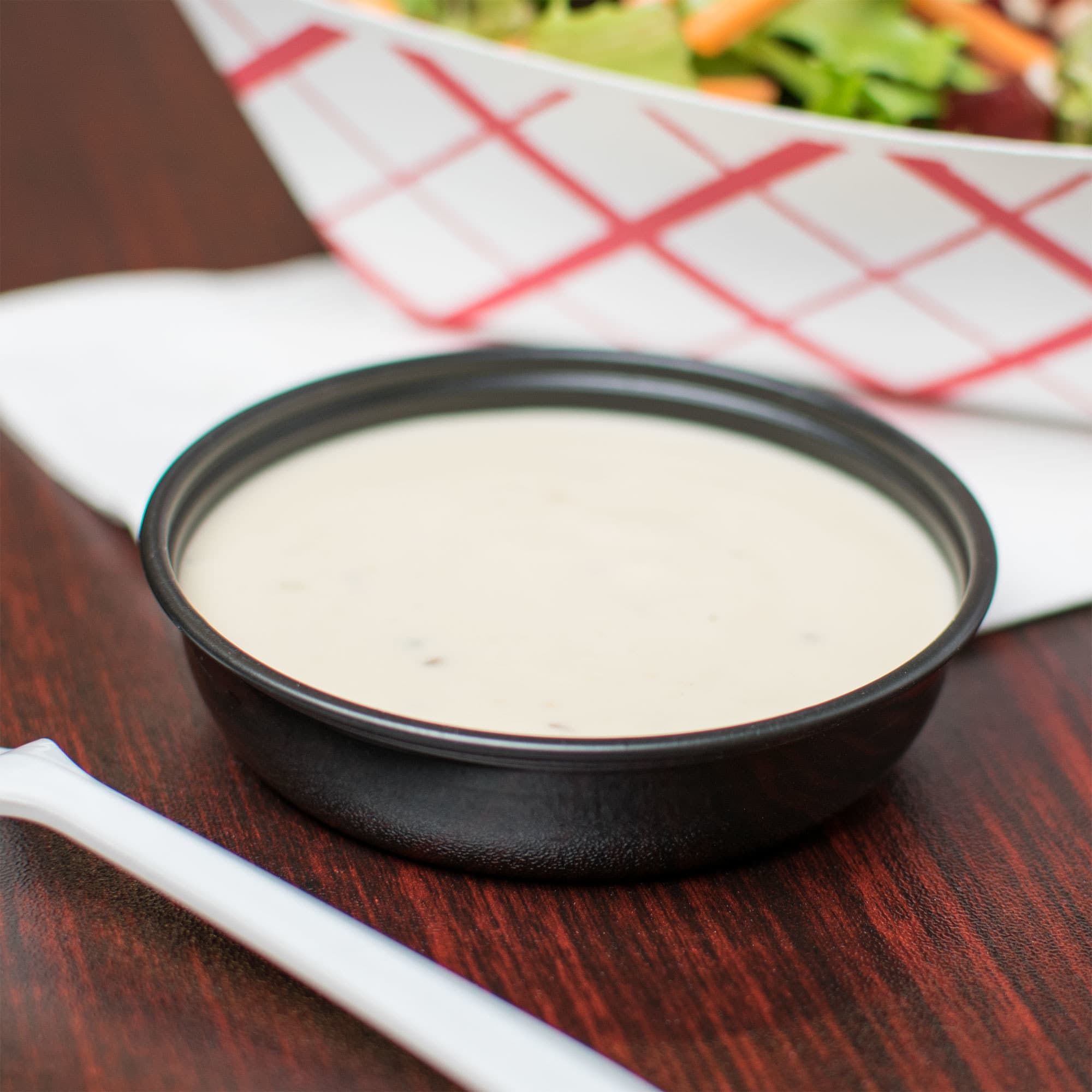
Common side stand inventory includes pre-rolled flatware rollups, linen napkins, backup glassware, a water pitcher or carafe, condiment caddies, check presenters, a crumber, and extra bread plates. In fast-casual or volume operations, portion cups for sauces and dressings are often pre-staged here for quick service.
The exact stock depends on the concept. A fine dining room may also keep an order pad or POS tablet at the side stand. A banquet operation might stage serving utensils and catering pans. The principle is the same: everything a server needs to complete service in their section, without a trip to the back.
Side Stand Placement
Side stands should be placed along walls or room dividers — one per server section — so staff can access them quickly without cutting across guest sightlines. The goal is minimal server steps and minimal visual obstruction. In formal dining rooms, the side stand is often guest-visible, which means it must be kept clean and well-organized throughout service.
Placement is a key part of dining room design. A poorly positioned side stand adds steps and slows service; a well-positioned one becomes invisible infrastructure that makes the room run smoothly.
Side Stand vs. Related Terms
The side stand and the bus station are often used interchangeably, but there’s a practical distinction. In fine dining, a side stand is a visible, elegant piece of furniture integrated into the dining room. A bus station tends to be a more utilitarian, back-of-house or perimeter setup found in casual dining, focused on clearing and resetting rather than full service support. The server station is the modern, often POS-integrated evolution of the side stand concept.
A side stand is not the same as a guéridon. A guéridon is a mobile tableside cart used in French service for tableside preparation or finishing. A side stand is stationary and used for supply storage, not guest-facing food prep.
“Dummy waiter” is an older British and European term for the same concept. It remains in use in some formal hospitality contexts but is rarely heard in everyday U.S. restaurant operations.
Side Stands in Formal Service Styles
In Russian service (service à la russe), the side stand is especially critical — it serves as the primary staging point for the entire meal sequence, and no additional large service equipment is needed beyond it and a tray stand or tray jack. In family-style service, the side stand holds extra serving utensils and plates for efficient tableside sharing. Across all full-service formats, it’s the FOH embodiment of mise en place: everything in its place, before service begins.
Sanitation and Compliance
Health departments in most jurisdictions require service stations, including side stands, to be maintained in a sanitary condition and accessible for inspection. Any food-contact surfaces or equipment associated with the side stand — trays, condiment holders, portion cup dispensers — should meet NSF International certification standards. HACCP principles apply to any temperature-sensitive items staged at a side stand, such as pre-poured waters, portioned creamers, or open condiments, which must be monitored for time-temperature compliance.
Opening, Closing, and Side Work
Stocking and organizing the side stand is among the most common side work tasks in full-service restaurants. During opening duties, servers and bussers fill the side stand with everything needed for the first turn. Throughout service, bussers are responsible for keeping it stocked. At close, it’s broken down, restocked, and reset for the next shift.
Sustainability at the Side Stand
Operators can reduce waste at the side stand by using reusable linen napkins, refillable condiment dispensers, and washable serviceware instead of single-use packets. When disposable portion cups are necessary, choosing options made from recyclable or compostable materials keeps the footprint smaller. Avoiding over-stocking the side stand also supports a leaner mise en place and reduces spoilage of portioned items.
Common Uses
Side stands are used in full-service restaurants, fine dining rooms, hotels, and banquet operations to support server sections. Servers and bussers pull backup flatware, napkins, condiments, and glassware from the side stand without returning to the kitchen. Food runners use it as a temporary staging surface when delivering dishes to a section. Bussers use it as a waypoint when pre-bussing between courses. In formal service styles like Russian service, the side stand is the primary staging hub for the entire meal sequence. Restocking and organizing the side stand is a standard opening and closing side work duty assigned to servers and bussers each shift.