Family-Style Service
Family-style service is a catering service method in which servers bring large platters or bowls of food to each guest table and guests pass the dishes among themselves to self-serve, combining the variety of a buffet with the seated structure of plated dining.
Family-style service is a catering method where servers bring large shared platters and bowls of food directly to each guest table, and guests pass the dishes among themselves to self-serve — mirroring a traditional home dinner. It sits between buffet and plated service in formality: guests stay seated (unlike a buffet) but choose from multiple shared dishes rather than receiving a pre-portioned plate.
How Family-Style Service Works
The standard operational flow starts before guests arrive. Servers preset individual place settings, and first-course items — bread, salads, appetizers — are already on the table when guests sit down. From there, servers bring large platters per course to each table simultaneously, staggering delivery so all tables receive dishes at the same time.
Guests pass platters around the table and serve themselves. Servers monitor each table, replenish empty platters, refill beverages, and clear between courses. A lead server assigned per section keeps the pace consistent across the room.
Staffing and Table Setup Requirements
The standard staffing ratio for family-style service is one server per 10–12 guests. Servers handle platter delivery and replenishment, drink service, and assisting guests who have difficulty passing or lifting large dishes — an important consideration for ADA compliance at the table level.
Table size is critical. Banquet round tables of at least 60 inches in diameter, or long rectangular banquet tables, provide enough surface area for multiple shared platters alongside individual place settings. Centerpieces must be kept low to allow dishes to pass freely across the table without obstruction.
Event Types and Department Ownership
Family-style service is most commonly deployed at weddings, rehearsal dinners, corporate dinners, private banquets, and informal social gatherings where building conversation and a sense of community is a priority. It is classified as an informal banquet service style, though the presentation can be elevated for more formal events.
In hotel F&B operations, family-style service is managed by the banquet operations team. The running food process — moving platters from the kitchen to the banquet floor — requires close coordination between kitchen staff, banquet servers, and the event manager to keep all tables on pace.
Food Cost and Quantity Planning
Family-style service requires more food per person than plated service because guests self-portion and consumption varies by table. Caterers account for this in their quantity planning and typically build in a buffer. Rather than loading all food onto platters at once, portioning across replenishment rounds helps control waste without leaving tables short.
Food cost management is more complex in family-style than in plated service. Precise yield control is harder when guests serve themselves, making upfront quantity planning and active server monitoring of platter levels essential.
Food Safety Compliance
Shared platters sitting on tables are a food safety risk. Hot foods must be held at 140°F or above before delivery, and time on the table should be actively monitored. The temperature danger zone (40°F–140°F) applies to every platter the moment it leaves the heat source — whether a chafer, hot box, or Cambro transport unit.
Each platter must have a dedicated serving utensil. Guests using their personal cutlery to serve from shared dishes creates a cross-contamination risk. ServSafe-certified staff and HACCP-aligned procedures for holding temperatures and serving utensil placement are standard requirements for banquet teams executing family-style service.
Allergen awareness is another key requirement. Each shared platter should be clearly labeled at the table so guests with dietary restrictions or food allergies can identify safe options without having to ask a server for every dish.
Platter and Serving Equipment
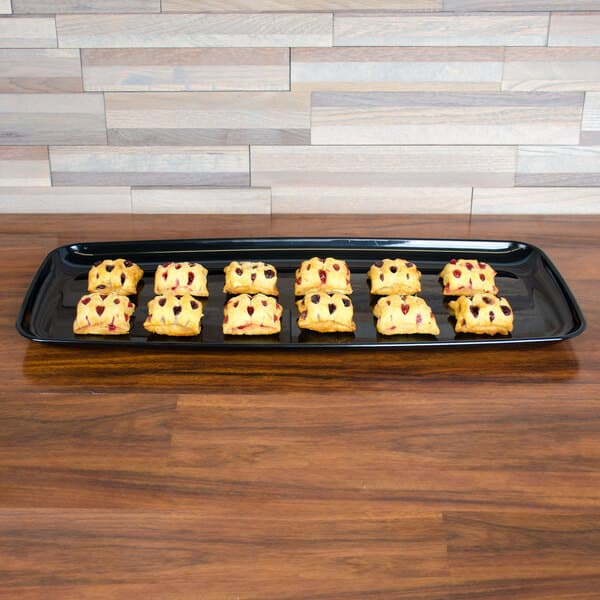
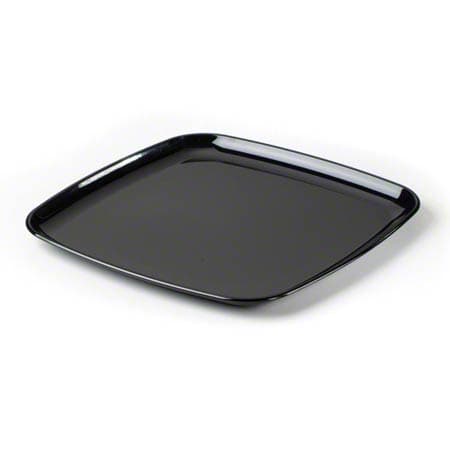
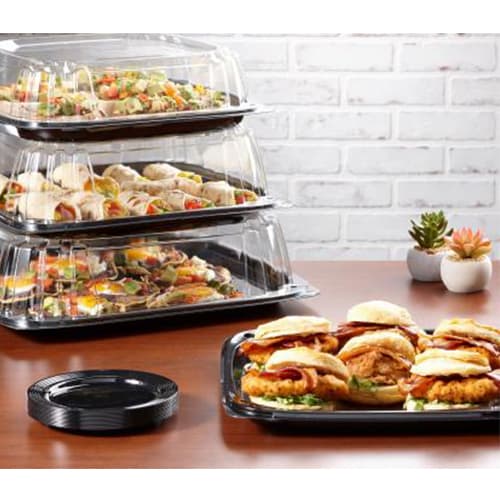
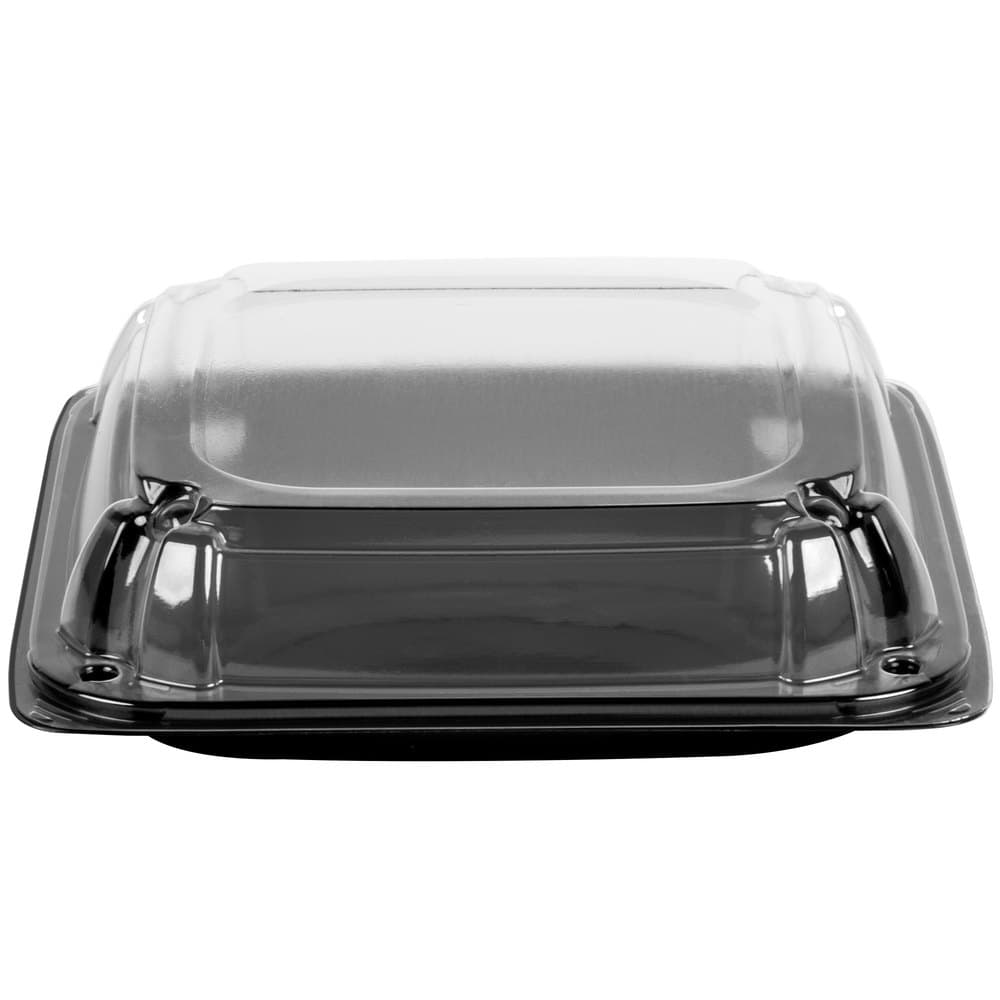
Family-style service relies on large-format platters — typically 12″ to 22″ in round, square, or rectangular formats. Round platters work well for sides, salads, and appetizers; long rectangular platters handle entrée and protein presentations more efficiently at the table. High-dome lids on platters are essential for transporting and staging food from the kitchen to the dining room while maintaining temperature and presentation.
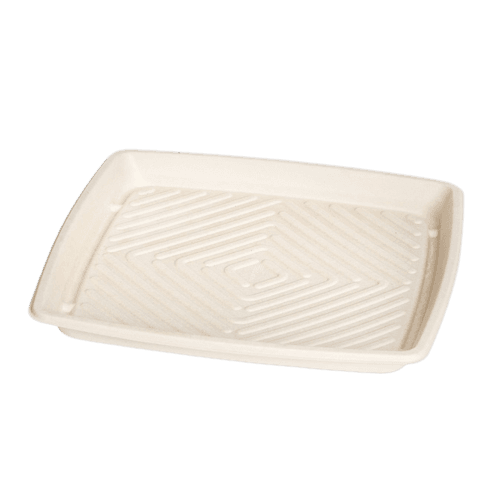
For disposable options, catering-grade platters are available in plastic, molded fiber, and bagasse (sugarcane fiber). Each platter needs a dedicated serving utensil — typically a fork or spoon — placed on or alongside the dish before it reaches the table.
Common Uses
Department & Usage: Family-style service is used by hotel banquet and catering operations teams for weddings, rehearsal dinners, corporate dinners, private banquets, and informal social gatherings. The banquet manager coordinates kitchen staff, banquet servers, and event logistics to execute simultaneous platter delivery to all tables by course. Event managers specify family-style as a service format during BEO (Banquet Event Order) planning when clients want a communal, interactive dining experience. F&B directors evaluate it as a mid-tier service option that reduces plating labor compared to individual plate service while still requiring active server presence for replenishment, clearing, and food safety monitoring.
Sustainability
Family-style service generates less individual packaging waste than plated service because food arrives in shared platters rather than individually pre-plated portions. When disposable serving ware is required — particularly for off-premise catering or high-volume events — bagasse (sugarcane fiber) and molded fiber platters are sustainable alternatives to virgin plastic trays. BPI-certified compostable platters and serving pieces that meet ASTM D6400 or D6868 standards align family-style setups with venue or client sustainability requirements. Over-portioning is an inherent waste risk in self-serve formats; using a replenishment strategy — holding back reserve platters rather than placing all food at once — reduces food waste without shortchanging any table. Reusable serving platters and utensils remain the most sustainable option when on-site dishwashing capacity supports it.
Related Products