Catering Van
A catering van is a vehicle specifically designed or converted to transport, prepare, and/or serve food and beverages at locations away from a fixed kitchen, functioning as a mobile food service unit for events, off-site activations, and venues without on-site kitchen infrastructure.
A catering van is a vehicle specifically designed or converted to transport, prepare, and/or serve food and beverages at locations away from a fixed kitchen. In hospitality, it functions as a mobile food service unit that enables operators to bring F&B service directly to guests — whether at outdoor events, resort pool decks, corporate parks, or off-site venues with no kitchen infrastructure.
How a Catering Van Works
Catering vans operate in two core modes depending on the event format and vehicle configuration. The first is a transport-and-hold model, where food is prepared in a central kitchen and loaded into the van’s insulated chambers or hot-holding compartments for delivery to the service location. The second is a full mobile kitchen model, where food is prepared and cooked on-site to order — closer to what most people picture as a food truck.
Both modes rely on temperature control as the operational backbone. Insulated chambers, built-in refrigeration units, and hot-holding compartments keep food within safe temperature ranges throughout transport and service. Operators are required to maintain temperature logs and follow HACCP protocols — the same food safety standards applied to any fixed foodservice establishment.
Catering Vans in Hotel & Resort Operations
Hotels and resorts deploy catering vans to extend F&B service beyond the walls of a fixed kitchen. Common use cases include poolside activations, satellite food stations on large resort properties, off-site catering for corporate clients, and outdoor events where running full kitchen equipment isn’t feasible.
In most properties, catering van logistics are managed under the Banquet or F&B department. The van acts as the logistics bridge between the central kitchen and the remote service point — a role similar to a banquet roll-in but with the mobility to reach locations entirely off-property. At the service end, staff unload equipment, assemble chafing dishes, and set up food stations to deliver a buffet-style or plated service experience.
F&B and catering operations typically represent approximately 25% of total hotel revenue, with an average profit margin around 29%. A well-managed catering van program supports that revenue line while keeping labor lean — most mobile catering units can be operated by one to two people even at high guest volumes.
Essential Supplies for Catering Van Operations
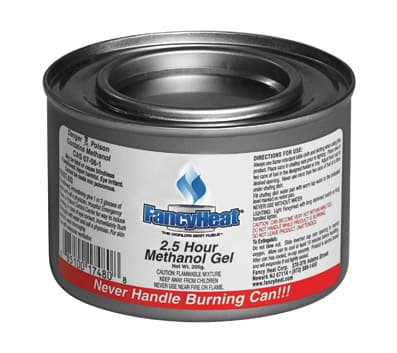
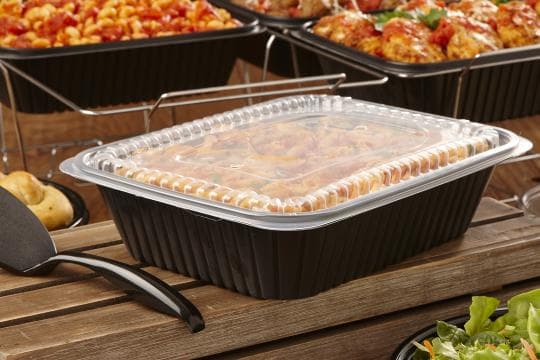
Reliable temperature management starts with the right packaging and transport equipment. Catering pans with secure lids transport large batches of hot food with minimal heat loss. Insulated foil wrap sheets protect individual portions during transit. When no fixed power source is available at the event site, chafing fuel — like methanol heat gel — keeps food at safe serving temperatures through the service window.
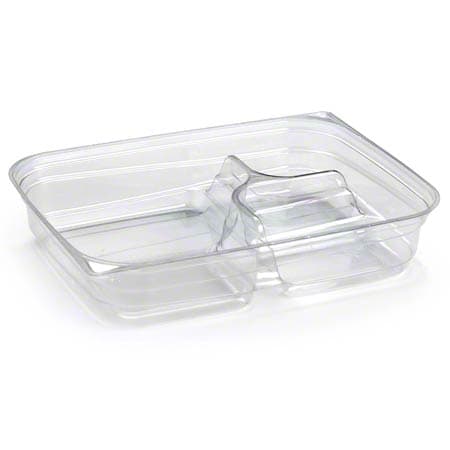
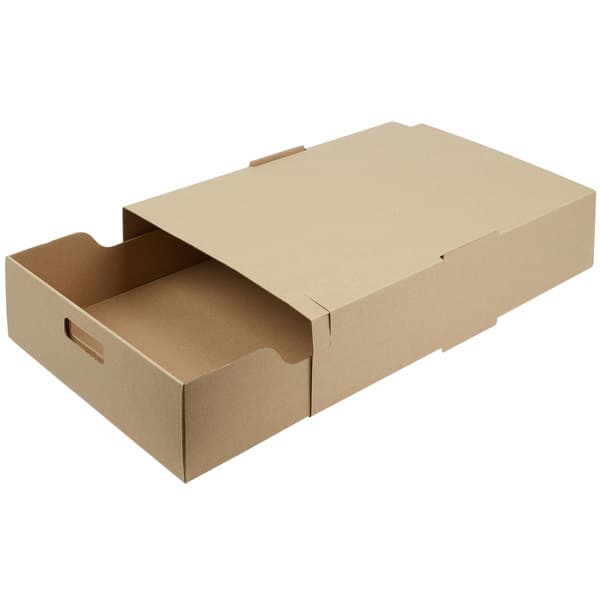
Catering boxes are the workhorses of van transport. Jumbo catering boxes handle large platters and trays for buffet setups; half-size boxes suit individual meal packs, sandwiches, and portioned items for boxed lunch programs. For plated hot food, insulated foam containers maintain temperature from kitchen loading to guest hand-off. Multi-compartment deli containers are a practical format for pre-portioned corporate meals featuring a protein, starch, and vegetable.
Browse catering supplies, deli containers, and cartons and boxes to stock your catering van program.
Permits and Compliance Requirements
Catering vans operating commercially must satisfy several layers of regulatory approval. Requirements vary by jurisdiction, but most operators need the following:
- Mobile Food Vendor Permit: Issued by the local health department, authorizing food sales from a vehicle.
- Health Department Certificate: Confirms the van meets hygiene and food safety standards following an inspection.
- Fire Safety Permit: Required when the van includes grills, fryers, or other open-flame or high-heat cooking equipment.
- Zoning Permit / Commissary Agreement: Some jurisdictions require catering vans to be registered to a licensed commissary kitchen for prep and storage, and to obtain permits for approved trading locations.
- Food Handler Certification: All staff handling food must hold valid certifications. ServSafe is the most widely recognized program in the US.
- Commercial Driver’s License (CDL): May be required for larger catering trucks depending on vehicle weight class and state regulations.
A formal food safety plan addressing transport, hot holding, cold holding, and the time-temperature control requirements for every item on the menu is both a regulatory expectation and an operational necessity. Keeping food out of the danger zone (40°F–140°F) throughout the entire catering van workflow is the central food safety obligation.
Sustainability Considerations
Single-use packaging is one of the most significant sustainability challenges for catering van operations, since nearly all food is served in disposable containers. Operators are increasingly shifting to compostable, bagasse, or molded fiber formats to reduce landfill contribution — a trend covered in depth in SupplyClub’s guide to the eco-friendly packaging revolution.
On the vehicle side, fuel efficiency is a growing priority. Electric and hybrid catering vans are emerging in urban markets as a lower-emission alternative to diesel or gasoline-powered units. Mobile catering also reduces food waste potential by allowing operators to calibrate batch sizes precisely to confirmed guest counts — an advantage over fixed-site operations with unpredictable covers.
For more on packaging innovation relevant to catering van programs, see SupplyClub’s overview of packaging trends for 2025 and beyond.
Common Uses
Department & Usage: Catering vans are deployed primarily by hotel Banquet and F&B departments to support outdoor events, poolside service, satellite food stations on large resort properties, and off-site catering activations. The van acts as a logistics link between a central kitchen and a remote service point, enabling full-scale food service without a permanent kitchen at the destination. In standalone mobile catering businesses, the van serves as the entire operation — handling prep, transport, and on-site service. Corporate catering programs also use catering vans for boxed lunch delivery and food station setup at client sites.
Sustainability
Single-use packaging is the primary sustainability challenge for catering van operations, as most food is served in disposable containers. Operators are increasingly adopting compostable, bagasse, and molded fiber packaging to reduce landfill impact. Electric and hybrid catering vans are emerging as lower-emission alternatives in urban markets. Mobile catering also reduces food waste by enabling precise batch-size calibration to confirmed guest counts, eliminating the unpredictability of fixed-site restaurant operations.
Related Products