Banquet Roll-in
Banquet roll-in refers to the operational practice of transporting pre-loaded mobile food and beverage service equipment — including carts, hot boxes, chafing dish trolleys, and steam table setups — from a hotel's back-of-house kitchen or staging corridor into a banquet or event room for buffet or action-station service.
A banquet roll-in is the practice of wheeling pre-loaded mobile food and beverage service equipment — carts, hot boxes, chafer trolleys, or steam table setups — from a hotel’s back-of-house kitchen or staging corridor directly into a banquet or event room for service. The approach delivers fully assembled service stations to the point of guest contact, cutting the time between kitchen and table while preserving food temperature throughout transit.
How a Banquet Roll-in Works
Before the event begins, banquet servers load chafing dishes, hotel pans, insulated carriers, beverage dispensers, and serving utensils directly onto transport carts as part of their pre-service side work. This preparation step — sometimes called mise en cart — ensures everything needed for service is staged and ready before the cart ever moves.
At the designated service cue, the team wheels the loaded carts through service corridors and freight elevators into the event room. From there, servers position chafing dishes, apply buffet risers, set out sneeze guards, and finalize the buffet line or action station layout for guests.
Roll-in vs. Plated Banquet Service
Plated service requires kitchen staff to plate individual portions and servers to carry them to seated guests — a labor-intensive model suited to formal dinners. A roll-in replaces that workflow with a mobile service station: the food comes to the room in bulk, already loaded and hot-held, ready for buffet or action-station service.
Roll-ins are the preferred format for continental breakfasts, coffee breaks, lunch buffets, and reception-style events where speed, volume, and temperature maintenance outweigh formal presentation. They also reduce per-cover labor costs significantly on high-attendance functions.
Equipment Loaded onto a Roll-in Cart
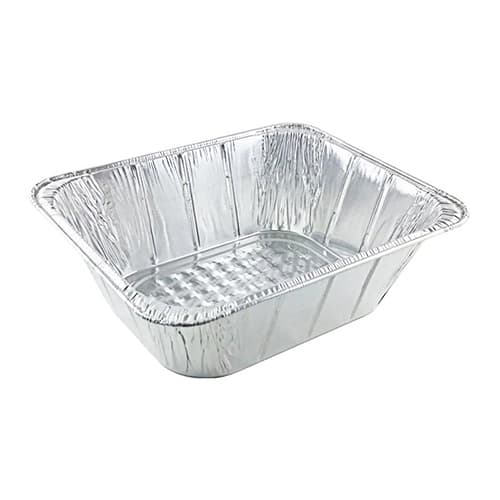
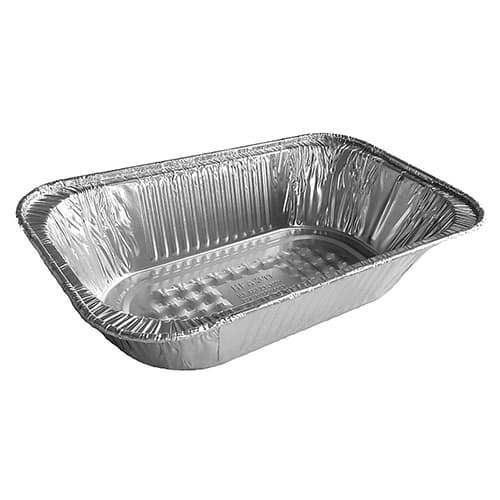
Standard roll-in carts carry full-, half-, and quarter-size steam table pans nested into chafing dish frames. Full-size deep pans handle high-volume proteins and sauces; half-size pans work for side dishes and soups at smaller break-out stations; quarter-size pans hold condiments, garnishes, and specialty items at action stations or continental breakfast setups.
Warming cabinets in the staging area pre-heat pans before loading. Cambro transport containers and hot boxes maintain safe temperatures during transit when the cart moves through long corridors or requires elevator access.
Food Safety Requirements
Per HACCP standards, hot foods must stay at or above 135°F (57°C) and cold foods at or below 41°F (5°C) throughout the entire roll-in — from kitchen loading through the end of service. Allowing food to enter the danger zone (41°F–135°F) during transit is a critical control point failure.
Time-temperature control practices apply at every stage: banquet teams should document holding temperatures with a temperature log and move carts quickly once loaded. Banquet staff executing roll-ins are typically required to hold ServSafe food handler certification. Local health department inspectors assess roll-in equipment and temperature records during routine property inspections.
Coordination and Logistics
The Banquet Event Order (BEO) is the operational blueprint for every roll-in. It specifies service format, timing cues, number of carts, menu items, and any dietary accommodations — giving the banquet team everything needed to plan staging, staffing, and corridor routing in advance.
The Banquet Captain or Banquet Manager calls a pre-shift meeting before the event where servers receive their roll-in assignments, timing cues, and menu details. In hotels running multiple simultaneous events, corridor routing and elevator scheduling require active coordination to prevent bottlenecks — especially during peak periods like weddings or large conferences.
After service concludes, the team reloads used equipment onto carts and transports everything back to the kitchen or stewarding area — the reverse logistical process known as break down.
Infrastructure Considerations
Roll-in logistics depend on physical facility design. Wide service corridors, freight elevators, and dedicated staging areas near ballrooms are standard requirements. ADA compliance standards apply to service pathways, including minimum aisle widths that allow safe cart passage. Hotels evaluating banquet capacity upgrades typically assess roll-in infrastructure as a core operational constraint.
Common Uses
Department & Usage: The banquet roll-in is used primarily within hotel Food & Beverage (F&B) and Banquet departments. Banquet Managers and Captains plan roll-in logistics from the BEO, assign carts and staffing, and call the service cue. Banquet servers and stewards execute the physical loading, transport, and room setup. The format is standard for continental breakfasts, coffee breaks, lunch buffets, and reception-style events — any function where speed of setup, labor efficiency, and hot-holding integrity take priority over formal plated presentation. In hotels with active conference and events business, roll-ins may occur multiple times daily across different ballrooms or meeting rooms simultaneously.
Sustainability
Roll-in service using reusable chafing dishes, hotel pans, and insulated carriers substantially reduces single-use packaging waste compared to individually portioned or boxed meal formats. Hotels can minimize food waste by calibrating pan quantities to the guaranteed guest count listed on the BEO, avoiding over-production for large banquet groups.
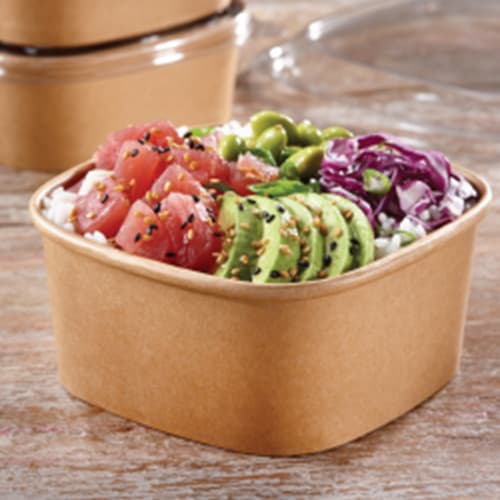
Switching from disposable aluminum steam table pans to reusable hotel pans for in-house roll-in service eliminates recurring waste — though disposable pans remain practical for off-site events or high-volume functions where warewashing capacity is limited. Eco-focused properties load compostable or PFAS-free serviceware, such as molded fiber bowls or paper plates, onto roll-in carts for break-out sessions to reduce environmental impact without sacrificing operational speed.
Related Products