Expedite Cart
An expedite cart is a mobile, multi-shelf cart used in banquet and catering operations to transport plated dishes, serving utensils, trays, and supplies from the kitchen pass to guest tables during an event, enabling simultaneous multi-cover delivery and reducing unnecessary trips between the kitchen and the dining floor.
An expedite cart is a mobile, multi-shelf utility cart used in hotel banquet and catering operations to transport plated dishes, serving utensils, trays, and supplies from the kitchen pass to the dining floor during an event. It functions as a mobile extension of the expo window, allowing an expeditor or food runner to move multiple covers in a single trip rather than walking individual plates to tables.
How an Expedite Cart Works in Banquet Service
The cart bridges back-of-house and front-of-house during the most time-critical phase of a catering event: the course drop. As completed plates come through the pass-through window, staff load them onto the cart and move the entire load to the dining room simultaneously, preserving service timing across all covers.
In large hotel banquet operations, a two-person expediting team is standard. One staffer manages the expo station at the kitchen pass while the other runs the cart between the kitchen and the floor. This division keeps ticket times tight and reduces the number of trips required per course.
On the back pass of each trip, the cart is used to collect soiled items for return to the kitchen — effectively doubling as a bussing cart. Cleared dishware is deposited at the bus station before the cart is reloaded for the next course.
Cart Types Used in Hotel Catering
Four main cart types appear in banquet and catering operations, each suited to a different scale of service:
- Queen Mary banquet carts — the heavy-duty workhorse of large-scale hotel events. Engineered for weight capacities of 2,500–3,000 lbs, these carts are standard at convention centers, ballrooms, and stadiums where entire meal services are pre-staged before guest arrival.
- Standard utility carts — appropriate for smaller catering events, breakout sessions, and restaurant-adjacent banquet spaces. Typical dimensions run approximately 30″W x 44″L x 49″H.
- Bussing carts — primarily used for clearing, but often deployed for outbound service in lower-volume events.
- All-in-one caterer’s carts — versatile units used in off-premise catering and hotel catering where a single cart must handle both delivery and breakdown.
Construction and Compliance Standards
Heavy-duty aluminum or stainless steel construction is the professional standard for catering expedite carts. Both materials resist corrosion, tolerate commercial cleaning agents, and meet the durability requirements of high-volume banquet operations. Aluminum carts are also inherently recyclable at end-of-life, offering an environmental advantage over coated steel alternatives.
Any cart with food-contact surfaces used in a licensed foodservice or catering operation must carry NSF/ANSI 2 certification (NSF International — Food Equipment). This certification confirms that shelf materials are non-toxic, non-absorbent, and cleanable to commercial standards. Health departments in most US jurisdictions require NSF-rated equipment in food preparation and transport environments.
Food Safety on the Expedite Cart
The expedite cart is a time-temperature control checkpoint. Hot foods must stay at 135°F or above and cold foods at 41°F or below throughout the trip from kitchen to table — per FDA/FSMA food transport standards. Allowing food to drift into the temperature danger zone (41°F–135°F) during a banquet drop is a food safety violation.
Insulated carriers and hot boxes are commonly staged on or alongside large-format carts to protect temperature-sensitive dishes during longer transit distances — particularly in convention center properties where the kitchen-to-ballroom distance can be significant. Staff operating expedite carts are typically required to hold ServSafe food handler certification.
Mise en Cart: Pre-Loading Before Service
Mise en place principles govern how the expedite cart is organized before the event begins — the hospitality industry calls this mise en cart. The cart should be fully stocked and organized before guests arrive, not assembled during service.
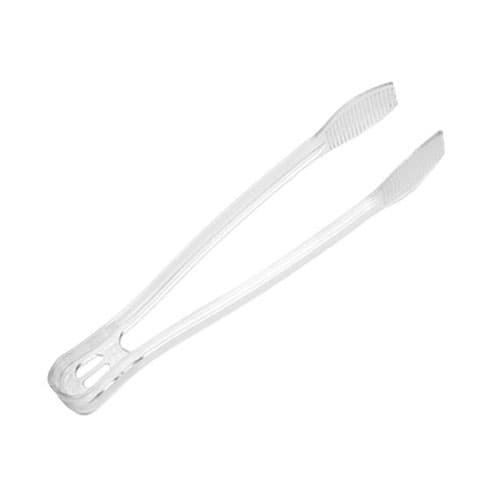
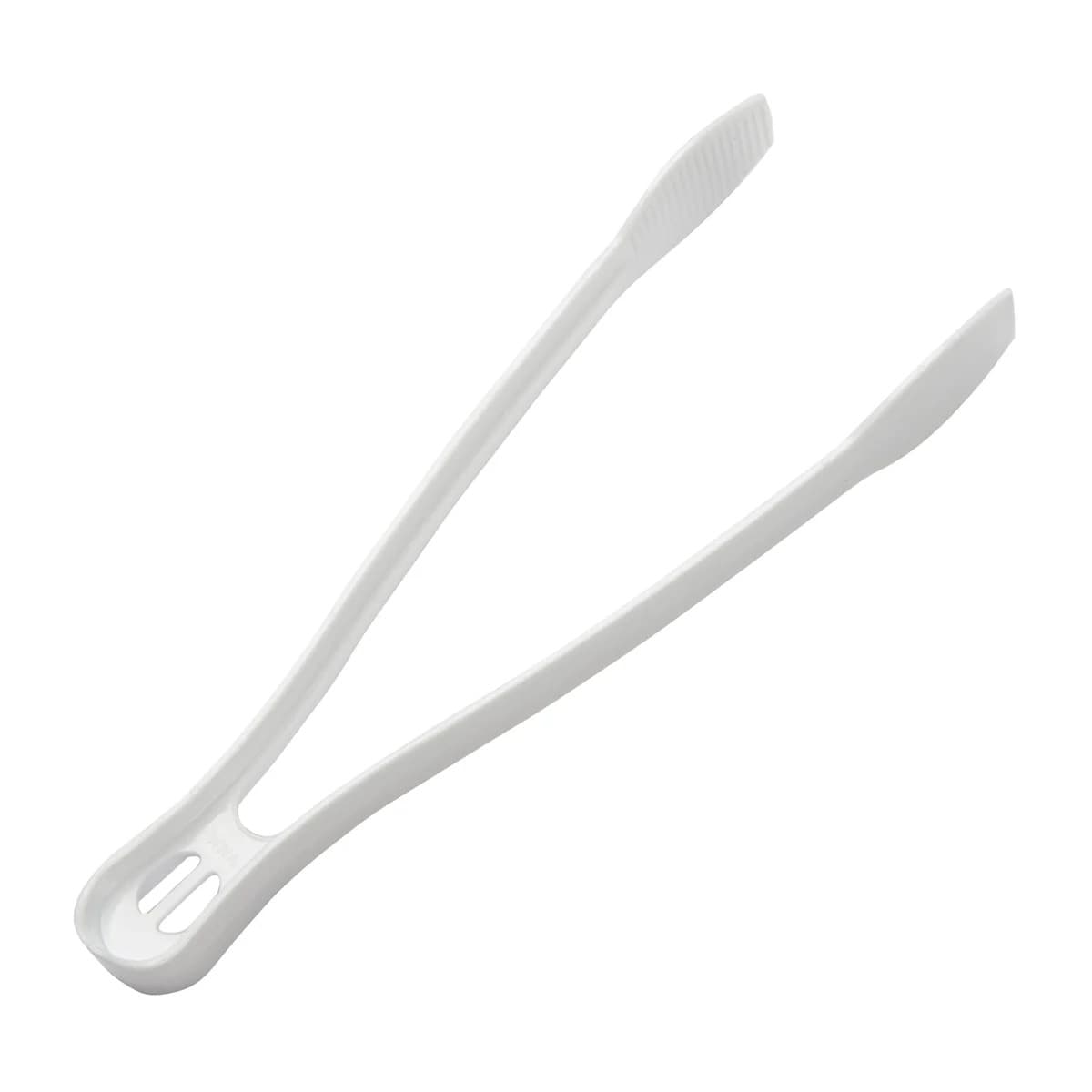
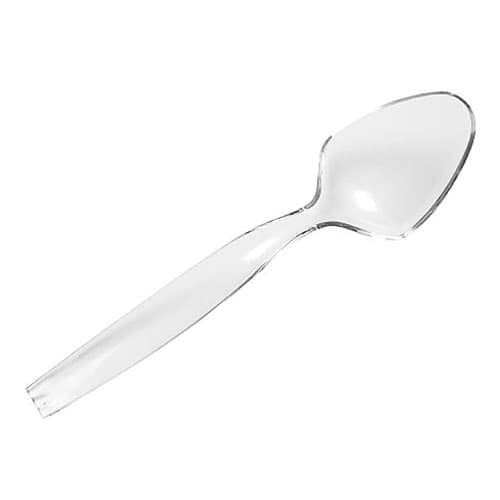
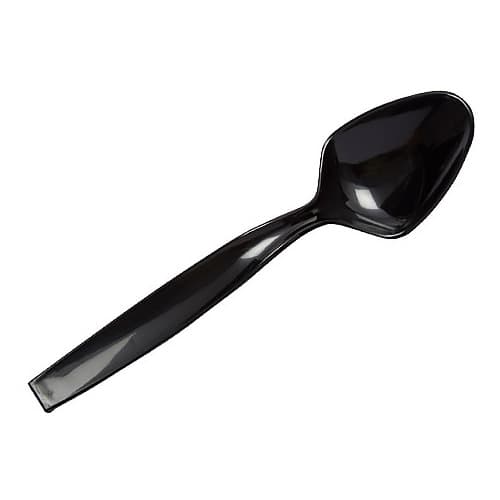
Standard pre-load items include serving tongs, serving spoons, napkins or linen, rollup flatware packets, condiment holders, and any event-specific garnish or sauce accompaniments. For action stations and butlered service, hors d’oeuvres platters and passed beverage setups are also staged on the cart. Pre-loading is typically assigned as part of side work and reviewed during the pre-shift briefing.
Serving utensils — tongs, spoons, ladles — are the most frequently accessed items on the cart. Stocking catering utensils from a reliable supply source ensures carts are consistently equipped without last-minute scrambles before service. Catering trays and covered transport containers are loaded on the cart for hors d’oeuvres passes, dessert runs, and off-premise delivery drops.
Key Properties
Common Uses
Department & Usage: The expedite cart is owned and operated by the Banquet and Catering department. Food runners and expeditors use it at the intersection of back-of-house (kitchen pass/expo window) and front-of-house (dining floor) during plated banquet service, buffet drops, action station re-supply, and butlered reception service. It is deployed at every stage of the meal — from initial course drop to inter-course clearing to final breakdown — and is pre-loaded during server side work before the event begins. In large-format hotel and convention properties, it is the primary vehicle for maintaining simultaneous service timing across all banquet rounds.
Sustainability
When reusable serving utensils are practical for the event format, stocking them on the expedite cart eliminates single-use plastic waste on a per-event basis. For off-premise catering or outdoor events where disposables are required, selecting BPI Certified Compostable or ASTM D6400-compliant serving utensils and trays aligns the cart's serviceware with a property's sustainability commitments. Aluminum-construction carts — the professional industry standard — are inherently recyclable at end-of-life and resist corrosion without chemical surface treatments, making them a lower-footprint choice than coated steel alternatives at the time of equipment procurement.
Related Products