Guest Folio
A guest folio is the real-time, itemized record of all charges and payments associated with a hotel guest's reservation, maintained from check-in through checkout and used as the basis for the final invoice at departure.
A guest folio is the master itemized record of every charge and payment tied to a guest’s reservation, opened at check-in and settled at checkout. It tracks room rates, taxes, food and beverage, incidentals, spa, laundry, parking, and any other transaction incurred during the stay — updated continuously in real time.
How the Guest Folio Works
The folio opens at a zero balance the moment a guest completes registration. Every transaction added to the folio is called a posting — each entry is timestamped, assigned a department source code, and logged chronologically for auditability. Debits increase the outstanding balance; credits (payments, deposits, allowances) reduce it. A properly closed folio settles at zero upon checkout.
In modern hotels, the folio lives inside the POS system-integrated Property Management System (PMS), which automatically pulls charges from F&B outlets, spa, and other revenue centers in real time. A restaurant server who runs a guest’s order through the POS sends that charge directly to the folio without manual input at the front desk. Legacy systems handled this manually, with paper folios stored in a physical rack at the front office cashier and printed only at checkout.
The front office cashier is the primary custodian of the folio throughout the stay. At end of day, the daily sales report is reconciled against folio data during the night audit — the process by which the night auditor posts daily room rates and applicable taxes to every active folio and flags any billing discrepancies before closing the books.
What Appears on a Guest Folio
- Nightly room rates and applicable taxes
- Food and beverage charges from outlets and in-room dining
- Incidentals: minibar, laundry, parking, valet
- Upsells: room upgrades, late checkout, spa packages — all tracked as additional line items per upsell activity
- Advance deposits and pre-authorizations
- Final payment entries and credits
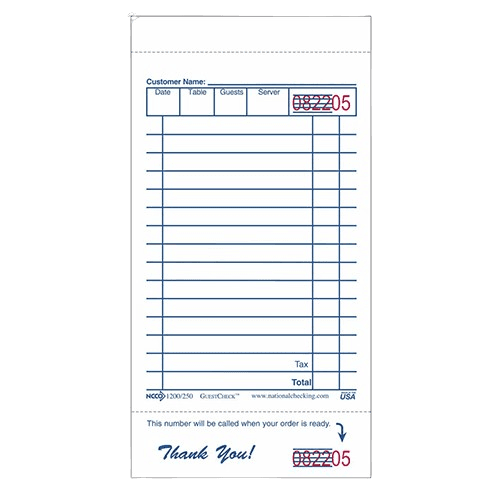
In F&B outlets, the guest check is the source document for charges transferred to the folio. A guest who signs a chit at the bar authorizes that charge to be posted to their account — the chit is then forwarded to the front office cashier for entry. This chain of documentation supports chargebacks defense and tax audits.
Types of Hotel Folios
Not every folio belongs to a single overnight guest. Hotels maintain several folio types depending on who is being billed and for what purpose.
- Guest (Individual) Folio: Standard bill for a single reservation
- Master Folio: Consolidated bill for a group booking or event, paid by the organizer or company
- Incidental Folio: Extras beyond the room rate, separated from the base room charge
- Split Folio: Charges divided between two parties — common when a company pays room charges and the guest pays incidentals
- Company Folio: Direct-billed to a corporate account per negotiated terms
- Non-Guest / Semi-Folio: For walk-in customers using hotel amenities without an overnight stay, related to a house account
- Employee / Staff Folio: Tracks internal staff expenses for accounting purposes
Guest Folio vs. Invoice vs. Receipt
The guest folio is a dynamic, living document — not a finalized bill. It is updated throughout the stay and serves as the internal record of all activity on the account. The invoice is the static, legally binding document issued at checkout; once generated, it cannot be edited. The receipt confirms that payment was received for the finalized amount. The folio produces the invoice, which produces the receipt.
Compliance and Record-Keeping
Guest folios are legally binding financial documents. PCI DSS compliance requires that full card numbers never appear on a printed folio — only the last four digits are permitted. Many jurisdictions require hotels to retain folio records for a defined number of years to satisfy occupancy tax, sales tax, and VAT/GST auditing requirements.
Best Practices
Pre-authorize the guest’s credit card at check-in for the total room amount plus an incidental hold. Provide guests with an interim folio review — via email, a printed copy slipped under the door, or a guest portal — before the day of checkout. This reduces disputes at the front desk and speeds up the checkout process. Hotels that communicate folio policies clearly in their welcome letter and guest directory report fewer billing complaints at departure.
Folio spending data is also a revenue intelligence tool. Analyzing posting patterns by guest segment helps F&B directors and revenue managers identify upsell opportunities, refine outlet pricing, and personalize offers for return guests.
Common Uses
Department & Usage: The guest folio is managed primarily by the front office — specifically the front desk cashier and night auditor. The cashier maintains the folio throughout the stay and processes payments at checkout; the night auditor posts daily room charges and taxes during end-of-day reconciliation. F&B, spa, valet, and other revenue center staff interact with the folio indirectly through POS integrations that automatically transfer charges. Event managers reference the master folio type when consolidating group billing. Finance and accounting teams use archived folio data for tax compliance, chargeback defense, and revenue reporting.
Sustainability
Paperless folio delivery — via email, mobile app, or guest portal — eliminates printed billing materials at checkout and reduces front desk paper waste. Cloud-based PMS platforms that automate folio management support broader hotel sustainability and ESG reporting goals by reducing paper usage across the entire billing lifecycle.