
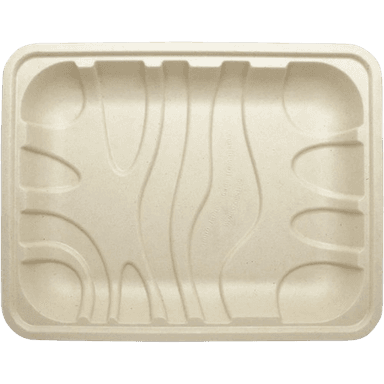
Southern Champion ChampWare 10.25" x 7.75" Molded Fiber Platter
Related Categories
Related Glossary Terms
Molded Fiber Food Trays
Molded fiber trays made from bagasse serve baskets, sides, and cafeteria meals as a sturdy alternative to foam, holding hot, wet, and oily foods and staying microwave-safe. Compartment and boat styles portion meals and reduce cross-contact, in sizes from small sides to full meal trays. Compostable options are available. Dimensions, compartments, and case pack are listed so trays fit the product and the line.
Material Options and Sustainability
Fiber trays are manufactured from renewable resources including bagasse (sugarcane pulp), bamboo, and wheat straw, creating a fully compostable packaging solution. These molded fiber materials break down naturally in commercial composting facilities, typically within 60-90 days, helping food service operations reduce landfill waste. Bulk fiber trays for catering combine environmental responsibility with heat tolerance and moisture resistance suitable for diverse menu applications.
Applications Across Food Service
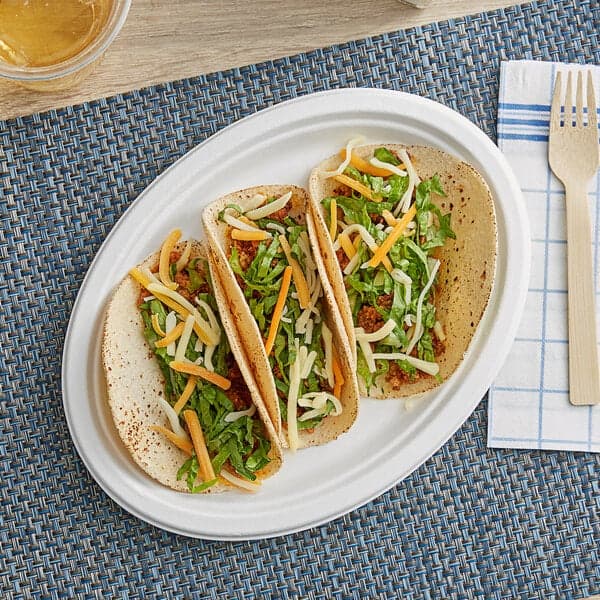
These versatile trays accommodate everything from entrees and sides to appetizers and desserts in quick-service restaurants, cafeterias, and event catering. The natural fiber construction provides insulation for hot foods while maintaining structural integrity with saucy or oily menu items. Food trucks and mobile vendors particularly value the lightweight yet durable design that simplifies transportation and reduces storage space requirements.
Performance Characteristics
Molded fiber trays offer excellent grease and cut resistance, maintaining their shape under typical food service conditions. Most fiber trays are microwave-safe and can handle temperatures up to 200°F, making them suitable for reheating applications. The textured surface provides a natural, organic presentation that appeals to health-conscious customers while the rigid construction prevents bending or collapse during service.
Choosing the Right Fiber Trays
Consider these factors when selecting fiber trays for your food service operation.
- Match Compartments to Menu Items: Select single-compartment trays for entrees or multi-compartment designs to keep sides separated and prevent flavor mixing.
- Verify Composting Compatibility: Confirm that your local commercial composting facility accepts molded fiber products to ensure proper end-of-life disposal.
- Consider Moisture Content: For high-moisture or liquid-heavy items, choose fiber trays with enhanced moisture barriers or pair with appropriate liners.
- Test Temperature Tolerance: Evaluate tray performance with your specific menu items at serving temperatures to ensure structural integrity throughout the dining experience.
- Assess Storage Requirements: Fiber trays can be nested or stacked compactly, but account for their natural texture and slight thickness variations when calculating storage space.
Frequently asked questions
- What are the environmental benefits of using fiber trays?
- Fiber trays are made from renewable resources like bagasse, bamboo, and wheat straw. They're fully compostable and break down naturally in commercial composting facilities, reducing landfill waste.
- Are fiber trays suitable for all types of food?
- Fiber trays handle hot, wet, oily, and cold foods. They're microwave-safe, heat-tolerant up to 200°F, and maintain structural integrity across diverse menu items.
- How do I choose the right fiber tray for my business?
- Match compartment style to your menu, verify your local composting facility accepts molded fiber, and test tray performance with your specific foods at serving temperatures.