Banquet Coffee Station
A banquet coffee station is a dedicated beverage service point set up within a hotel banquet hall, pre-function area, or event space, offering guests self-service or attended access to hot coffee, tea, and condiments during or between event segments.
A banquet coffee station is a dedicated beverage setup — self-service or attended — deployed within a hotel banquet hall, pre-function area, or event space to provide guests with hot coffee, tea, and condiments during or between event segments. It is one of the most frequently used service points in conference and banquet operations, appearing at morning arrivals, mid-morning breaks, post-lunch periods, and afternoon breaks.
Which Department Manages the Banquet Coffee Station
The Banquet Department — a sub-division of the hotel’s Food & Beverage (F&B) Department — owns the setup, staffing, and breakdown of the coffee station. The Banquet Manager or Supervisor is responsible for layout planning, service timing, and ensuring the station is fully operational no later than 30 minutes before the event start time.
Banquet servers maintain the station throughout the event: replenishing brewed coffee, restocking cups and condiments, clearing used items, and directing guests to the station. Staff handling the station must hold a valid food handler card or ServSafe certification as required by state and local health departments.
Standard Setup Elements
A properly stocked banquet coffee station includes coffee urns or percolators, hot water dispensers for tea, an assortment of tea bags, milk and creamer, sugar and sugar substitute packets, stir sticks, napkins, and disposable or china cups with saucers. For upscale events, espresso machines or staffed barista bars replace traditional urn service, functioning as an action station format.
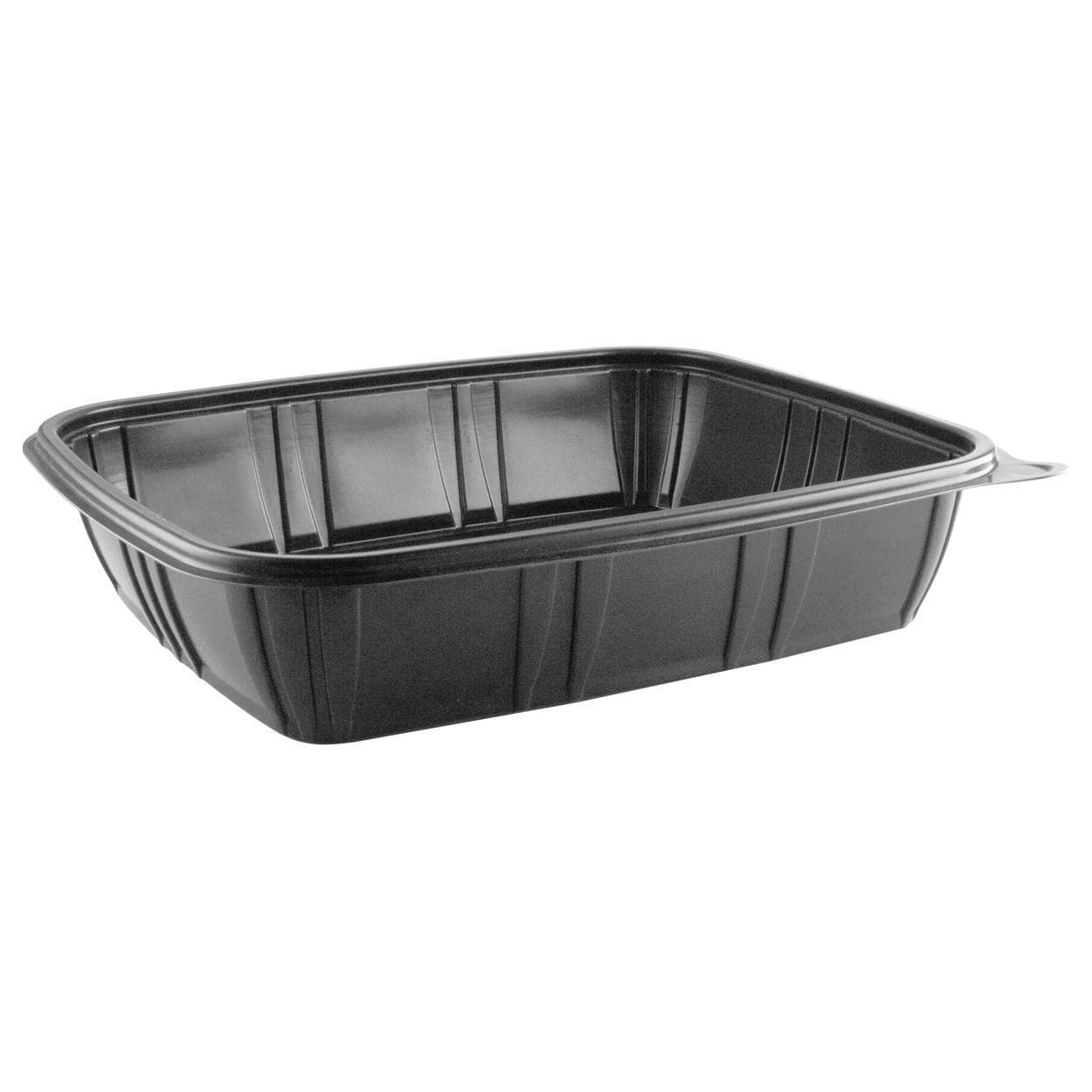
Station tables are typically dressed with a disposable or fabric cover and skirted for presentation. Buffet risers are used to create visual height variation and improve the organization of cups, condiments, and accompanying items. Condiments are commonly organized in small trays or catering containers to keep the station neat during high-traffic breaks.
Equipment is staged on a banquet roll-in cart and wheeled into the event space during setup. For satellite or remote coffee service points, insulated carriers maintain safe holding temperatures during transport from the kitchen.
Food Safety and Temperature Compliance
Brewed coffee in urns or dispensers is subject to time-temperature control requirements. Per FDA Food Code 2022 §3-501.16, hot beverages must be held at 135°F (57°C) or above throughout service. Banquet supervisors should monitor urn temperatures regularly and take corrective action — refreshing coffee or adjusting equipment — if temperatures drop below threshold.
Pre-brewed coffee held on heat for extended periods degrades in flavor quality, which is one reason higher-end banquet operations are moving toward made-to-order specialty coffee setups. Dairy items must be retrieved from refrigeration immediately before service and should not be left at room temperature for extended periods.
HACCP principles apply here: temperature monitoring, proper holding equipment, and documented corrective actions are the operational baseline for compliant coffee station management.
Pricing and BEO Integration
Banquet coffee stations are priced on a per-person or per-gallon basis within the Banquet Event Order (BEO). The total station cost factors in labor, equipment, and consumable supplies — cups, lids, stir sticks, napkins, and condiment packets. In Day Delegate Rate (DDR) conference packages, mid-morning and mid-afternoon coffee breaks are standard inclusions.
ADA and Life Safety Compliance
Station layout must meet ADA Standards for Accessible Design 2010 §221, including appropriate counter height and approach clearance for guests with disabilities. All temporary station structures and electrical equipment — urns, espresso machines, hot water dispensers — must comply with NFPA 101 Life Safety Code 2021 §12.1 for assembly occupancies and OSHA 29 CFR 1910.303 for electrical safety.
Recommended Supplies for Banquet Coffee Stations
- Disposable hot cups: 20 oz Paper Hot Cup, White — the standard size for self-service banquet coffee breaks, available by the case through hot cups and lids.
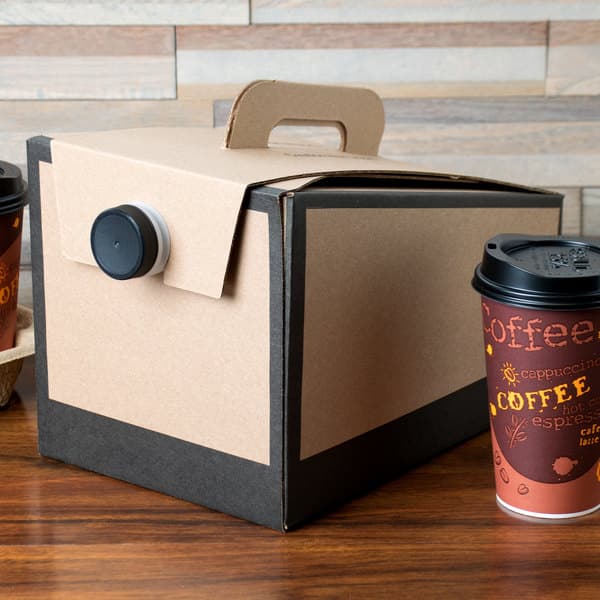
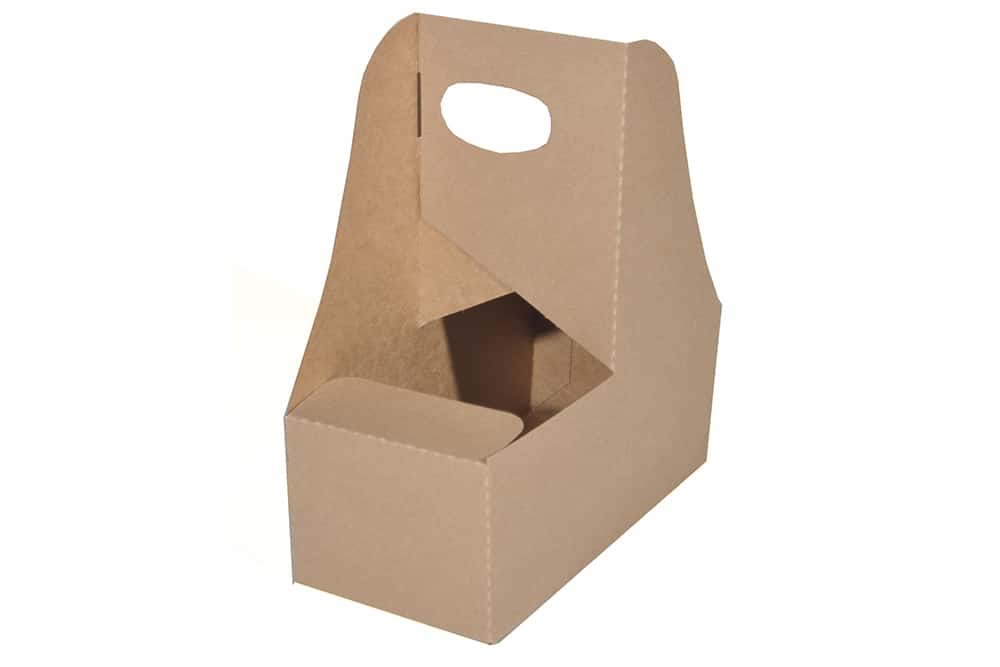
- Bulk coffee transport: Sabert 160 oz. Coffee Take Out Container for transporting and dispensing large-volume brewed coffee at the station.
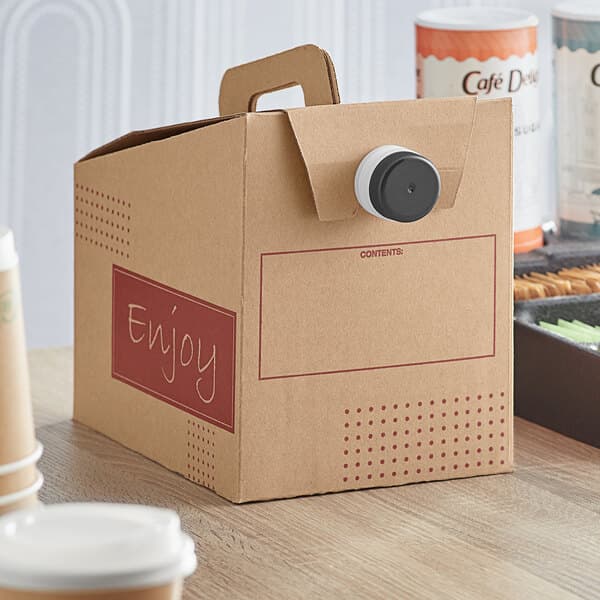
- Satellite break service: Sabert 96 oz. Pop, Fill & Go Coffee Take Out Container for overflow or remote coffee service points beyond the main station.
- Station table cover: Hoffmaster 54″ x 54″ White Cellutex Table Cover for a clean, professional station presentation.
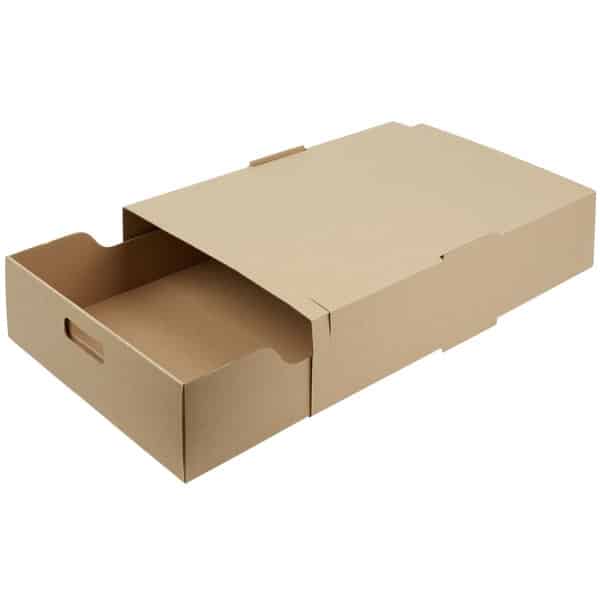
- Condiment organization: Small Kraft Catering Tray for sugar packets, sweeteners, stir sticks, and individual creamers; Large Kraft Catering Tray for broader condiment arrays.
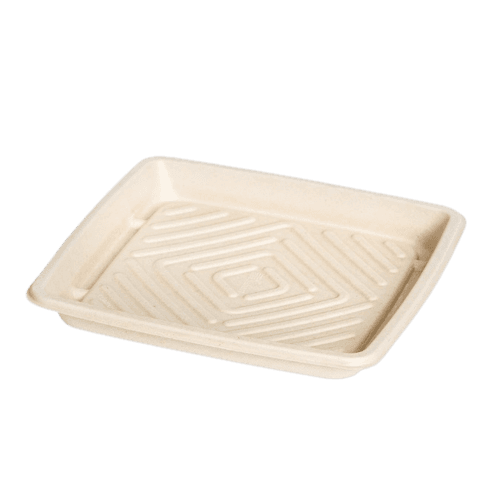
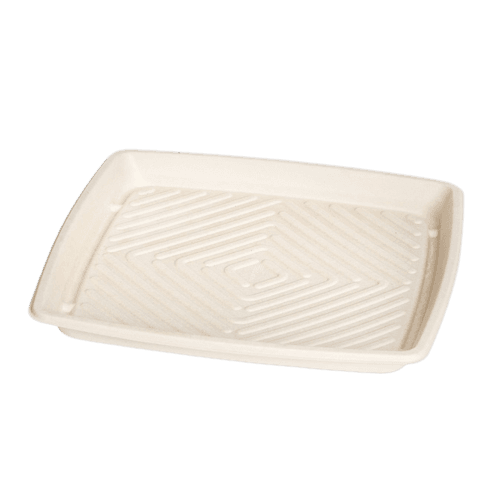
- Pastry display: 10.7″ Square Fiber Platter or 14″ Square Fiber Platter for presenting cookies, biscotti, or pastries paired with the coffee break.
Key Properties
Common Uses
Department & Usage: The Banquet Coffee Station is owned and operated by the Banquet Department, a sub-division of the hotel's Food & Beverage (F&B) Department. It appears at virtually every conference, meeting, and catered event in formats tied to the event schedule: morning arrival coffee, mid-morning breaks, post-lunch service, and afternoon breaks. In Day Delegate Rate (DDR) packages, mid-morning and mid-afternoon coffee breaks are standard inclusions. The station is priced and documented within the Banquet Event Order (BEO) on a per-person or per-gallon basis. Banquet Managers use it as a key guest satisfaction touchpoint — particularly for corporate clients, where coffee quality and availability are among the most noted attendee expectations.
Sustainability
Disposable cup waste is the primary sustainability concern at high-volume banquet coffee stations. Hotels pursuing green certifications such as Green Key or LEED are replacing standard single-use cups with BPI Certified Compostable alternatives made from PLA, bagasse, or molded fiber — meeting ASTM D6400 or ASTM D6868 standards — for properties with access to commercial composting facilities.
Reusable china mugs remain the most sustainable option where dishwashing capacity allows, eliminating single-use waste entirely. Bulk-brewed coffee in urns generates significantly less packaging waste per serving than individual pod or capsule systems, making urn service the preferred format at high-volume events. Kraft paper trays and containers are a common eco-conscious choice for condiment organization at the station. Sourcing fair-trade or Rainforest Alliance-certified coffee for banquet service is a growing practice among hotels with documented sustainable hospitality commitments.
Related Products