Banquet Tray Stand
A banquet tray stand is a folding, portable support structure — also called a tray jack or waiter stand — used by banquet servers to rest loaded serving trays beside guest tables during plated service, clearing, or event staging.
A banquet tray stand is a portable, folding support structure that servers use to temporarily rest a loaded serving tray beside or near a guest table during plated service, clearing, or staging. Also called a tray jack or folding waiter stand, it is a standard piece of equipment in hotel banquet halls, full-service event venues, and catering operations. The stand keeps heavy trays off guest tables and off the floor, giving servers a stable surface to work from during high-volume service.
Design and Specifications
Commercial banquet tray stands typically stand 32–34 inches tall — a height calibrated to align with standard table surfaces and reduce back and shoulder strain during tray transfers. Most feature a four-leg folding frame, rubber feet for traction and floor protection, and nylon or fabric straps across the top to cradle the tray securely.
Frame materials include chrome-plated tubular steel, stainless steel, wood, and lightweight plastic. Wood frames with a walnut finish are common at upscale events and formal receptions where aesthetics matter. Plastic stands are non-porous, rust-resistant, and the preferred choice for outdoor catering where moisture can degrade chrome finishes over time. All folding frames collapse flat for compact storage in service closets or staging corridors between events.
How Banquet Tray Stands Are Used in Service
During plated dinner service, servers carry trays loaded with multiple identical plates — appetizers, entrées, or desserts — from the kitchen to the banquet floor. The tray stand is positioned beside the banquet round so the server can set the tray down, then distribute plates to guests sequentially or as part of a synchronized drop. This process keeps service organized and reduces the physical risk of holding a heavy tray overhead for extended periods.
For large or heavily loaded rectangular trays, servers use a two-hand carry technique from the kitchen to a service station before transferring the tray to the stand. Food runners also use tray stands as interim resting points when moving bulk loads from the back of house to the banquet floor. The stand is removed from the floor immediately after service to keep the event space clear — a standard expectation covered in pre-shift briefings.
At formal receptions and cocktail hours, tray stands double as portable appetizer stations. A server can station a stand at a fixed point in the room, resting a tray of passed hors d’oeuvres between rounds of butlered service. Tray stand covers are often added in upscale settings to maintain a polished look. Tray stands are also used during event breakdown — positioned near tables as collection points for soiled dishes before transport to the dishroom.
Food Safety Considerations
Plated food resting on a tray stand must stay within safe temperature ranges to comply with ServSafe and HACCP standards. Hot items must remain above 135°F; cold items must stay at or below 41°F. Servers should never leave a tray of plated food on a stand for extended periods — the stand is a transit surface, not a holding station. Operations that use tray stands alongside chafers for buffet service should apply the same time-temperature discipline to both setups. Review hot holding protocols with banquet staff during pre-event briefings.
Operational Management
Banquet tray stands are managed by the Banquet and Catering department under the supervision of the Banquet Captain or Floor Manager. Deploying, cleaning, and storing tray stands is a core element of server side work assignments, and collecting and folding stands is a required step in post-event breakdown procedures. Banquet service standards typically require servers to carry trays above the shoulder when moving through the floor and to remove stands from the event space as soon as they are no longer in active use.
Pairing Tray Stands with the Right Serving Trays
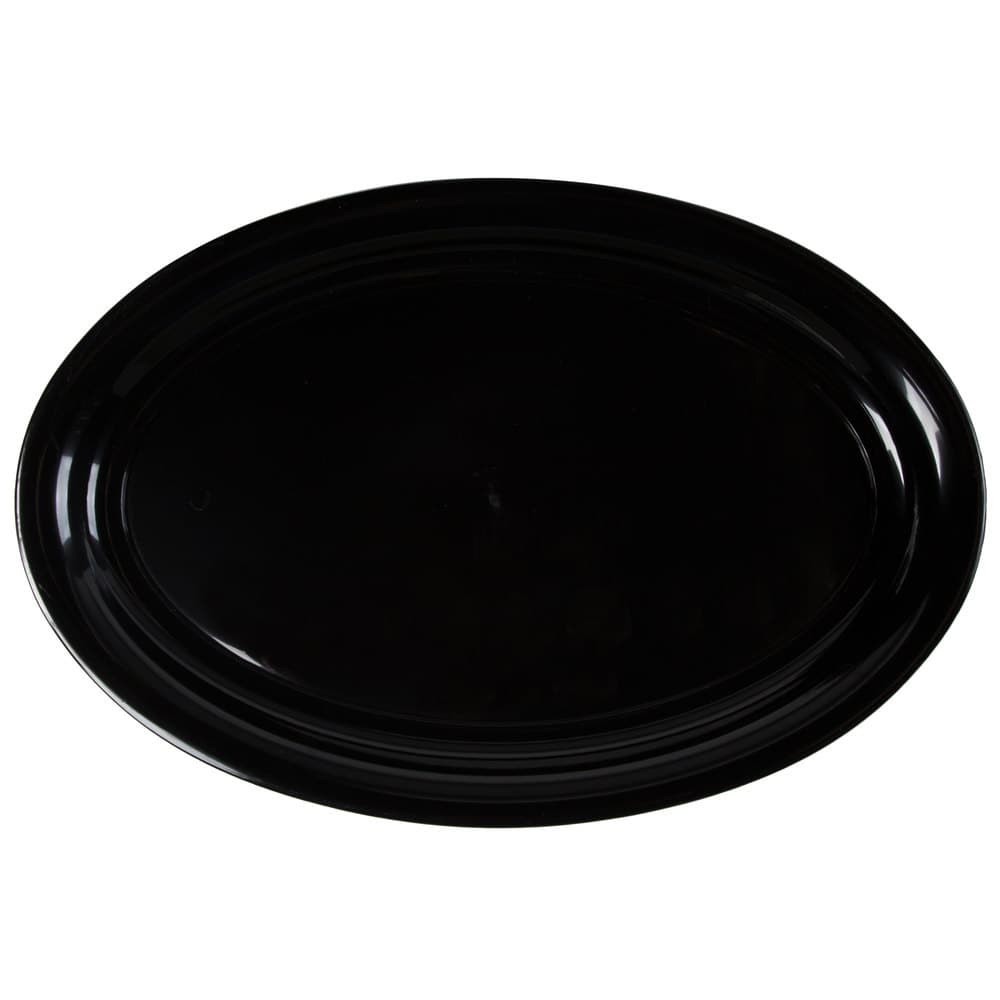
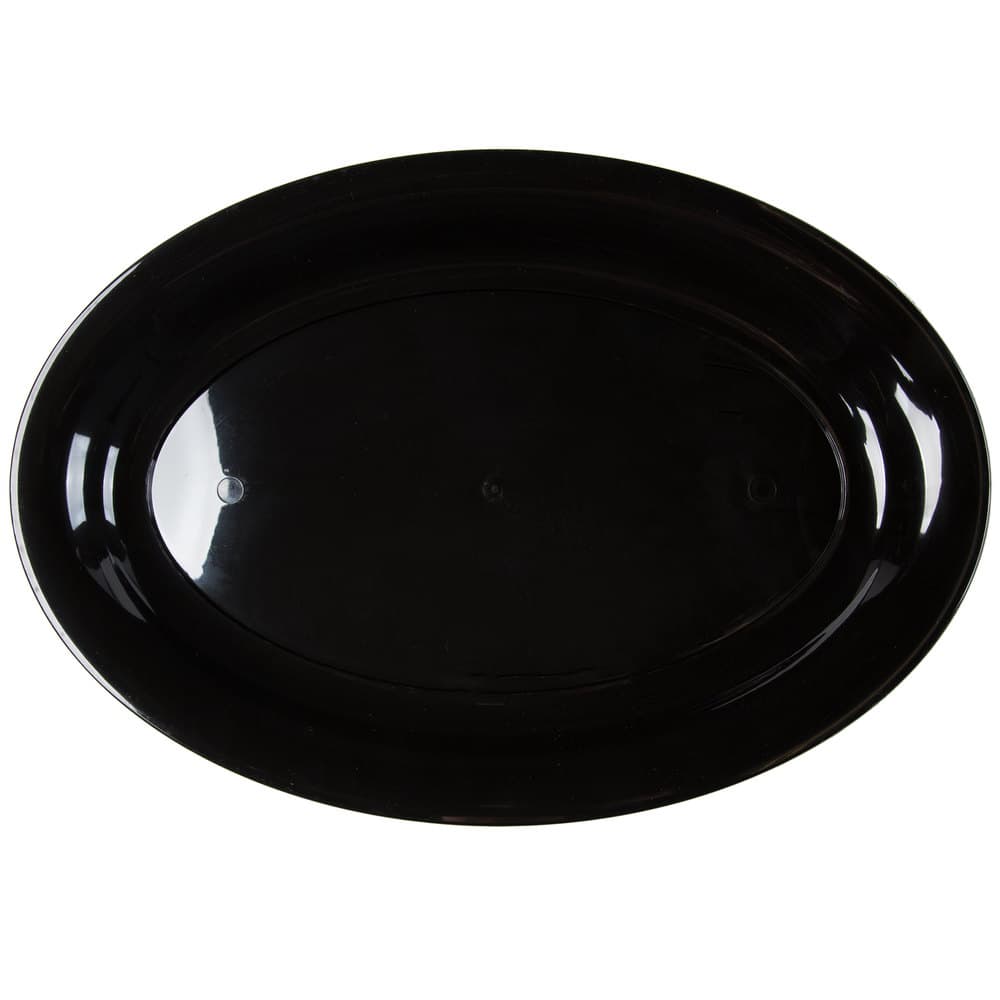
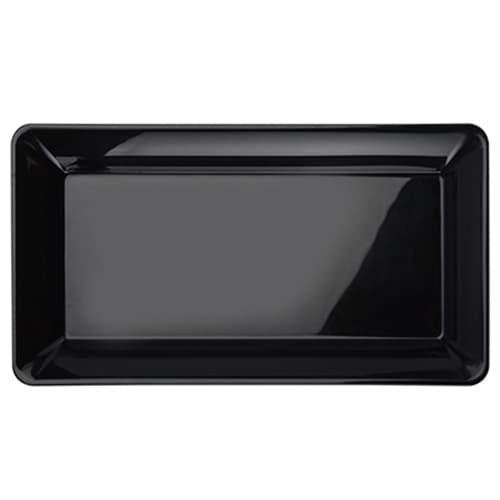
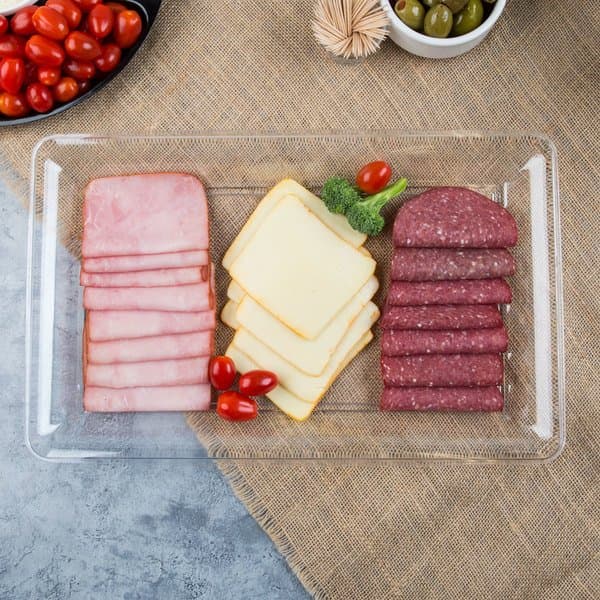
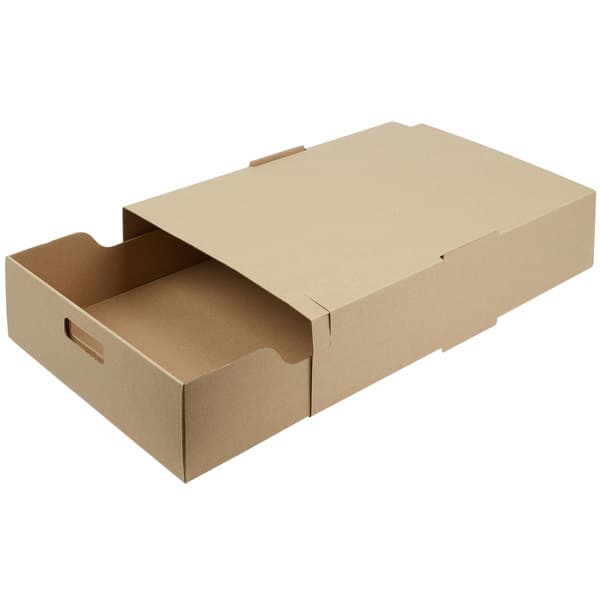
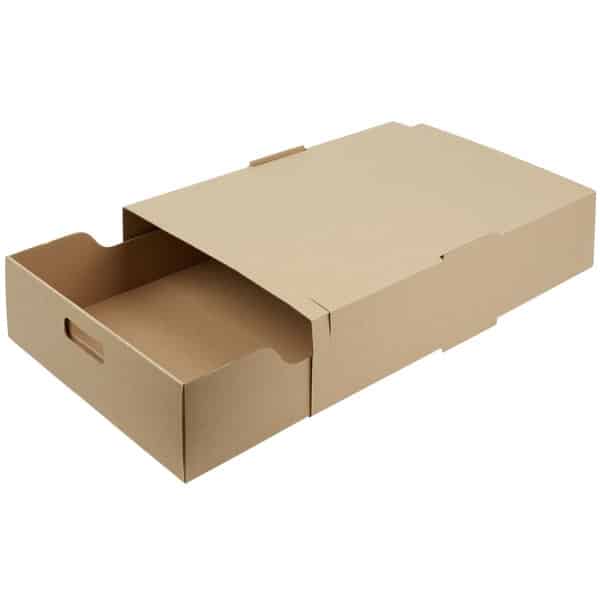
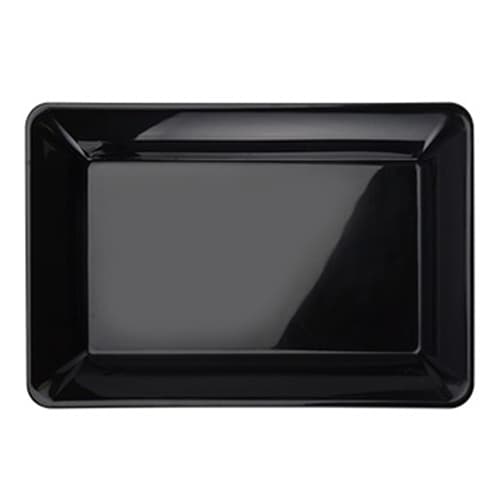
The tray stand is only as functional as the server tray it supports. Large oval trays — like the Fineline 21″ x 14″ Black Oval Cater Tray — are the most common format for plated banquet service. Rectangular polypropylene trays, such as the Fineline ReForm 12″ x 18″ Black Rectangular Tray, are standard for kitchen-to-floor transport using the two-hand carry technique. For eco-conscious catering programs, kraft catering trays with covers can be rested on tray stands during staging to hold covered food items before tableside service. Browse the full selection of catering supplies to outfit your banquet operation.
Key Properties
Common Uses
Department & Usage: Banquet tray stands are managed by the Banquet and Catering department under the Banquet Captain or Floor Manager. Servers use them during plated dinner service to rest trays beside banquet rounds while distributing plates to guests. Food runners use them as interim resting points when transporting large tray loads from the kitchen. At receptions and cocktail hours, tray stands function as portable appetizer or hors d'oeuvres stations during butlered service. During event breakdown, they serve as collection points for soiled dishware. Setting up, maintaining, and breaking down tray stands is a standard element of banquet server side work and post-event breakdown procedures.
Sustainability
Banquet tray stands made from chrome-plated steel or stainless steel offer a long service life, reducing equipment replacement waste over time. Plastic tray stands are non-porous and rust-resistant, extending their usable life without chemical treatments — though most are not recyclable at end of life. Pairing durable reusable tray stands with eco-friendly serving trays supports sustainable catering programs. Kraft catering trays with covers and BPI-certified compostable options can be used alongside reusable stands to reduce single-use plastic in banquet and event operations.
Related Products