Centerpiece
A centerpiece is a decorative arrangement or object placed at the center of a banquet or event table, serving as the primary visual focal point that defines the table's aesthetic and contributes to the overall atmosphere of the event space.
A centerpiece is a decorative arrangement or object placed at the center of a banquet or event table, serving as the primary visual focal point that defines the table’s aesthetic and contributes to the overall room atmosphere. From formal galas to corporate luncheons, centerpieces are one of the most visible elements of any event setup — and one of the most operationally consequential.
Height: The Critical Design Rule
Centerpieces should be either under 12 inches or over 20 inches tall. This industry-standard guideline keeps arrangements below or well above seated eye level, preserving guest sightlines and allowing conversation to flow naturally across the table.
Mid-height pieces in the 12–20 inch range land squarely at eye level for most seated adults, creating an awkward visual barrier between guests. Low centerpieces work best for intimate dinners, boardroom-style corporate events, and conversation-focused settings. Tall arrangements — rising well above eye level — deliver vertical drama suited to ballrooms, galas, and large formal receptions where visual impact needs to carry across a wide space.
Alternating low and tall centerpieces across a large venue is a common professional technique to create visual rhythm, prevent monotony, and allow planners to manage décor budgets by using simpler designs on select tables.
Quantity Standards by Table Type
One centerpiece per table is the professional standard for a banquet round seating up to 10 guests. For long rectangular, family-style, or serpentine tables, the guideline shifts to approximately one centerpiece for every four guests, distributed along the table’s centerline.
Round table centerpieces must provide 360-degree visual appeal since guests are seated on all sides. Rectangular table pieces can be more directional and often work in linear or clustered arrangements along the table’s length.
Highboy cocktail tables and cocktail rounds used in reception or pre-function areas follow their own design conventions — typically taller, narrower arrangements that scale to the table’s smaller footprint and standing-height context.
BEO Documentation and Departmental Responsibility
Centerpiece specifications are formally documented in the Banquet Event Order (BEO), the binding operational contract for every hotel event. The BEO captures centerpiece type, quantity, style, vendor, delivery time, and teardown responsibility alongside linen drape colors, table count, and chair types.
The Banquet/Catering department manages centerpiece coordination, often working alongside outside vendors — florists, rental companies, and décor specialists. The catering or convention services manager is responsible for ensuring vendor compliance with BEO specifications. Centerpiece breakdown and pickup logistics, including whether the florist retrieves pieces or hotel staff handles removal, must be specified in the BEO in advance.
Common Centerpiece Types in Hospitality
- Fresh floral arrangements (the most common for weddings and social events)
- Candelabras with taper candles (formal dinners, galas)
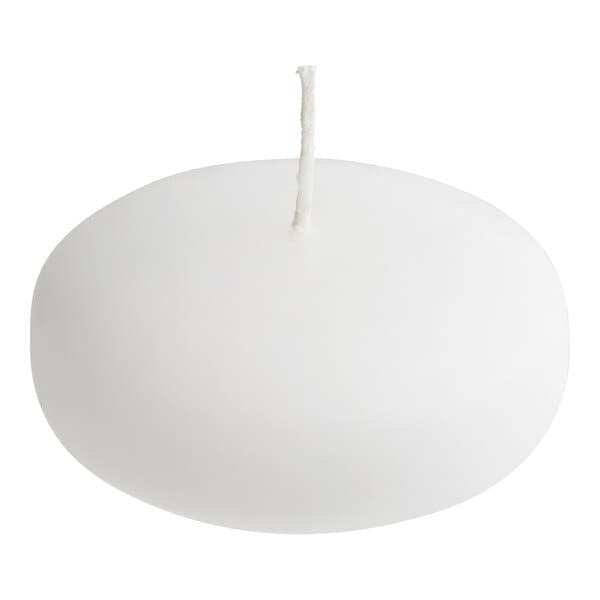
- Floating candles in water vessels using wax floating candles
- Lanterns, geometric terrariums, and mixed-media sculptural pieces
- Potted plants and succulents (sustainable option that can be gifted to guests)
- Branded objects or logo-integrated designs (corporate events)
- Faux or artificial florals (reusable across multiple events)
Candles, Fire Codes, and Venue Restrictions
Open-flame candles are subject to local fire marshal regulations and individual venue fire codes. Many hotel ballrooms restrict open flames entirely, requiring LED or flameless alternatives. Floating candles and tapers may be permitted with proper containment, but event planners must verify venue policies before specifying any open-flame centerpiece element.
Some venues also restrict pollen-producing arrangements, water-filled vessels on certain surfaces, or any décor that blocks required accessible pathways between tables. ADA accessibility standards require at least 60 inches of clearance on accessible routes — centerpiece scale and placement must not interfere with server access or guest movement through the room.
Operational Impact
Centerpiece scale directly affects how efficiently servers can place and clear dishes. Oversized arrangements that crowd the table surface slow service and create compounding problems across dozens of tables in a large ballroom. Coordinating centerpiece footprint with linen drape choices and table skirting — and ensuring a clean, professional table cover as the base layer — sets the stage for a cohesive tablescape that functions as well as it looks.
In corporate settings, centerpieces double as branding touchpoints, incorporating brand colors, logos, or themed objects to reinforce identity and messaging at conferences, product launches, and awards dinners. For large venue layouts, centerpiece heights must also be coordinated against stage riser and dance floor panel placement to ensure guest sightlines to focal points at the front of the room remain clear.
Common Uses
Department & Usage: The Banquet/Catering department owns centerpiece coordination at hotel properties, with the catering or convention services manager overseeing vendor compliance. Centerpiece details — type, quantity, style, delivery timing, and teardown responsibility — are documented in the Banquet Event Order (BEO) for every event. Centerpieces are used across weddings, galas, corporate conferences, awards dinners, and social receptions. In corporate event contexts, they also serve as branding touchpoints that incorporate brand colors or logo-integrated objects.
Sustainability
Reusable and rental centerpiece elements — candelabras, vases, lanterns, and LED lighting — reduce single-use waste compared to fresh-cut floral arrangements that are discarded after each event. Potted plants and succulents are a growing alternative that can be gifted to guests or donated rather than thrown away. Faux or artificial florals offer a reusable option that eliminates the water and transportation footprint of fresh-cut flowers. For properties pursuing green event certifications, sourcing locally grown flowers reduces transportation emissions and supports regional growers.