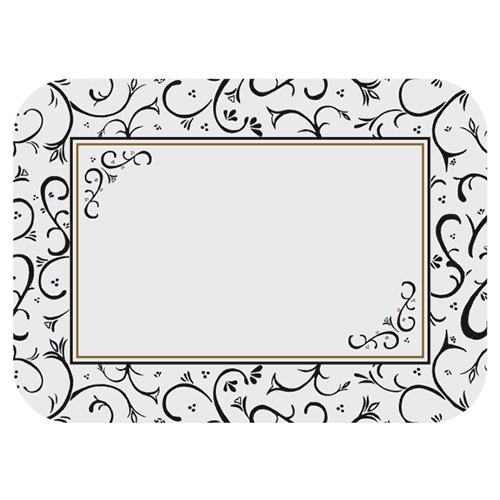
Guestroom Tray Liner
A guestroom tray liner is a flat sheet of paper, fabric, cork, or non-slip material placed on a hotel service tray or in-room hospitality tray to stabilize items during transit, protect the tray surface, and present a clean, professional setup to the guest.
A guestroom tray liner is a flat sheet of paper, fabric, cork, or non-slip material placed on a service tray or in-room hospitality tray to prevent items from sliding, protect the tray surface, and present a clean, polished setup to the guest. Hotels use tray liners in two distinct contexts: on in-room dining trays during food delivery, and on static coffee and tea trays set up by housekeeping during room cleaning.
Function and Purpose
The tray liner serves two simultaneous roles: functional and aesthetic. On the functional side, a non-slip liner stabilizes plates, glassware, and condiments during transit from the kitchen to the guestroom, reducing spills and breakage. On the presentation side, a clean or branded liner signals professionalism and elevates the overall in-room dining experience alongside folded napkins, polished flatware, and a properly set tray.
For the static in-room hospitality tray — the coffee and tea station housekeeping sets up during each room clean — the liner protects the tray surface from water rings, drips, and staining while keeping the setup visually tidy between guest touches. Both uses are evaluated during brand quality assurance audits and third-party inspections such as AAA Diamond and Forbes Travel Guide reviews.
Material Options and Service Tier
Material choice typically reflects the hotel’s service tier and brand standards. Disposable printed paper traymats are the most common option in select-service and upper-midscale hotels. Standard paper traymat dimensions run approximately 10″ x 14″ to 13″ x 17″ — sized to fit standard room service trays without overhang. The Hoffmaster 427273 13″ x 17″ Scroll Printed Paper Traymat is a widely used example, offering a decorative pattern suitable for in-room dining presentation.
Full-service and luxury properties typically use reusable fabric, cork, or faux leather (PU) liners. Cork liners require specific maintenance: rub with a lemon wedge to neutralize odors, then sanitize and air-dry before returning to service. Faux leather mats offer a premium, wipe-clean surface that pairs well with upscale tray presentations and avoids the recurring cost of disposables.
Sizing and Tray Compatibility
Liner size must match the tray it covers. A liner that overhangs the edges creates a tripping and spill hazard during delivery; one that is too small leaves the tray surface exposed and undermines the presentation. When ordering, verify the dimensions of your in-room dining trays first — standard rectangular polypropylene room service trays commonly come in 10″ x 14″ and 12″ x 18″ formats — then select a liner sized to fit flush. Pairing the right liner with trays like the food trays in your inventory ensures a consistent, professional setup.
Cleaning and SOP Requirements
Per widely adopted hotel SOP standards, reusable tray mats must be washed, rinsed, and sanitized after every shift — not just between guests. Liners must be free of holes, staining, or odor before being returned to service. Disposable paper liners must be replaced with every tray reset or new guest. Soiled or absent tray liners can result in deductions during brand QA walks and third-party inspections.
Reusable fabric tray liners are tracked in housekeeping linen par inventory alongside other soft goods to ensure adequate supply for daily operations. Stocking and restocking tray liners for the in-room hospitality tray falls to housekeeping, which carries them on the housekeeping cart during floor rounds. Tray liners for room service delivery are the responsibility of the In-Room Dining (IRD) team and are part of the tray pre-setup workflow — sometimes called mise en cart — completed before the service period begins.
Purchasing Considerations
When evaluating tray liners, purchasing managers should weigh four factors: cost per use, brand image alignment, maintenance requirements, and environmental impact. Disposable paper liners carry a low unit cost but generate ongoing waste and recurring purchase volume. Reusable options have a higher upfront cost but lower long-term spend when laundry infrastructure is in place. For properties pursuing sustainability certifications such as Green Key or LEED for Operations, BPI-certified compostable paper traymats offer an eco-friendly alternative to standard printed paper options. Browse tabletop and guest presentation supplies to compare available liner formats for your property’s service tier.
Key Properties
Common Uses
Department & Usage: Guestroom tray liners are used by two hotel departments. The In-Room Dining (IRD) / Room Service team places tray liners on food delivery trays as part of the standard tray setup before each service — alongside napkins, flatware, and condiments. Housekeeping places liners on the static in-room hospitality (coffee/tea) tray during daily room cleaning and restocking. Both departments are responsible for ensuring liners are clean, properly fitted, and replaced or sanitized per SOP. Tray liner condition is evaluated during brand QA inspections and third-party audits such as AAA Diamond and Forbes Travel Guide reviews.
Sustainability
Single-use paper tray liners generate recurring paper waste across high-volume properties. Hotels pursuing sustainability goals can replace disposable traymats with reusable fabric, cork, or faux leather (PU) liners to reduce consumable waste over time. BPI-certified compostable paper traymats are available as a transitional option for properties with active composting programs. Reusable linen liners do require laundry resources — water and energy — but carry a lower per-use waste footprint than disposables over their lifecycle. Properties seeking Green Key, LEED for Operations, or similar green certifications may be required to document and minimize single-use paper amenity items, which can include disposable tray liners.
Related Products