Mop Bucket Wringer
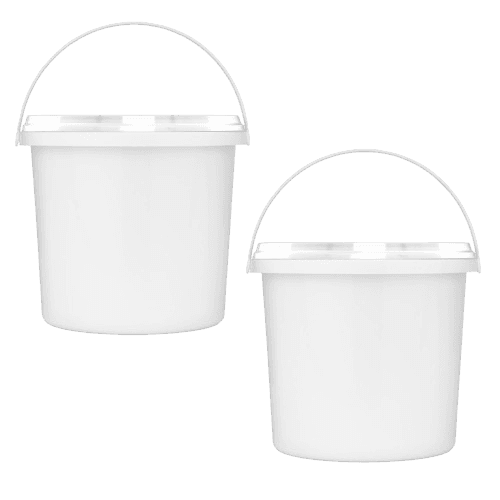
A mop bucket wringer is a wheeled bucket system used in hotel housekeeping that squeezes excess water from a mop head via a side-press lever, down-press handle, or twist mechanism, returning dirty water to the bucket without hand contact.
A mop bucket wringer is a wheeled commercial cleaning system that combines a large-capacity bucket with an integrated wringer mechanism, allowing housekeeping staff to squeeze excess water from a mop head without hand contact. The wringer presses the mop between two surfaces — using a side-press lever, down-press handle, or twist funnel — to extract dirty water back into the bucket. It is one of the most essential tools in hotel floor care operations.
Types of Mop Bucket Wringers
Two wringer designs dominate commercial hotel use. Side-press wringers use a forward lever motion and are the standard choice for general housekeeping efficiency across guest rooms and corridors. Down-press wringers apply vertical pressure for maximum water extraction, leaving floors drier faster — preferred in high-traffic lobbies, fitness areas, and moisture-sensitive flooring zones.
Single-compartment systems hold cleaning solution and rinse water together in one bucket. Dual-compartment systems feature a separate dirty-water insert or secondary bucket, keeping soiled water isolated from clean solution. For hotels cleaning across multiple zones in a single pass, dual-compartment systems significantly reduce cross-contamination risk and extend the usable life of each fill.
Capacity and Size Selection
Standard commercial mop bucket wringers range from 26 to 44 quarts (approximately 6.5 to 11 gallons). A 26-quart unit works well for individual guest room cleaning or tighter spaces. For large hotel corridors, lobbies, and high-traffic public areas, 35- to 44-quart units are recommended to reduce refill frequency and support faster cleaning rounds.
Color-Coding for Infection Control
Color-coded mop bucket wringer systems are an industry-standard hygiene practice aligned with CDC and EPA infection control guidance. The standard hotel assignment is: red for toilets and urinals, yellow for general bathroom areas, blue for hallways and offices, and green for food service areas. This system prevents cross-contamination between zones — the same zoning logic applied to tools like color-coded cutting boards in hotel kitchens.
Construction and Durability
Hotel-grade mop bucket wringers use high-density polyethylene (HDPE) or polypropylene bucket bodies — both chemical-resistant and crack-resistant under daily commercial use. Wringer mechanisms come in plastic (lighter, corrosion-proof, economical) or stainless steel (more sanitary, longer lifespan, preferred in premium or healthcare-adjacent properties). Professional-grade models are engineered for 50,000+ wringing cycles, far exceeding residential alternatives.
Non-marking casters are standard on hotel-grade units, allowing transport across guest-facing floors without causing scuff damage. Rubbermaid’s WaveBrake® technology adds internal baffles to the bucket to reduce sloshing during transport — a meaningful safety and efficiency feature during busy housekeeping rounds.
Safety and Compliance Requirements
OSHA’s General Duty Clause (29 CFR 1910.22) requires employers to keep walking and working surfaces free of slip, trip, and fall hazards — which directly governs wet floor procedures during mop bucket wringer use. Wet floor caution signs are a required companion accessory whenever mopping is performed in any guest-accessible hotel area. Mop bucket placement must also comply with ADA requirements, keeping accessible routes clear during housekeeping operations.
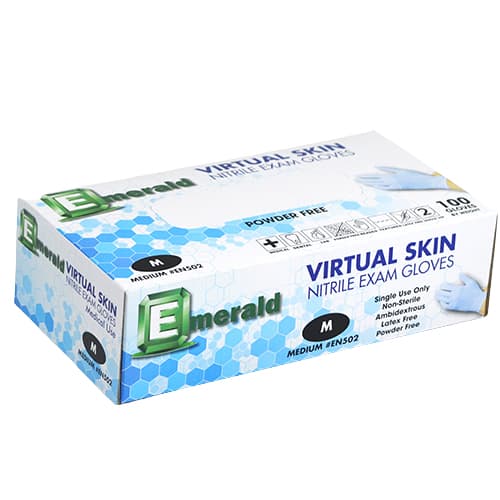
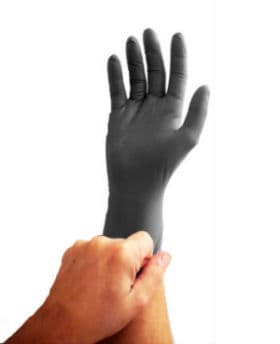
Staff should follow proper glove protocol when operating mop bucket wringers, particularly in restroom cleaning zones or when handling chemical cleaning solutions. Nitrile exam gloves provide appropriate chemical resistance for most hotel housekeeping applications. OSHA’s HazCom/GHS standard also requires proper SDS documentation for any cleaning chemicals used alongside the system.
Integration with Hotel Housekeeping Operations
Mop bucket wringers are staged alongside or near the room attendant cart during guest room cleaning rounds and beside the housekeeping cart for public area attendants. During scheduled deep clean procedures, they are essential for thorough wet mopping of guest rooms, bathrooms, and back-of-house spaces. The working clean principle underlies correct mop bucket wringer use — separating soiled water, wringing between zones, and maintaining a disciplined sanitation workflow throughout the shift.
Leading brands in the hospitality supply market include Rubbermaid Commercial Products (WaveBrake® and HYGEN™ series), Carlisle (OmniFit™), Winco, Lavex, and Impact. Purchasing cost for commercial mop bucket wringer combos typically ranges from $80 to $400 depending on brand, capacity, and wringer mechanism.
Sustainability Considerations
Hotels pursuing green cleaning programs benefit from pairing mop bucket wringers with microfiber flat mop systems, which use significantly less water and fewer chemical agents than traditional string mops. Some commercial bucket models are manufactured from up to 70% recycled plastic content. Dual-compartment systems also support water conservation by reducing how often staff need to change bucket water during a shift.
Key Properties
Common Uses
Department & Usage: Mop bucket wringers are used daily by room attendants and public area attendants in hotel housekeeping departments. Room attendants use them during guest room cleaning rounds for bathroom and hard floor mopping. Public area attendants rely on them for corridors, lobbies, fitness centers, and restrooms. During scheduled deep cleans, housekeeping supervisors deploy mop bucket wringers for thorough wet mopping of all hard-surface flooring. In food and beverage areas, color-coded units prevent cross-contamination between kitchen, dining, and restroom zones. Executive housekeepers use brand and capacity specifications when selecting equipment for new properties or replacing aging inventory.
Sustainability
Pairing mop bucket wringers with microfiber flat mop systems significantly reduces water consumption and chemical use compared to traditional string mop systems — a direct fit for hotel green cleaning programs. Dual-compartment bucket systems extend the usable life of each fill of cleaning solution, reducing water change frequency per shift. Some commercial models are manufactured from up to 70% recycled plastic content, reducing virgin material demand. Selecting high-cycle-rated wringers (50,000+ cycles) and durable polypropylene construction lowers replacement frequency and overall equipment waste. Reusable mop heads — cotton, microfiber, or looped-end — compatible with wringer systems are a sustainable alternative to disposable mopping pads.