Banquet Plate Cover
A banquet plate cover is a dome- or bell-shaped lid placed over a plated meal to retain heat, block contaminants, and elevate presentation during transport from the kitchen to the guest in banquet, room service, and catering operations.
A banquet plate cover is a dome- or bell-shaped lid placed over a plated meal to retain heat, block airborne contaminants, and elevate presentation during transport from the kitchen to the guest. Also called a food cloche or dome cover, it is standard equipment in hotel banquet, room service, and off-site catering operations.
Why Banquet Plate Covers Matter for Food Safety
Per the FDA Food Code (Section 3-501.16), hot foods must be maintained above 140°F during transport and staging. Plate covers are a front-line compliance tool that helps banquet operations meet this requirement from the kitchen expo to the table.
Beyond temperature, covers protect food from airborne contaminants during the time plates spend on banquet roll-in carts or room service trolleys in transit. This dual role — thermal and sanitary — makes them a non-negotiable item in any hotel food safety plan.
Materials: Stainless Steel, Polycarbonate, and Polypropylene
Stainless steel is the standard for formal hotel banquet and fine-dining room service. It offers the best heat retention, a polished presentation aesthetic, and long-term durability — though it is the heaviest option for servers managing full cart loads.
Polycarbonate covers are shatter-resistant and available in clear or amber tints, making them useful for self-serve buffet displays and buffet service stations where visual food identification matters. Polypropylene covers are lightweight, dishwasher-safe, and cost-effective for high-volume cafeteria or catering use where turnover is rapid.
All covers specified for commercial hotel use should carry NSF International certification, confirming the material meets food-contact safety standards. Most local health departments require NSF-listed equipment in commercial kitchens.
Sizes and Specs to Know Before Ordering
Commercial banquet plate covers are sized to match plate diameters, typically ranging from 9″ to 12.5″ across, with profile heights of 2″ to 2.75″ for standard entrée plates. High-dome variants accommodate tall garnished presentations without crushing components.
A loose-fitting cover loses heat and looks unprofessional — always verify the cover diameter matches the specific plate model in use. Standard banquet dinner plates run 10″ to 10.75″, so a 10.5″ or 11″ cover is a common starting point. Confirm stackability before bulk ordering; stackable designs reduce storage footprint and speed up cart-loading during high-volume service drops.
Vented covers release controlled steam to prevent condensation on the plate — preferred for most banquet table service. Sealed covers maximize heat retention and are better suited for in-room dining carts and long-distance transport where temperature drop is the primary risk.
The Cloche Lift: Synchronized Banquet Service
The cloche lift — also called synchronized service — is a coordinated technique where all servers simultaneously remove plate covers at the table on a signal from the banquet floor manager or captain. It creates a theatrical reveal that is standard at formal galas, award dinners, and wedding receptions.
Executing the cloche lift requires precise team coordination, which is why cover-lift timing and cart-loading procedures are covered during pre-shift briefings. The drop count for the event determines exactly how many covers are staged per cart before service begins.
Plate Covers in Room Service and Off-Site Catering
In in-room dining operations, plate covers work alongside insulated carriers and hot boxes to maintain temperature from the kitchen to the guest room. The cover protects plate presentation integrity and hygiene across the full delivery journey.
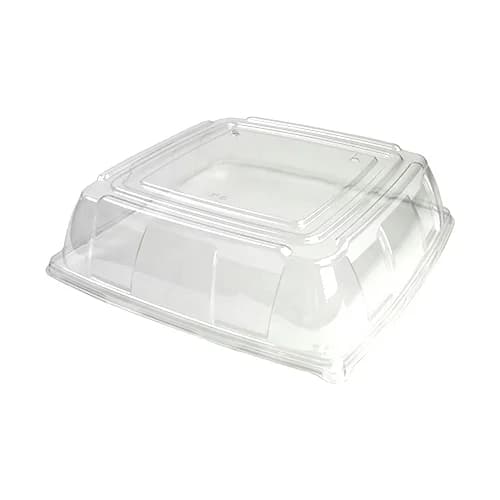
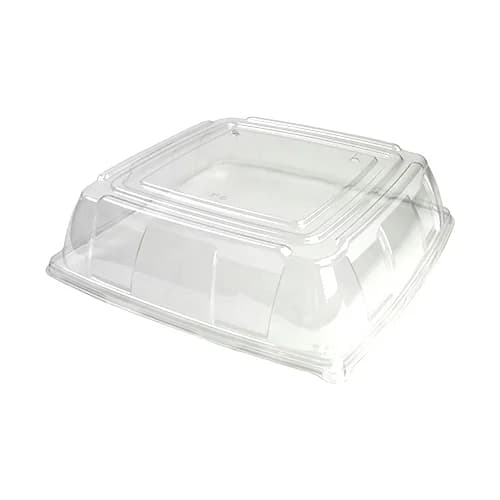
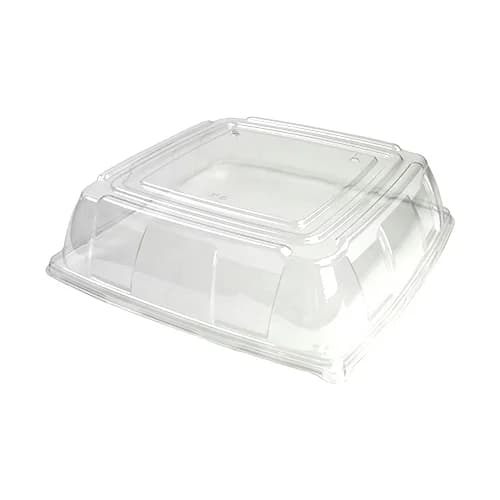
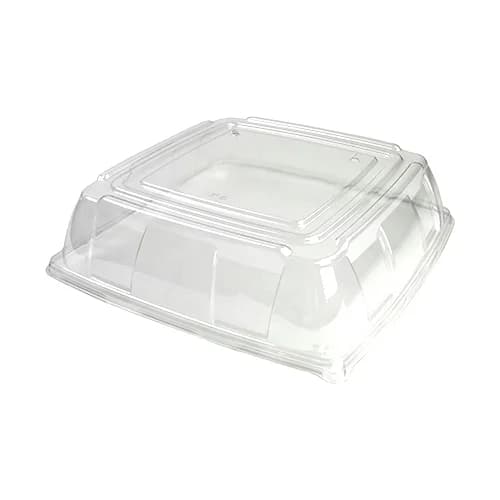
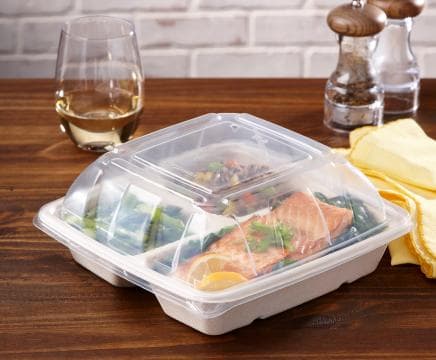
For off-site catering and single-use events where reusable stainless covers are impractical, dome lids in PET or PLA offer functional alternatives. Options like the Dome PET Lid for 10.7″ Square Fiber Platters and Dome PET Lid for 12″ Square Fiber Platters protect food during transport while providing a more sustainable material choice than polystyrene. For larger-format presentations, the Dome PET Lid for 14″ Fiber Platters and Dome PET Lid for 16″ Fiber Platters cover shared entrée platters at banquet and catering events.
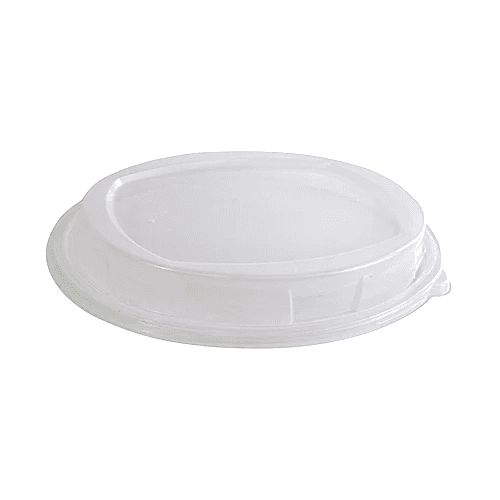
For bowl-format presentations, the Dome PLA Lid for 32 oz Round PLA Bowls serves eco-conscious banquet operations, while the Dome PP Lid for 9″ Oval Fiber Platters suits individual plated appetizer or course service. Browse the full range of options in Catering Supplies and Bowls and Lids.
Sustainability Considerations
Reusable stainless steel and polycarbonate covers have a significantly lower lifecycle environmental impact than single-use disposable alternatives. Tracking and managing reusable cover par levels to reduce breakage losses is a practical step aligned with sustainable hospitality purchasing goals.
When disposable covers are necessary, PET and PLA dome lids are preferable to polystyrene. Polypropylene (PP) covers are recyclable in most municipal programs — operators should confirm local recycling acceptance for foodservice plastics before specifying PP as a disposable option.
Key Properties
Common Uses
Department & Usage: The Banquet/Catering department under the Food & Beverage division is the primary owner of banquet plate covers. Banquet setup staff manage inventory and cart-loading; banquet servers handle table delivery; the banquet captain or floor manager signals the synchronized cloche lift. Plate covers are also used by in-room dining staff for room service cart delivery and by catering teams at off-site events. Key operational contexts include plated banquet dinners, formal galas and wedding receptions (cloche lift), hotel room service delivery, hot buffet station displays, and catered off-site meal drops.
Sustainability
Reusable stainless steel and polycarbonate plate covers carry a significantly lower lifecycle environmental impact than single-use disposable alternatives and are the preferred choice for sustainability-conscious hotel banquet programs. Operators should track reusable cover par levels and breakage rates to minimize unnecessary replacements in line with waste reduction goals.
When single-use covers are required for off-site catering or satellite delivery, PET and PLA dome lids are more sustainable alternatives to polystyrene. Polypropylene (PP) covers are recyclable in most municipal programs — confirm local acceptance for foodservice plastics before specifying PP as a disposable option.
Related Products