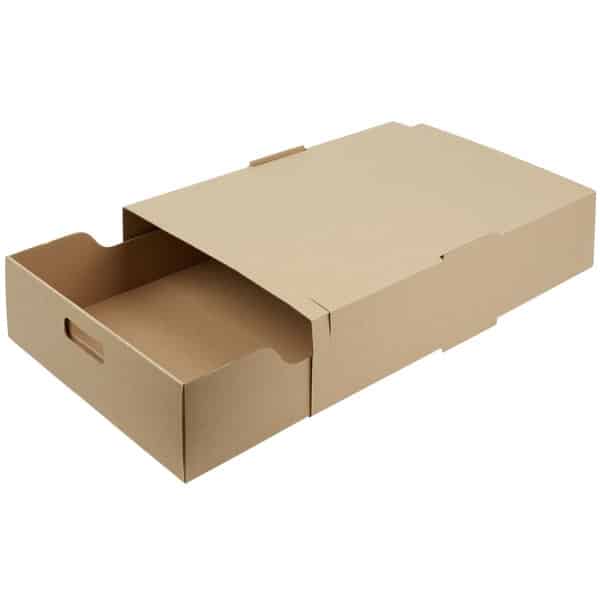
Guestroom Amenity Tray
A guestroom amenity tray is a tray or organized surface placed in a hotel guestroom to hold and display essential guest items such as toiletries, beverage supplies, or welcome amenities, serving both a functional organization purpose and an aesthetic brand presentation role.
A guestroom amenity tray is a presentation surface or container used to organize and display welcome items placed in hotel guestrooms as part of a property’s standard hospitality offering. Trays serve two purposes simultaneously: functional organization of in-room essentials and aesthetic reinforcement of brand identity and room presentation quality.
Types of Guestroom Amenity Trays
Hotel amenity trays are divided into two primary types based on placement and contents. The hospitality tray (also called a coffee tray or beverage tray) sits on the minibar surface, writing desk, or bedroom counter and holds coffee sachets, tea bags, sugar, creamer, cups, saucers, spoons, and an electric kettle. The vanity tray is placed on the bathroom counter and holds personal care toiletries — shampoo, conditioner, body wash, lotion, and soap, along with bath amenities such as a toothbrush, comb, and sewing kit.
Standard hospitality trays for hotel guestrooms are typically sized around 11″ W x 14″ L — large enough to hold a 4-cup coffee maker, two cups, and a full coffee and condiment package. Melamine vanity trays, a common mid-range standard, run smaller at approximately 9 3/8″ x 4 3/4″ or 10 5/8″ x 4 5/8″ in white or black.
Contents by Hotel Tier
Budget and mid-range properties stock trays with essential toiletries — mini bottles of shampoo, conditioner, body wash, and lotion — alongside basic coffee supplies. Luxury and boutique properties elevate the tray with full-sized premium toiletries, locally sourced gourmet treats, personalized welcome notes, and branded keepsakes. These properties often coordinate the tray display with other premium in-room amenities such as a bath robe or waffle weave robe for a cohesive arrival presentation.
For extended-stay guests, amenity trays may be placed in kitchenette or living areas and replenished during longer stays, with contents including reusable water bottles and locally sourced snacks.
Materials and Construction
Tray material selection is driven by hotel tier and interior design theme. Hardwood (mahogany, walnut, oak) is standard for luxury and boutique properties; stainless steel, aluminum, or brushed nickel suits urban and modern hotels; melamine or acrylic covers mid-range properties; and durable plastic is used in budget accommodations. All tray materials must be compatible with hotel-grade disinfectants — sealed surfaces such as powder-coated metal, non-porous plastic, and sealed wood are required to meet hygiene compliance under most property SOPs.
Key functional design features to look for when ordering include compartments or dividers, raised edges, non-slip bottoms, handles, and stackable designs that save space on the housekeeping cart. Stackability directly supports room attendant efficiency during high-volume turnover shifts.
Housekeeping Role and SOP Execution
The Housekeeping department owns amenity tray stocking, arrangement, and replenishment. The Executive Housekeeper sets the standard placement policy and quantity specifications across all guestroom categories. Room attendants execute tray setup during each room turnover using supplies transported on the room attendant cart or room attendant caddy.
Amenity trays support hygiene compliance by keeping toiletries and beverage supplies elevated off direct bathroom and desk surfaces, reducing cross-contamination risk and making sanitization faster between stays. During a deep clean, trays are fully removed, sanitized with a microfiber cloth and approved disinfectant, and completely restocked before the room is returned to inventory.
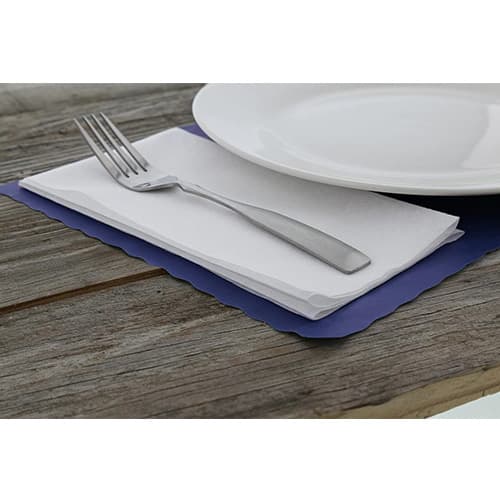
PAR-level discipline applies directly to amenity tray supplies. Properties establish minimum stock quantities for toiletries, coffee sachets, and guest towels — the same linen par logic that governs linen inventory applies to tray consumables to prevent mid-shift shortages. A guestroom tray liner is often placed inside the tray between stays to protect the surface, maintain visual presentation, and speed up turnover.
Branding and Guest Experience
Amenity tray presentation is evaluated during AAA and Forbes Travel Guide property inspections as part of overall guestroom quality criteria. Major hotel brands — including Hilton, Hyatt, Marriott, Best Western, Choice Hotels, and Wyndham — maintain approved vendor programs with specifications for in-room tray products. Luxury properties frequently use custom trays with engraved logos or color-coordinated finishes to reinforce brand identity at the room level.
A well-executed amenity tray arrival presentation often includes a welcome letter displayed on or alongside the tray and may incorporate a shoe shine kit or guest compendium as part of the full desk or vanity setup. These details collectively form the guest’s first impression of room quality and service standards.
Sustainability Considerations
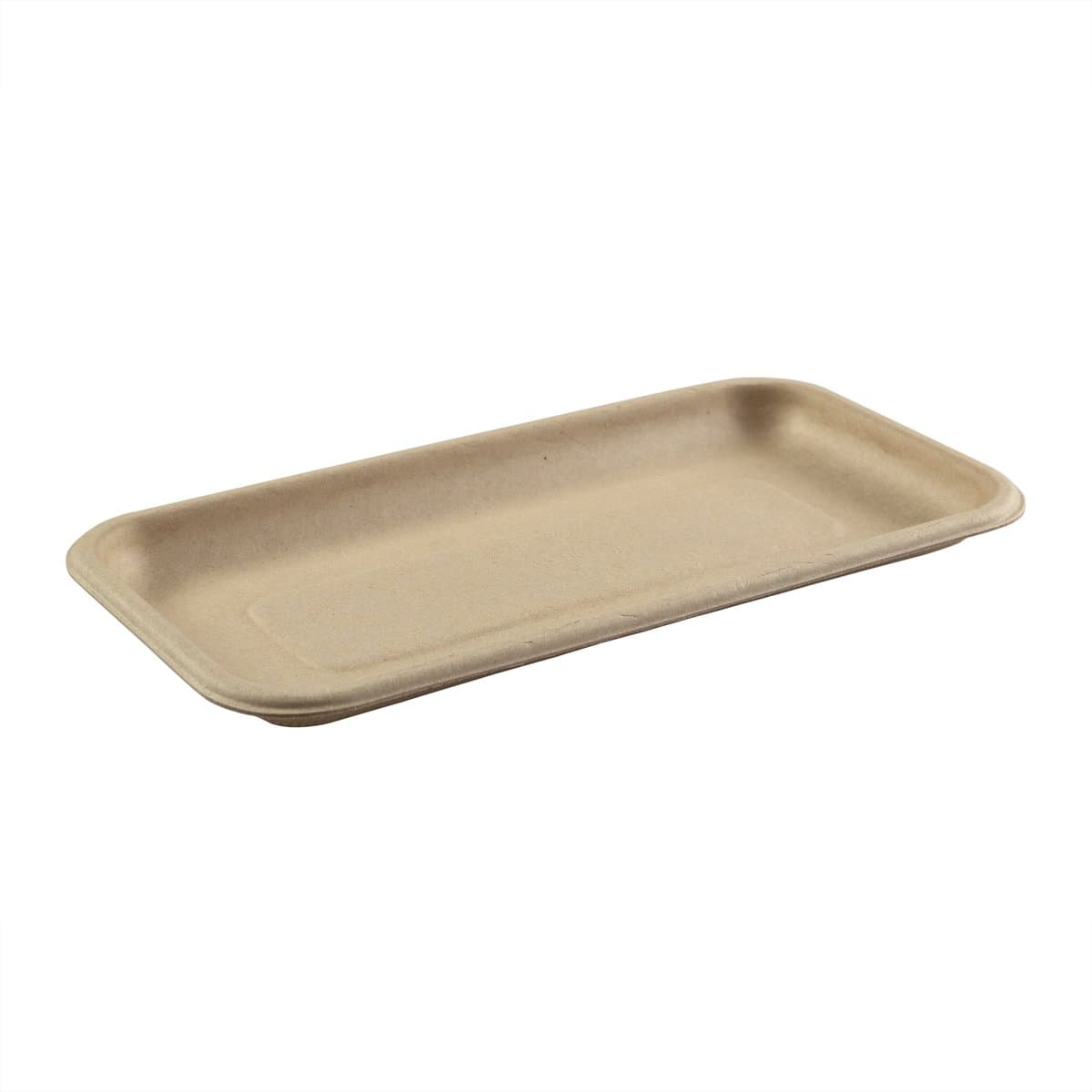
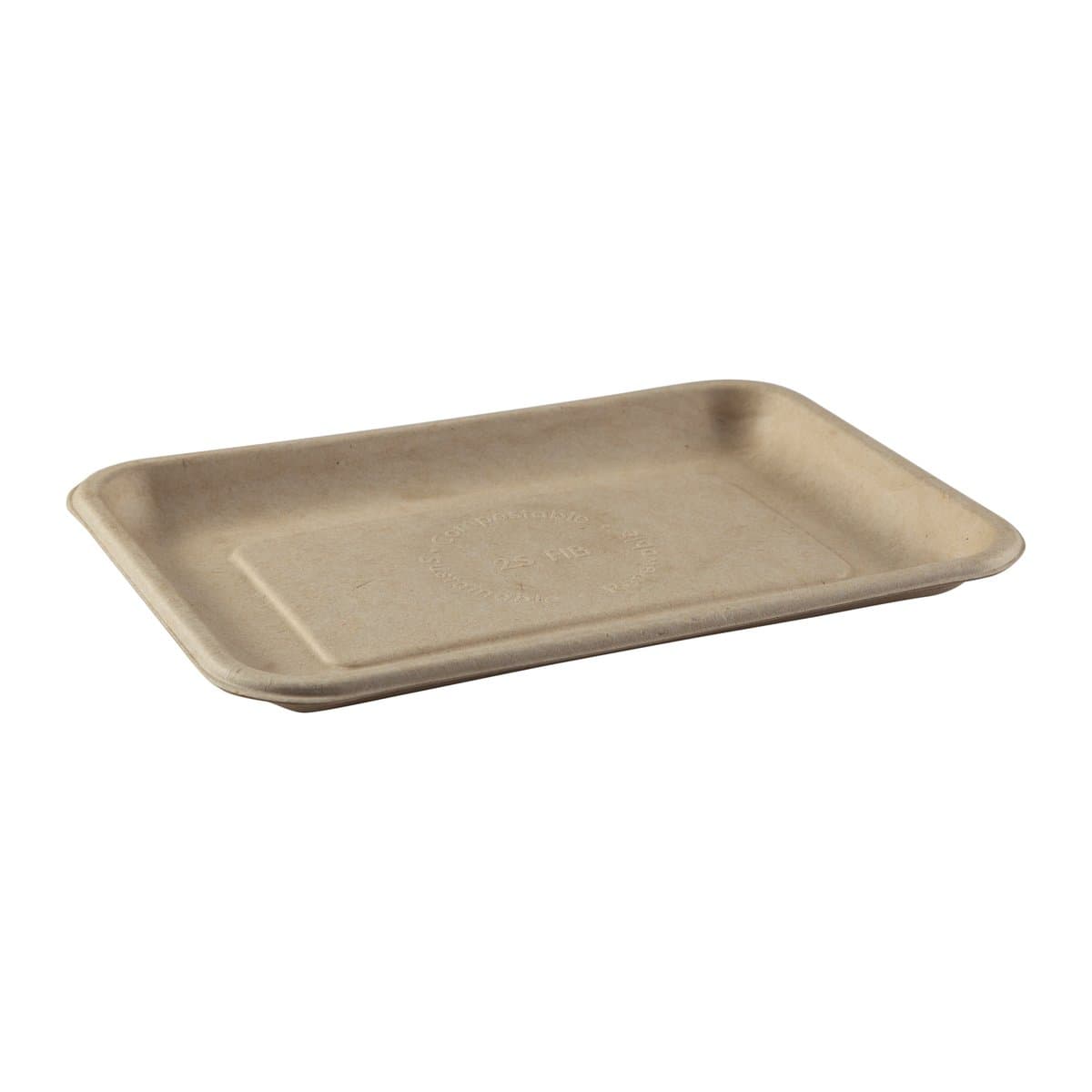
Eco-friendly amenity tray materials — bamboo, reclaimed wood, and composite materials — are gaining adoption as alternatives to single-use plastic formats. Some properties are replacing disposable single-use amenity presentations with permanent reusable trays paired with refillable toiletry dispensers, reducing both waste and ongoing supply cost. Properties pursuing LEED or Green Key certification evaluate in-room amenity tray materials as part of broader sustainable hospitality sourcing reviews.
Durable, long-lasting tray construction directly reduces waste — trays built for high-traffic repeated use minimize replacement frequency and landfill contribution across a property’s full room inventory.
Key Properties
Common Uses
Department & Usage: The Housekeeping department owns guestroom amenity tray setup, restocking, and sanitation. The Executive Housekeeper establishes the standard placement policy and PAR quantities for tray consumables; room attendants execute tray arrangement during every room turnover following property SOPs. Hospitality trays are placed on minibars, desks, or bedroom counters for beverage supplies; vanity trays are positioned on bathroom countertops for toiletries and personal care items. At extended-stay and full-service properties, tray setups may also appear in kitchenette and living areas. Amenity tray presentation is reviewed during AAA and Forbes Travel Guide property inspections as part of overall guestroom quality scoring.
Sustainability
Eco-friendly amenity tray materials gaining adoption in hospitality include bamboo, reclaimed wood, and composite materials that reduce dependence on single-use plastic. Some properties are eliminating disposable amenity presentations entirely, replacing them with permanent reusable trays paired with refillable toiletry dispensers — reducing both ongoing supply cost and landfill contribution. Extended-stay programs increasingly pair reusable trays with reusable water bottles and locally sourced, minimal-packaging snacks. Durable, high-traffic construction directly extends product life and reduces replacement frequency across a full room inventory. Properties pursuing LEED or Green Key certification are expected to evaluate in-room amenity tray materials and associated packaging as part of their sustainable guest room sourcing criteria.
Related Products