Linen Bag
A linen bag is a bag used by hotel housekeeping staff to collect and transport soiled textiles — including sheets, towels, and uniforms — from guest rooms and hotel departments to the laundry facility, and provided in-room as a guest amenity for personal laundry submissions.
A linen bag is a container used by hotel housekeeping staff to collect, contain, and transport soiled textiles — bed sheets, pillowcases, towels, tablecloths, and uniforms — from guest rooms and operational areas to the laundry facility. Hotels also provide a smaller version in-room as a guest amenity for submitting personal clothing for laundry service.
Types of Linen Bags Used in Hotels
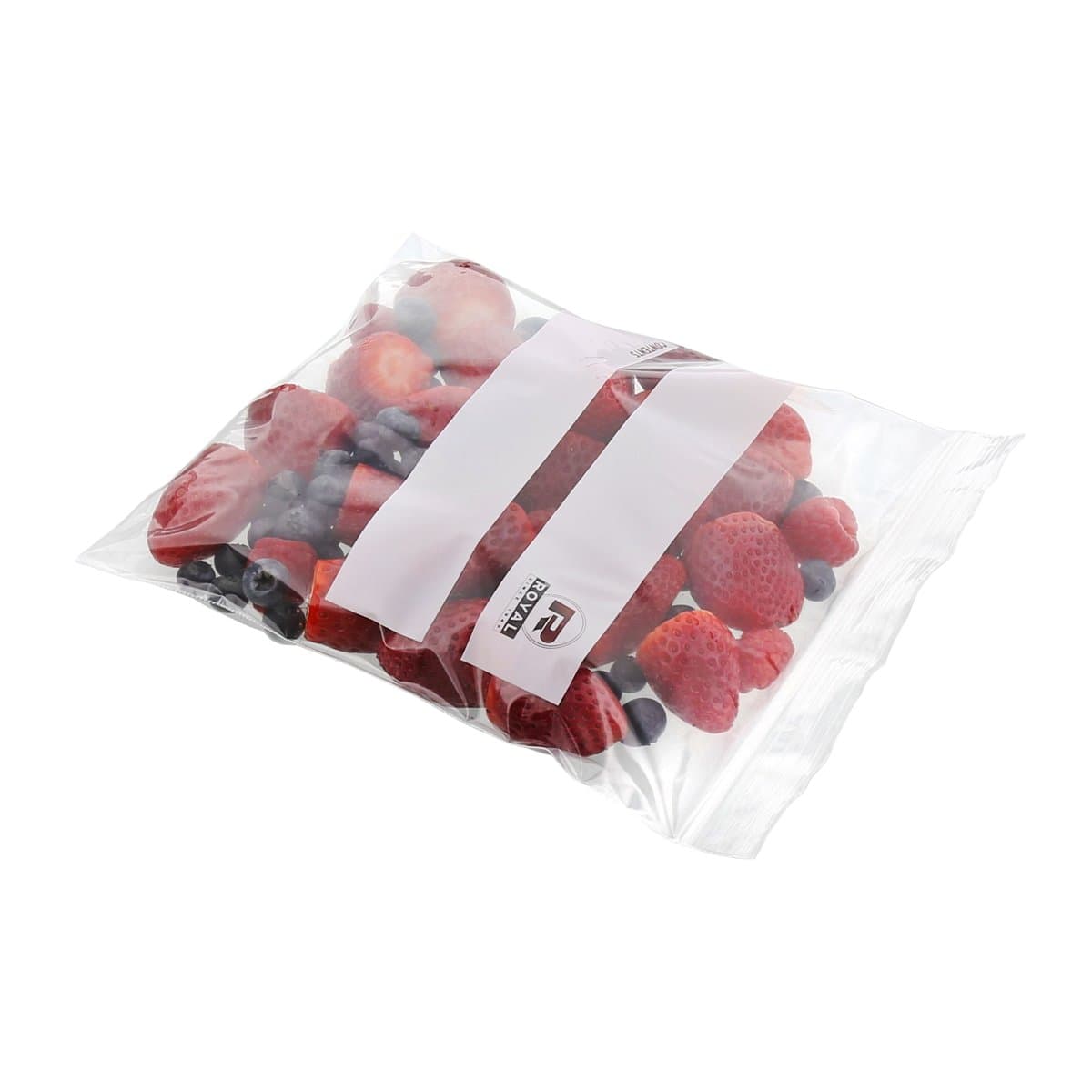
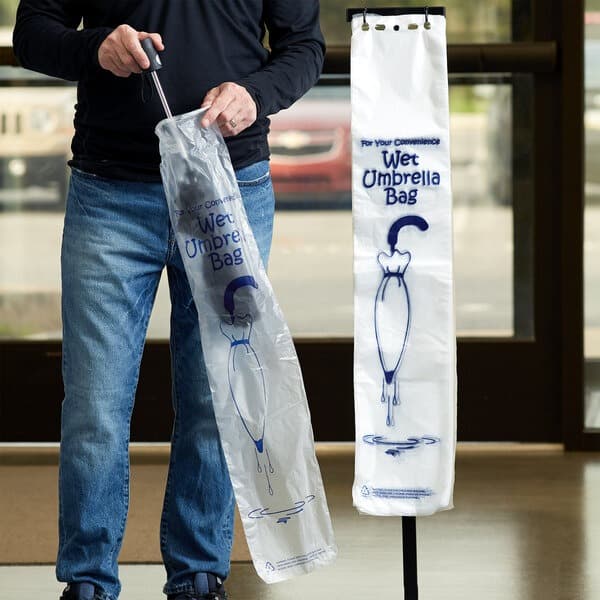
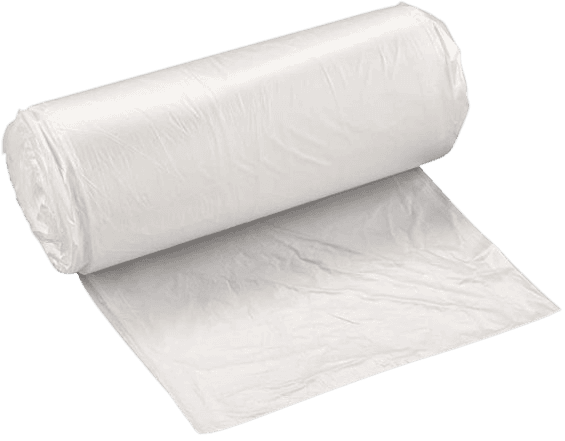
Hotels use four primary linen bag types, each suited to a specific function. Canvas bags are the heavy-duty workhorse for back-of-house bulk transport of bedding and towels. Mesh bags allow water and detergent to circulate freely during washing, making them ideal for items that go directly into the machine still bagged. Plastic or nylon bags are moisture-resistant and well-suited for damp bathroom linens and in-room guest use. Disposable single-use bags offer the highest hygiene standard and are favored in luxury or high-turnover properties where eliminating cross-contamination between guests is a priority.
How Linen Bags Fit Into the Hotel Laundry Cycle
Linen bags are the starting point of every hotel laundry cycle. The flow moves from collection in guest rooms, F&B outlets, banquet halls, and spa areas — through sorting, washing, drying, finishing, and back to department distribution. Efficient bag-based collection keeps this cycle moving without gaps.
During room cleaning, a room attendant hangs a soiled linen bag from the lower section of the room attendant cart or the housekeeping cart. As they strip each bed, flat sheets, fitted sheets, pillowcases, and terry items go directly into the bag — without shaking. That no-shake protocol is critical: shaking soiled linen aerosolizes particles and increases cross-contamination risk. The bag is sealed before it leaves the room, preventing spillage in corridors and service elevators.
Once full, bags move to a soil cart for bulk transport to the linen room, via service elevator or laundry chute.
Color-Coded Linen Bag Systems
Most hotels use a color-coded bag system to eliminate sorting errors at the laundry facility. White bags typically designate guest room linens. Colored bags — often blue or green — are used for F&B and restaurant items like tablecloths and napkins. Red or biohazard-marked bags are reserved for heavily soiled or stained items requiring special pre-treatment. This system lets laundry staff process bags correctly without opening and inspecting each one individually.
Soiled microfiber cleaning cloths used by housekeeping are collected in a separate color-coded bag to prevent cross-contamination with guest-facing linens — a detail that matters during deep clean procedures, which generate higher-than-normal soiled textile volume.
Linen Bags and PAR Level Management
Linen bag collection is directly tied to linen PAR and terry PAR levels. The recommended hotel linen PAR is 3–5 sets per bed — one in-room, one in laundry, one in storage or transit. Delays in soiled linen collection slow the laundry cycle and can cause housekeeping stockouts that stall room turns. Consistent, floor-by-floor bag collection keeps laundry turnaround predictable and PAR levels stable. Bath robes and other terry items follow the same rotation logic and are collected in linen bags at checkout or upon guest request.
Hygiene and Compliance Standards
No single industry certification governs linen bags as a standalone product, but their use intersects with established hygiene frameworks. OSHA and local health department guidelines require soiled textiles to be transported in closed, sealed containers with minimal physical contact. CDC infection control guidelines — widely adopted in hospitality from healthcare practice — specify that soiled linen be placed directly into a bag at the point of collection. Healthcare Laundry Accreditation Council (HLAC) and Hygienically Clean standards, though healthcare-focused, influence commercial hotel laundry protocols.
Sustainability Considerations
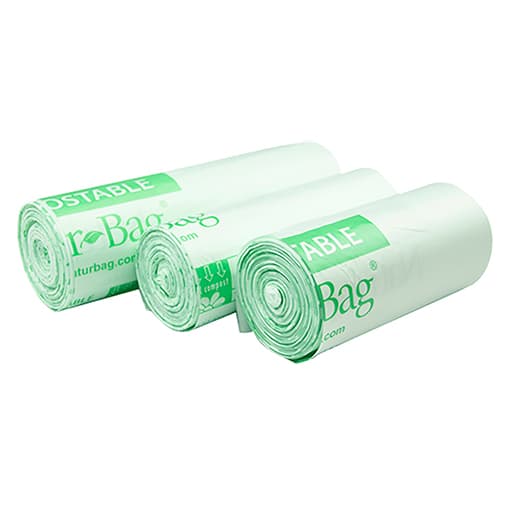
Reusable canvas or nylon linen bags reduce per-use cost significantly compared to disposables and generate less solid waste across high-volume laundry operations. For in-room guest bags, switching from single-use plastic to reusable cotton or recycled-fabric options reduces plastic waste and supports ESG commitments. Compostable and biodegradable single-use bags are an emerging alternative for properties that want single-use hygiene without the plastic footprint. These efforts can contribute to LEED certification points under the Materials and Resources category when documented as part of a formal waste reduction program. See sustainable hospitality for related green initiatives.
Key Properties
Common Uses
Department & Usage: Linen bags are a core housekeeping tool used daily by room attendants during cleaning rounds and by laundry staff throughout the hotel laundry cycle. Room attendants hang soiled linen bags from their housekeeping cart and fill them by placing soiled sheets, pillowcases, towels, and terry items directly from the bed or bathroom — without shaking. Sealed bags are transported via soil cart, service elevator, or laundry chute to the centralized linen room or on-premises laundry. F&B and banquet departments use separate, color-coded bags for tablecloths, napkins, and uniforms. Guest-facing in-room linen bags are deployed as a standard amenity in mid-scale through luxury hotels, typically placed in the wardrobe or bathroom closet.
Sustainability
Reusable canvas or nylon linen bags reduce per-use cost and solid waste compared to disposable options across high-volume laundry operations. For in-room guest bags, replacing single-use plastic with reusable cotton or recycled-fabric bags supports hotel green initiatives and ESG reporting goals. Compostable and biodegradable single-use bags offer an emerging middle ground — single-use hygiene without the plastic waste. These initiatives can contribute to LEED certification points under the Materials and Resources category when documented as part of a formal waste reduction program. Linen reuse programs (such as towel reuse cards) used alongside guest laundry bags can also reduce overall linen turnover frequency and lower laundry water and energy consumption.