Linen Napkin Fold
A linen napkin fold is the structured shaping of a cloth or linen-like napkin into a decorative form as part of a formal table cover setup in hotel dining rooms, banquet halls, and catering events.
A linen napkin fold is the technique of shaping a cloth or linen-like napkin into a structured, decorative form as part of a formal table cover in hotel dining rooms, banquet halls, and catering events. The fold serves two purposes simultaneously: functional (holding flatware, marking a place setting, protecting guest attire) and aesthetic (communicating service quality and event formality before a guest sits down).
Common Napkin Fold Styles in Hotel Catering
The most widely used professional fold styles include the Fan, Pyramid, Bishop’s Hat, Rosebud, Lotus (Water Lily), Triple Pocket, and Silverware Rollup. Each style is matched to an event type and service level — elaborate folds such as the Rose or Lotus signal black-tie, wedding, and gala events, while the Fan and Pyramid are workhorses for corporate dinners, hotel restaurant service, and standard banquet covers.
The Fan fold stands upright in a water glass or on the plate, adding height and visual drama well-suited to banquet rounds. The Pyramid fold delivers crisp three-sided symmetry ideal for layered formal place settings. The Triple Pocket fold creates three compartments used to hold cutlery, menus, or place cards directly at the cover — a practical choice for plated dinner service where guests receive printed materials.
Napkin Material and Fold Performance
Cloth napkins — cotton or cotton-poly blends — hold structured upright folds best, particularly when lightly starched or pressed before setup. Standard cloth dinner napkins used in hospitality measure 18″×18″ to 22″×22″; larger sizes accommodate more complex designs. Starch is often applied before folding Pyramids, Crowns, or Bishops’ Hats to help the fold retain its shape through service.
Linen-like airlaid and tissue-poly linen-like napkins are widely used in catering as a cost-effective alternative to woven linen. They support simple and moderate folds — rectangles, rollups, and flat lay styles — and deliver a cloth-like appearance without laundry overhead. True paper napkins are generally limited to rectangle or rollup formats and are not suitable for structured upright designs.
Fold Consistency as a Service Standard
Every cover in the room must match in fold style, placement, and orientation — no exceptions. Inconsistent folds signal a lack of attention to detail and directly undermine guest perception of service quality, particularly in luxury hotel and fine dining contexts. Many hotel chains maintain internal SOP documents that specify approved fold styles by outlet type: casual dining, fine dining, and banquet each have their own standard.
Napkin folding is a standard mise en place task and is frequently assigned as side work for servers and banquet staff. In fine dining and luxury hotel properties, the fold style can reflect brand identity; napkins may be customized with embroidery or color-coordinated to the event’s linen drape package.
Who Determines the Napkin Fold Style
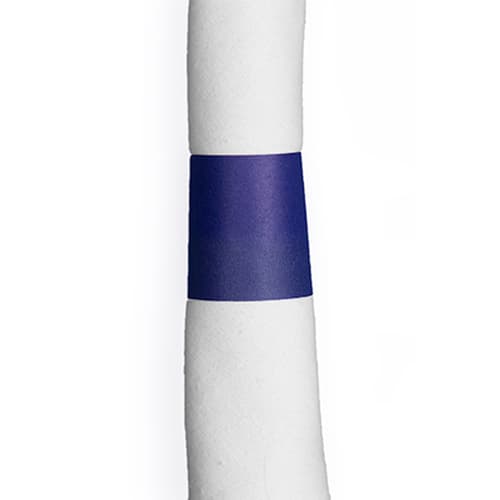
The Banquet Captain or Catering Manager selects and standardizes the fold style for each event. The choice is documented in the Banquet Event Order (BEO) and communicated to the setup crew during the pre-shift briefing. For buffet service, rollup folds or napkin bands are standard — silverware is bundled inside the napkin for guest self-service pickup. For butlered service and formal plated dinners, more elaborate upright folds reinforce the elevated guest experience.
Stocking enough napkins to support fold service across multiple banquet turns is governed by linen par levels. The F&B linen department classifies napkins alongside tablecloths and runners under table linen, which requires specialized stain treatment and laundry protocols. For family-style service, fold selection trends toward simpler styles that fit the communal, relaxed format.
Browse dinner napkins and napkins available for catering and banquet operations at SupplyClub.
Key Properties
Common Uses
Department & Usage: Napkin folding is executed by banquet setup staff, servers, and front-of-house teams as part of pre-service mise en place. The Banquet Captain or Catering Manager determines the fold style, documents it in the BEO, and communicates it during the pre-shift briefing. The technique applies across hotel restaurant dining rooms, banquet halls, wedding receptions, corporate events, and gala dinners. Buffet stations use rollup folds or napkin bands for self-service silverware pickup. Fine dining and luxury hotel outlets may specify embroidered or color-coordinated napkins with fold styles tied to brand SOPs.
Sustainability
Reusable woven linen napkins reduce solid waste compared to single-use options but carry a water, energy, and chemical cost through laundering — a tradeoff that sustainability-focused properties track as part of F&B reporting for LEED or Green Key certification.
Airlaid and tissue-poly linen-like napkins eliminate laundry usage entirely, reducing water and chemical consumption at large-scale catering events. Airlaid napkins made from sustainably sourced fibers and certified compostable (BPI/ASTM D6400) offer caterers a middle-ground option: linen-quality presentation without the laundry footprint or landfill impact of standard disposables.
Related Products