Butler Pass
Butler pass is a catering service style in which servers circulate through an event space carrying trays of pre-portioned hors d'oeuvres and beverages, presenting them directly to guests who help themselves from the tray.
Butler pass is a catering service style where servers circulate through an event space carrying trays of bite-sized food and beverages, presenting them directly to guests who help themselves. It is one of the most common service formats used during cocktail hours, pre-function receptions, and standing networking events at hotels, wedding venues, and corporate facilities.
How Butler Pass Service Works
Servers carry pre-loaded serving trays out of the kitchen and move continuously through the event space, offering items to guests. Guests select what they want directly from the tray — the server does not plate or portion food onto a guest’s dish.
All platters are assembled in the kitchen before service begins. This is what distinguishes butler pass from butlered service variations like Russian service, where platters are finished tableside. Proper mise en place in the kitchen is essential — hors d’oeuvres must be prepped, portioned, and staged so trays can be loaded and sent to the floor quickly throughout the service window.
Where Butler Pass Is Used
Butler pass is standard at cocktail hours before seated banquets, galas, weddings, and corporate receptions. It allows guests to eat and mingle simultaneously without visiting a buffet or sitting down, which makes it the preferred service format for pre-function spaces set with cocktail rounds and highboy tables.
The style is classified as semi-formal to formal. At many hotel events, butler pass during the cocktail hour transitions directly into a seated dinner on banquet rounds, with the butler pass service wrapping once guests are seated.
What Gets Served Butler-Style
Items served butler-style are almost always bite-sized or single-portion — shrimp cocktail, mini sliders, bruschetta, mini quiches, canapés, and similar hors d’oeuvres that can be consumed with one hand while the other holds a drink. Beverages, including champagne and signature cocktails, are also frequently circulated butler-style using the same tray service method.
Portioning consistency matters. Pieces that are too large or awkward to eat standing up undermine the guest experience and create waste.
Staffing and Operational Logistics
Butler pass requires a higher server-to-guest ratio than buffet service — most caterers plan one server per 25–35 guests to maintain consistent coverage. At high-volume events, runners transport fresh trays from the kitchen to floor servers so servers stay in the event space rather than making repeated back-of-house trips.
Tray stands and tray jacks are positioned at the perimeter of the room or in staging areas so servers can set down trays when reloading. Pre-shift briefings cover tray rotation schedules, which items are on which trays, and any allergen information servers need to communicate — allergen awareness is a required part of butler pass service execution.
Cost and Portion Control
Butler pass gives catering directors more cost control than open buffet service. The kitchen controls how frequently trays go out and at what ratio — for example, sending premium items like shrimp at a 1:3 ratio relative to lower-cost items. This prevents over-production and reduces the amount of food sitting in display that guests ignore.
This also reduces food waste relative to buffet setups, making butler pass a more sustainable option when paired with reusable catering platters.
Food Safety Requirements
Food safety rules apply to all items circulated on butler pass trays. Hot hors d’oeuvres must be held at 135°F or above — chafing dishes backstage handle hot holding before trays are loaded. Cold items must stay at 41°F or below through cold holding until they go on the floor.
Items on circulating trays should not remain in the temperature danger zone (41°F–135°F) for more than two hours. HACCP principles govern the full chain from kitchen prep through service, and ServSafe-trained staff are equipped to manage time-temperature control for safety (TCS) foods during extended event service windows.
Trays and Equipment
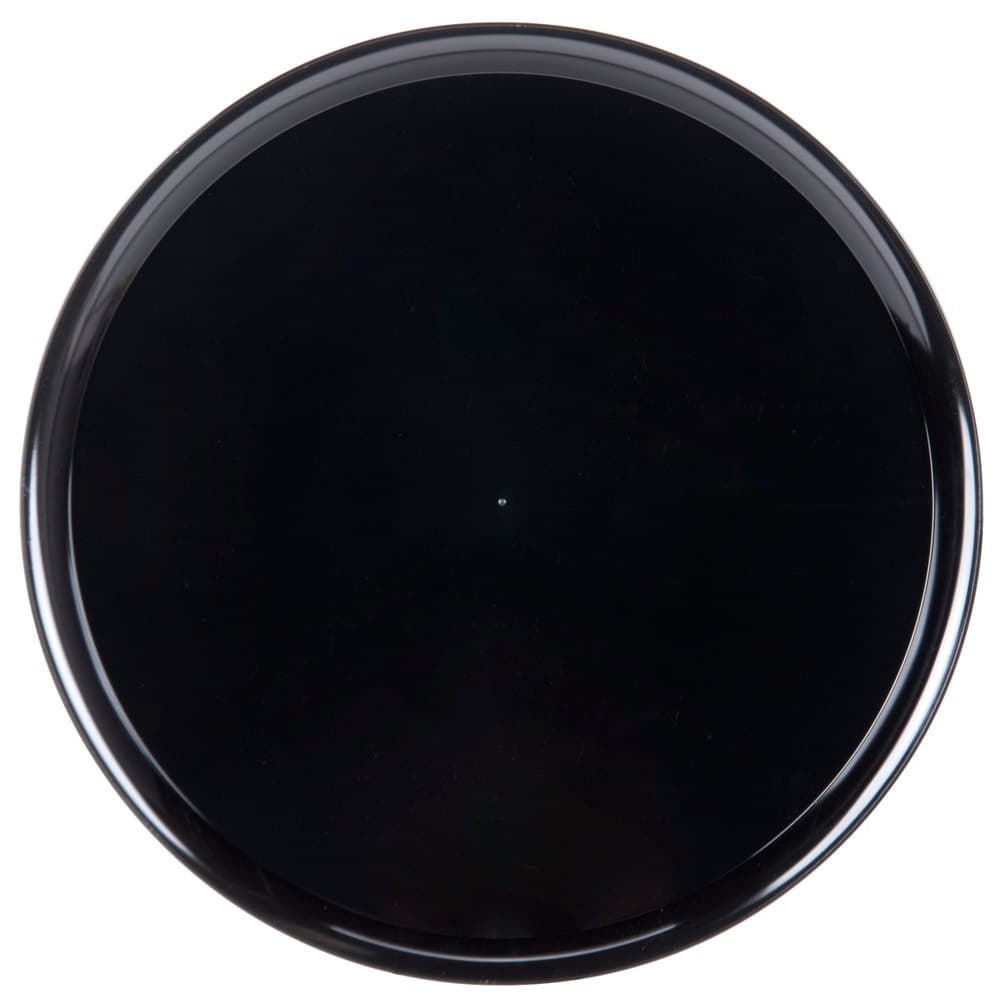
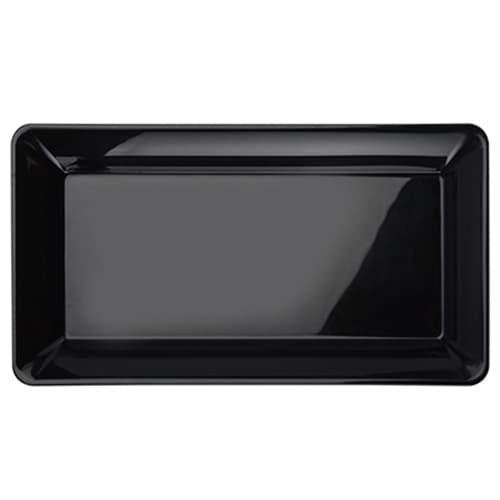
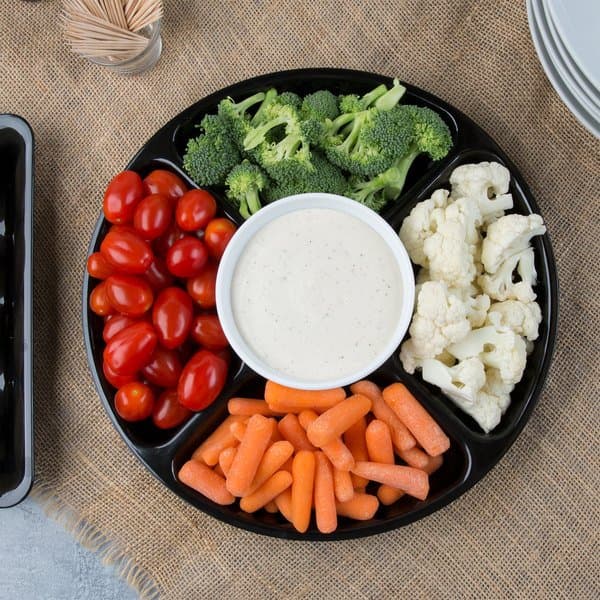
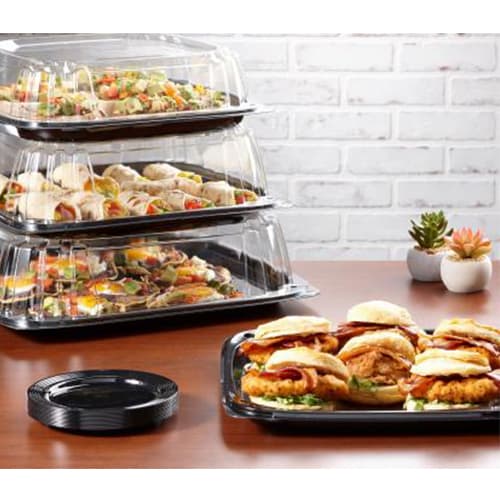
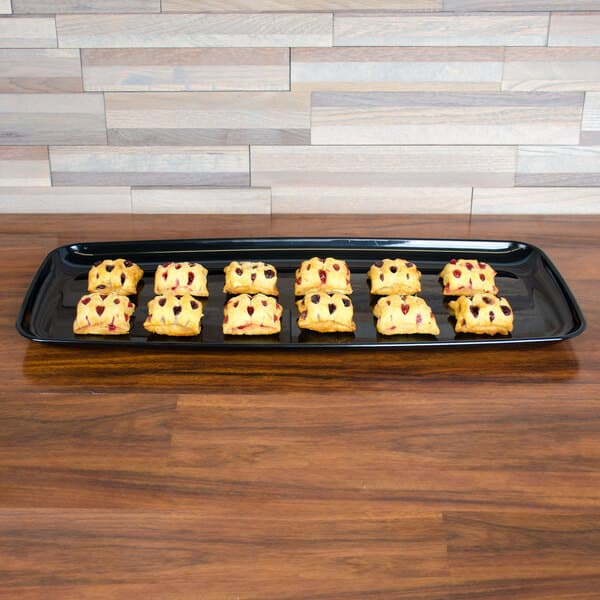
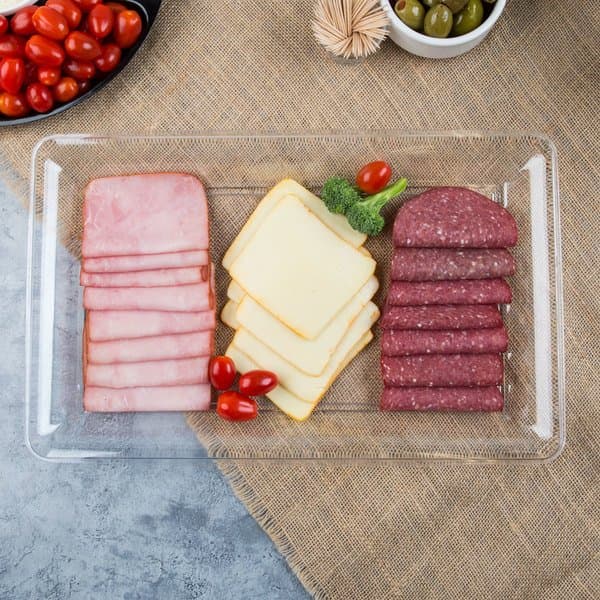
Servers typically carry 12″ to 18″ round or rectangular trays loaded with pre-arranged hors d’oeuvres. Black trays are standard for formal presentations — the contrast highlights the food and signals upscale service. Food trays and catering supplies for butler pass service range from reusable stainless and melamine options to disposable polypropylene trays for high-volume or off-site events.
For sustainability-focused operations, BPI-certified compostable trays and bagasse-based platters are available alternatives to single-use plastic. Some municipalities now restrict single-use plastic serving trays — operators should confirm local regulations before ordering disposables for large events.
Common Uses
Department & Usage: Butler pass is used by banquet and catering teams at hotels, event venues, and off-site catering operations. It is the primary service format during cocktail hours, pre-function receptions, wedding cocktail periods, corporate networking events, and galas. Banquet managers assign server counts and tray rotation schedules; kitchen staff handle tray assembly and back-of-house staging. The term appears in banquet event orders (BEOs), staffing plans, and catering proposals when describing the service style for the reception or cocktail phase of an event.
Sustainability
Butler pass service reduces food waste relative to open buffet formats because the kitchen controls tray rotation frequency and output volume, limiting over-production. Using reusable serving platters — stainless steel, silver-plate, or melamine — is the preferred practice for sustainability-conscious catering operations. When disposable trays are required for high-volume or off-site events, operators should specify BPI-certified compostable or bagasse-based options instead of single-use plastic. Local and municipal regulations increasingly restrict single-use plastic serving trays; verify applicable ordinances before purchasing disposables for large events.
Related Products