Catering Cart
A catering cart is a mobile transport and serving unit used in hotel, banquet, and event operations to move food, beverages, utensils, and supplies efficiently between the kitchen and service areas.
A catering cart is a mobile transport and serving unit used in hotels, banquet halls, and event venues to move food, beverages, utensils, and supplies between the kitchen and service areas. Catering carts reduce trips, cut labor time, and help staff maintain organized, efficient service — especially during high-volume events with back-to-back room turnovers.
Types of Catering Carts
Hotel F&B and banquet operations rely on several distinct cart types, each built for a specific function. Understanding the differences helps purchasing managers spec the right equipment for each service scenario.
- All-in-one caterer’s carts — Designed as mobile event command centers, these carts hold sheet pans, glass racks, beverage dispensers, and full-size folding tables in a single load. They’re the go-to choice for off-premise catering and on-site events where staff need to deploy a full setup from one unit.
- Queen Mary banquet carts — Heavy-duty multi-shelf carts with 4–6 shelves and load capacities up to 2,000 lbs. Queen Mary carts feature marine-edged shelves for spill containment and 8-inch diameter casters (two swivel, two rigid) for maneuverability in tight service corridors.
- Bussing carts — Used to clear tables during and after service, transporting trays, silverware, bus tubs, and soiled serviceware back to the kitchen without multiple trips.
- Steamtable pan racks — Purpose-built to transport full-size and fractional hotel pans from the kitchen to buffet service lines, action stations, and food stations.
- Heated/insulated carts — Some models incorporate heated compartments or pair with insulated carriers and hot boxes to maintain holding temperatures during transport.
Construction Standards and Materials
Industry-standard catering carts are built from NSF-listed stainless steel, heavy-duty aluminum, or durable polymer. NSF/ANSI 2 certification requires food-contact surfaces to be smooth, non-porous, and easily sanitized — a critical specification for any cart used in regulated food service environments.
Aluminum models are common in off-premise catering operations because their lighter weight reduces physical strain during loading and unloading. Stainless steel carts are preferred for on-premise banquet work where durability, hygiene compliance, and brand presentation all matter. For formal events like gala dinners, cart finish and appearance contribute to overall service aesthetics.
Food Safety and HACCP Compliance
Catering carts play a direct role in HACCP compliance by reducing the time food spends outside safe temperature zones. The HACCP danger zone runs from 40°F to 140°F — the range where bacterial growth accelerates. Heated ultra camcarts and Cambro transport carriers maintain hot-holding temperatures during the transit window between kitchen and banquet floor, keeping food compliant with both HACCP guidelines and local health department requirements.
Organized cart loading — grouping items by service station or temperature requirement — also reduces cross-contamination risk and speeds up setup at buffet lines and food stations.
What to Load on a Catering Cart
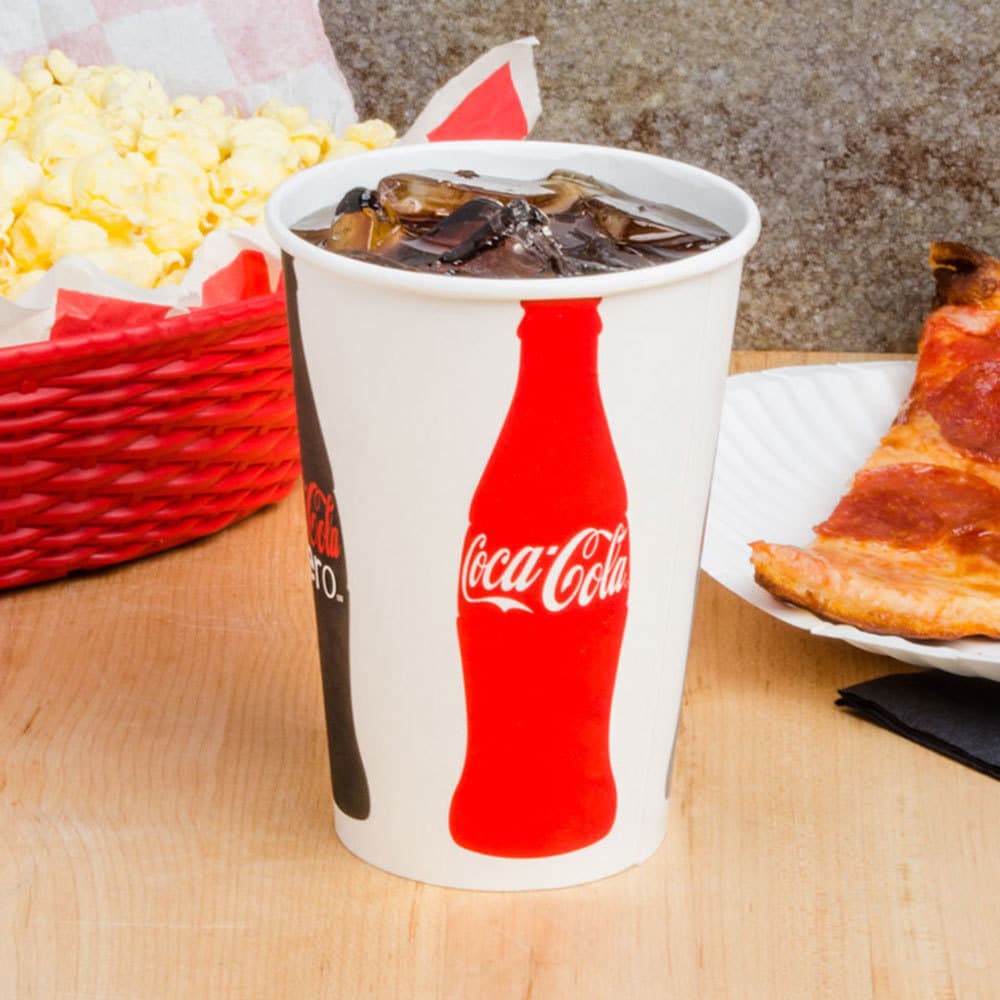
All-in-one and Queen Mary carts are designed to consolidate multiple service needs into a single organized load. A well-staged cart for a banquet event typically includes chafing dishes and Sterno fuel, hotel pans, dinnerware, glassware racks, serving utensils, and beverage supplies like hot cups and cold cups. This practice — often called mise en cart — pre-stages everything before service begins so staff can execute setups without returning to the kitchen.
For corporate break service and boxed lunch distribution, carts are loaded with covered catering trays, catering boxes, hot cups, and cold cups for direct deployment to meeting room corridors during break service.
Operational Impact
High-capacity banquet carts reduce the number of kitchen-to-floor trips required per event, directly lowering labor hours and service delays. During high-volume periods — back-to-back banquets, multi-room corporate conferences, or large gala dinners — this efficiency is measurable. OSHA ergonomic guidelines also factor into cart selection: handle height, caster quality, and load capacity all affect staff injury risk during repeated transport throughout a shift.
For purchasing managers, specifying carts with lifetime rust and corrosion guarantees extends equipment lifecycle and reduces replacement frequency. Pairing durable carts with compostable fiber plates and eco-friendly disposable serviceware from your catering supplies inventory extends sustainability across the full service workflow.
Key Properties
Common Uses
Department & Usage: Catering carts are used primarily by Food & Beverage (F&B) and Banquet departments, and also appear in room service operations. Both front-of-house and back-of-house staff use them throughout the service cycle — from kitchen staging and floor setup to table clearing and breakdown. Banquet managers rely on Queen Mary carts for high-volume plate and utensil transport during large events. Catering coordinators use all-in-one carts to deploy full event setups — including folding tables, glass racks, and beverage dispensers — in a single organized load. During break service and boxed meal distribution, catering carts carry cups, covered trays, and catering boxes directly to meeting room corridors. In upscale hotel F&B, cart finish and presentation are factored into brand standards for gala dinners and formal banquets.
Sustainability
Aluminum catering carts are preferred in eco-conscious operations for their recyclability and lighter weight, which reduces physical strain and fuel consumption during off-premise transport. Specifying carts with lifetime rust and corrosion guarantees extends equipment lifecycle and reduces replacement frequency and associated waste. High-capacity banquet carts that consolidate multiple trips lower energy use and staff labor hours per event, contributing to a leaner operation. Pairing catering carts with eco-friendly disposable serviceware — including compostable plates, kraft catering trays, and PFAS-free sugarcane ware — extends sustainability across the full catering workflow.
Related Products