Stayover Clean
Stayover clean refers to the routine, light housekeeping service performed on an occupied guestroom where the guest is not checking out that day, focusing on comfort maintenance, hygiene, and privacy rather than a full room reset.
A stayover clean is the routine, light cleaning service performed on an occupied guestroom where the guest is continuing their stay and not checking out that day. Unlike a deep clean or a full checkout clean, a stayover clean focuses on comfort maintenance, hygiene, and privacy — not a complete room reset for a new arrival.
What a Stayover Clean Includes
Standard stayover clean tasks cover making the bed (without stripping linens), emptying trash and recycling bins, wiping high-touch surfaces, light bathroom cleaning, replacing towels per hotel policy, and replenishing bath amenities and amenity kits. Vacuuming is performed as needed rather than as a default step on every visit.
Room attendants must work around the guest’s personal belongings. Clothing found on the floor may be neatly folded and placed on a visible surface, but items should never be moved into drawers, suitcases, or closets. The closet area is accessed only to replace designated items such as laundry bags, dry cleaning tickets, or to re-hang an ironing board — and a luggage rack and in-room safe exterior surfaces are wiped, but the safe interior is never accessed.
Glasses or cups with liquid contents should never be emptied during a stayover clean. Guests frequently use them to soak contact lenses or jewelry, and discarding the contents risks damaging guest property.
Stayover vs. Checkout Clean: Key Differences
A stayover clean typically takes 10–30 minutes per room. A full checkout or departure clean, which strips all linens, sanitizes every surface, and fully resets the room for a new arrival, takes 25–60 minutes depending on hotel category and room size. The stayover clean replaces or refreshes items like flat sheets, fitted sheets, duvet inserts, and pillow protectors only when visibly soiled or when the guest requests a full linen change.
A standard room attendant productivity target is 12–18 rooms per eight-hour shift. The daily ratio of stayover rooms to checkout rooms is used directly in housekeeping scheduling: a high stayover ratio means faster service times and lower staffing requirements. Resort properties with longer average lengths of stay carry higher stayover ratios than urban business hotels dominated by one- or two-night stays.
Room Status Codes for Stayover Service
Property Management Systems (PMS) use specific room status codes to track stayover service requirements. The most common codes include OC (Occupied and Clean), OD (Occupied and Dirty), CS (Clean Stayover — guest opted out of service), and DS (Dirty Stayover — room is occupied and still requires attendant service). These codes allow front desk and housekeeping teams to coordinate assignments and prioritize the room board in real time.
Room Entry Protocol
A documented stayover SOP should include a standardized room entry sequence: knock three times, announce “Housekeeping,” wait before entry, and confirm with the guest whether they wish service now or later. If a Do Not Disturb sign is displayed, the attendant records the DND status and follows property protocol — typically attempting a second visit later in the shift. High-turnover environments (the hospitality housekeeping staff turnover rate runs approximately 73.8% annually) make a written SOP critical for consistent execution across new hires.
Supplies Needed for a Stayover Clean
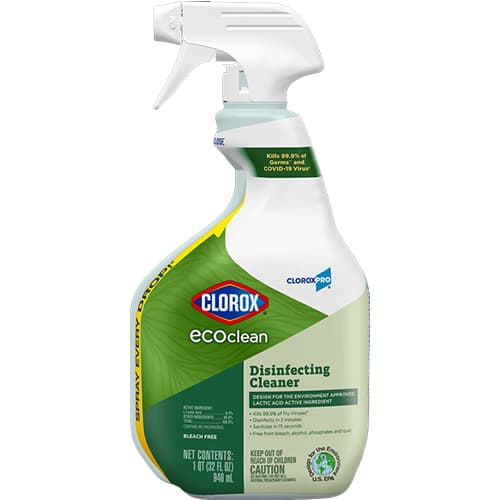
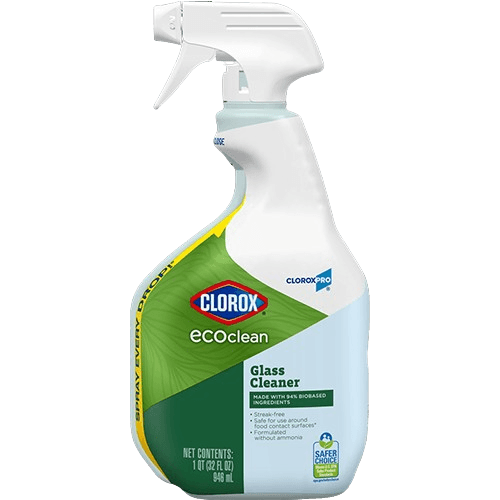
A properly stocked housekeeping cart or room attendant cart is the operational foundation for stayover service. Room attendants bring a room attendant caddy directly into the guestroom carrying cleaning agents and tools. Key supplies include microfiber cloths for surfaces and mirrors, disinfectant spray, glass cleaner, bathroom cleaning products, fresh towels, replacement bath robes or waffle weave robes as needed, and replenishment amenities. Soiled towels and linens are collected in a linen bag and transferred to the soil cart or disposed of via the laundry chute.
Available replacement linens are governed by the property’s linen PAR and terry PAR levels. Attendants check the mattress pad during bed-making and replace it only if visibly soiled. A rollaway bed present in the room must be made or tidied as part of the stayover scope.
Opt-In and Opt-Out Stayover Programs
Many hotels now allow guests to decline daily housekeeping via door hangers, mobile apps, or automated guest messaging. A CS (Clean Stayover) status in the PMS flags rooms where no service is needed that day. Some major chains incentivize opt-out with loyalty points or F&B vouchers — reducing labor costs and environmental impact simultaneously.
Skipping a high percentage of stayover cleans is estimated to save over $10 per single-bed room per clean in the U.S. The AHLA reports that housekeeping is cited in more than 35% of all negative hotel reviews, and Cornell Hospitality Research found that improving cleanliness ratings by one point on a five-point scale can increase RevPAR by up to 11.2%. Balancing opt-out programs with consistent service execution directly affects both GOP and online reputation.
For properties pursuing sustainable hospitality goals, opt-out programs reduce laundry frequency, water consumption, and cleaning chemical usage — supporting Green Seal, LEED, and ESG reporting objectives. Housekeeping carts stocked with green cleaning products further reinforce those commitments during every stayover service.
Common Uses
Department & Usage: The stayover clean is the core daily task of the Housekeeping department, executed by room attendants on every occupied, non-departing guestroom. Executive housekeepers use the daily stayover-to-checkout ratio to determine staffing levels and assign room boards each shift. Property Management Systems track stayover room status codes (OC, OD, CS, DS) so housekeeping supervisors and front desk staff can coordinate assignments and communicate room availability in real time. General managers and directors of rooms reference stayover consistency data — supported by AHLA cleanliness complaint metrics and Cornell RevPAR research — when evaluating housekeeping program performance and justifying investment in SOPs and training.
Sustainability
Opt-in and opt-out stayover housekeeping programs are among the most direct sustainability levers available to hotel operators. Declining daily service reduces laundry frequency, cutting detergent and water usage in line with linen reuse programs common at eco-certified properties. Reduced service frequency also lowers chemical consumption per occupied room night, supporting properties pursuing Green Seal, LEED, or similar environmental certifications. Industry data suggests nearly 80% of consumers identify as environmentally conscious, making a well-communicated sustainable stayover policy a positive brand differentiator. Green stayover programs communicated via door hangers, in-app requests, or automated guest messaging are increasingly integrated into hotel ESG reporting goals.