Chilled Seafood Display
A chilled seafood display is a cold food presentation station used in hotel banquet, catering, and F&B operations where pre-cooked, cured, or raw ready-to-eat seafood — such as shrimp cocktail, oysters on the half shell, crab claws, and lobster tails — is arranged on ice or in refrigerated units for guest self-service or butler presentation.
A chilled seafood display is a cold food presentation station used in hotel banquet, catering, and food & beverage operations where pre-cooked, cured, or raw ready-to-eat seafood — such as shrimp cocktail, crab claws, oysters on the half shell, littleneck clams, lobster tails, and sashimi-grade fish — is arranged on ice or in refrigerated display units for guest self-service or butler presentation. It is one of the most recognizable premium stations on a banquet menu and a reliable revenue upsell for hotel catering teams.
How a Chilled Seafood Display Works
A chilled seafood display is a specialized type of food station built around an ice bed, typically constructed using a full-size hotel pan filled with crushed or cubed ice, over which seafood platters or individual portions are arranged. Refrigerated cold cases may replace ice beds for high-volume or permanent installations, offering more consistent temperature control. The station is typically integrated into a broader buffet service layout or positioned as a standalone reception feature.
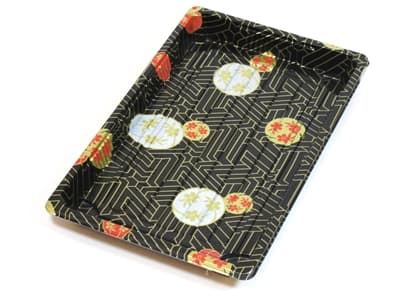
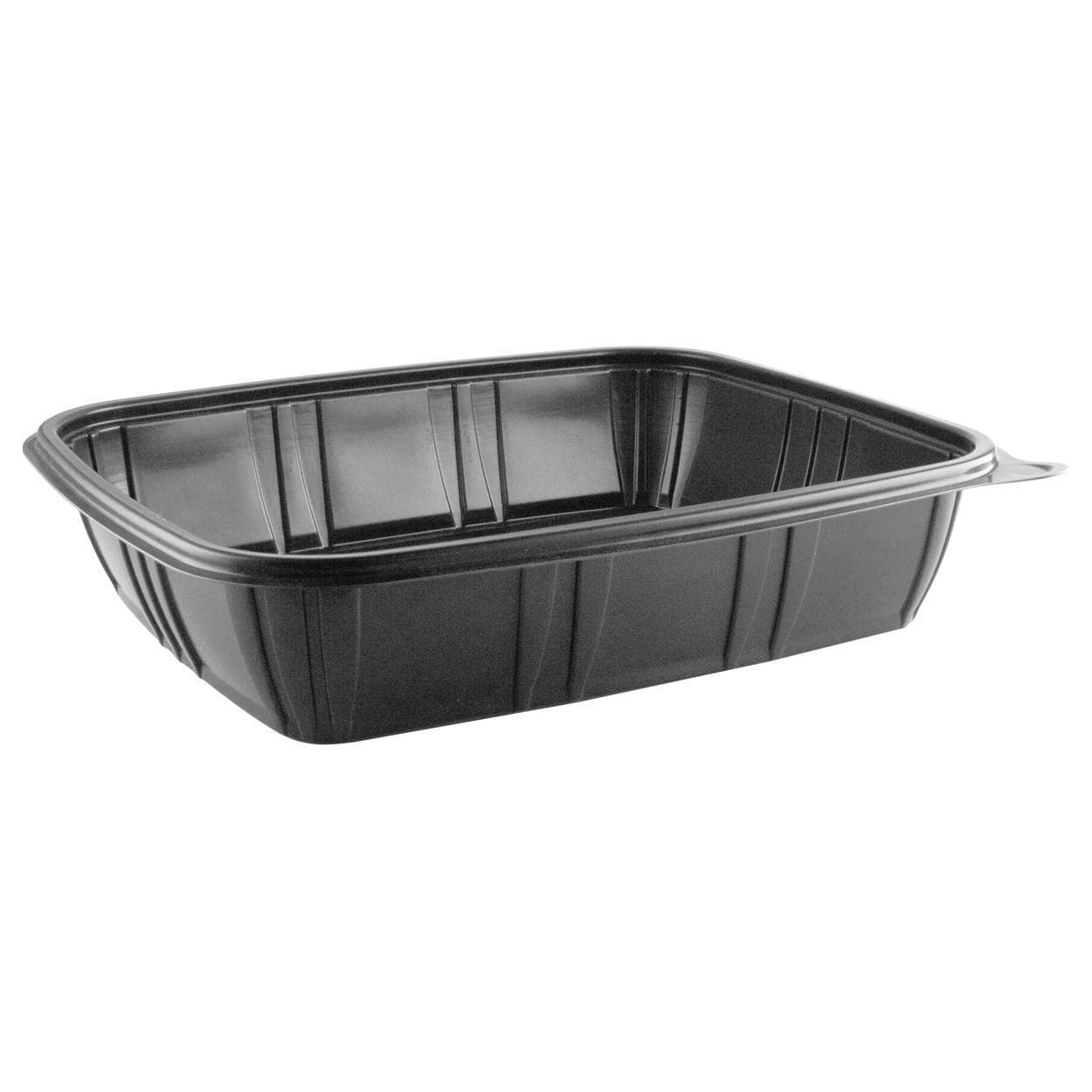
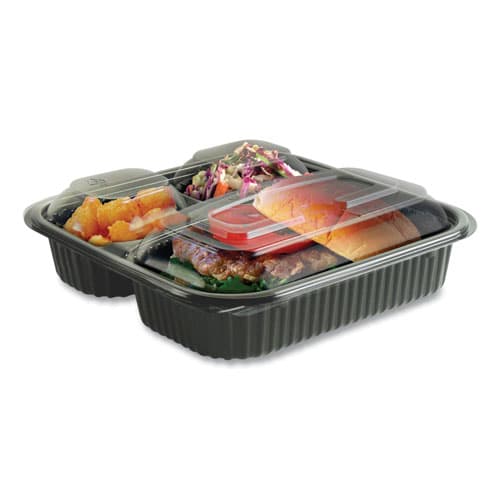
Standard setup components include a chilled vessel or ice-filled hotel pan, a decorative tray or buffet riser for tiered presentation, lemon wedges and garnishes, individual condiment cups (cocktail sauce, mignonette, drawn butter), and serving utensils such as seafood forks, tongs, and an oyster knife for staffed stations. A sneeze guard is required by most local health codes and the FDA Model Food Code at any self-service cold food display.
At upscale events, a chilled seafood display may operate as an action station where a chef or banquet server shucks oysters or clams to order — elevating the guest experience and adding tableside theater.
Food Safety Requirements
All seafood is classified as a TCS (Time/Temperature Control for Safety) food, meaning it requires strict temperature management throughout service. Per FDA and ServSafe cold-holding standards, all seafood on a chilled display must be maintained at 40°F (4°C) or below at all times — this step is a designated Critical Control Point under the HACCP framework.
The FDA’s 2-Hour Rule requires that cold seafood be placed on ice or active refrigeration if it will be out for more than two hours. Any perishable seafood left at room temperature beyond two hours must be discarded — this window shrinks to one hour when ambient temperature exceeds 90°F. ServSafe further specifies that TCS foods must not exceed four hours total in the temperature danger zone (40°F–140°F); temperature checks every two hours are recommended to allow time for corrective action.
Banquet staff must use a probe thermometer to verify display temperatures throughout service and document readings in a temperature log. Hotels must also maintain a cooling log documenting that pre-event seafood prep — poached shrimp, cooked crab, etc. — reached safe temperatures before the display was assembled.
Cross-contamination prevention is equally critical. Cooked or ready-to-eat seafood must never share surfaces or utensils with raw product unless those surfaces have been thoroughly sanitized. These protocols should be documented in the hotel’s broader food safety plan.
Shellfish Certification Requirements
Per the National Shellfish Sanitation Program (NSSP), all live or shucked shellfish — oysters, clams, mussels, and scallops — must originate from certified harvesters and processors with valid harvest certification tags. Hotel purchasing and receiving teams must verify and retain these tags on file. Serving non-certified shellfish is a violation in most US jurisdictions and a significant liability during health inspections.
Mussels included on a display also require debearding as part of prep — a mise en place step that must be completed before the display goes live. Full mise en place for a chilled seafood display includes pre-portioning all items, preparing condiments, staging utensils, and building the ice bed before service begins.
Replenishment Protocol
Proper replenishment requires replacing nearly empty platters with freshly prepared, pre-chilled backup dishes — never topping off a warm or partially depleted tray with new product. Ice must be replenished or replaced as it melts to maintain the required cold-holding temperature. FIFO (First In, First Out) rotation applies to seafood prep inventory: older prepped items should be placed out before newer stock during replenishment cycles. Smaller, more frequent batch replenishment also reduces waste and keeps the display looking fresh throughout the event.
Allergen Considerations
Shellfish (shrimp, lobster, crab, oysters, clams) and finfish are both classified among the Top-9 major food allergens in the US. Visible allergen signage is required at the station, and banquet staff must be trained on allergen awareness to accurately communicate ingredients to guests upon request. This is especially important at self-service stations where guests may not have direct staff contact.
Department Ownership
The Banquet/Catering team within the Food & Beverage division owns the setup and execution of chilled seafood displays. Culinary staff handle pre-event prep and portioning; banquet captains or F&B supervisors coordinate layout and compliance; banquet servers monitor the station, replenish ice and product, and conduct temperature checks during service.
Key Properties
Common Uses
Department & Usage: The Banquet/Catering department within the Food & Beverage division sets up and manages chilled seafood displays. Culinary staff handle pre-event prep and portioning; banquet captains coordinate station layout and food safety compliance; banquet servers monitor ice levels, replenish product, conduct temperature checks, and communicate allergen information to guests. The display appears most frequently at hotel receptions, galas, wedding receptions, corporate events, and upscale banquet functions — often positioned as a premium upsell on banquet menus to command higher per-person pricing.
Sustainability
Hotels with sustainability programs should source seafood from MSC (Marine Stewardship Council) certified fisheries or suppliers participating in the Monterey Bay Aquarium's Seafood Watch program to ensure responsible sourcing. Prioritizing domestic, seasonal seafood — such as Gulf shrimp, Pacific oysters, or Alaskan salmon — reduces the carbon footprint associated with air-freighted exotic items.
Excess seafood from displays cannot be donated in most US jurisdictions due to food safety regulations; composting uneaten seafood and spent ice is the preferred waste diversion method. Reducing over-ordering through accurate guest count management and batch-replenishment protocols — smaller, more frequent platters rather than one large initial setup — minimizes seafood waste throughout the event.
Reusable stainless steel hotel pans, durable display trays, and ice-bed vessels reduce single-use plastic and disposable liner waste compared to single-event plastic display options. Sourcing reusable serviceware through catering supplies built for repeat use supports a lower-waste banquet operation.