Event Linen
Event linen refers to all textile and textile-like products used to dress tables, chairs, and service surfaces during banquet and event functions, including tablecloths, napkins, table runners, placemats, chair covers, and buffet skirting.
Event linen refers to all textile and textile-like products used to dress tables, chairs, and service surfaces during banquet and event functions — including tablecloths, napkins, table runners, placemats, chair covers, chair sashes, and buffet covers. It serves two simultaneous functions: creating the visual tone of an event and protecting table surfaces from spills and stains.
What Counts as Event Linen
Event linen encompasses every fabric or fabric-like item that touches a table or chair during an event setup. The core categories are tablecloths (round, rectangular, and square), cocktail napkins, dinner napkins, table runners, placemats, chair covers, and skirting for buffet, head, and display tables.
Material options span cotton, polyester, cotton-poly blends, and spun polyester for reusable fabric linen, and airlaid, tissue-poly, and nonwoven materials for disposable linen-like alternatives. Each material class has different cost, durability, and laundering implications that purchasing managers must weigh per event type.
How Event Linen Is Specified
Every linen detail for a function is documented in the Banquet Event Order (BEO) — the master planning document for any hotel event. The BEO captures linen color, style, quantity, table configuration, and, when linen is sourced from an outside vendor, delivery and pickup times.
Linen color and style are client-driven. For branded corporate events, linen reinforces company colors. For weddings and galas, color palettes are often coordinated with florals and decor specified elsewhere in the BEO. Banquet managers must confirm linen availability against those specs before the event date.
Sizing Event Linen to Table Type
Tablecloth sizing is determined by table diameter or dimensions plus the desired linen drape — the amount of fabric hanging over the table edge. A standard 60-inch banquet round with a floor-length drop requires a 120-inch round cloth; a shorter 10–12 inch drop reads as casual. Floor-length drops are standard for formal banquets, galas, and weddings.
Rectangular cloths suit dining and meeting tables, while serpentine tables used in buffet layouts often require custom or joined linen configurations. Highboy cocktail tables need tall specialty covers sized for their elevated height. Table skirting is used separately to conceal the legs and aprons of buffet, head, and display tables.
Who Manages Event Linen
The banquet and catering department owns event linen from selection through post-event breakdown. Banquet servers are responsible for proper handling during setup and service to minimize soiling, tearing, or loss of reusable goods.
Properties without in-house laundry facilities use third-party linen rental vendors, whose contact information, delivery windows, and pickup schedules are listed as external supplier line items on the BEO — alongside florists and AV vendors. Linen rental programs also help properties reduce owned inventory, storage requirements, and waste from worn or damaged stock.
Inventory planning relies on linen par levels — the calculated quantity of each linen item needed to run an event or property without running short. Accurate par calculations prevent last-minute shortfalls that disrupt event setup.
Fabric Linen vs. Linen-Like Disposables
Reusable fabric linen is the standard for upscale events — formal banquets, weddings, state dinners, and Forbes-rated food and beverage outlets. It pairs with fine china and elevated table settings to meet the presentation expectations of high-end guests and brand standards.
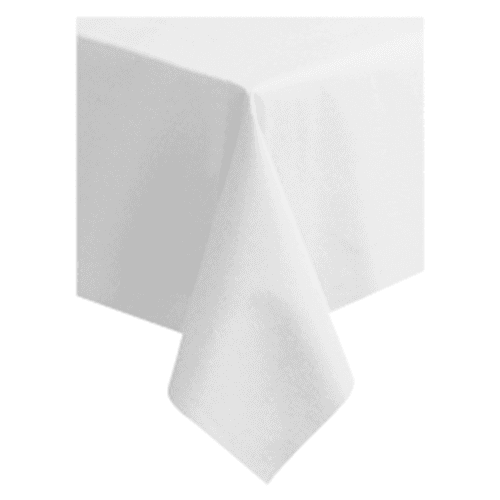
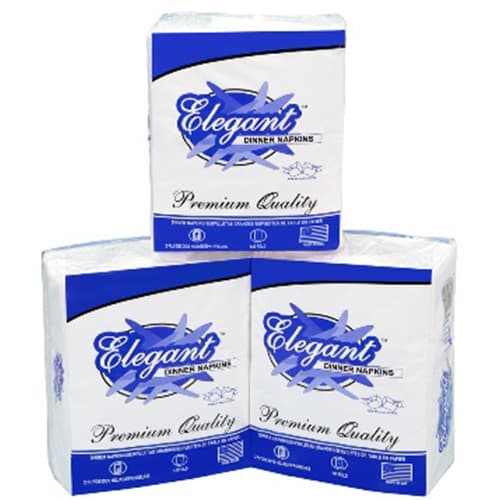
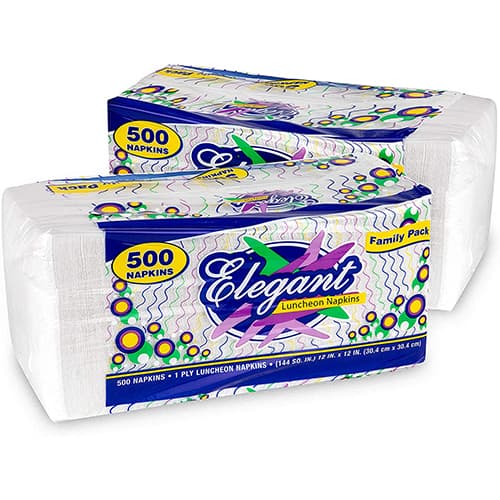
For high-volume or cost-sensitive events — corporate luncheons, conference breakouts, multi-room catering — linen-like disposables are a practical alternative. Products made from airlaid (wood-pulp fiber) or tissue-poly nonwovens replicate the drape and texture of cloth napkins and tablecloths without any laundering requirement. The Hoffmaster 50″ x 108″ Linen-Like White Table Cover and Hoffmaster 54″ x 108″ Navy Blue Cellutex Table Cover are examples built for rectangular banquet tables where fabric linen would otherwise be used. For napkins, airlaid options like Nature’s Linen 15″ x 16″ Airlaid Dinner Napkins deliver a soft, cloth-like feel at a fraction of the per-unit cost of commercial linen laundering.
Event Type and Linen Selection
Linen choice is directly tied to event formality. Formal events — galas, weddings, awards dinners — demand premium fabrics with crisp finishes, elegant color palettes, and floor-length drops. Action stations, carving stations, and food stations within the same event all require coordinating linen dressing as part of a cohesive room presentation.
Cocktail receptions on cocktail rounds use shorter linen drops or spandex covers, while bar stations are serviced with cocktail napkins stacked for guest self-service. Stage risers and podiums are often skirted with coordinating linen fabric as part of the overall event decor package.
Common Uses
Department & Usage: The banquet and catering department manages event linen for all hotel functions, from initial selection through post-event breakdown. Linen specifications — color, style, quantity, and table configuration — are documented in the Banquet Event Order (BEO) for every function. Banquet servers handle linen during setup and service; third-party linen rental vendors or in-house laundry facilities manage cleaning and restocking of reusable fabric linen. Disposable linen-like alternatives are used by catering operations for high-volume or cost-sensitive events where laundering is impractical.
Sustainability
Reusable fabric linen carries an environmental footprint from frequent high-temperature commercial washing, chemical detergents, and transportation to and from laundry facilities. Linen-like disposable alternatives made from airlaid (wood-pulp fiber) or bagasse can be compostable when certified to BPI or ASTM D6400/D6868 standards — making them a viable option for properties pursuing sustainable hospitality goals. Tissue-poly blends are generally not compostable and should be evaluated accordingly. Optimizing linen par levels to avoid over-ordering and adopting linen rental programs to reduce owned inventory are additional strategies hospitality operators use to reduce waste and cost in banquet linen management.
Related Products